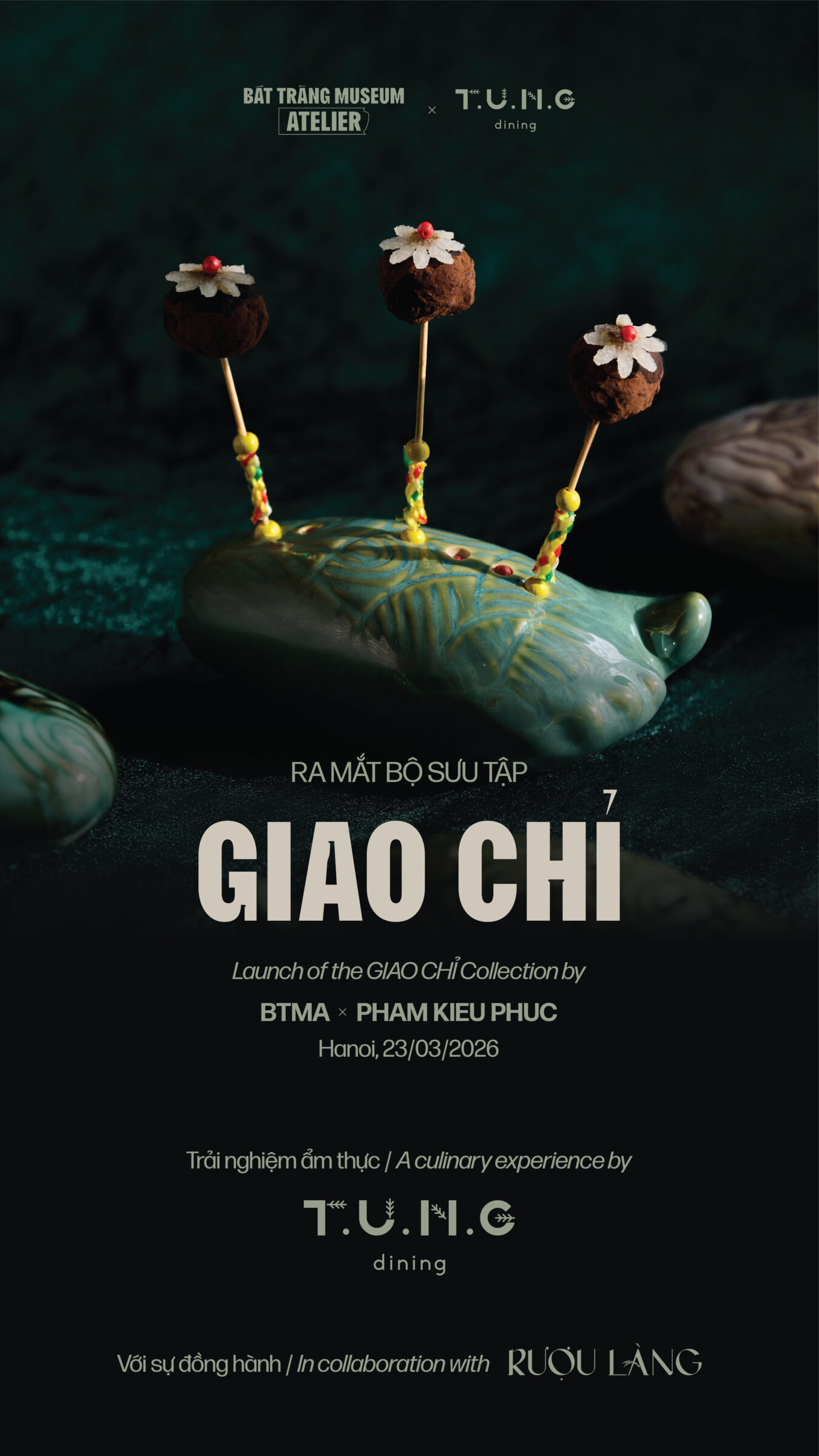
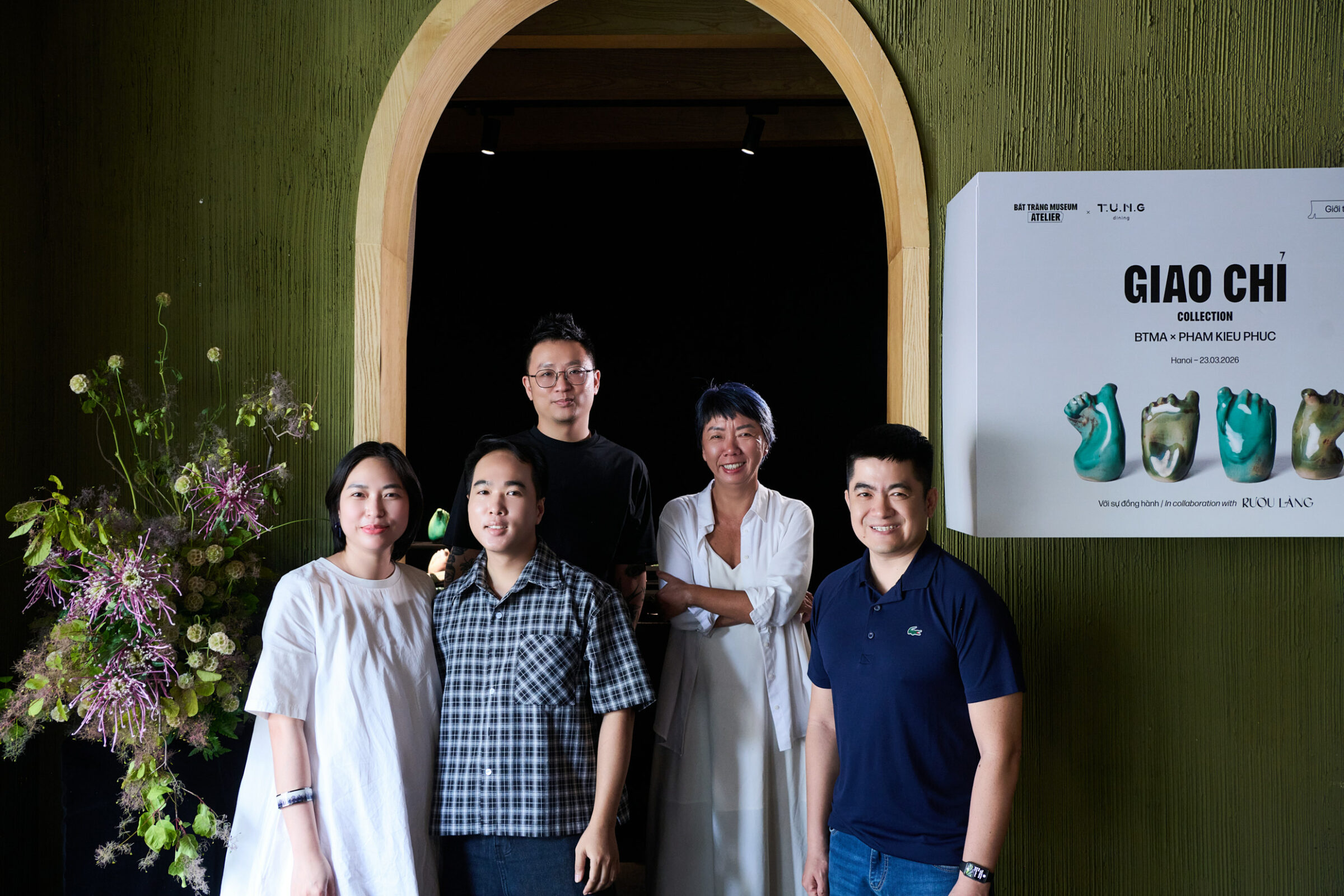
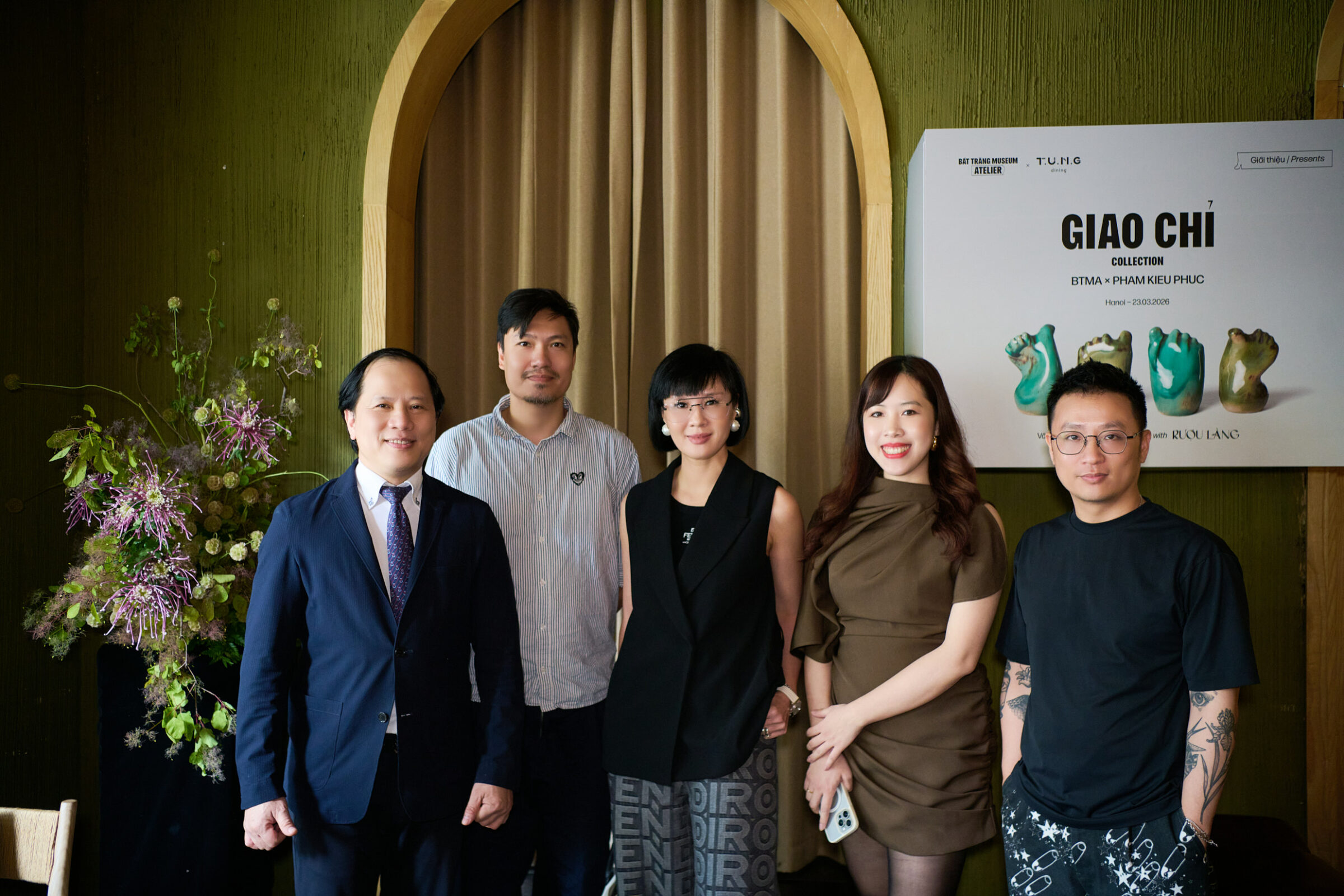
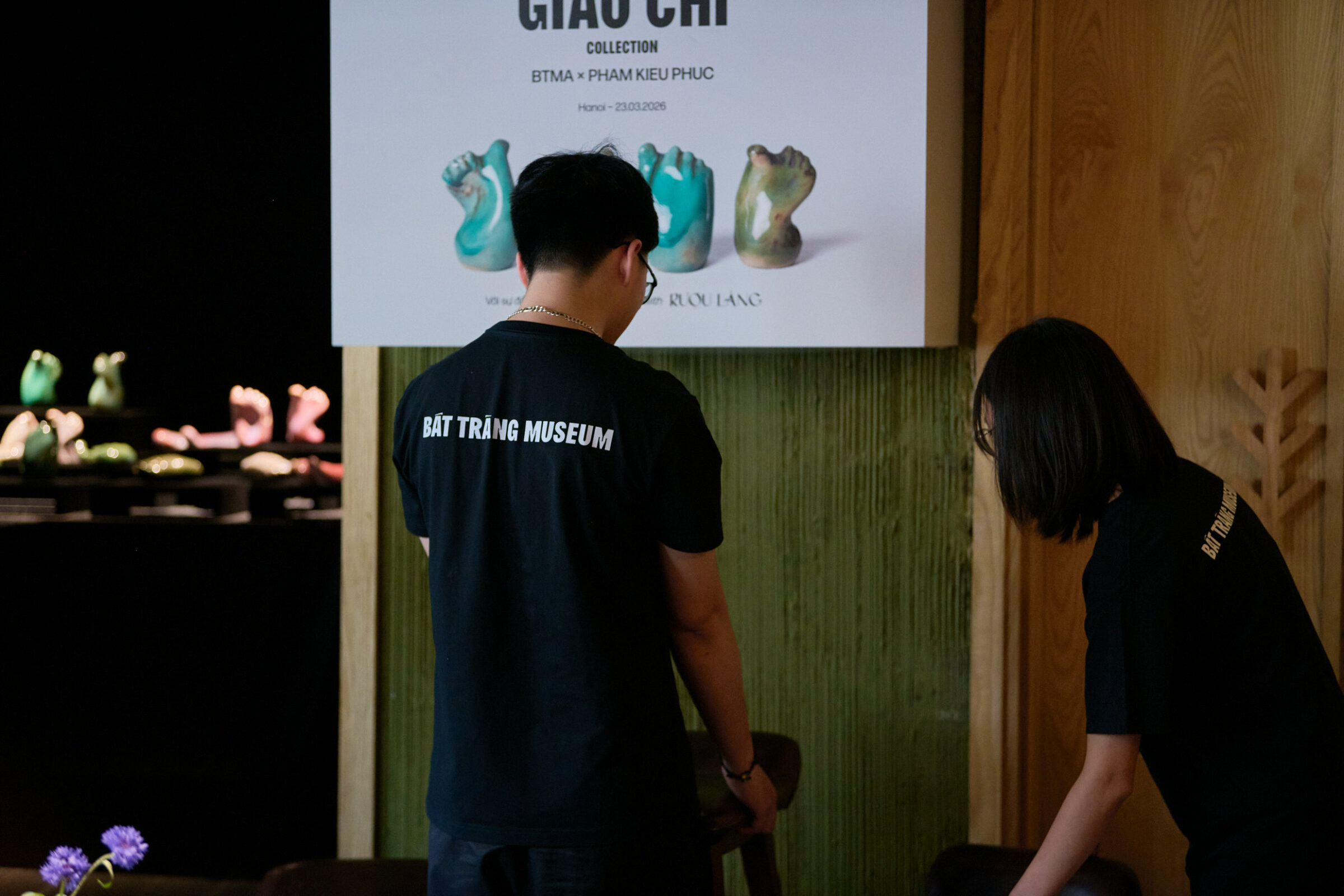
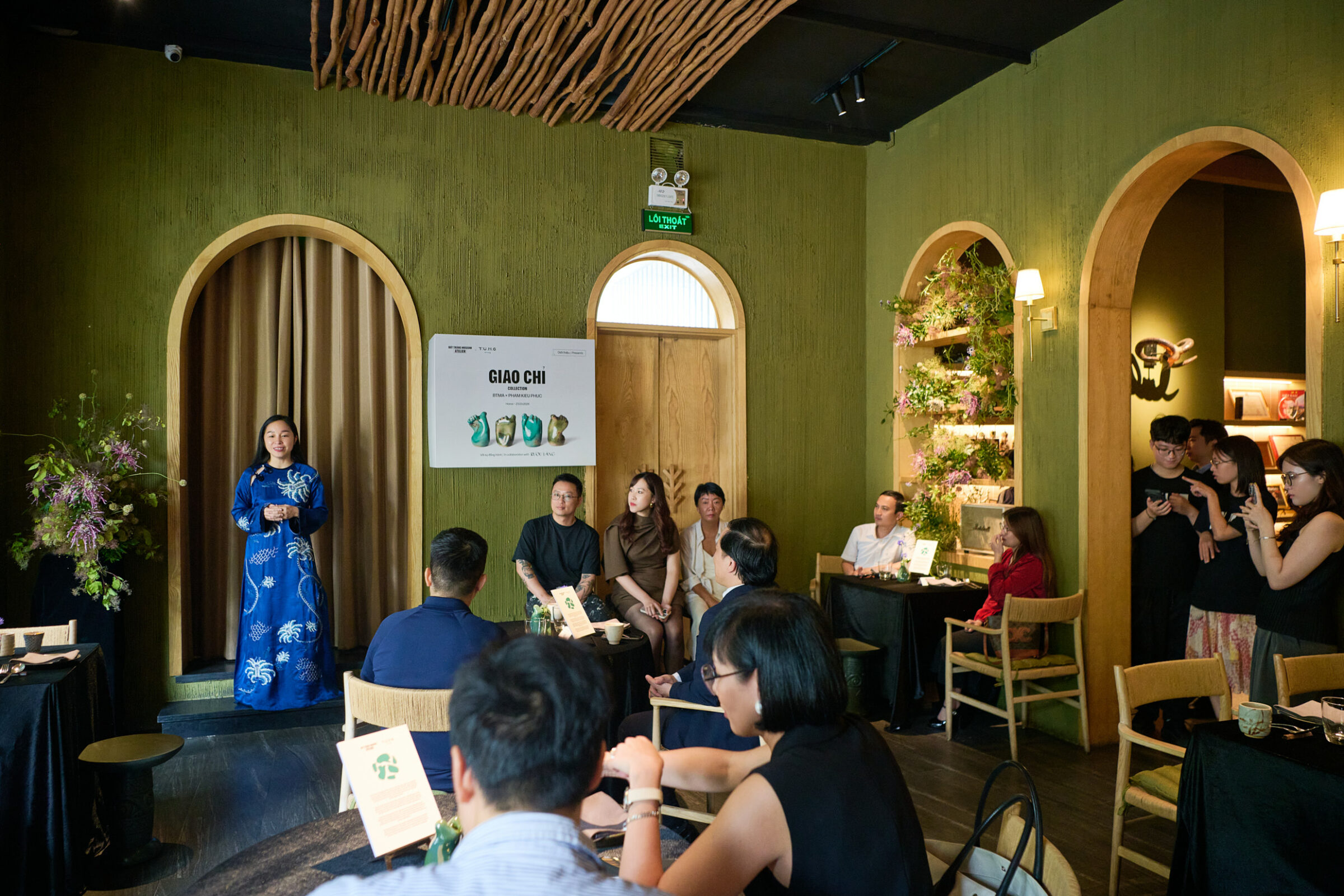
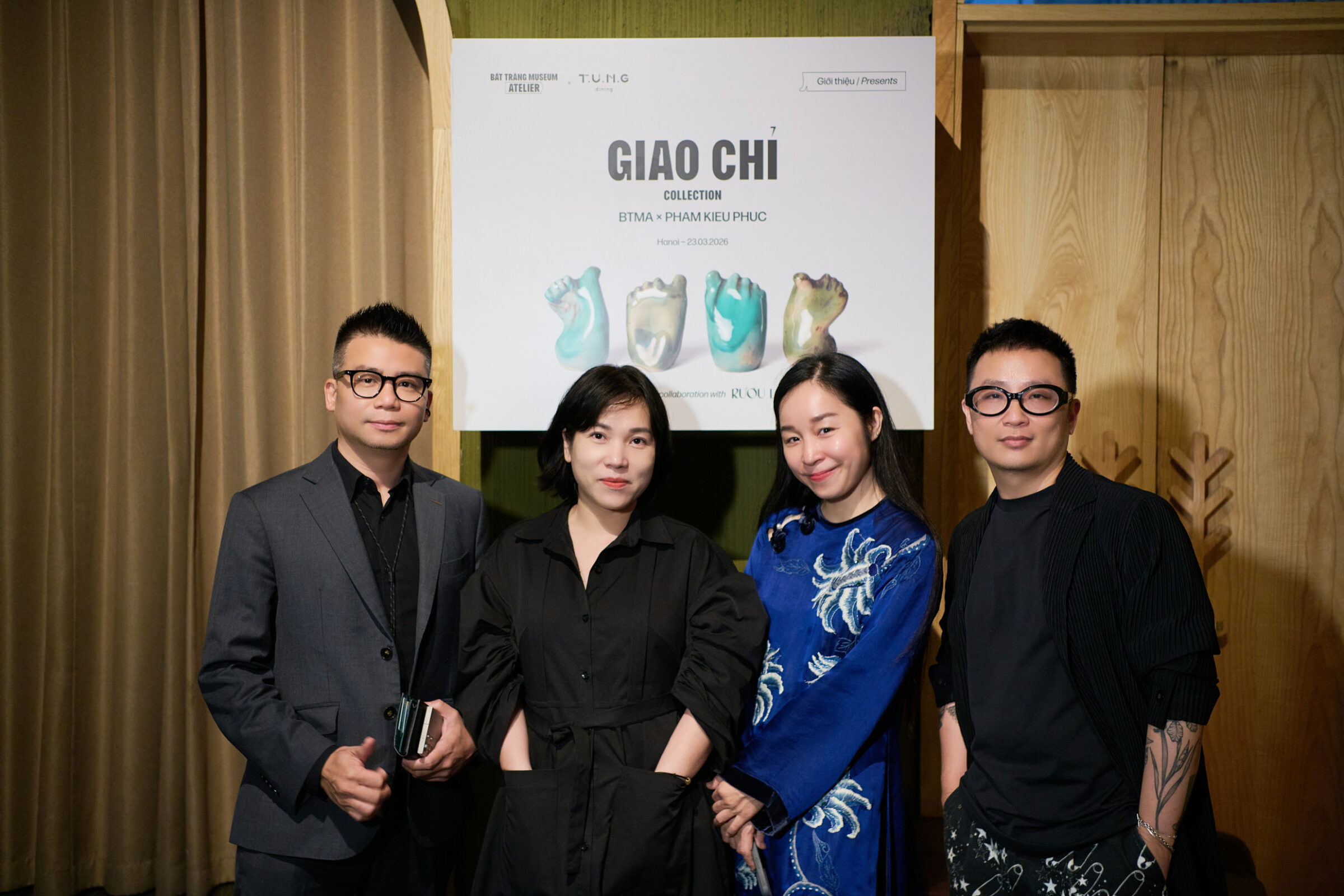
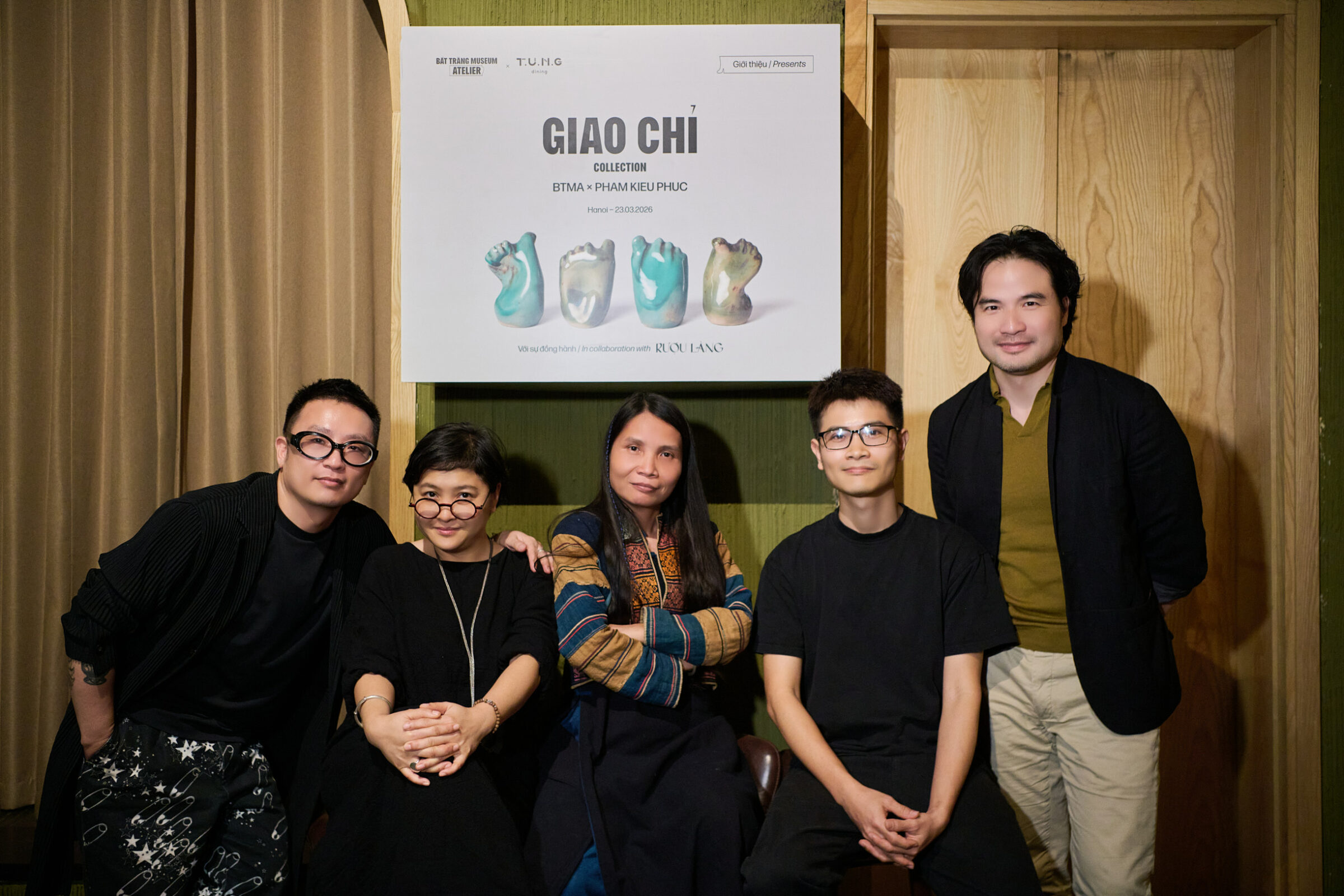
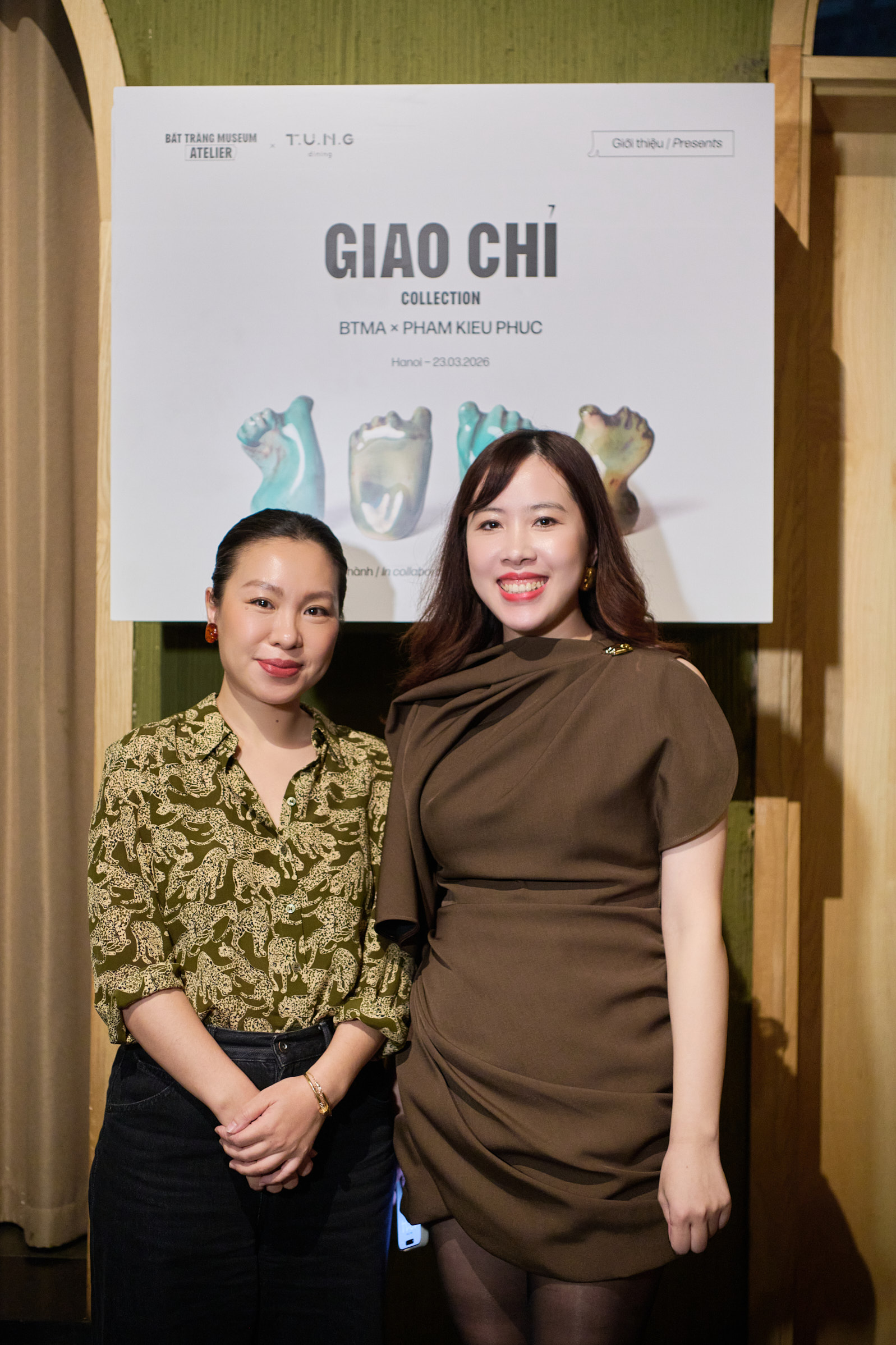
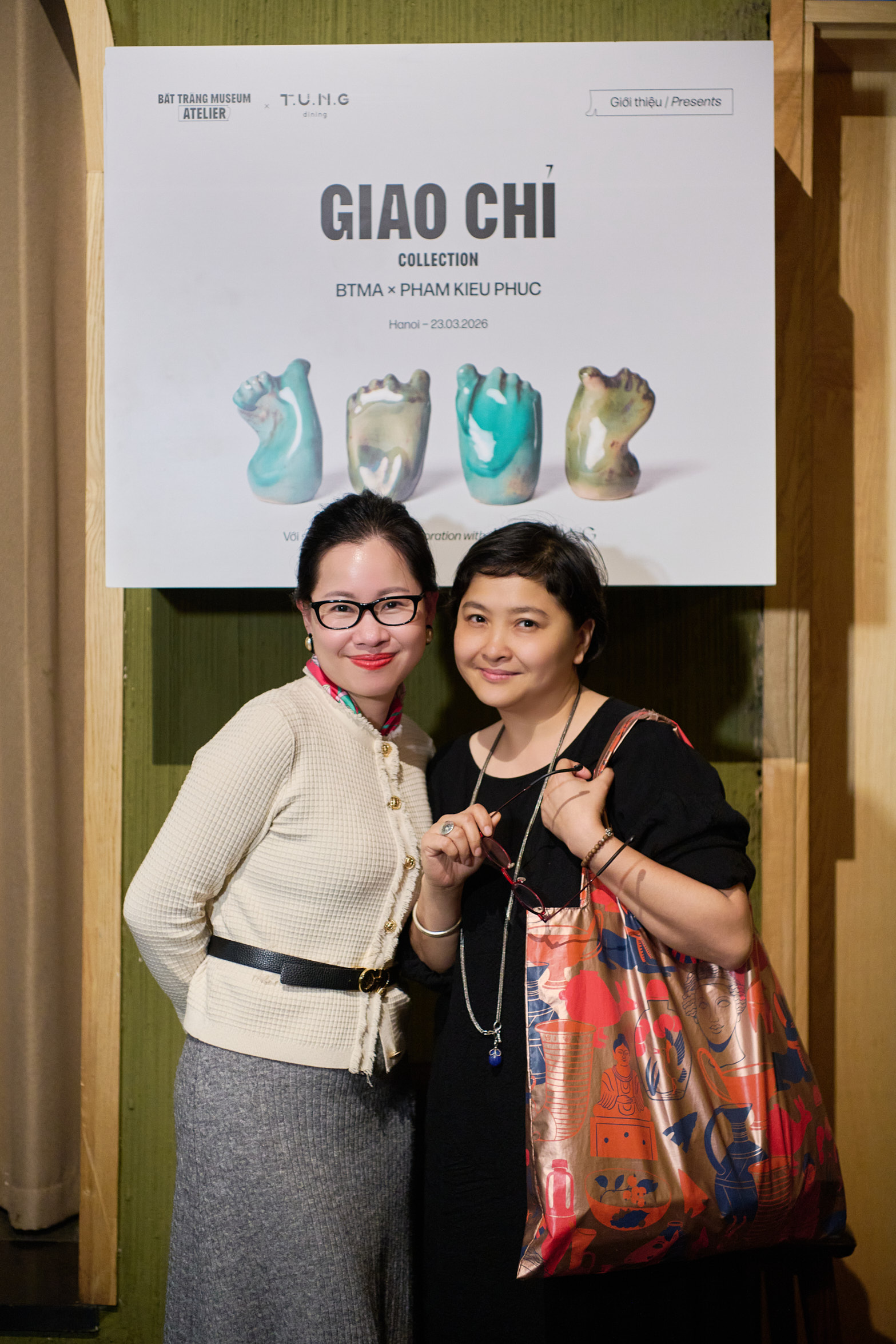
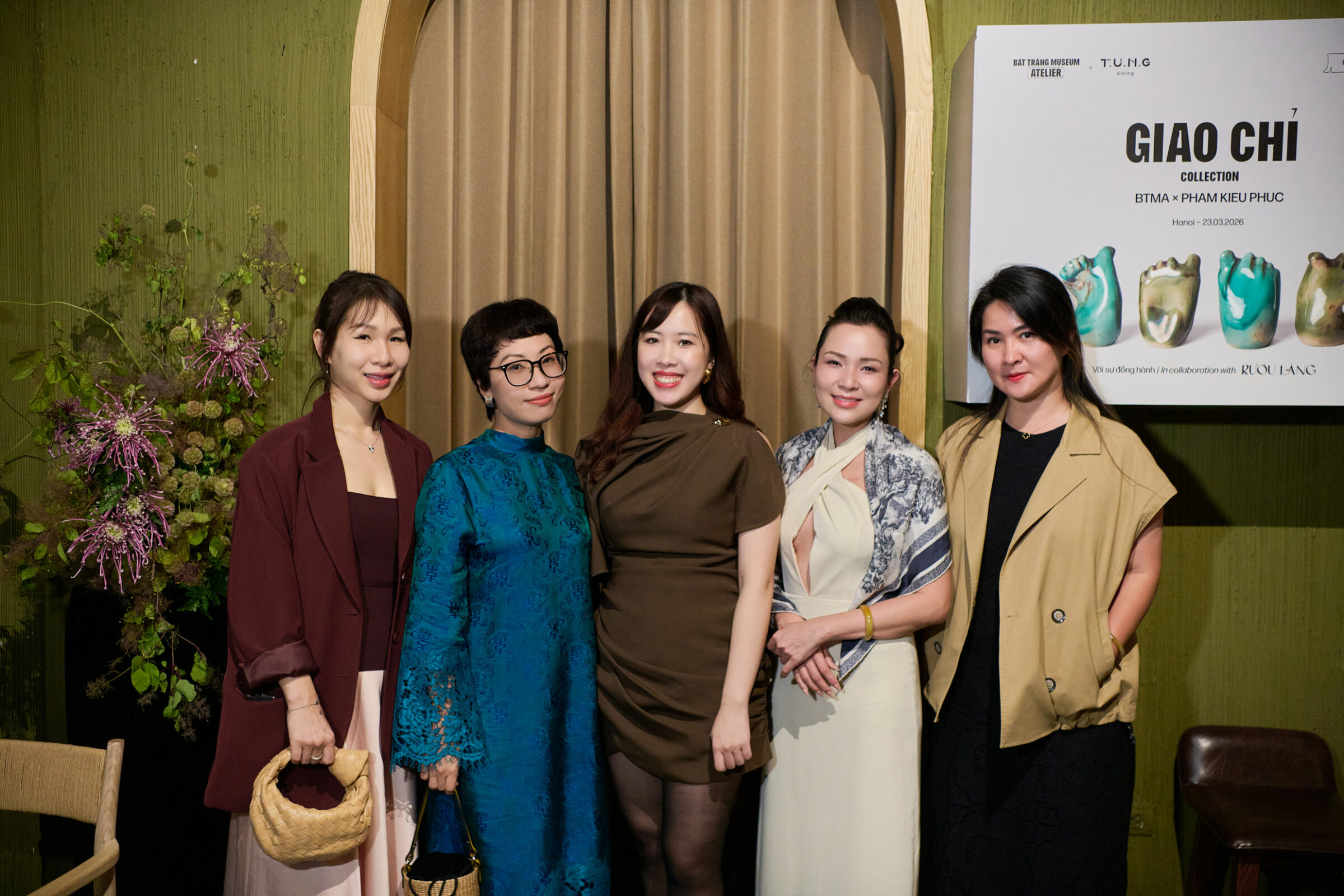
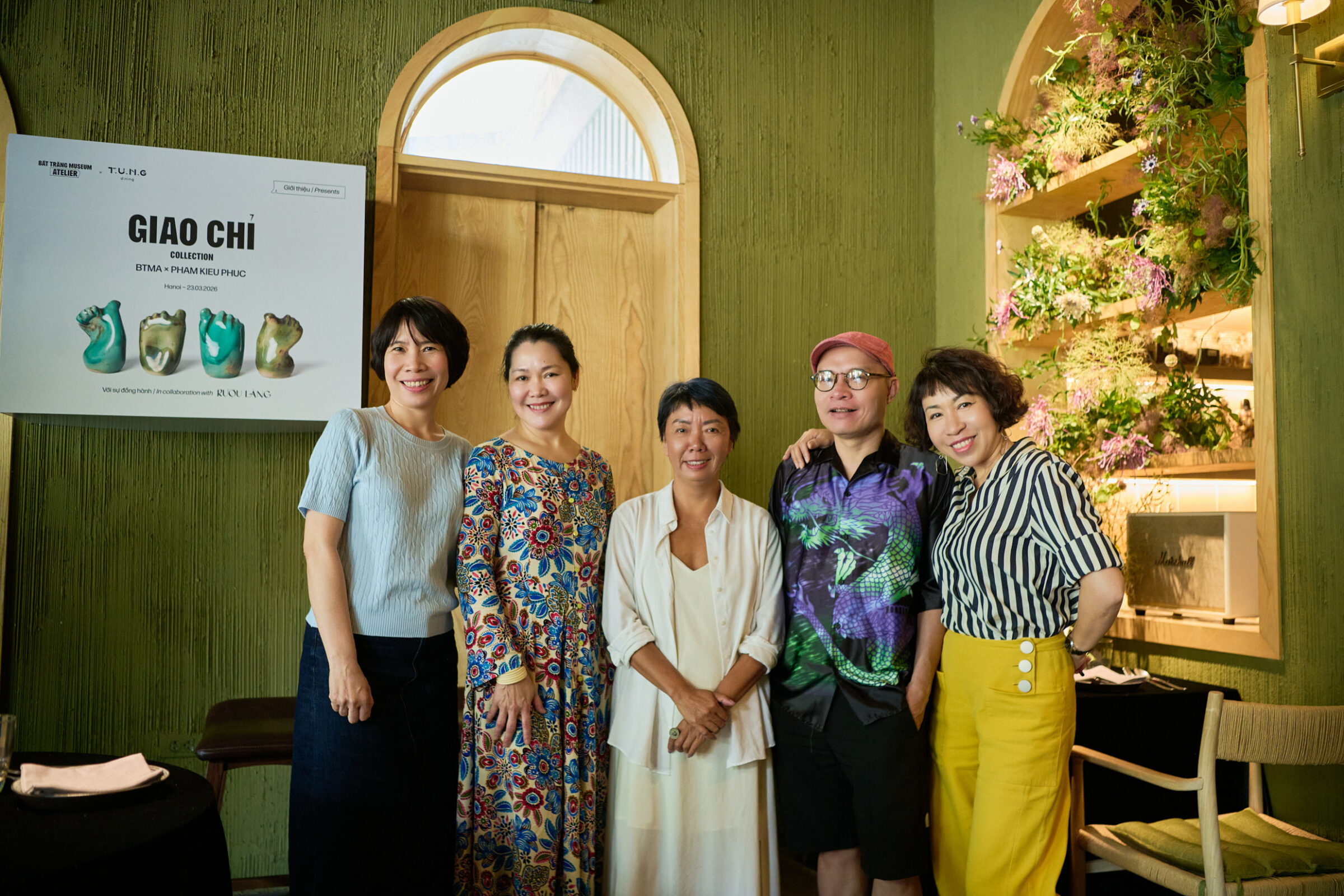
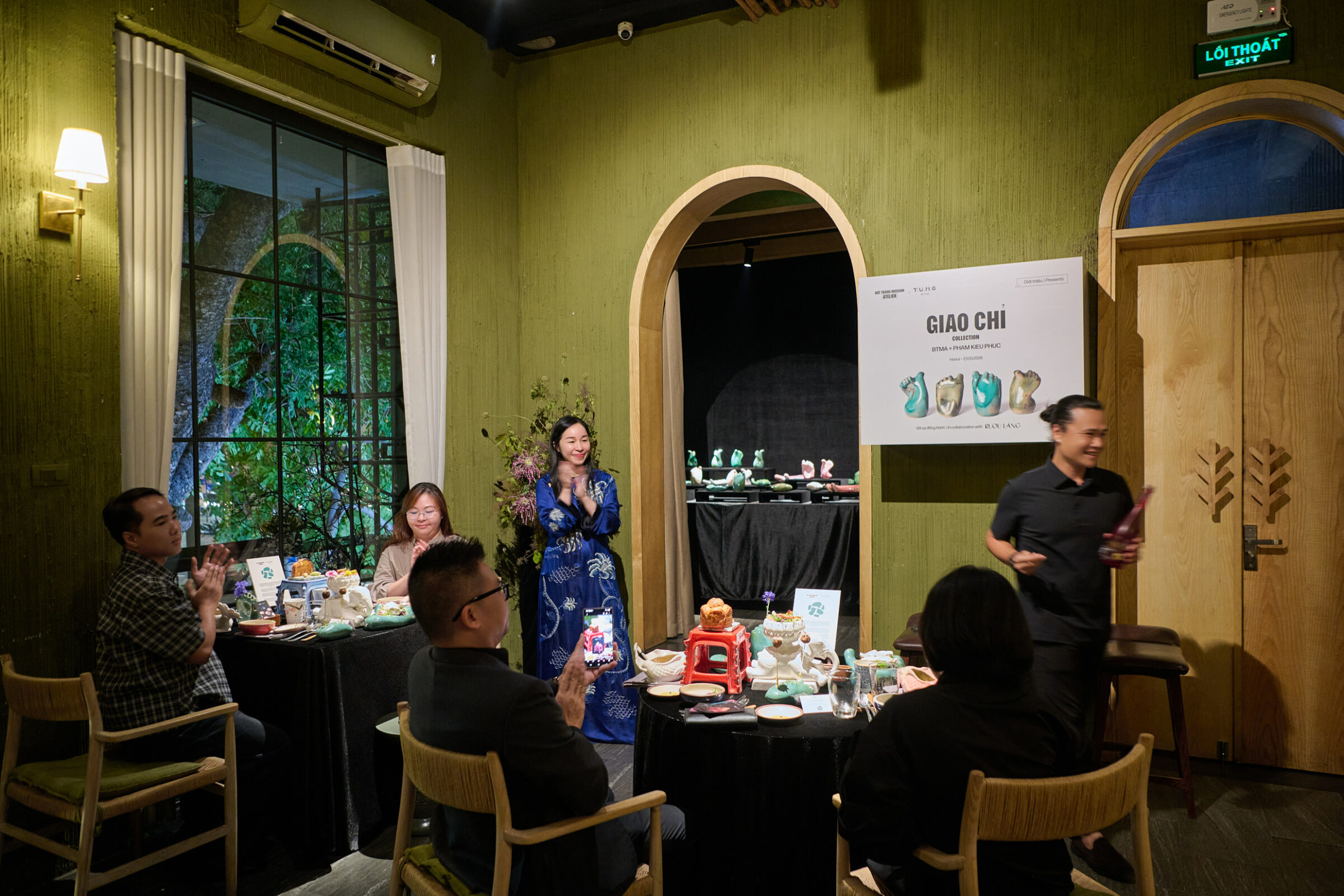
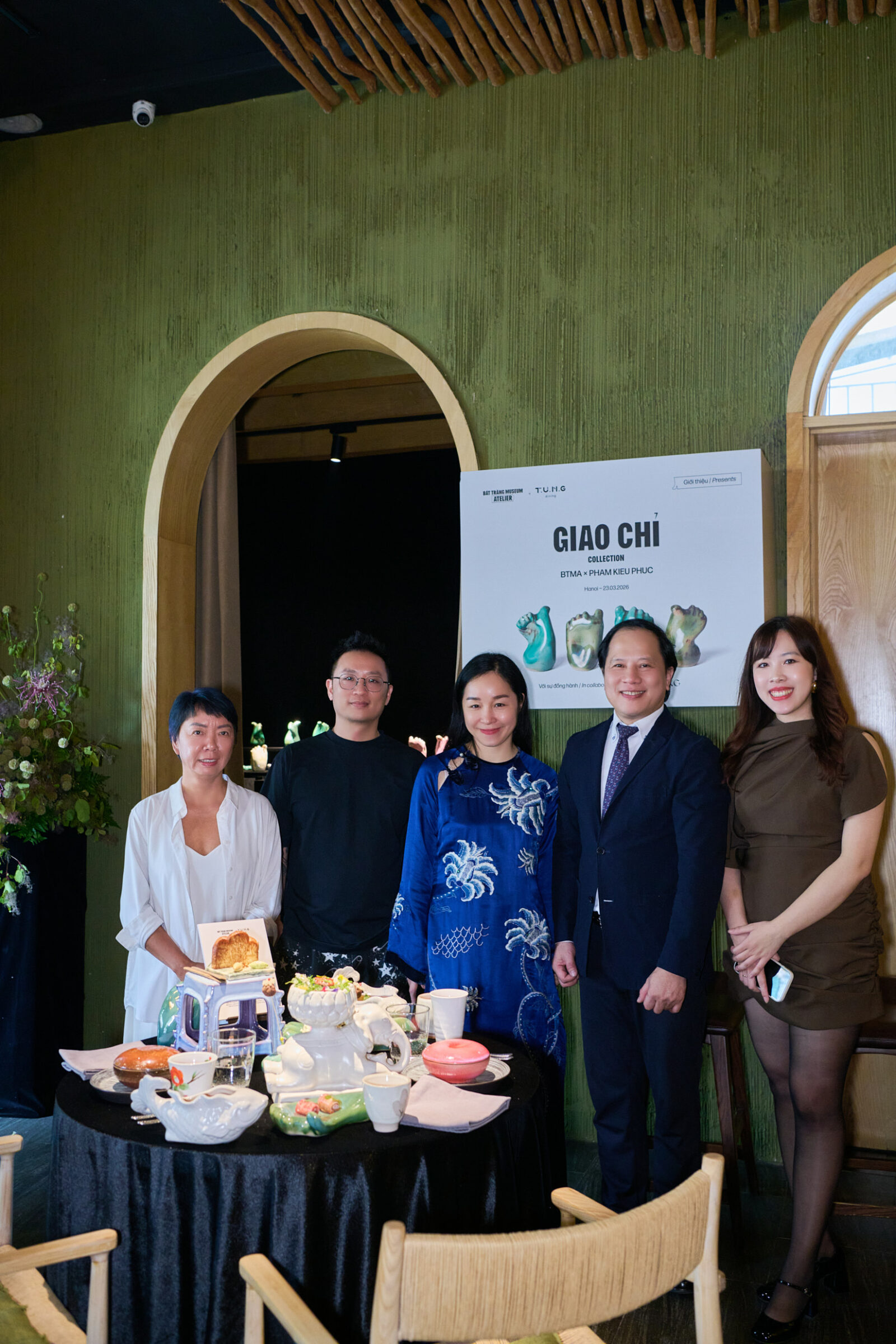
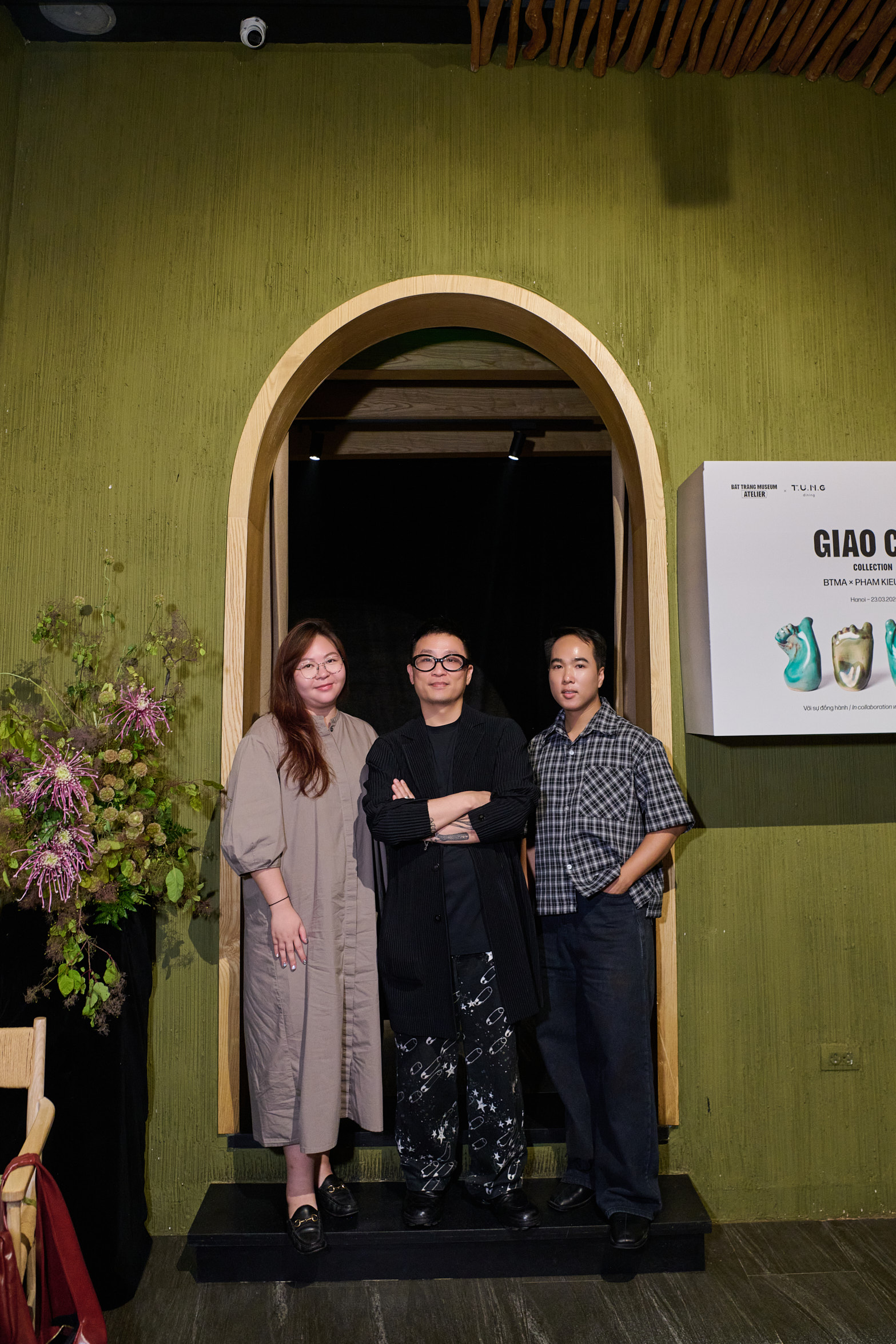
Bát Tràng Museum Atelier (BTMA), in collaboration with T.U.N.G dining, presents the launch of the ceramic collection “Giao Chỉ”, a project developed by BTMA and artist Phạm Kiều Phúc.
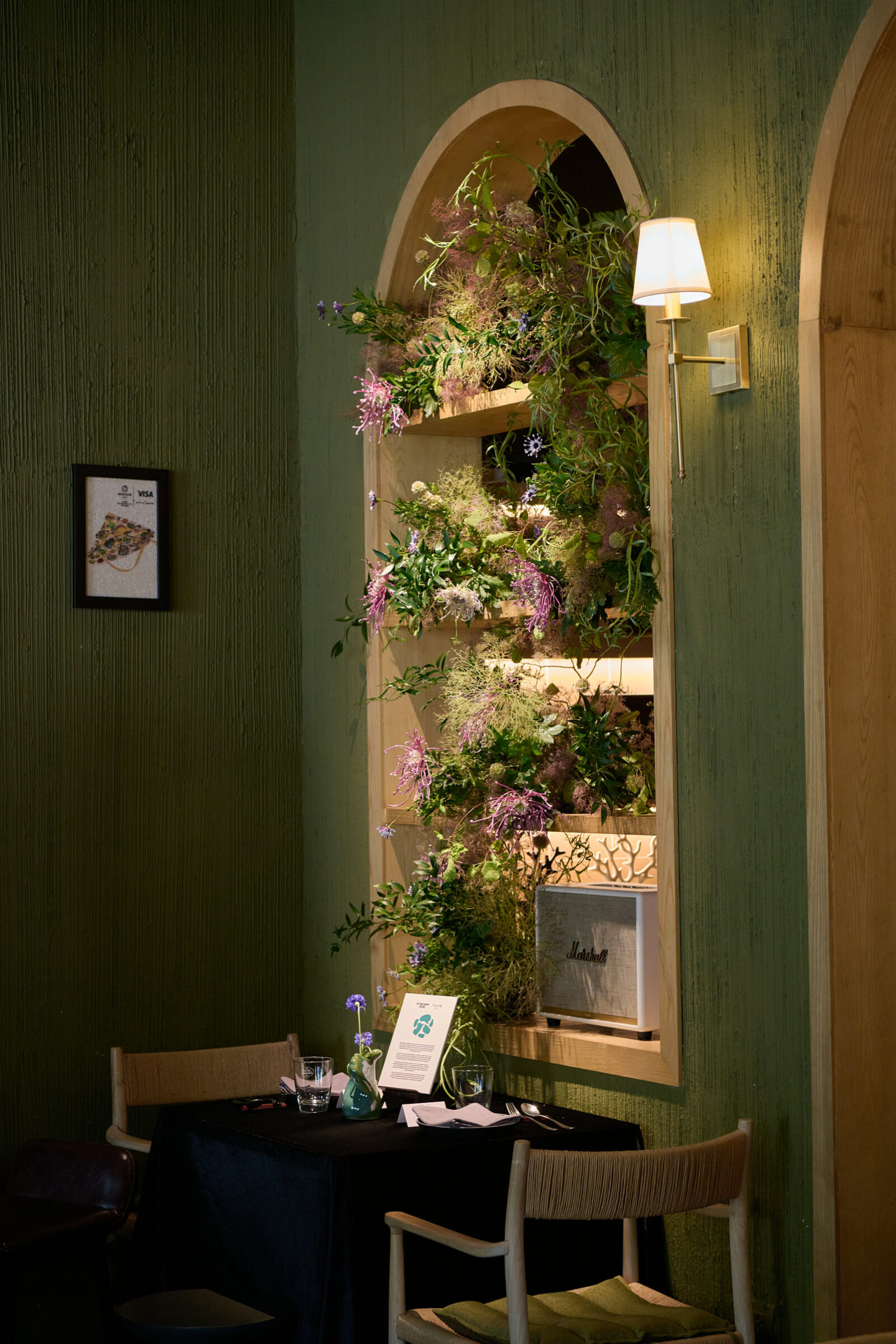
Set within the immersive setting of T.U.N.G dining, the event brings together ceramic practice and contemporary cuisine, offering a multi-sensory encounter where cultural memory is explored through form, material, and taste.
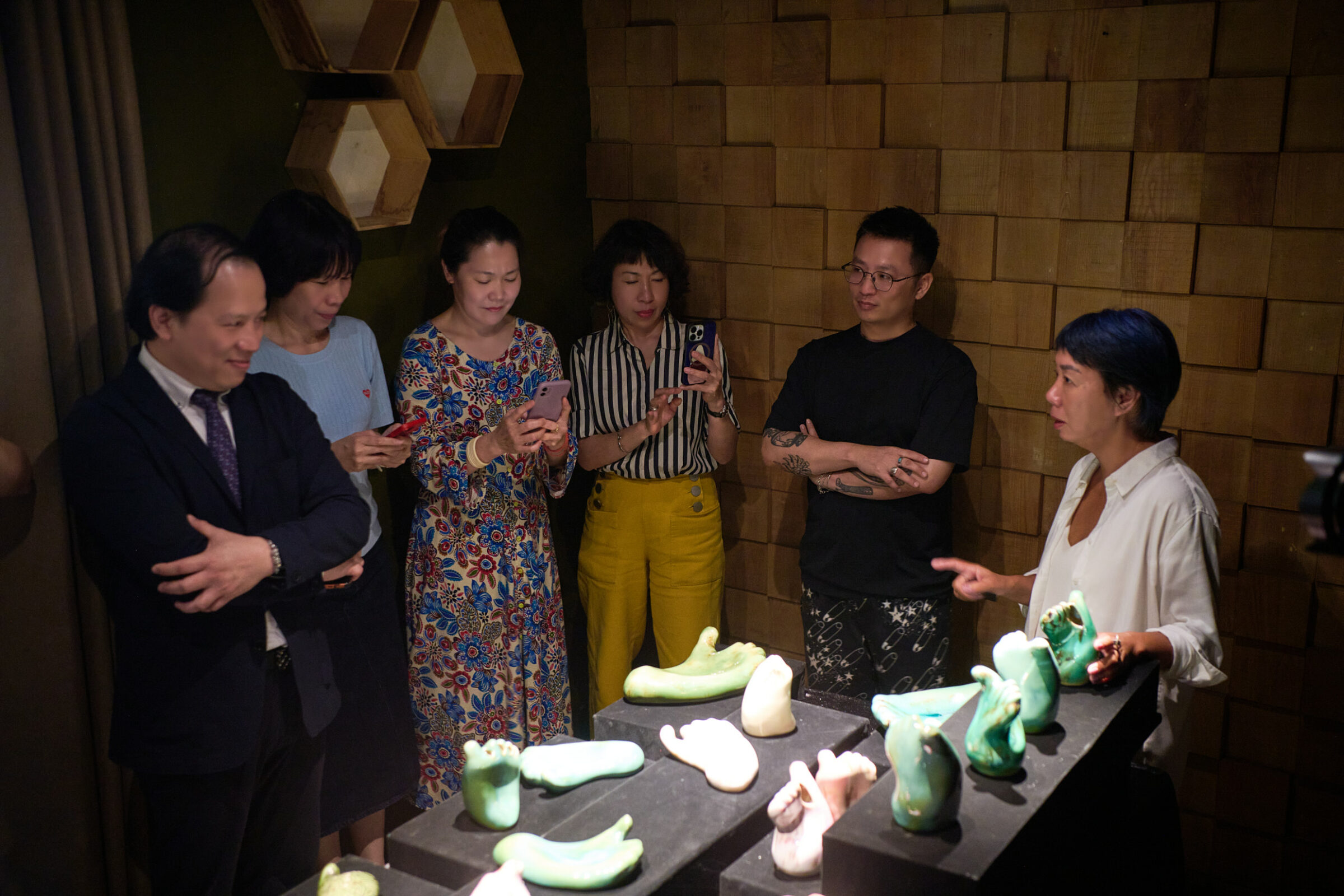
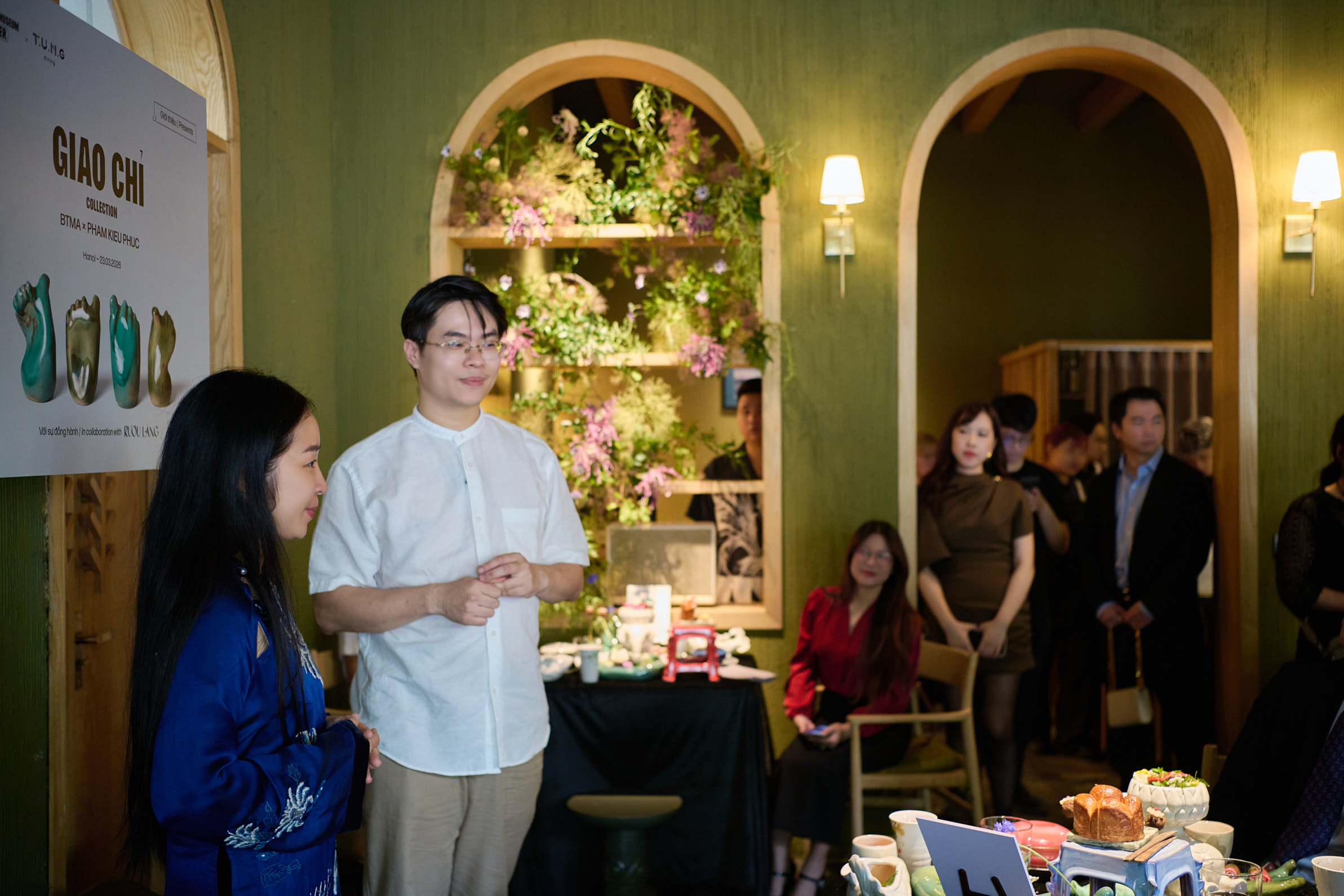
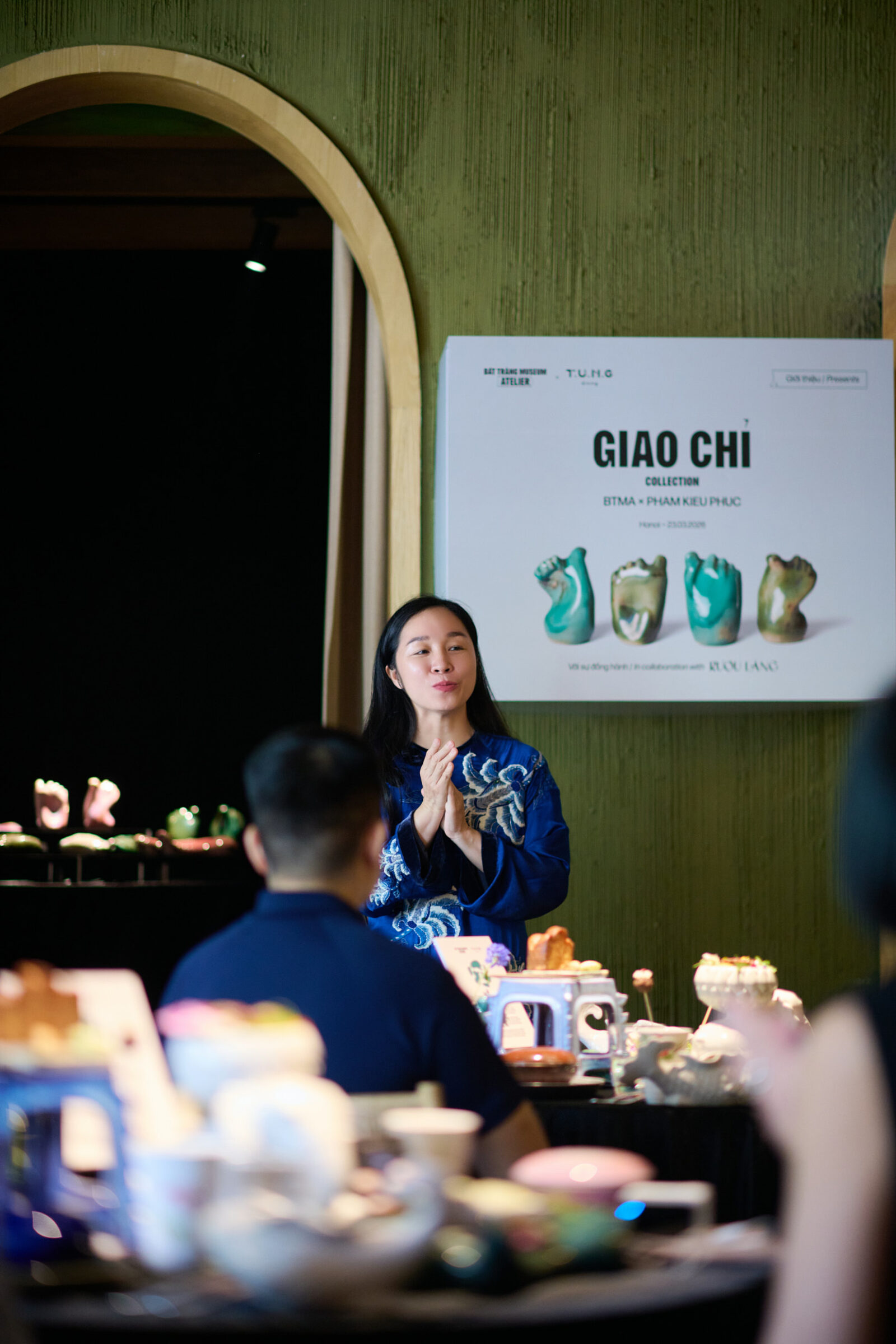
The programme is hosted by Nguyễn Phan Thùy Dương, Editor-in-Chief of ELLE Decoration Vietnam. Reflecting on BTMA’s trajectory, she notes that the atelier has engaged in a series of collaborations with contemporary artists, opening new dialogues between ceramics and art. These exchanges have expanded the visual language of Bát Tràng ceramics while offering new ways of engaging with heritage in a contemporary context.
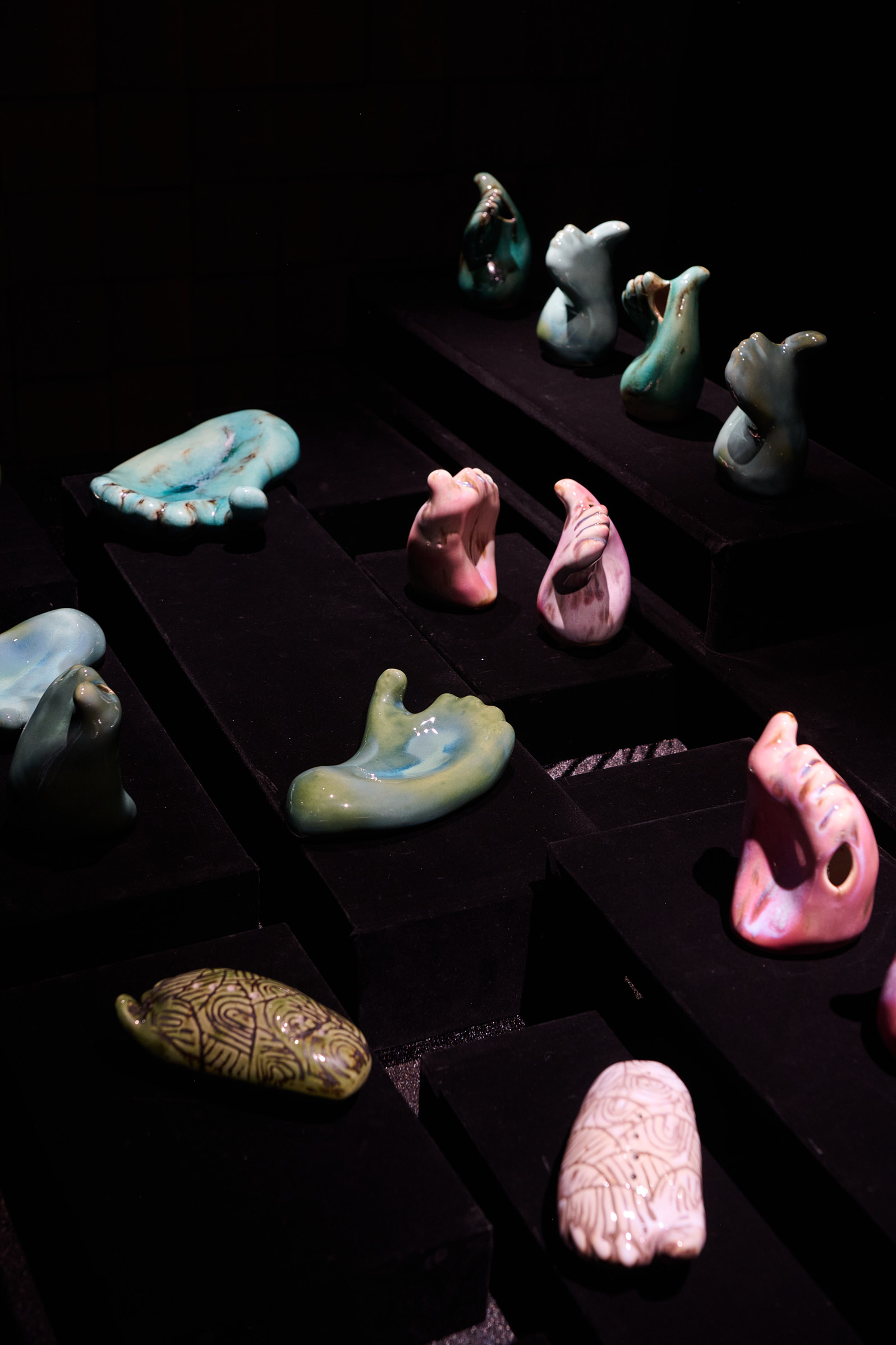

Primal Forms of Memory
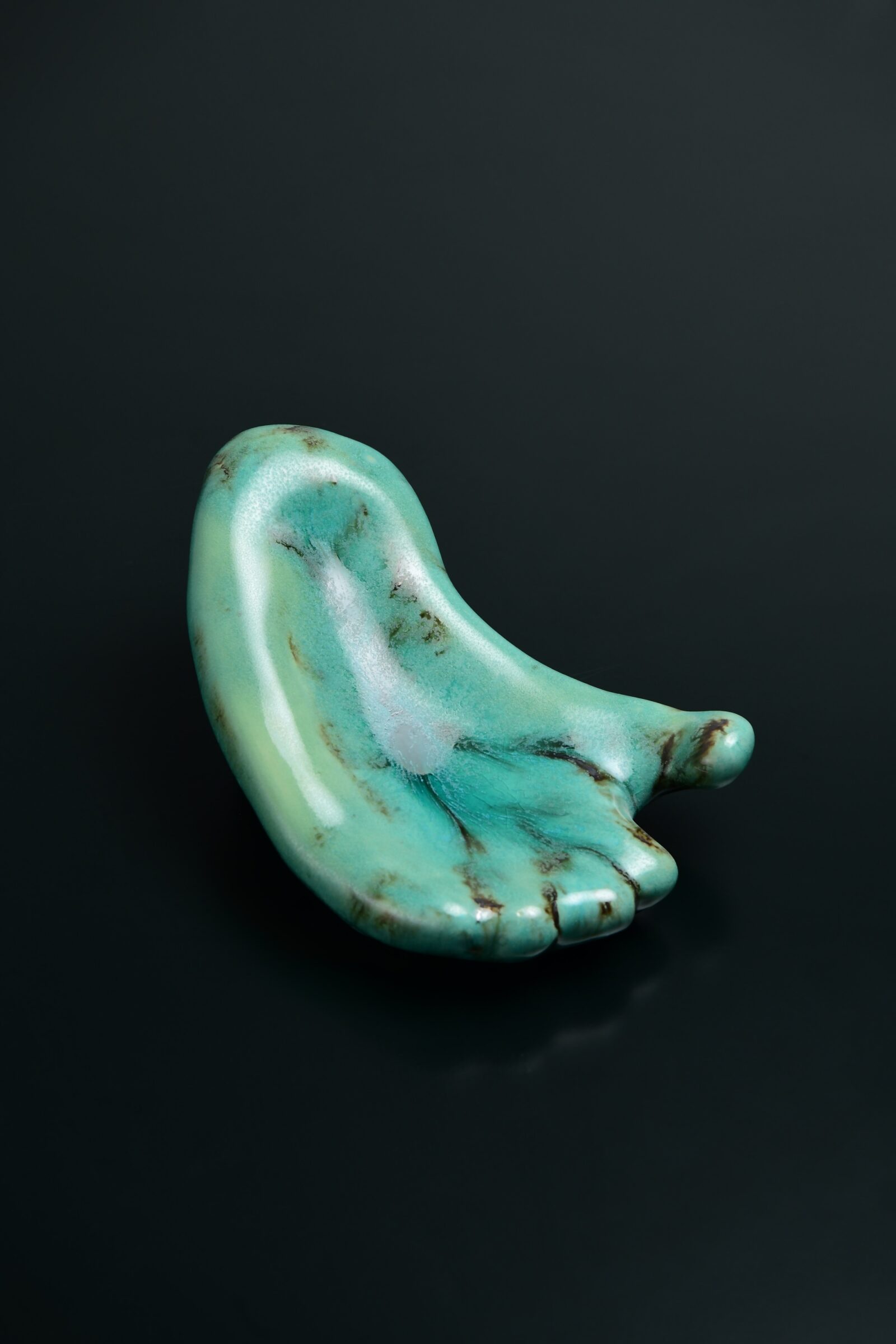
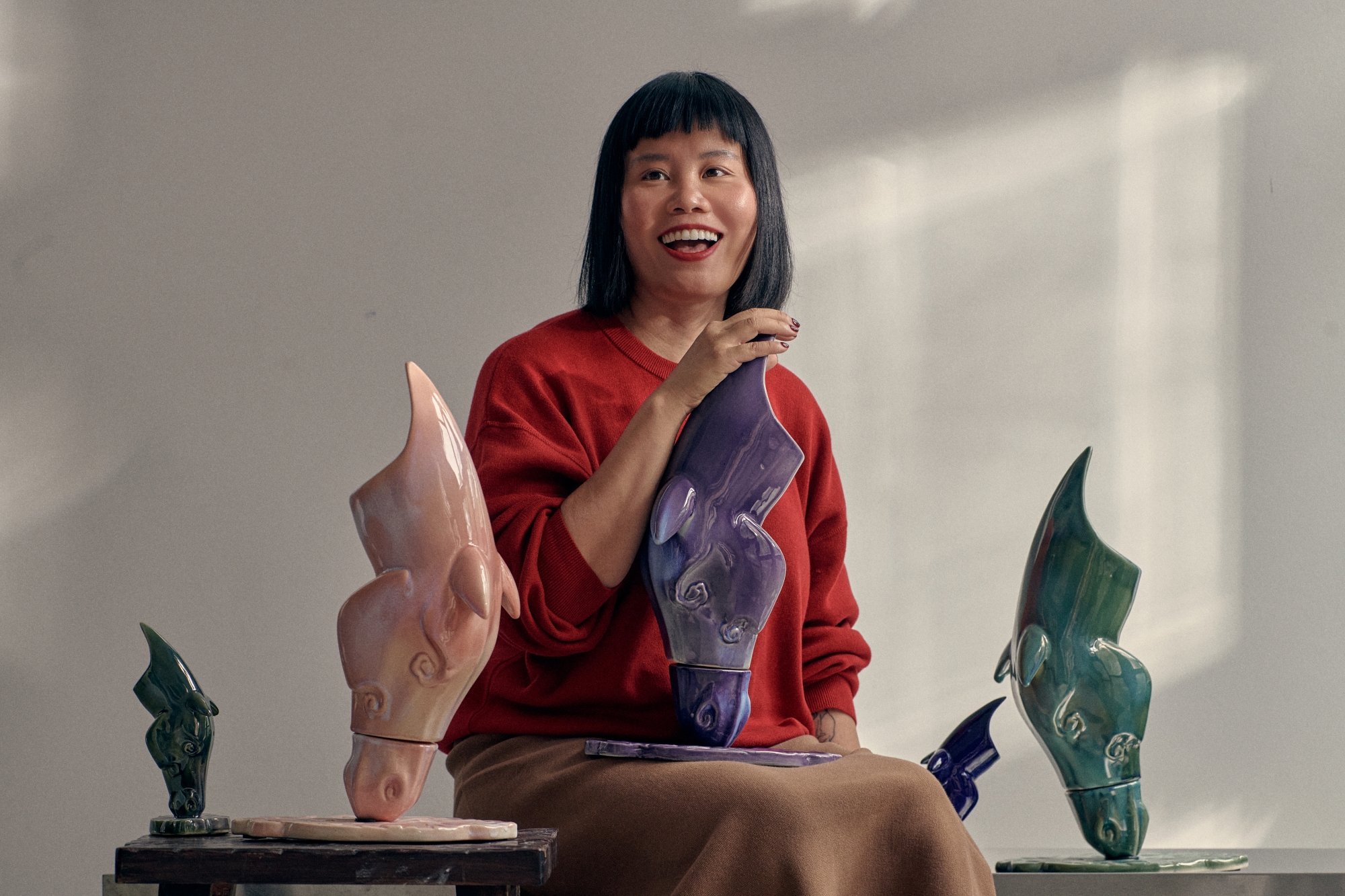
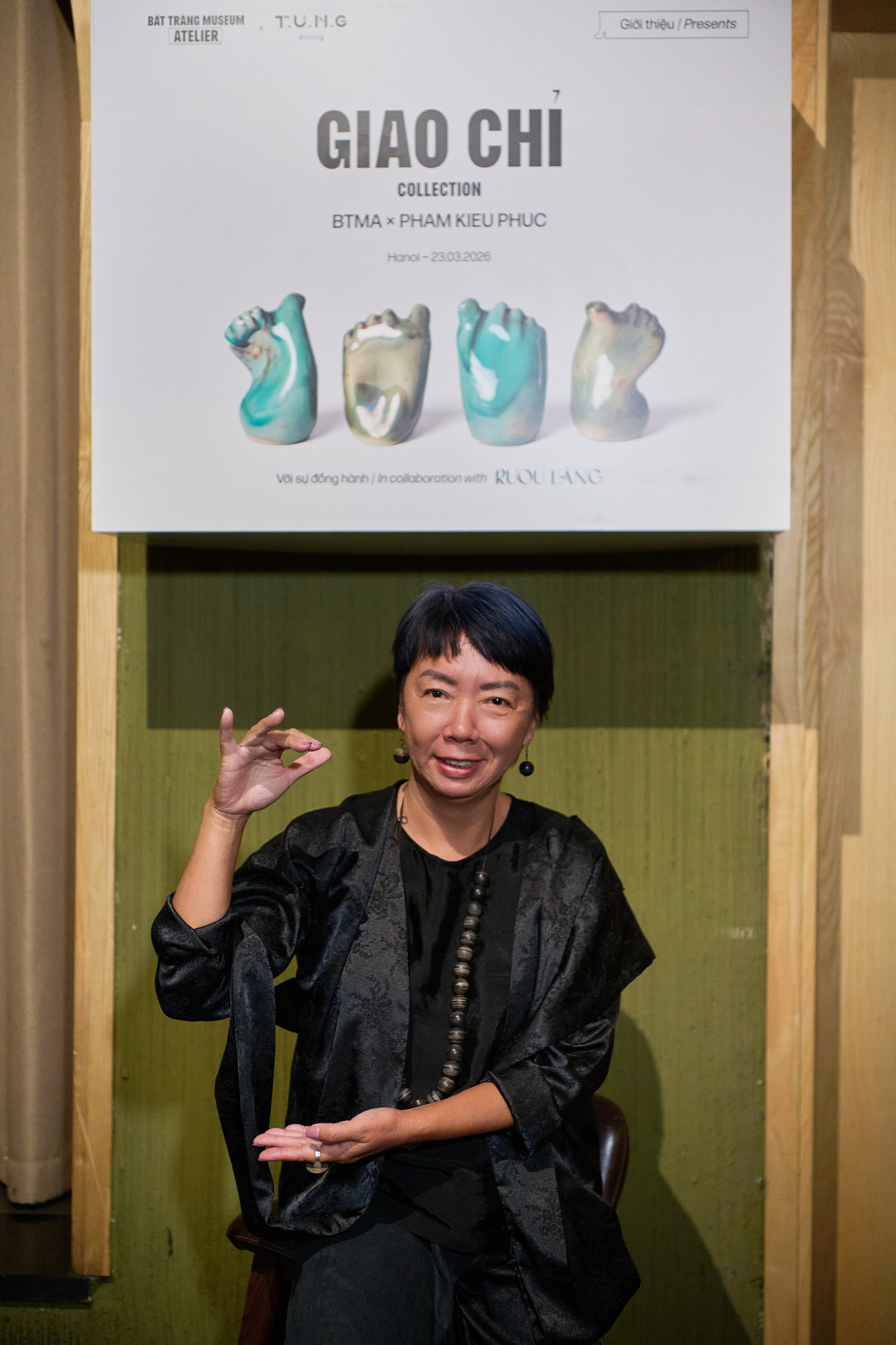
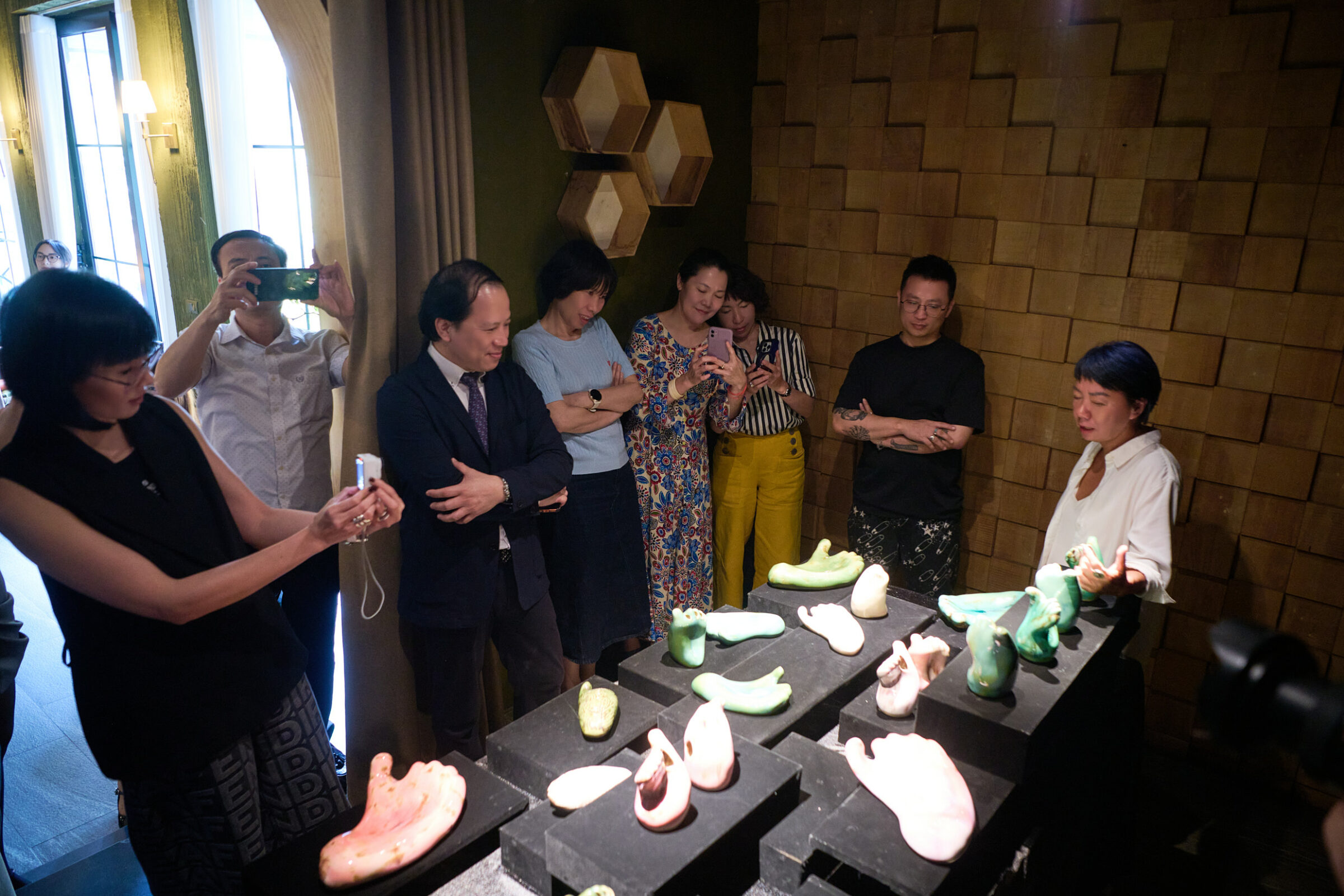
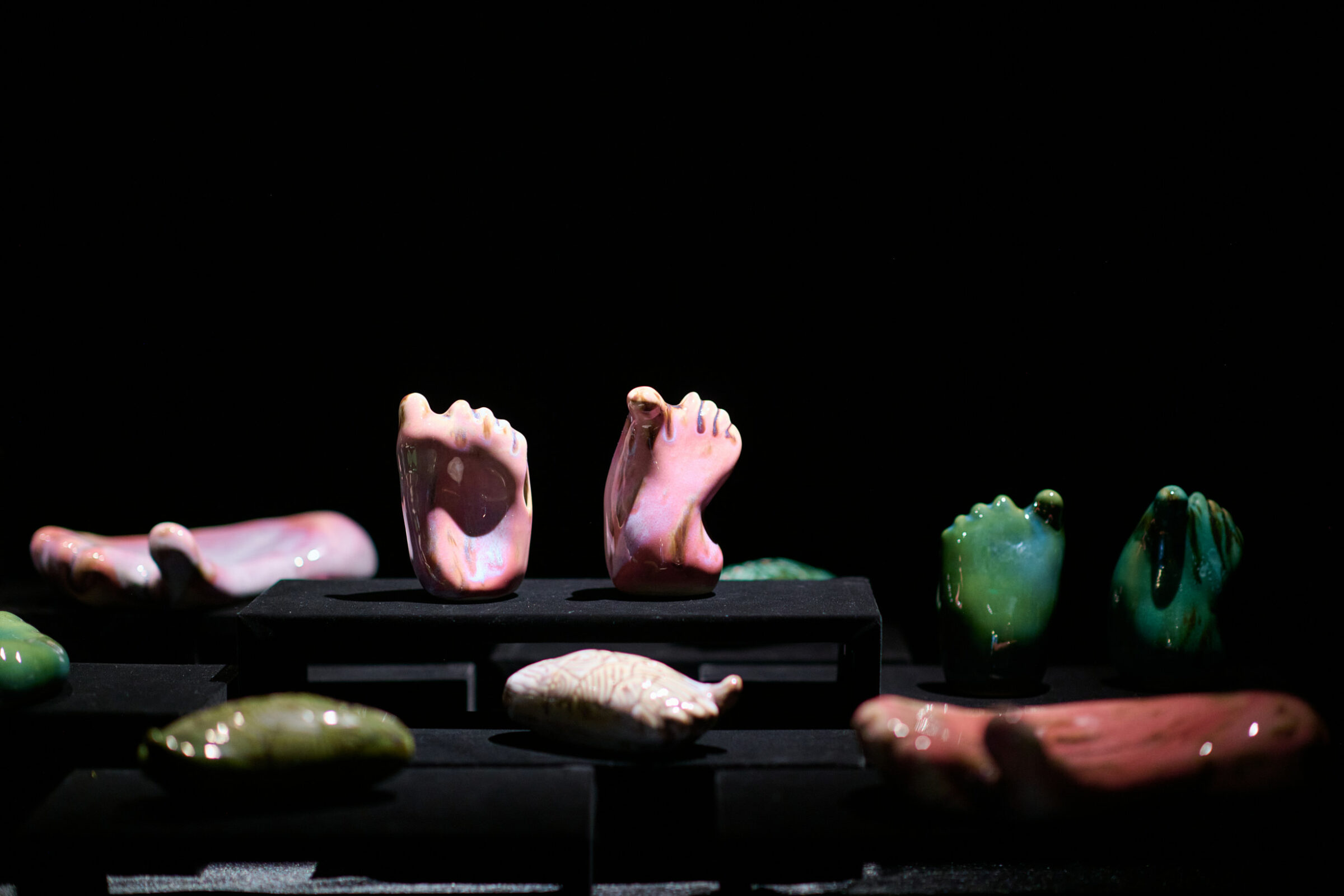
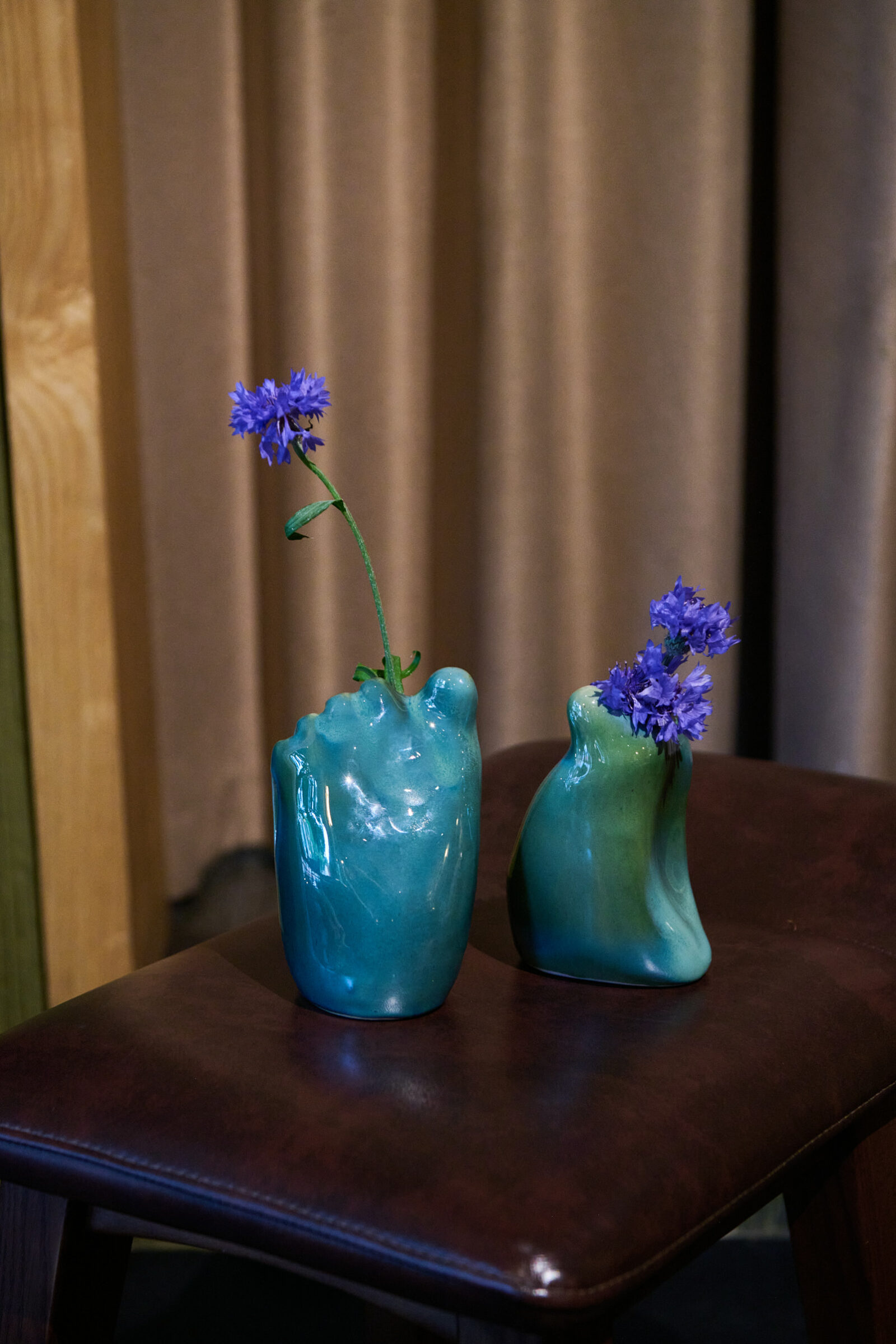
Designer and artist Phạm Kiều Phúc, founder of Module 7, approaches Giao Chỉ through personal and cultural memory. The project draws from stories passed down through her family about the physical traits of early Vietnamese people, particularly the image of the outward-turning big toe—often described as a “lost marker” of origin.
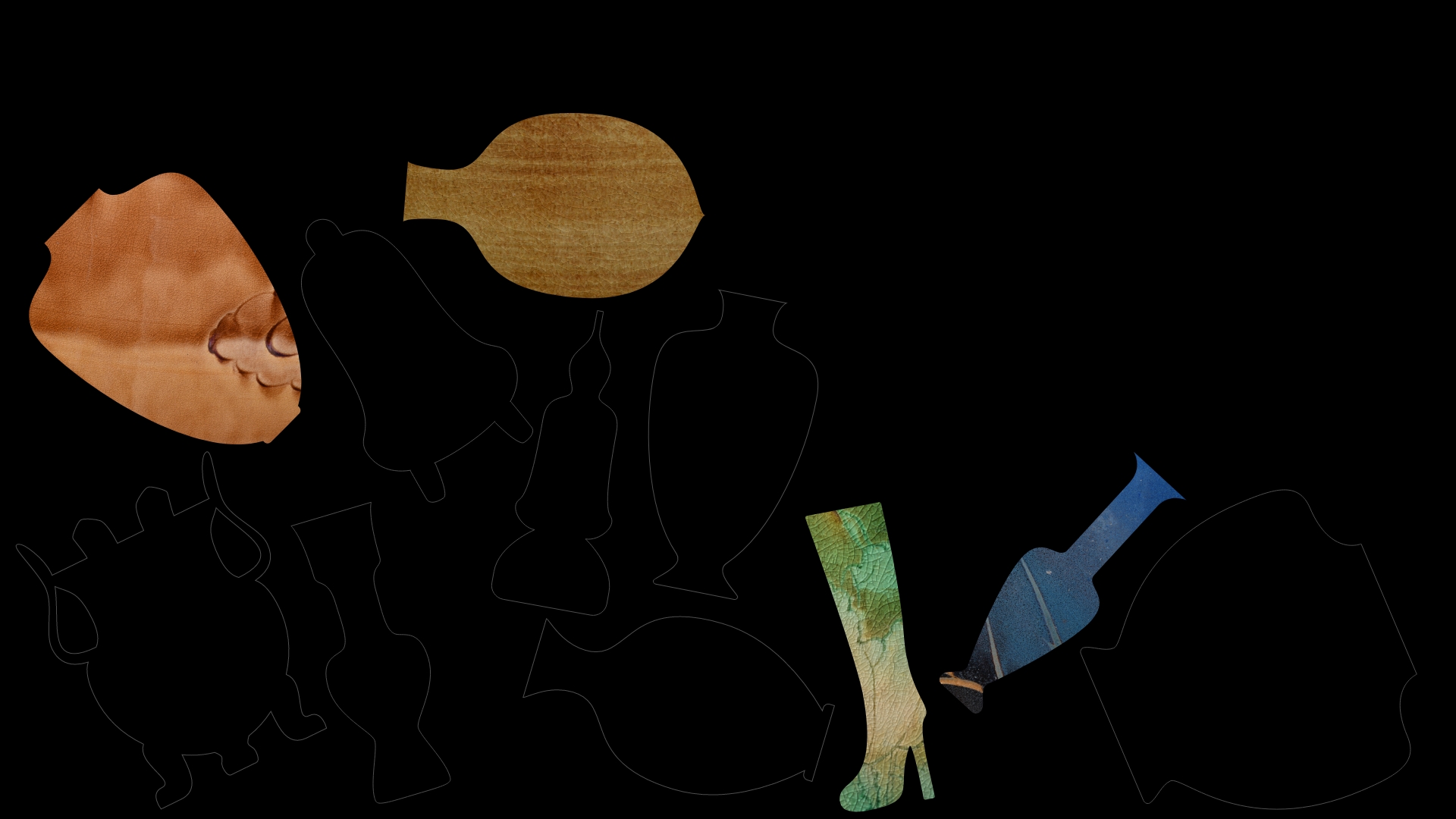
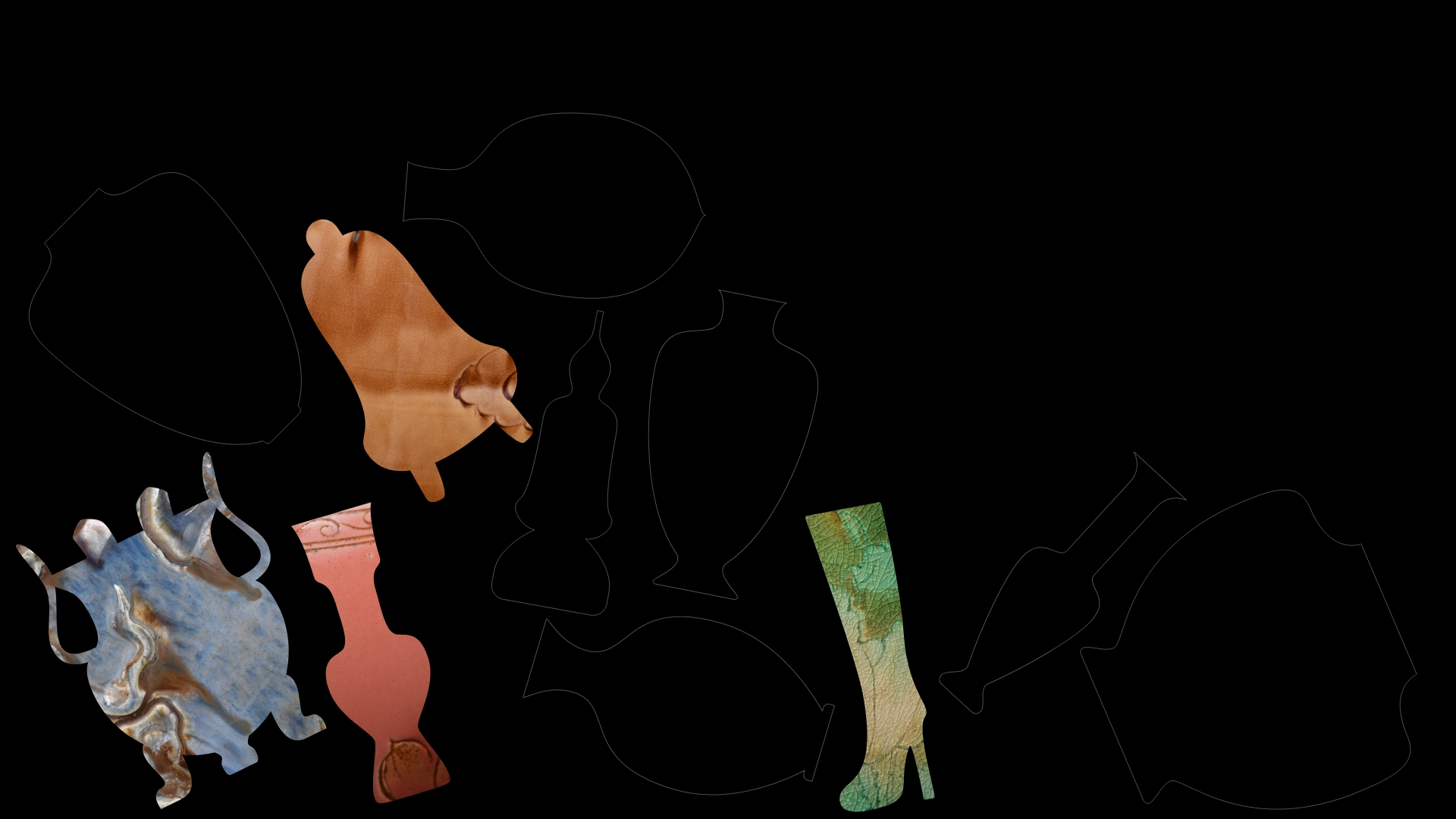
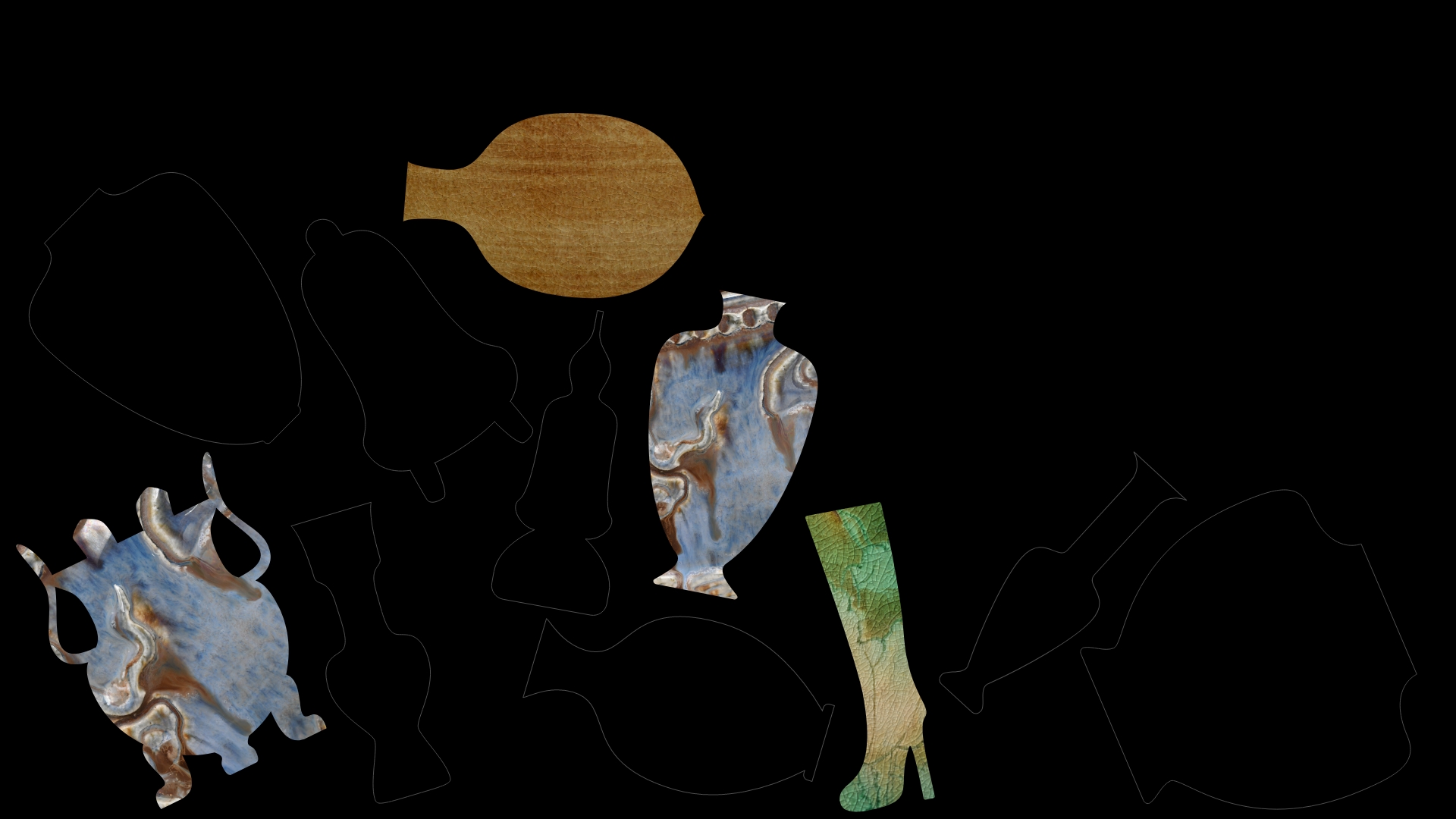
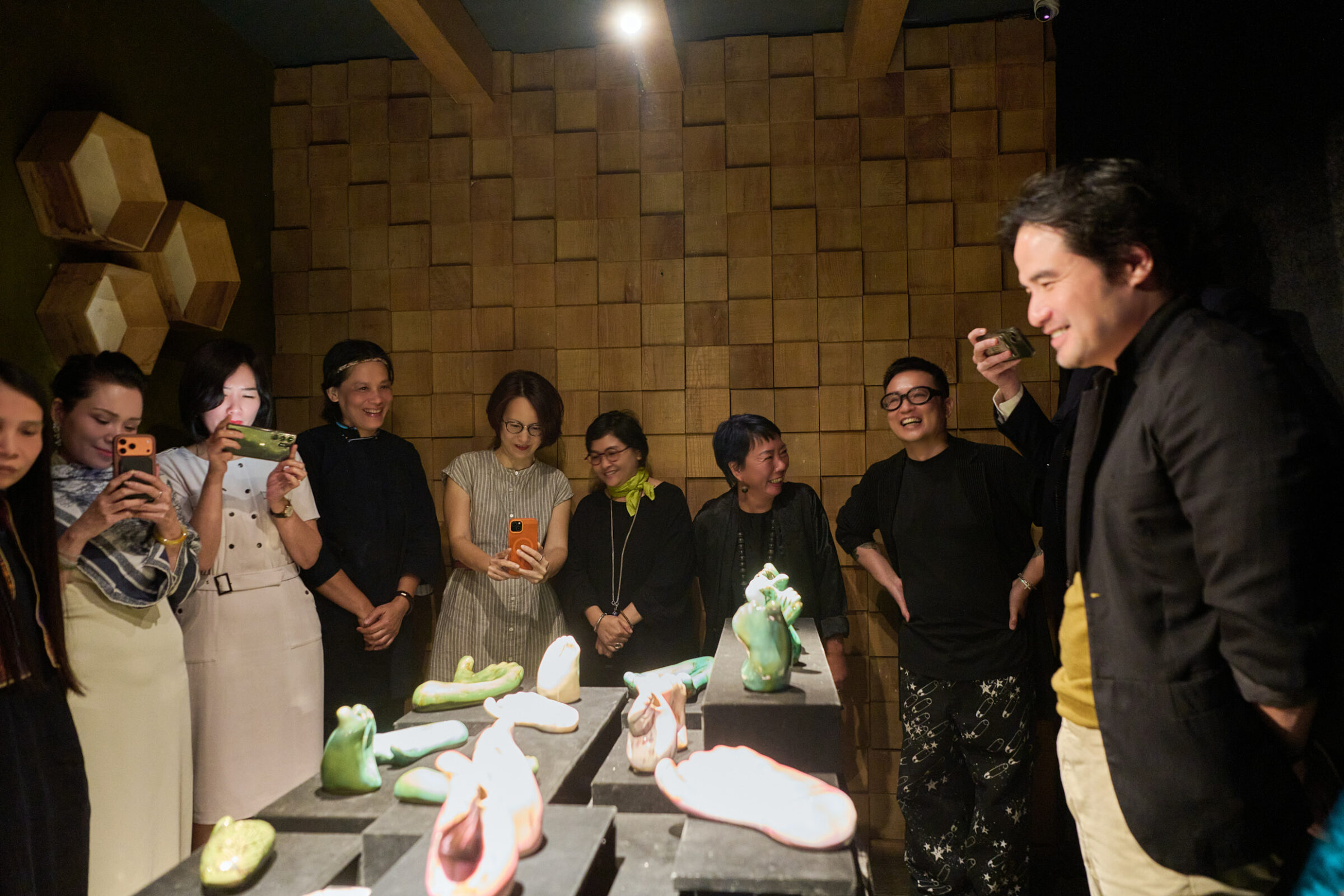
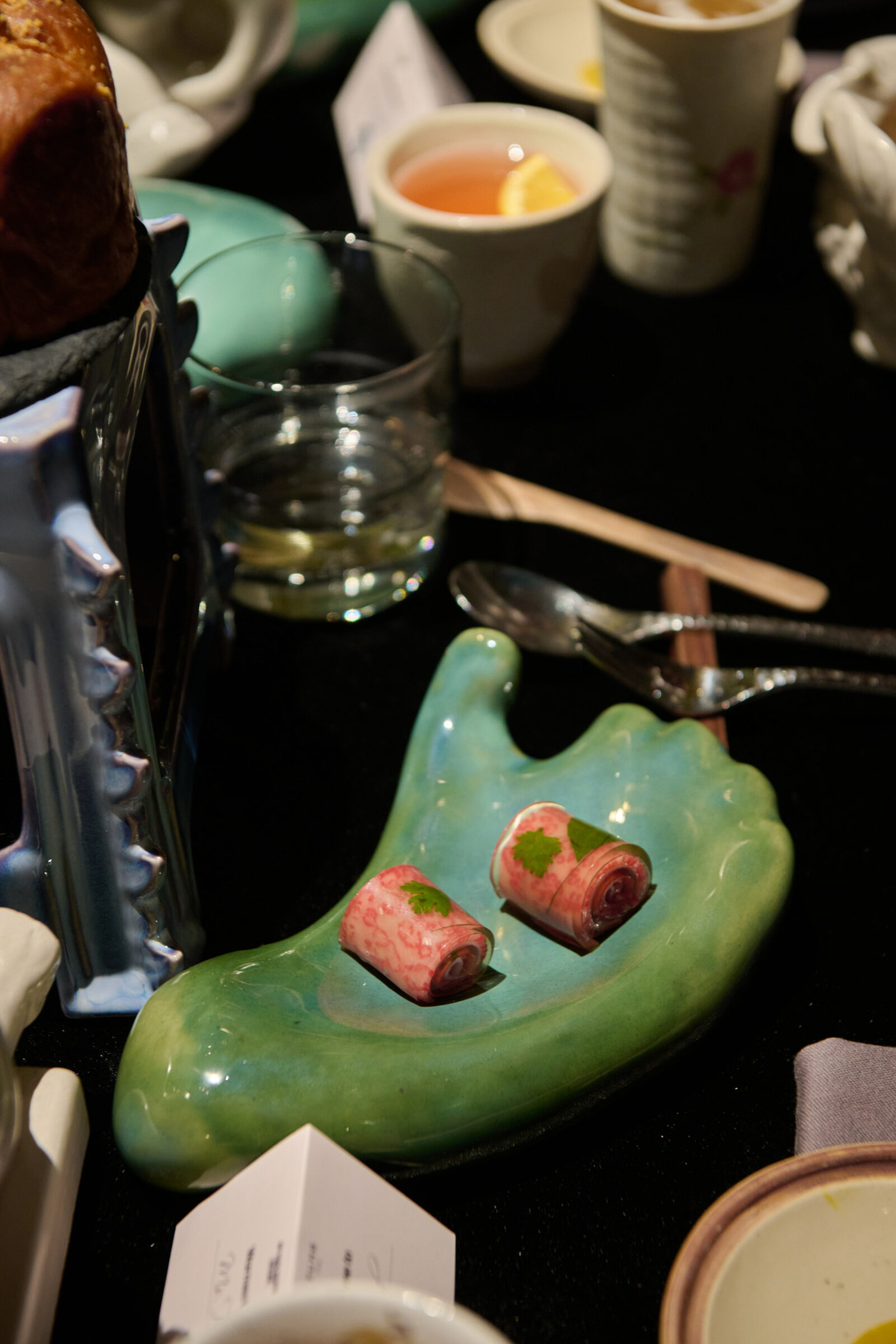
After years spent away from urban life in Hội An, these memories resurfaced and were translated into ceramic form. Through a restrained sculptural language, the foot motif is transformed into functional objects—plates, vases, and incense holders.
Rather than reconstructing a historical narrative, the artist explores how heritage continues to exist in the mind:
“What is lost does not disappear—it transforms. The Giao Chỉ toe, to me, is both a sign that has receded into the past and a presence that endures within contemporary consciousness.”
A Culinary Dialogue Rooted in Heritage
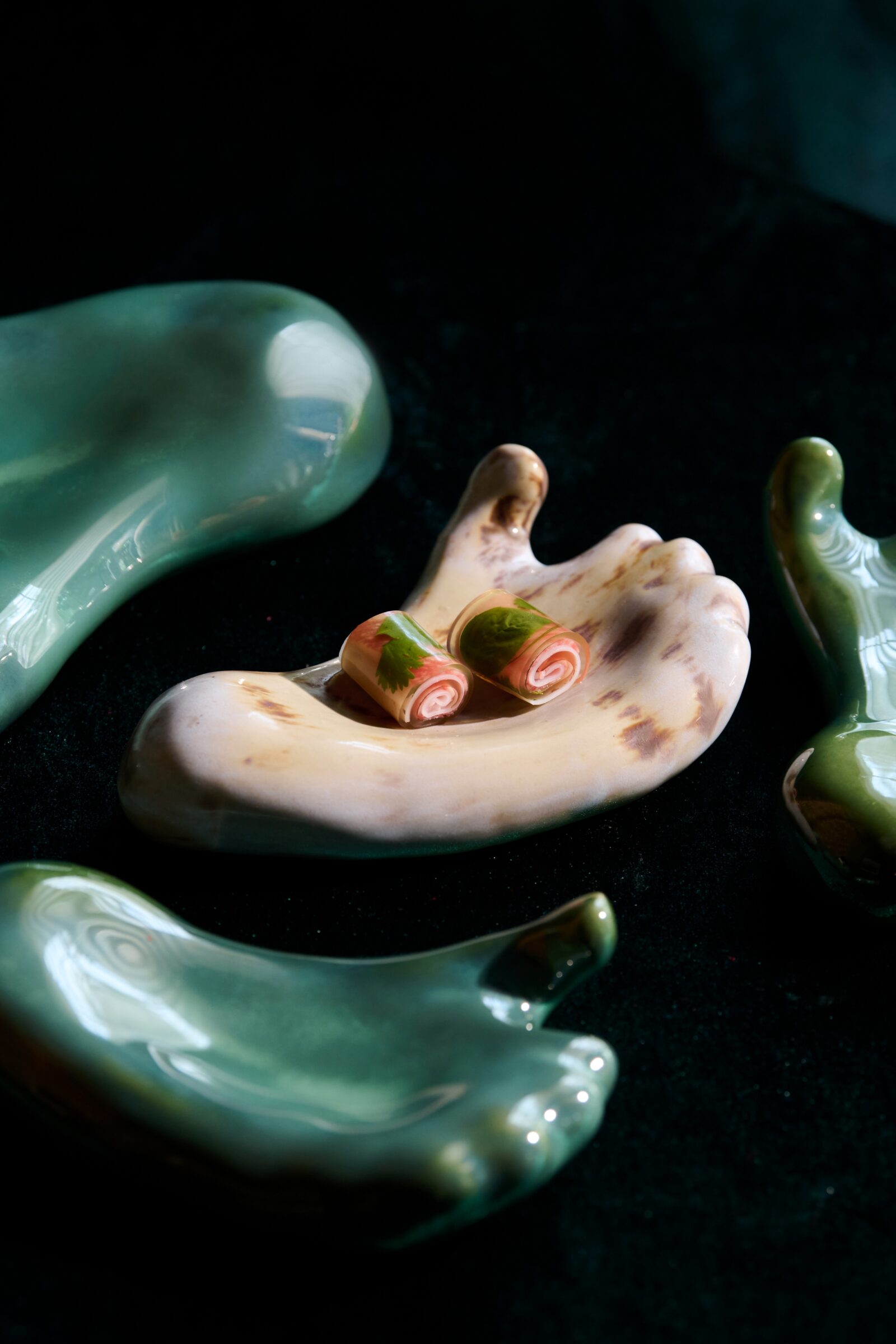
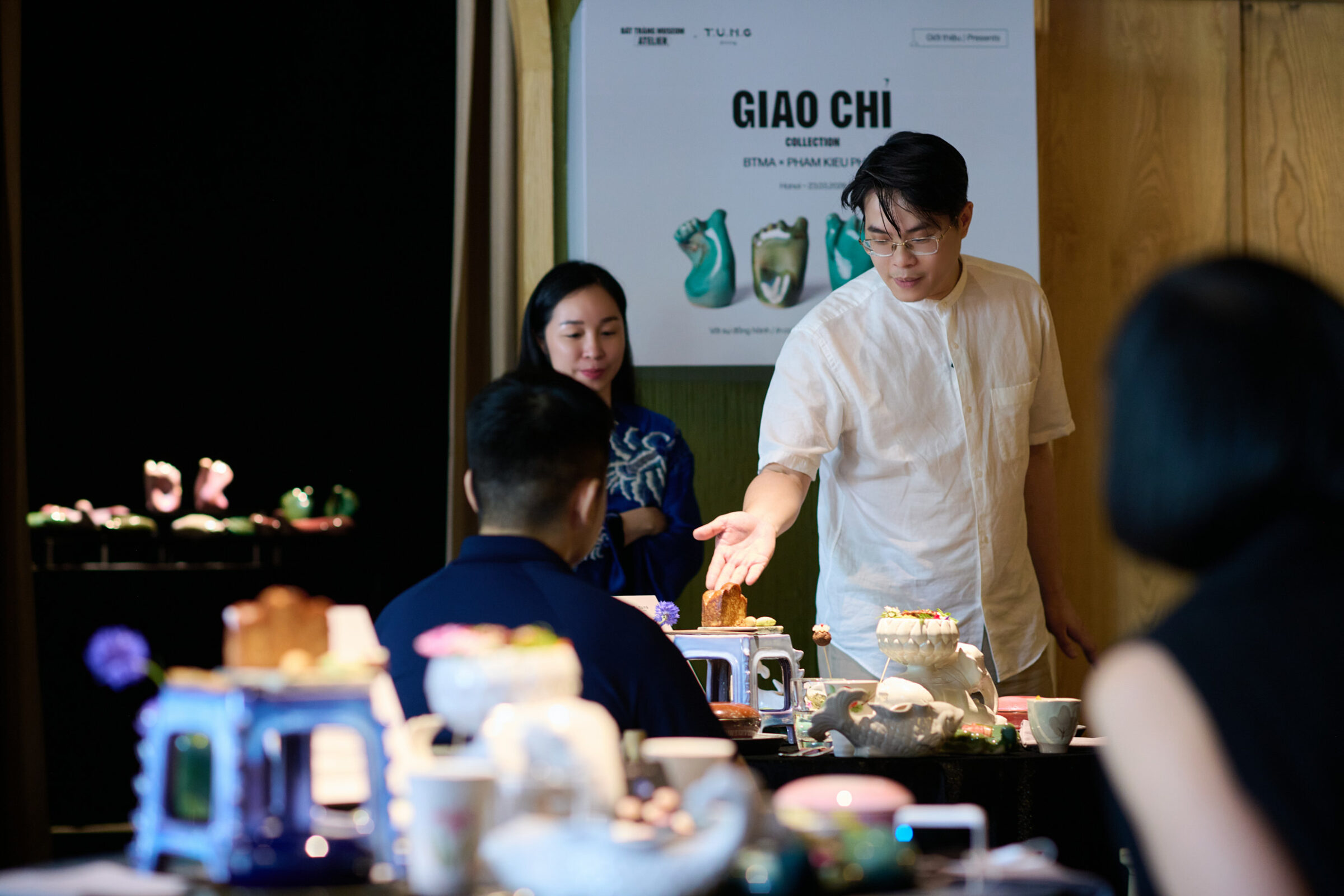
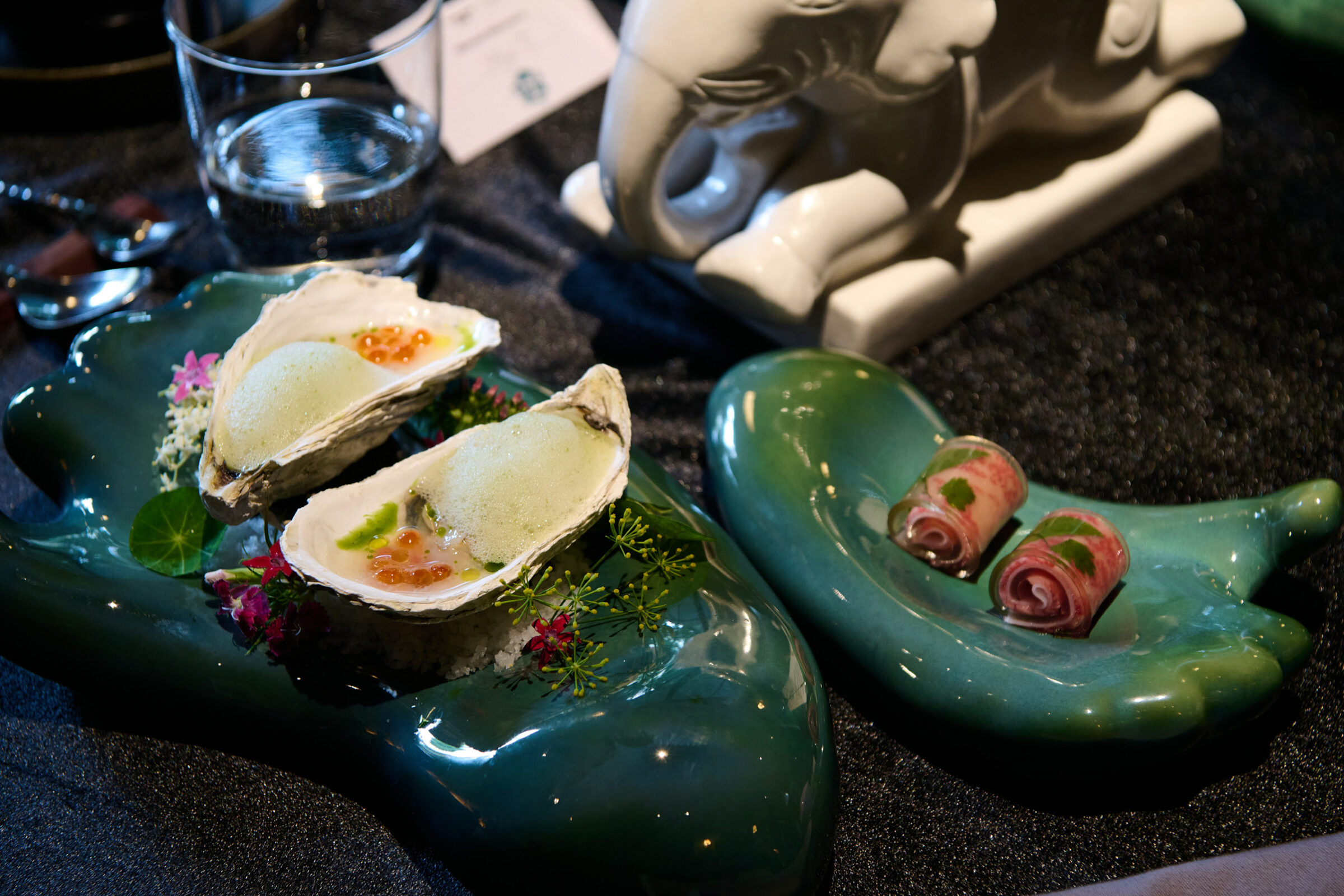
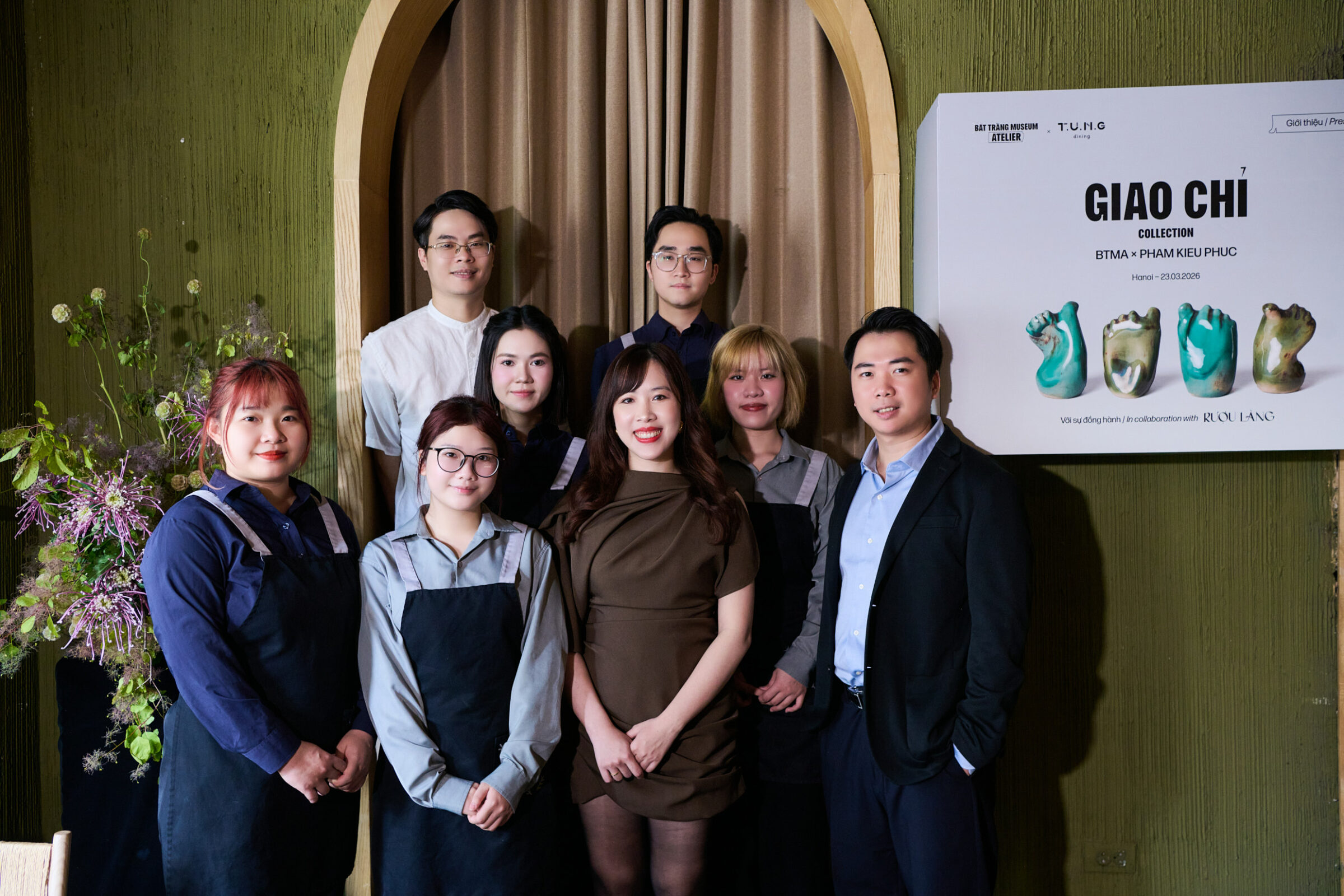
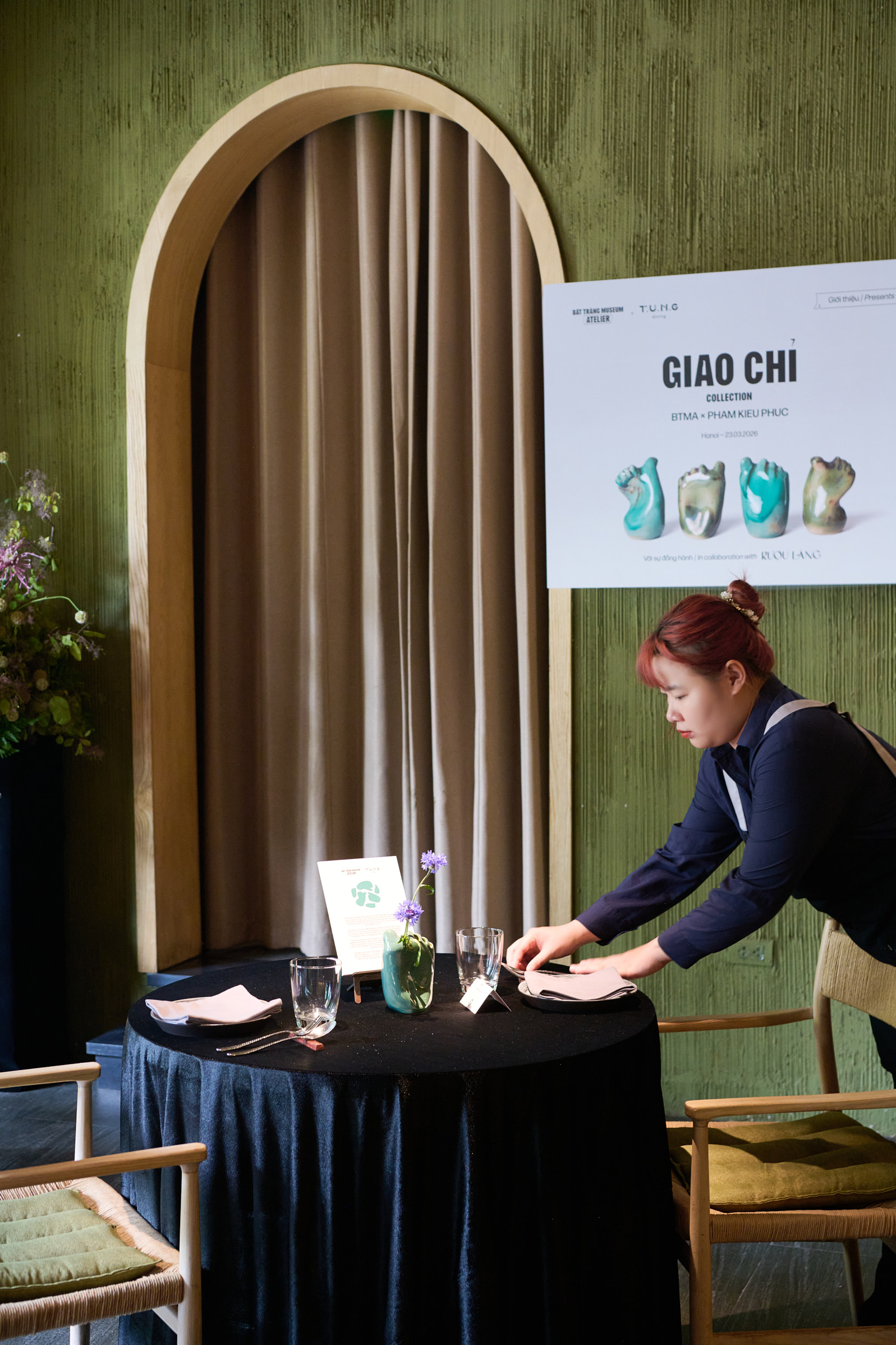
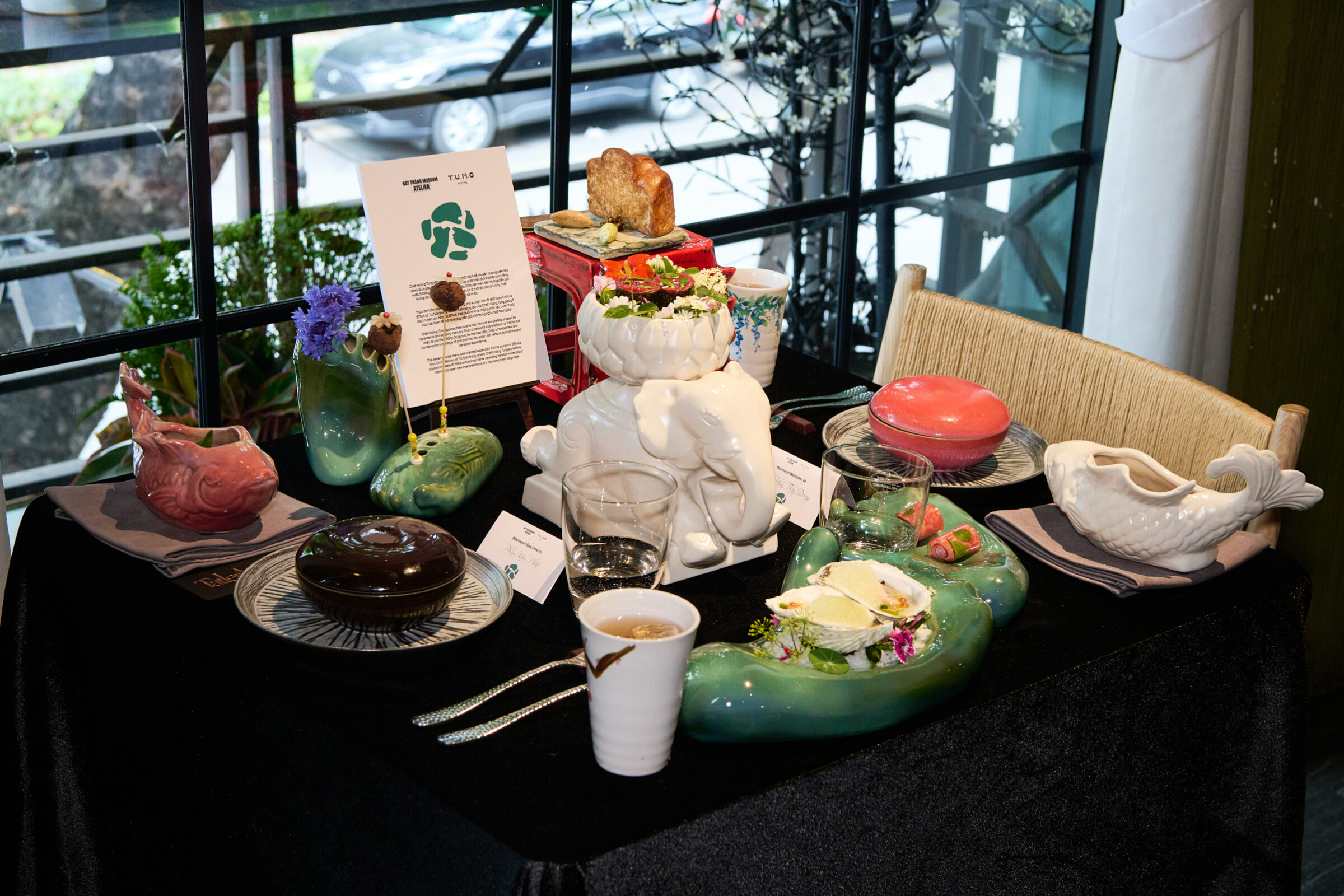
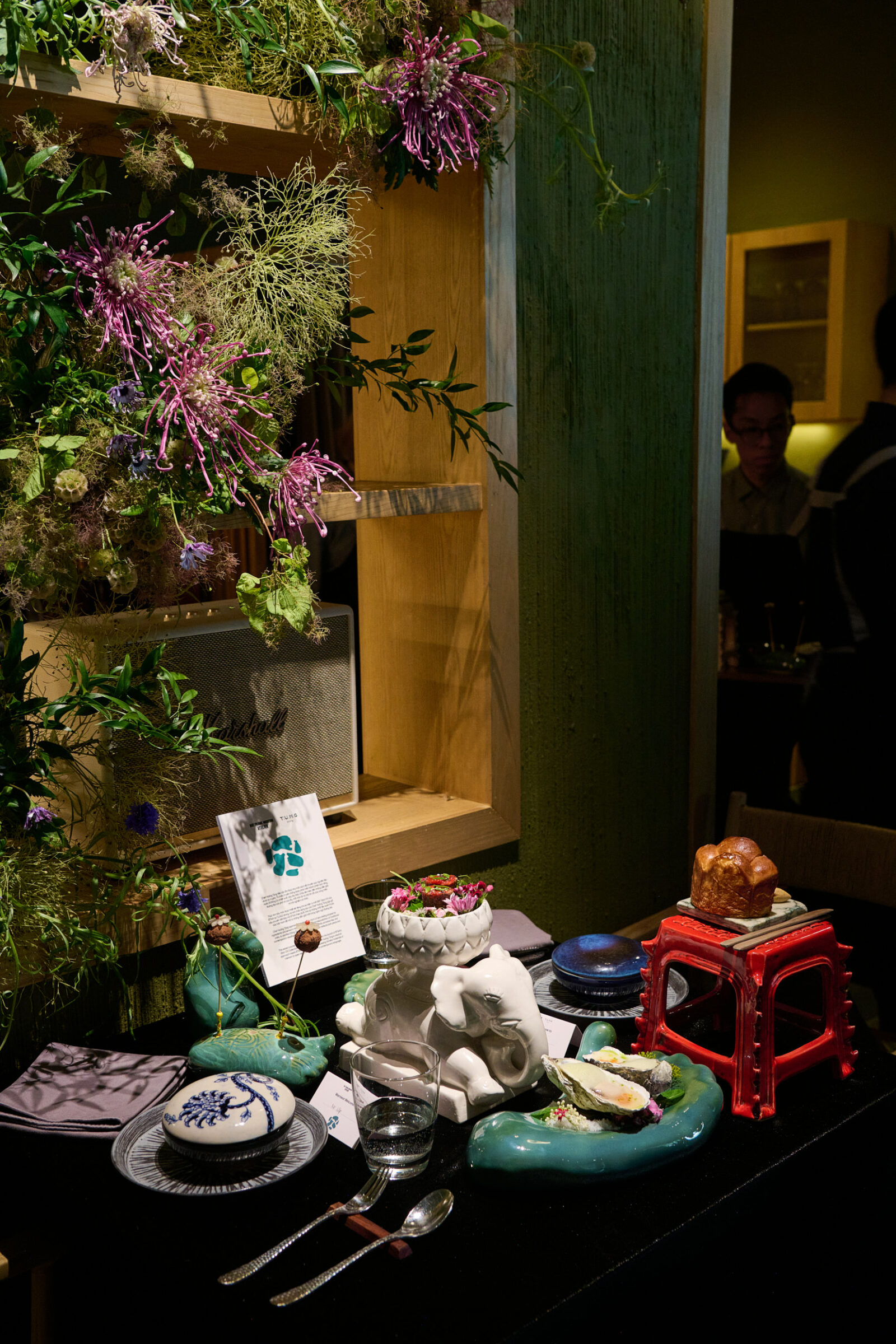
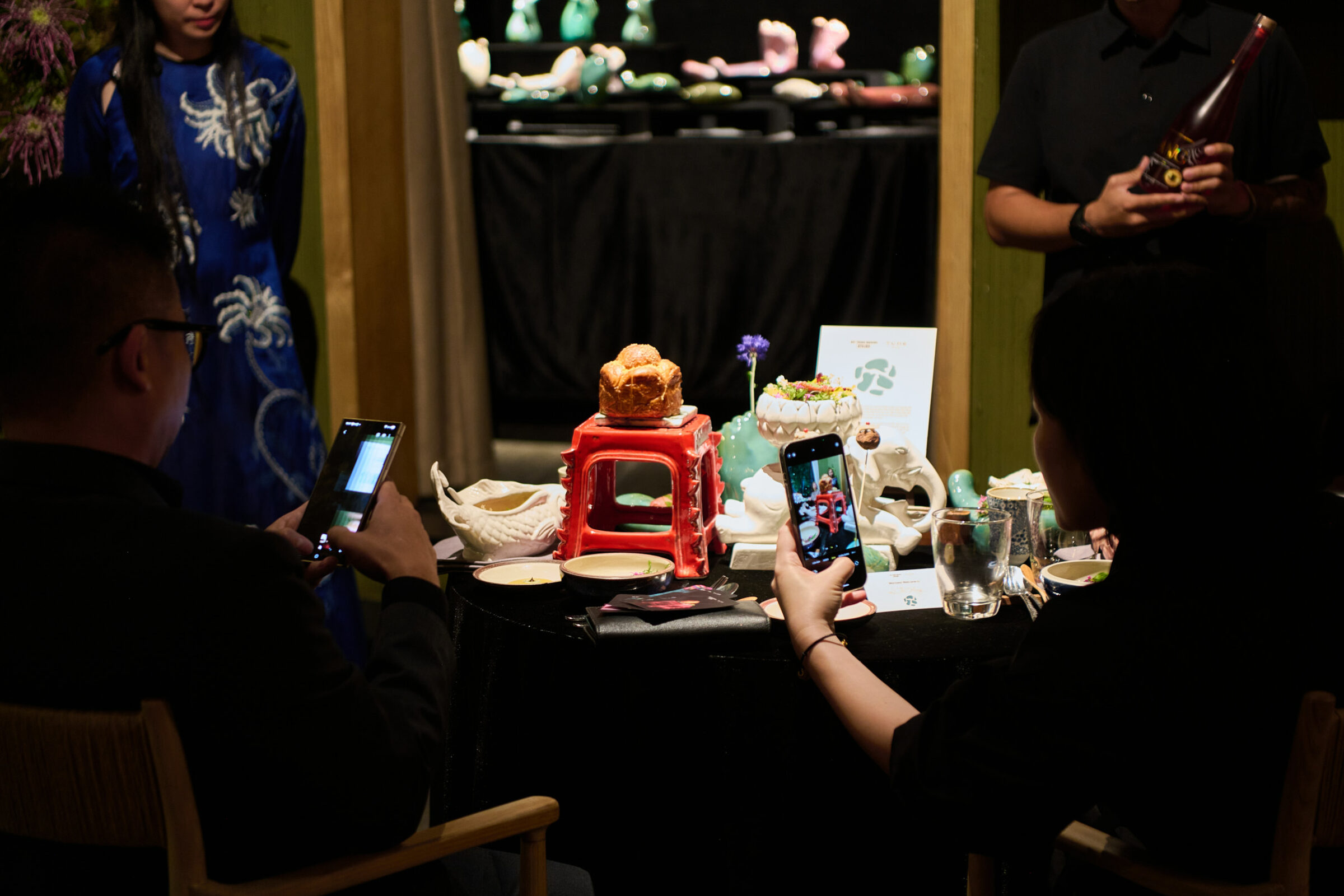
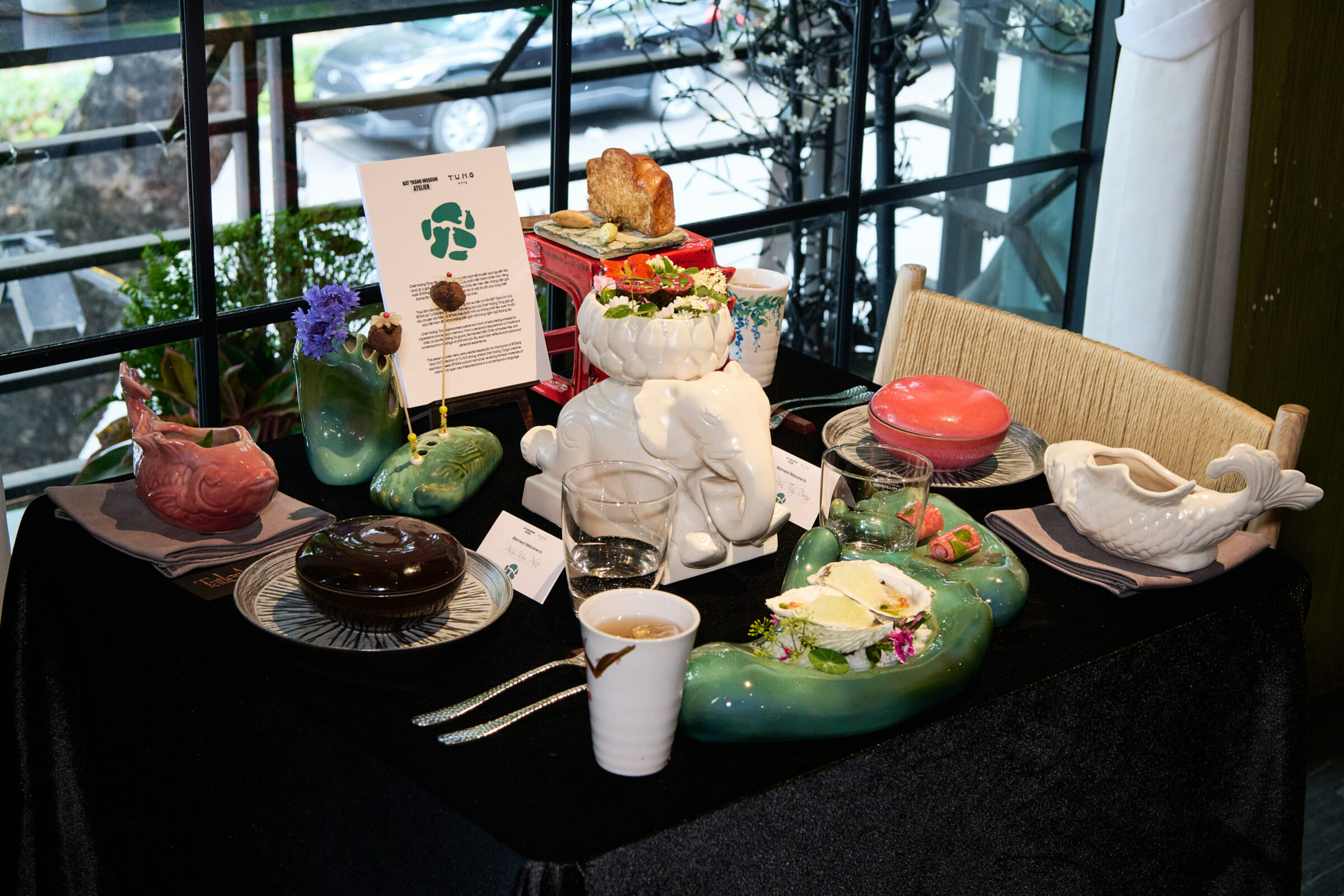
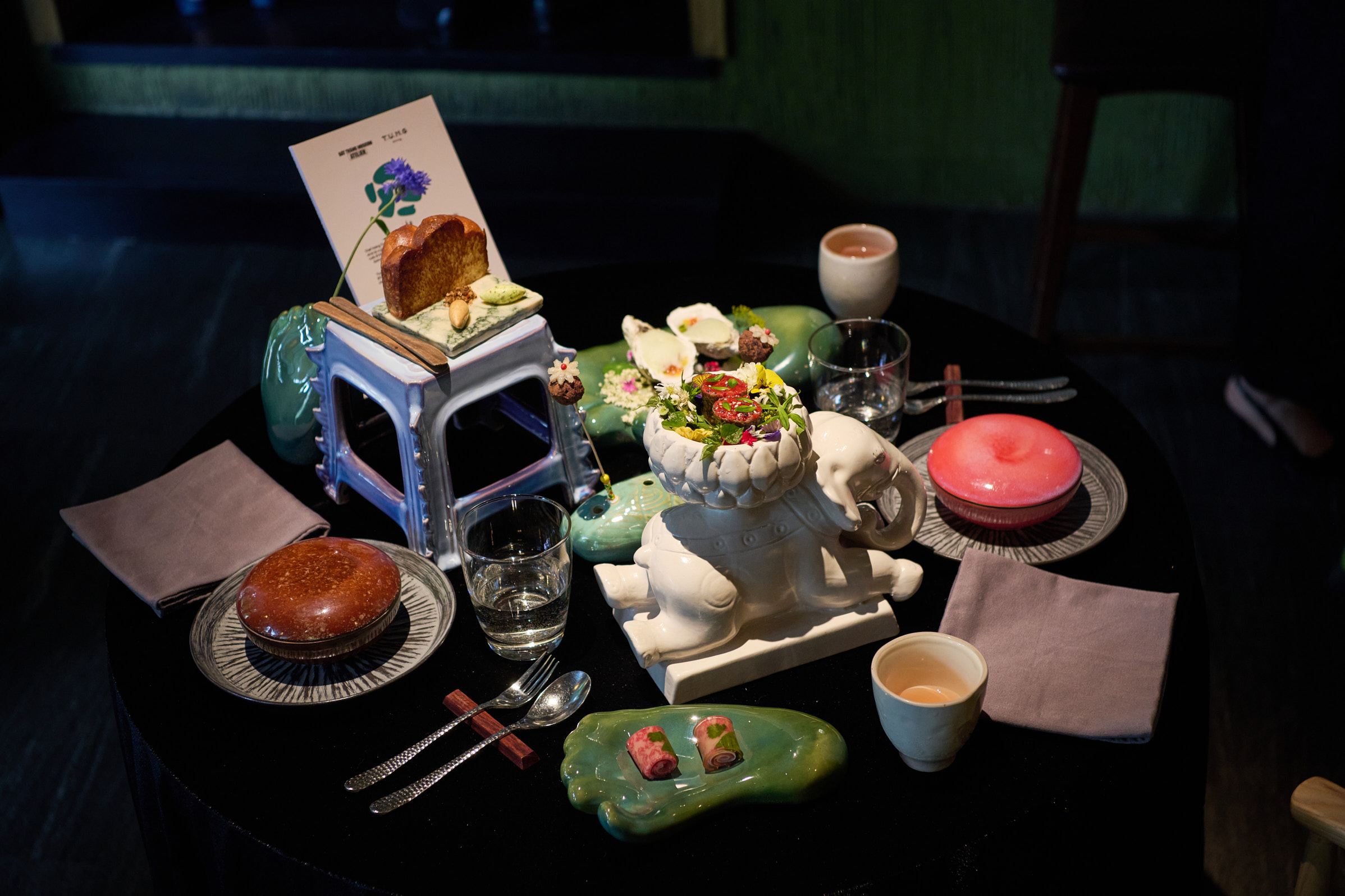
The narrative of Giao Chỉ continues within the setting of T.U.N.G dining, where Chef Hoàng Tùng presents a series of contemporary dishes served on BTMA ceramics.
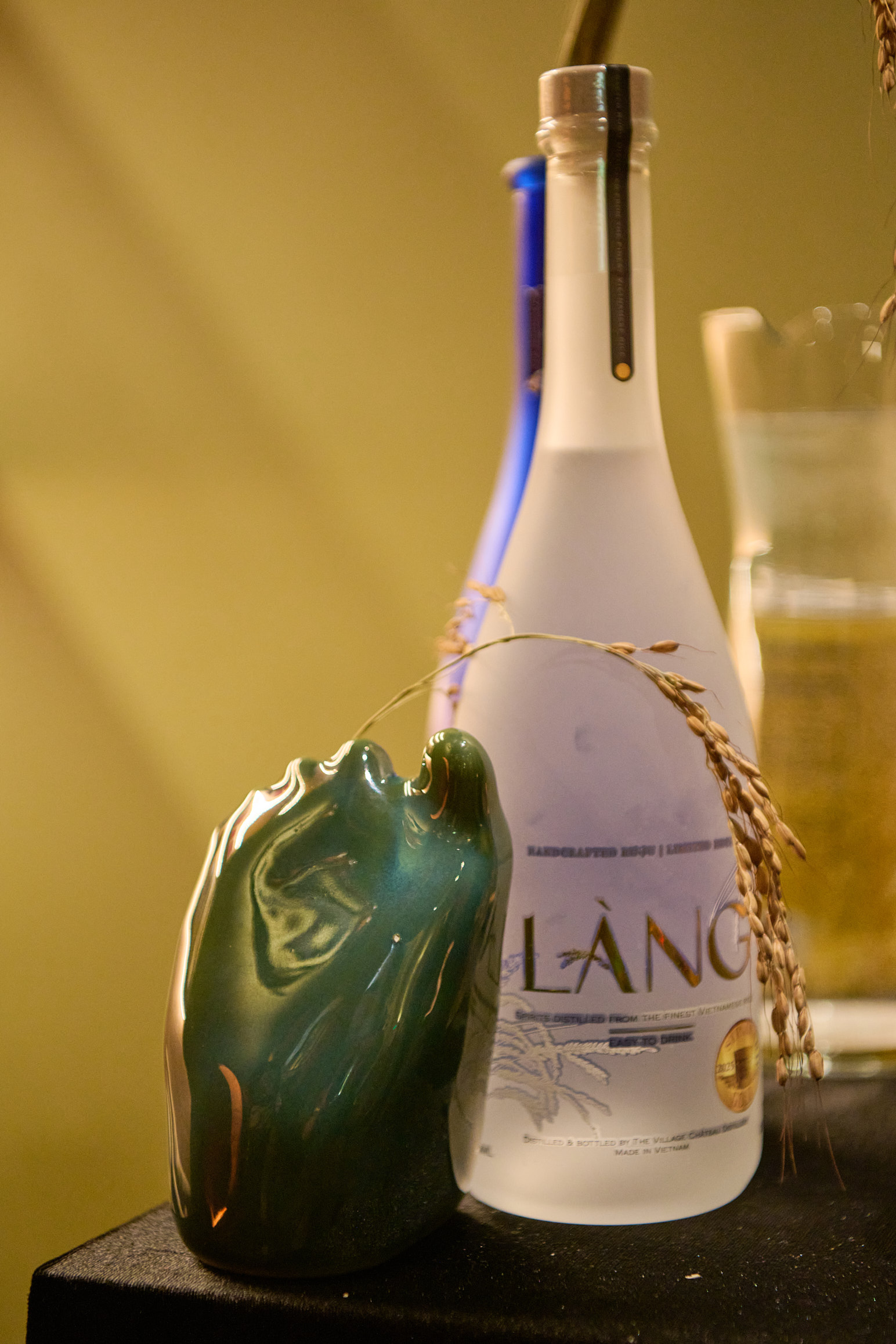
A reinterpretation of traditional phở stands out, with its elements condensed and reassembled into a new form while preserving familiar flavours. The menu highlights local ingredients such as Đông Dư guava, Mộc Châu strawberries, chẩm chéo, and Gia Lai ant salt, alongside drinks incorporating traditional Vietnamese rice spirits from Rượu Làng.
The dining experience also reflects a broader commitment to local craftsmanship. Objects within the space—from reclaimed wood furniture by Củi Lũ (Hội An) to lacquerware coasters from Hạ Thái and utensils made from repurposed war materials—carry their own narratives, contributing to a layered cultural setting.
Chef Hoàng Tùng notes a shared approach between BTMA and T.U.N.G dining: a return to core cultural values as a foundation for contemporary interpretation.
An Interdisciplinary Approach
The launch of the Giao Chỉ collection adopts an interdisciplinary framework, where ceramics, cuisine, and design intersect to reinterpret traditional values within a contemporary context.