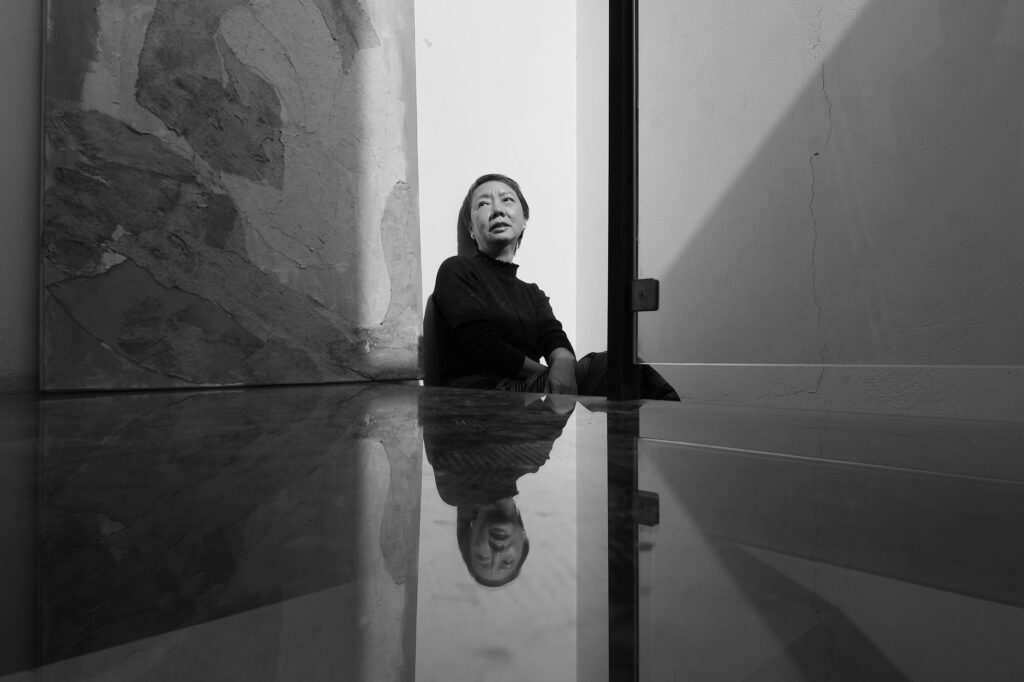
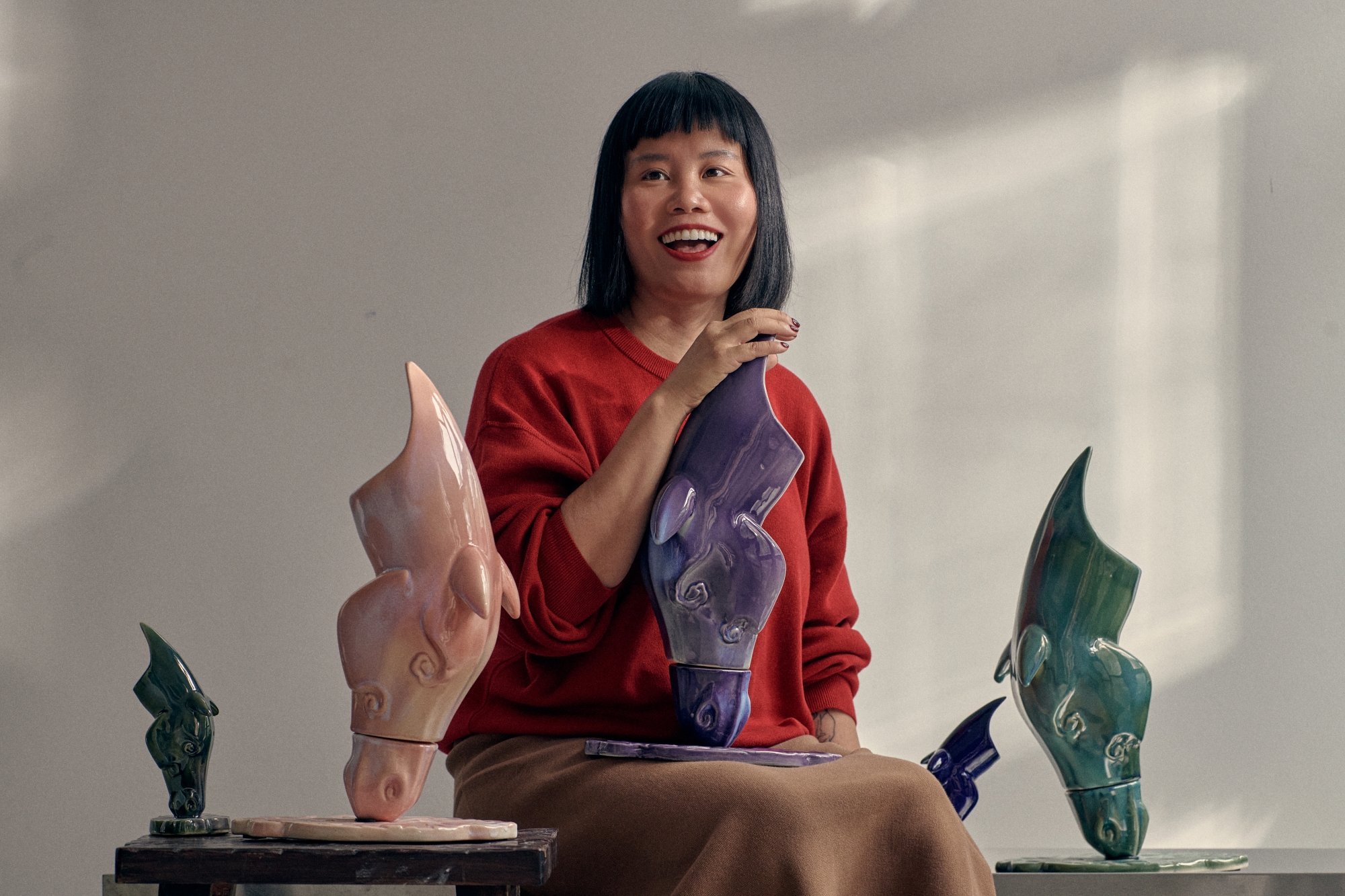
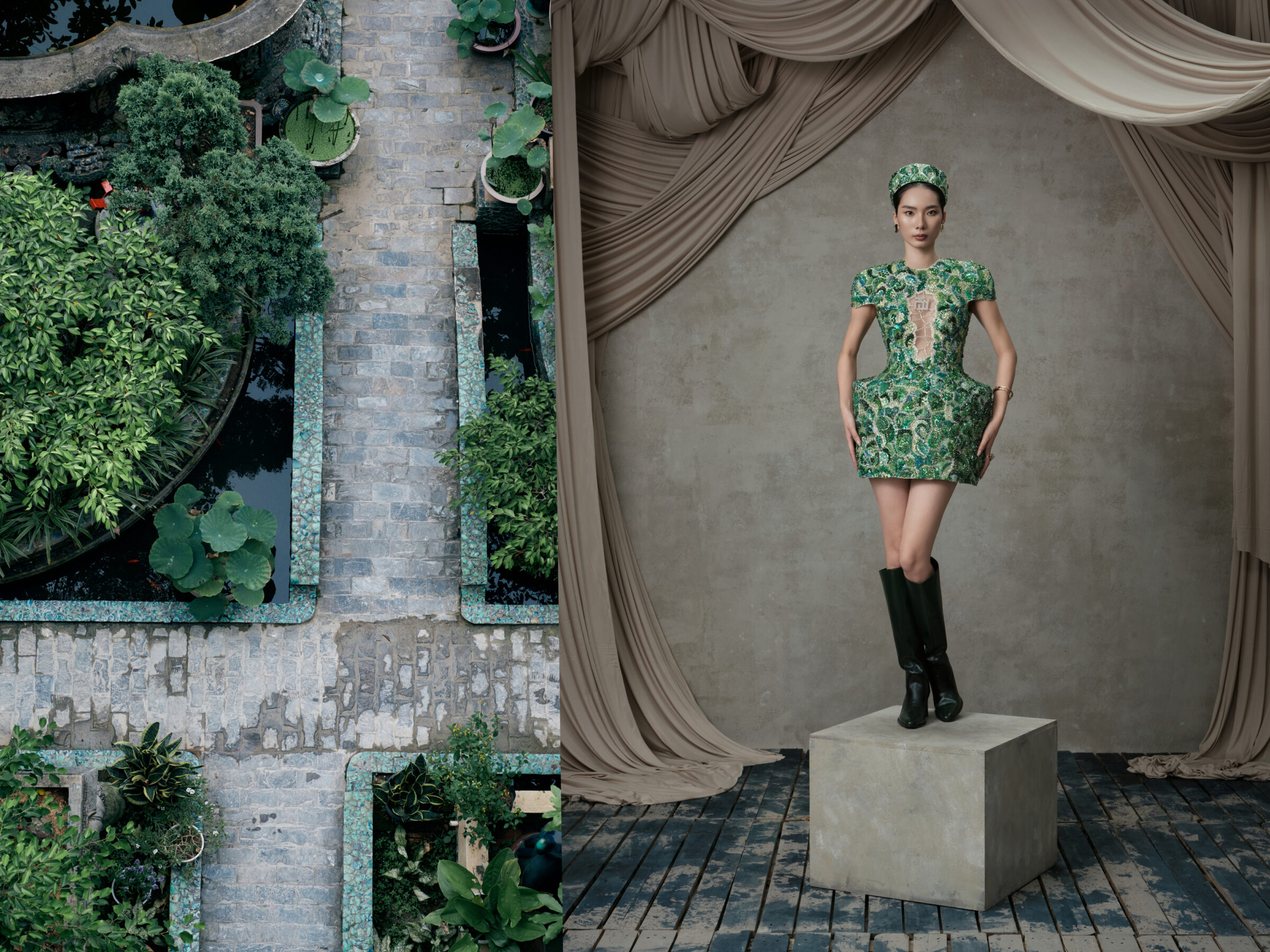
The collaboration between artist Phạm Kiều Phúc and Bát Tràng Museum Atelier (BTMA) offers a contemporary approach to cultural traces of origin, where memory is transformed into singular artistic forms.


A Cultural Trace of the Ancient Vietnamese
For generations, various narratives surrounding the physical traits of early Vietnamese people have been passed down through oral tradition. Among them is the notion of the “Giao Chỉ toe,” a distinctive outward-turning big toe believed to signify ancestral lineage.
Over time, the term “Giao Chỉ” has also been interpreted as “intertwined toes,” yet it continues to evoke enduring associations with identity and cultural origin. This distinctive image of the foot appears not only in folklore, but also in literature and poetry as a means of preserving collective memory—much like customs such as betel chewing or teeth blackening, once integral to Vietnamese cultural identity.
While archaeology has not established definitive evidence of this physical trait in the historical Giao Chỉ region, it has nonetheless persisted as a symbolic marker of cultural identity within collective memory.
From Formlessness to Transformation
For artist Phạm Kiều Phúc, the collection does not aim to reconstruct a physical form, but to evoke a different state of existence:
“Over time, the Giao Chỉ toe has come to be seen as a lost marker. Yet what is lost does not disappear—it transforms. Things come into being when conditions align, and when those conditions fade, they take on another form, another state, or remain unseen. To me, the Giao Chỉ toe is both a sign that has receded into the past and a presence that endures within the consciousness of contemporary Vietnamese.”
After years of stepping away from the pace of urban life to seek stillness in Hội An, early memories of origin resurfaced through her encounter with the material and cultural lineage of BTMA—becoming the starting point for a contemplative artistic practice.
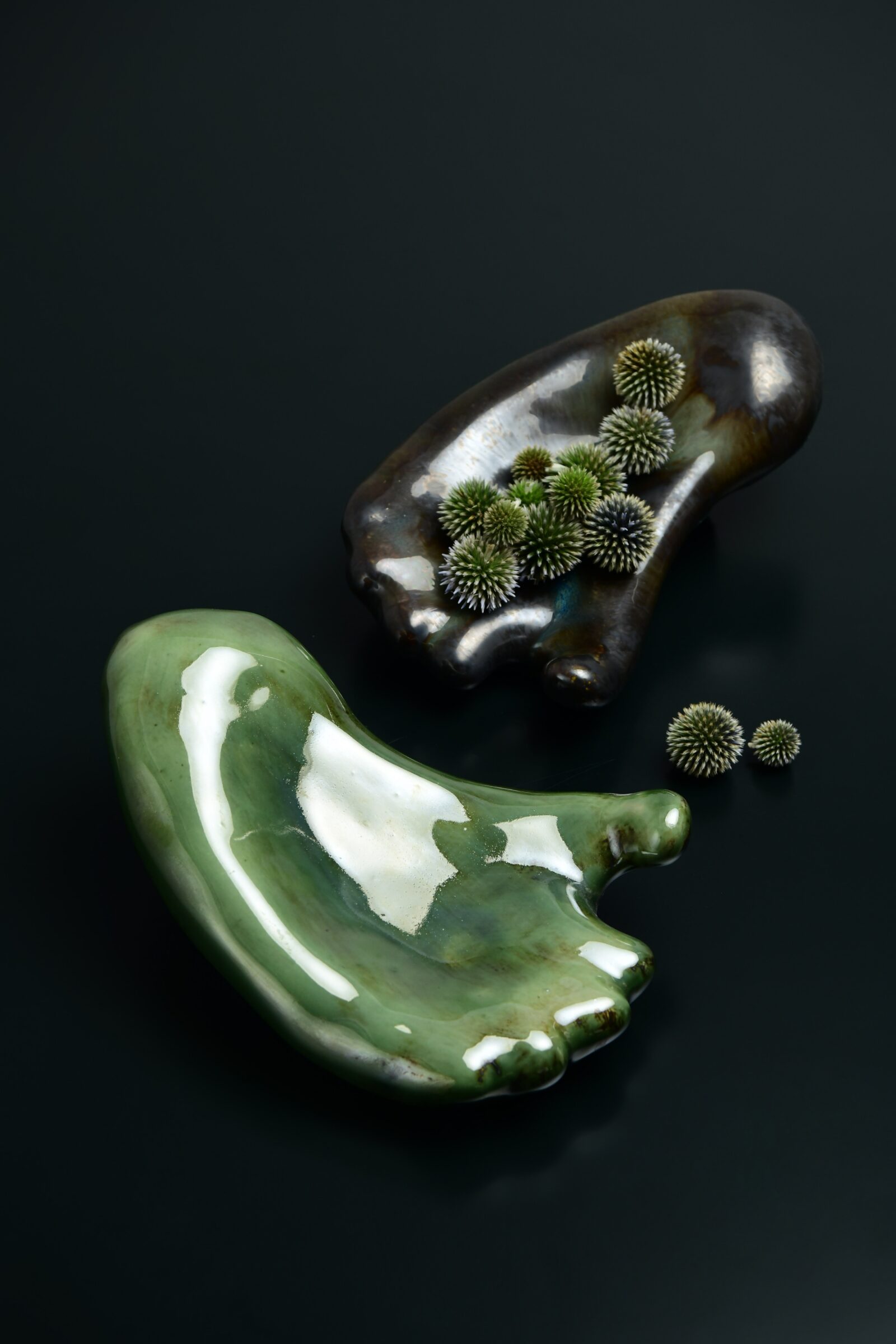
Primitive Art and Ceramic Expression
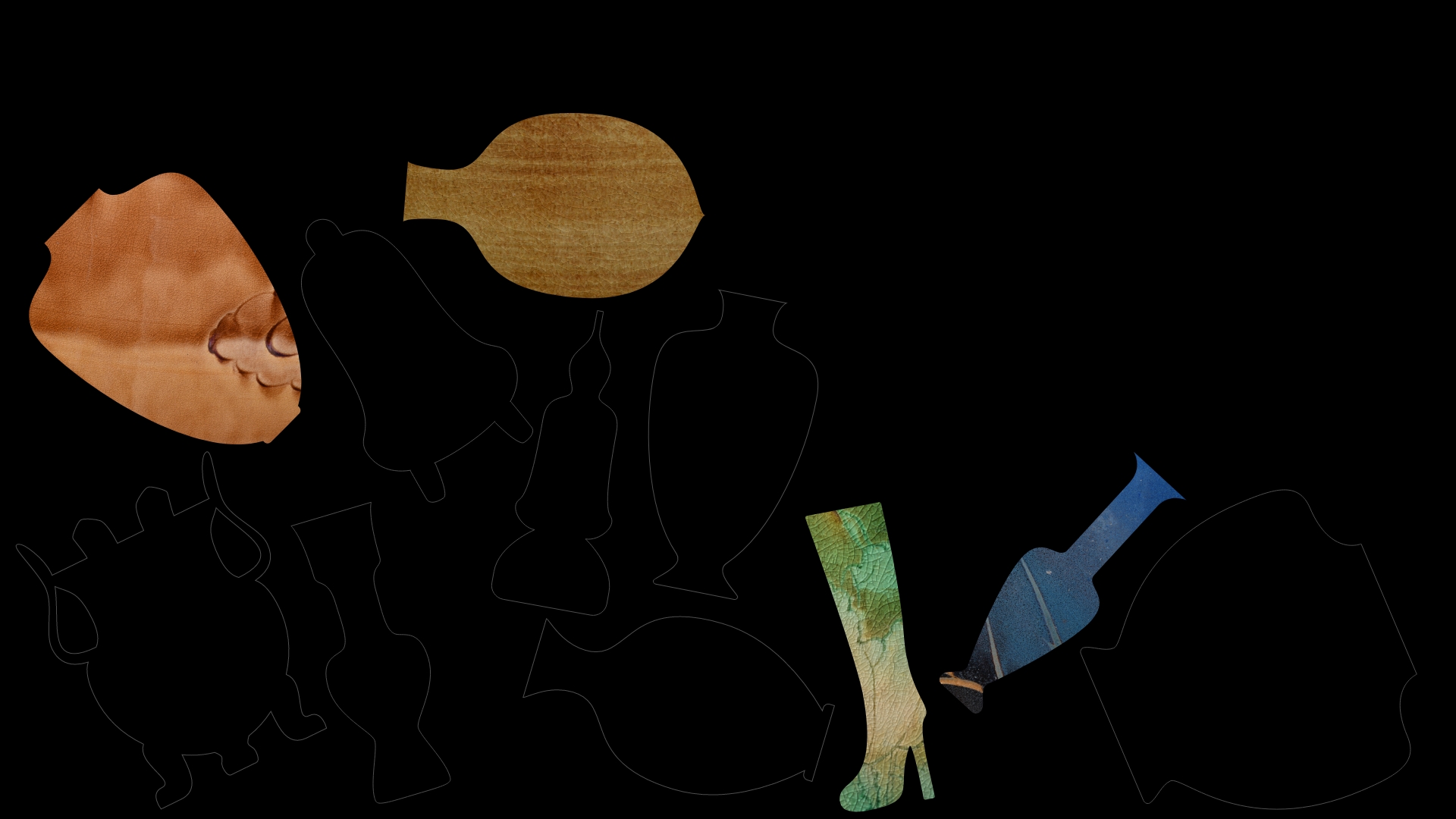
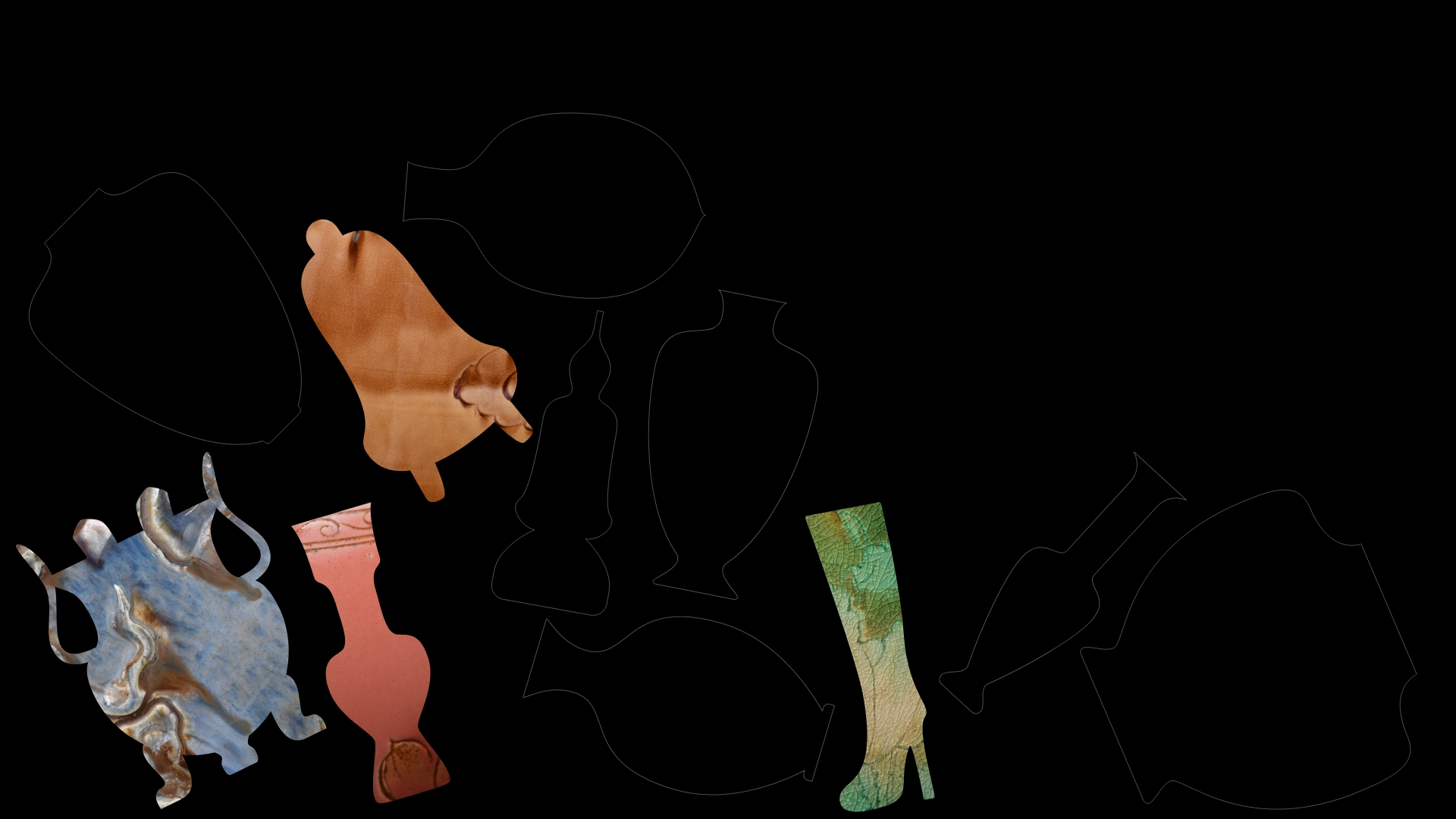
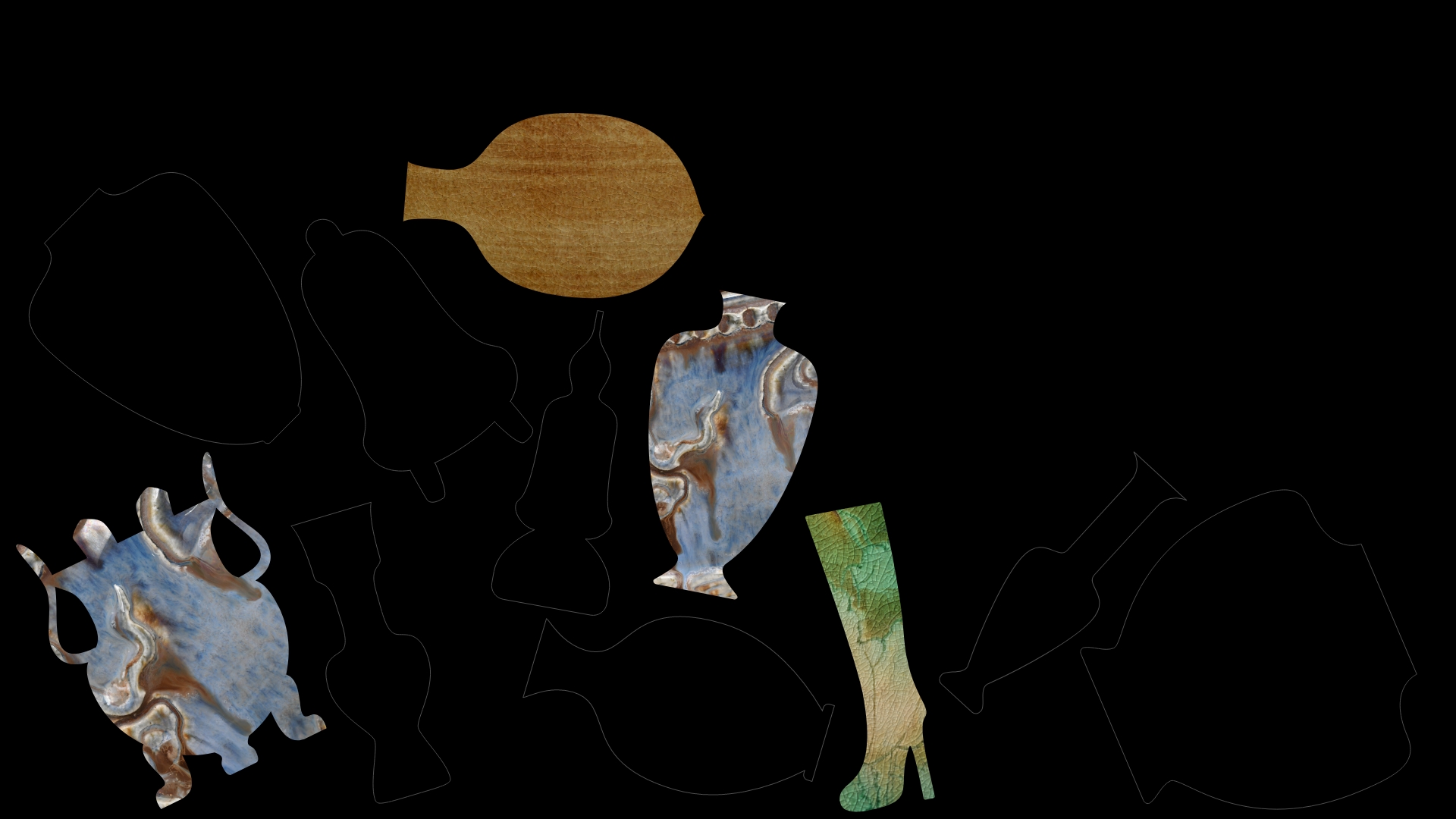
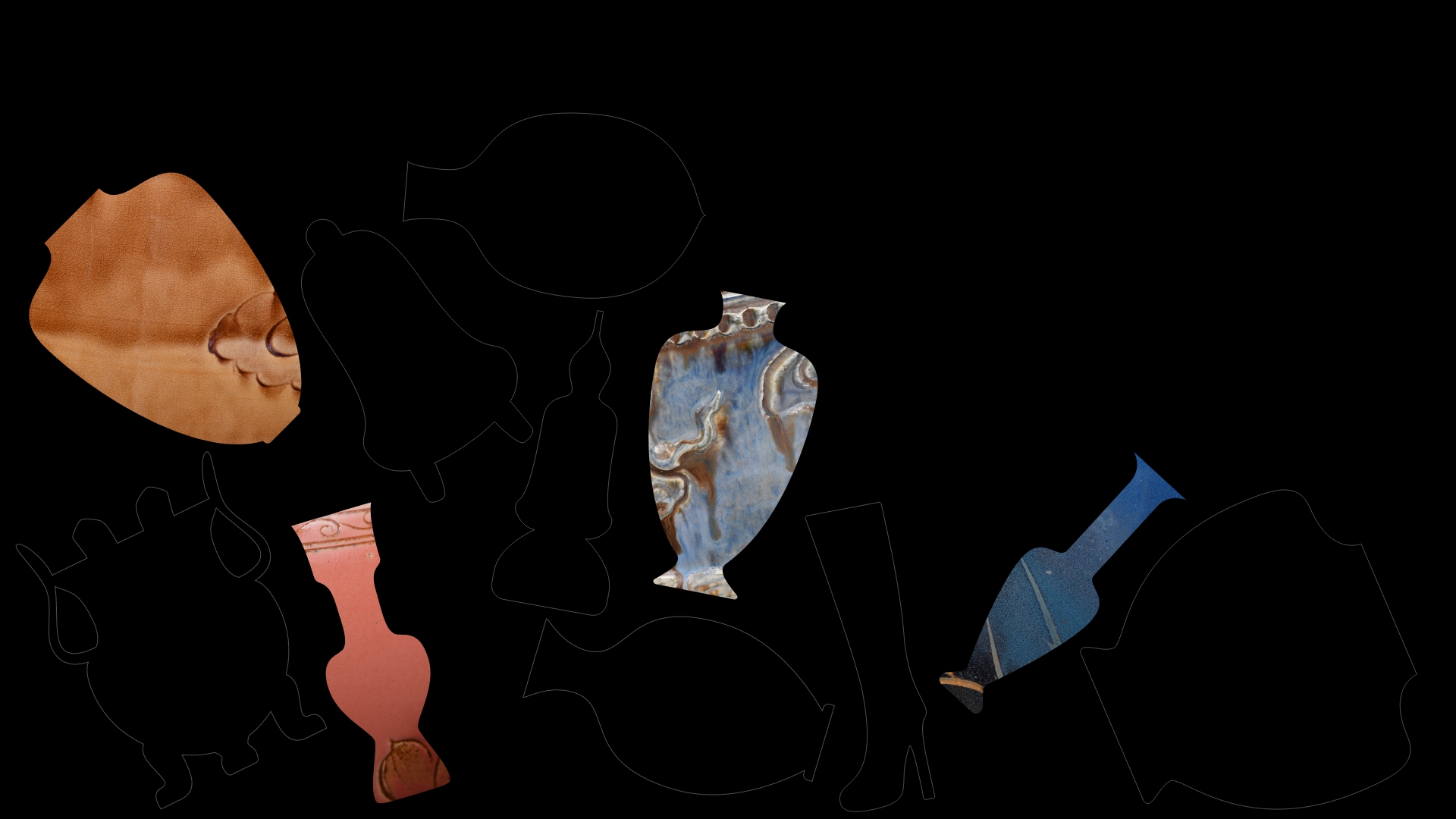
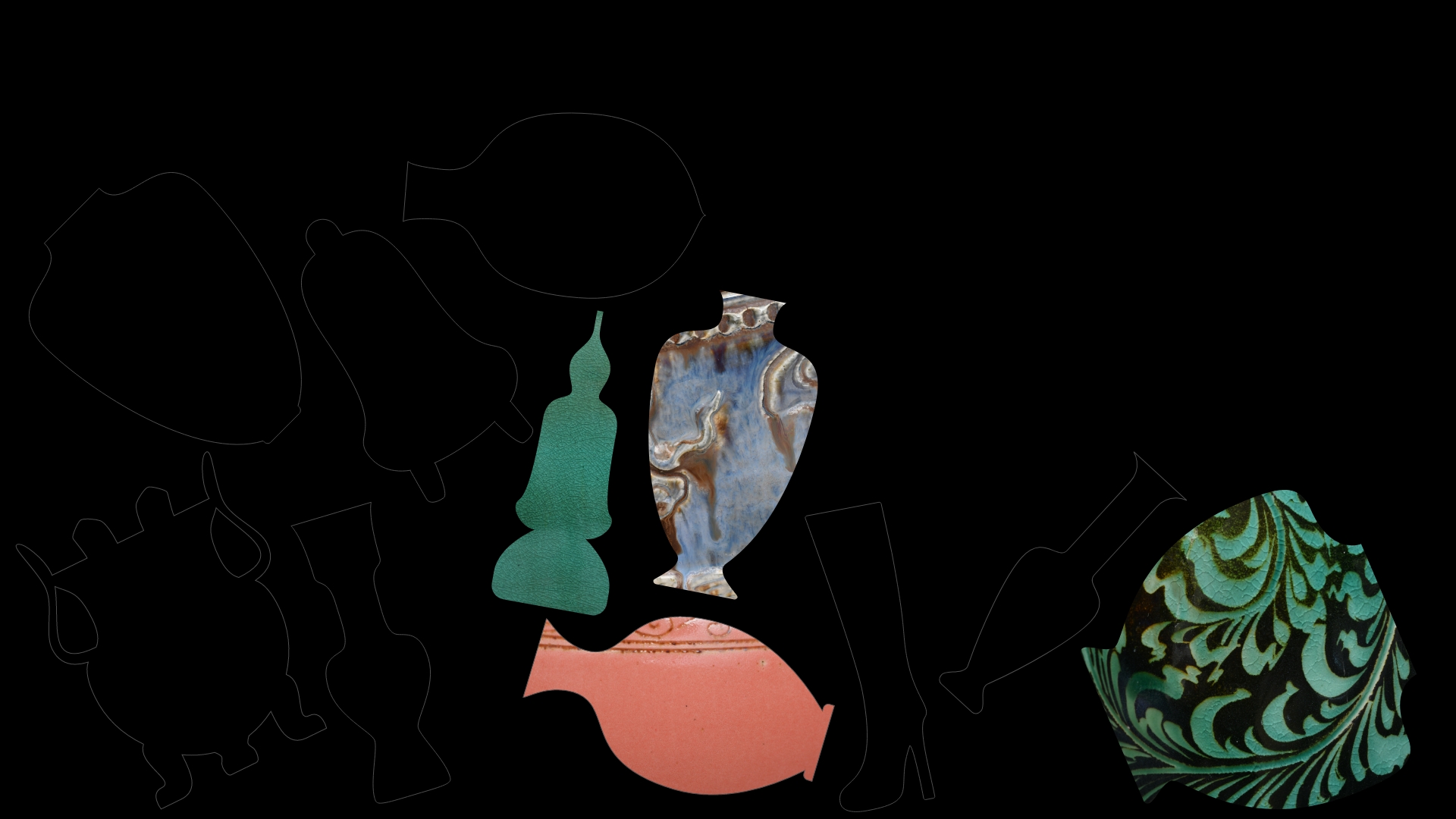
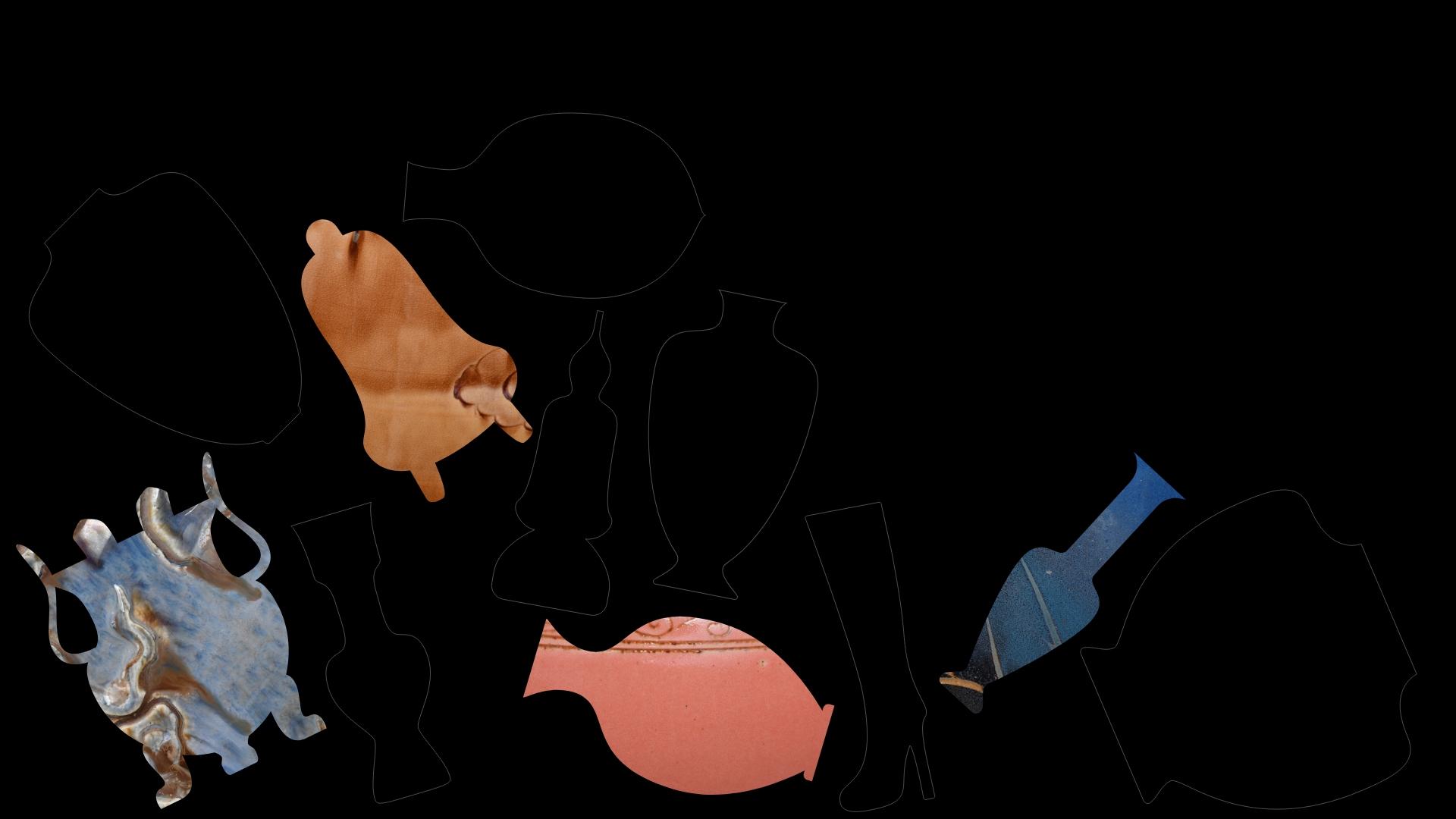
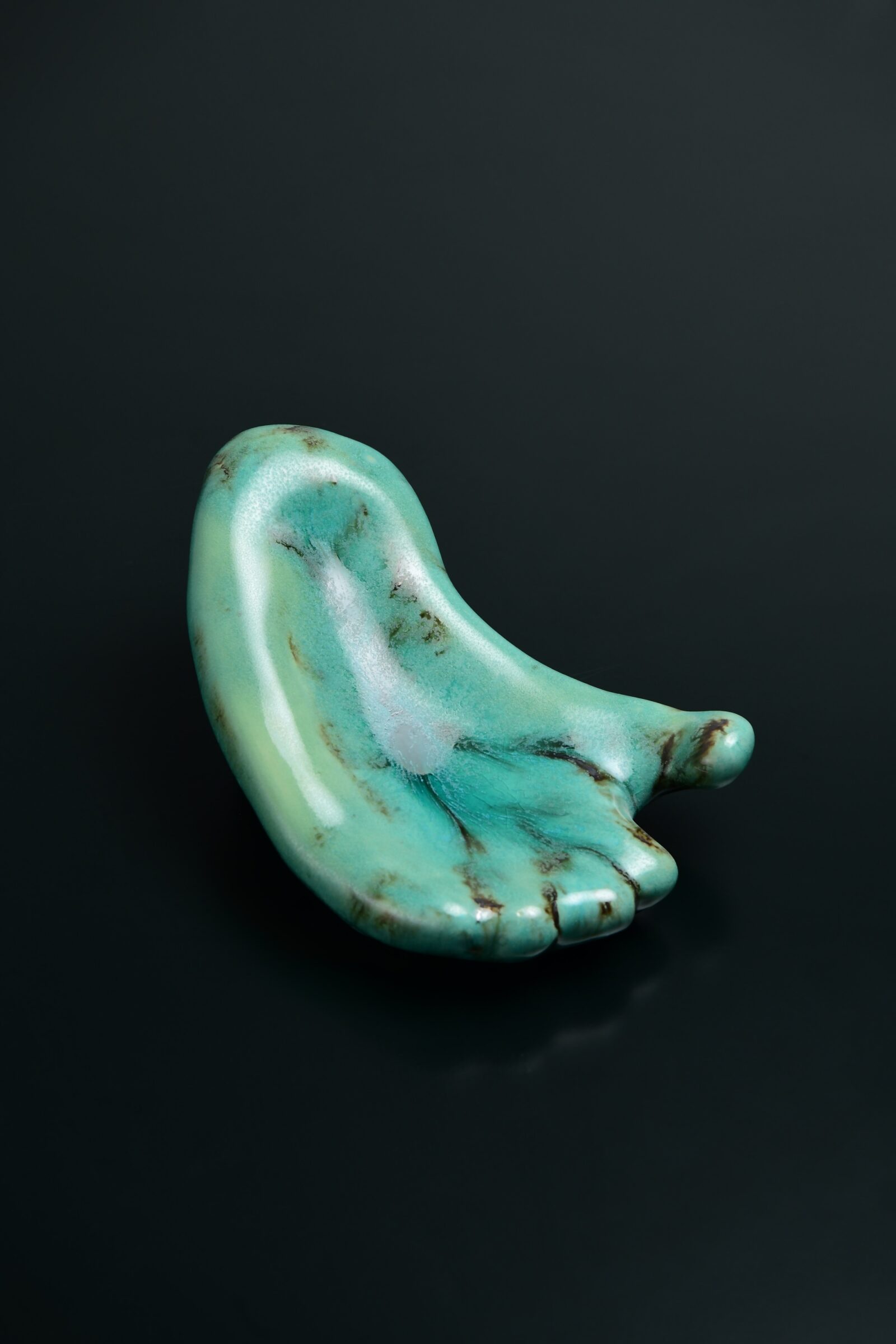
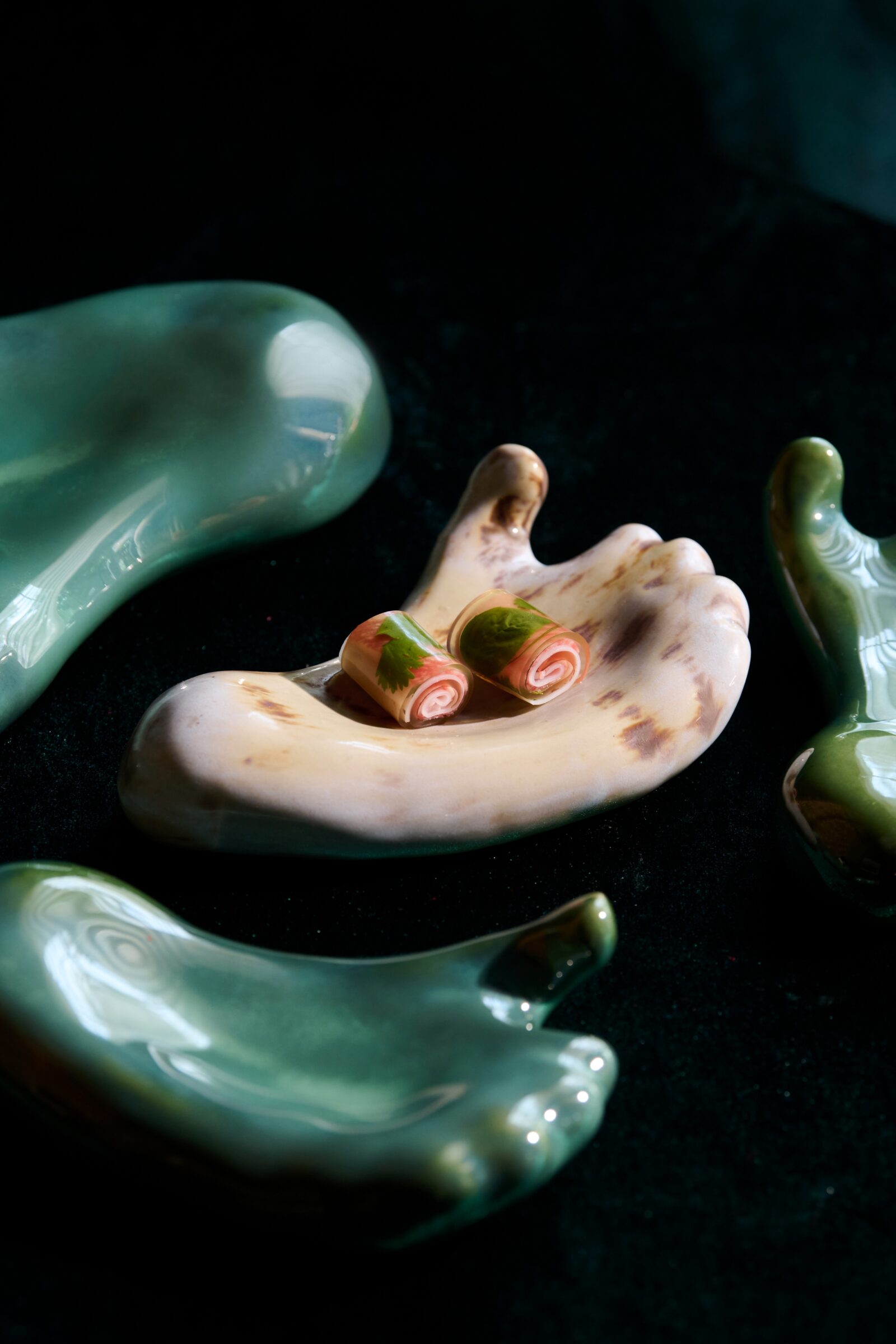
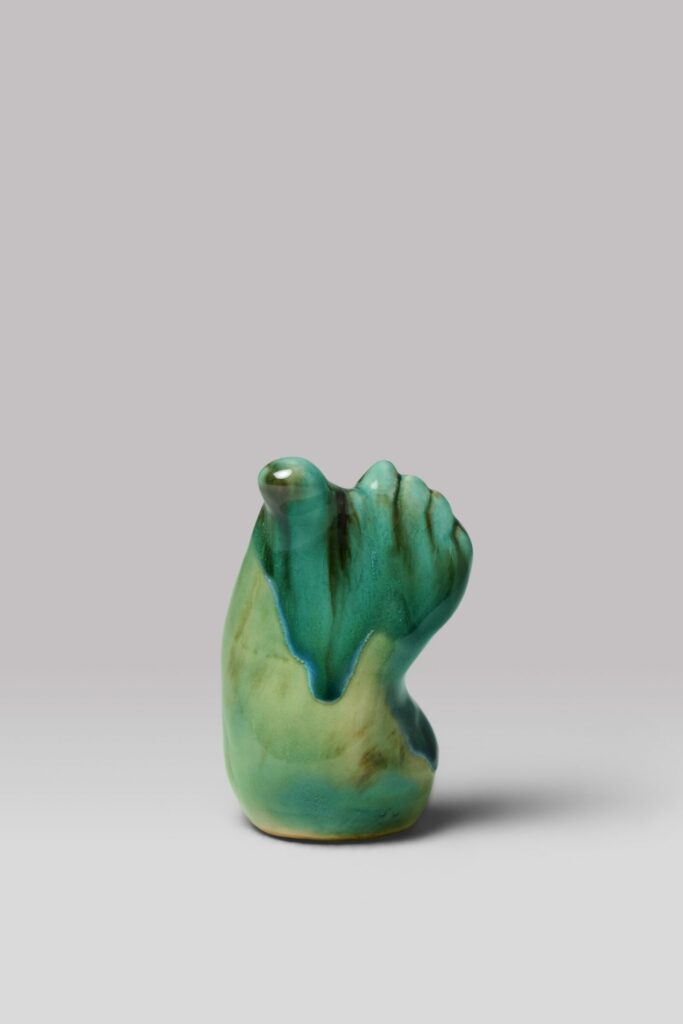
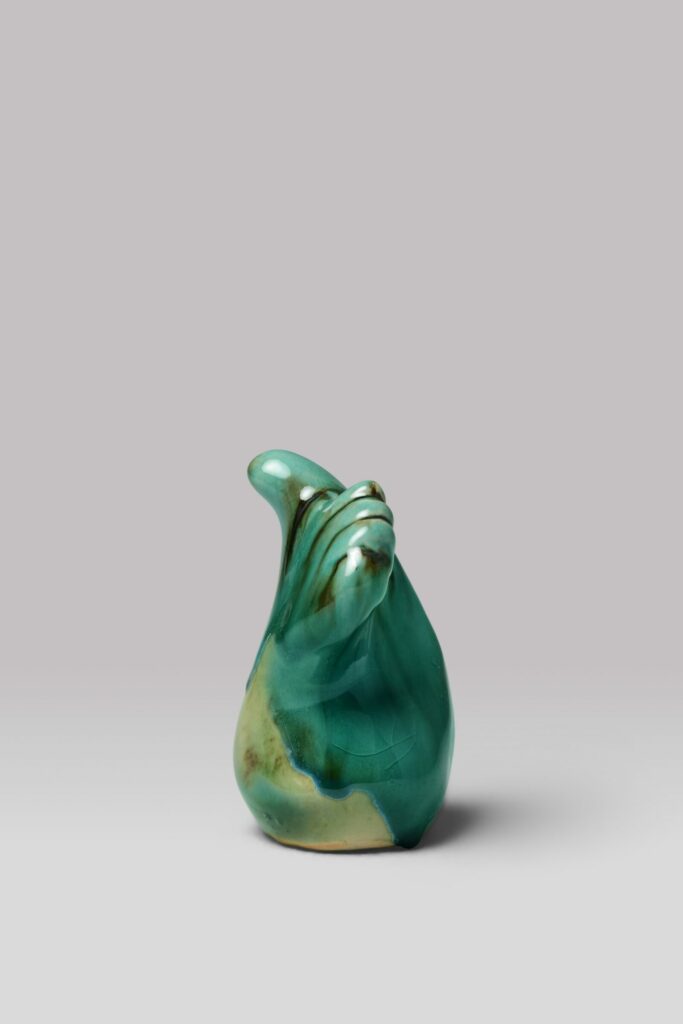
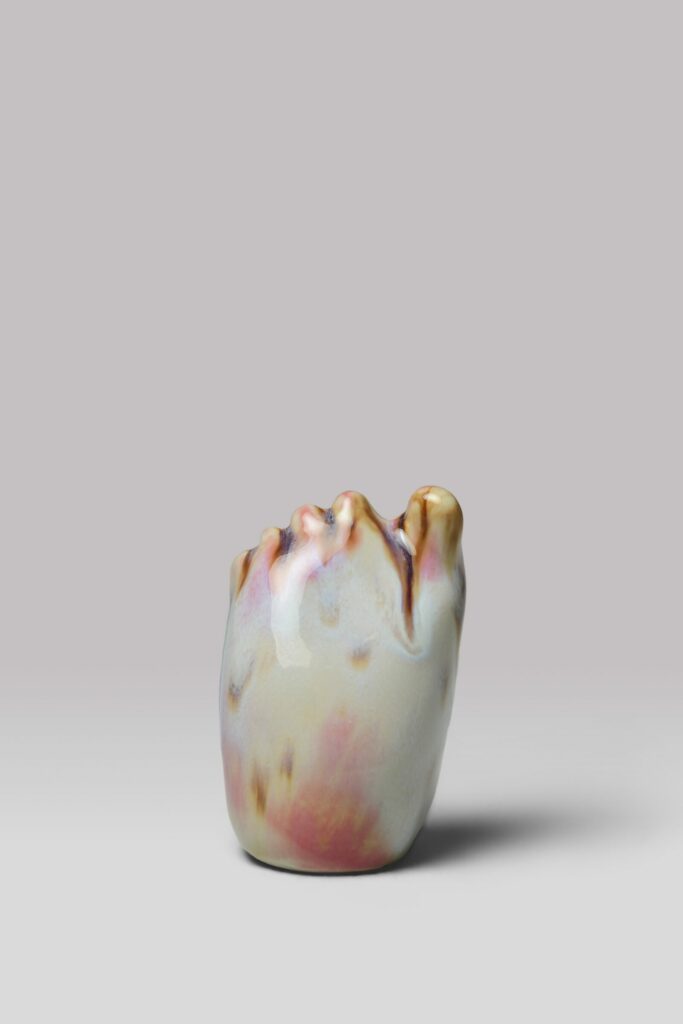
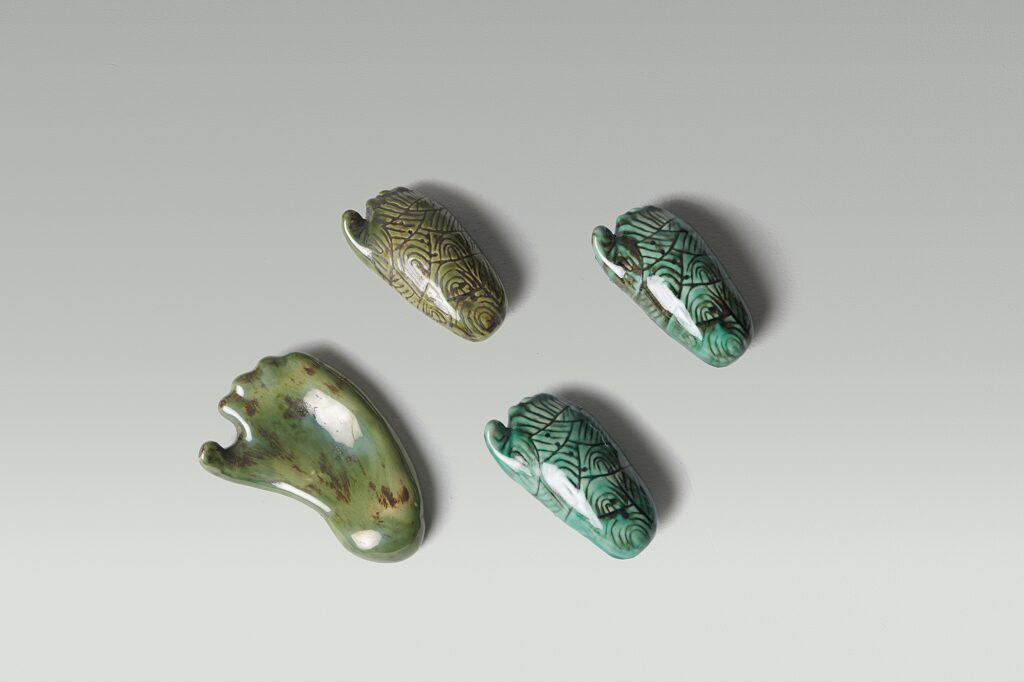
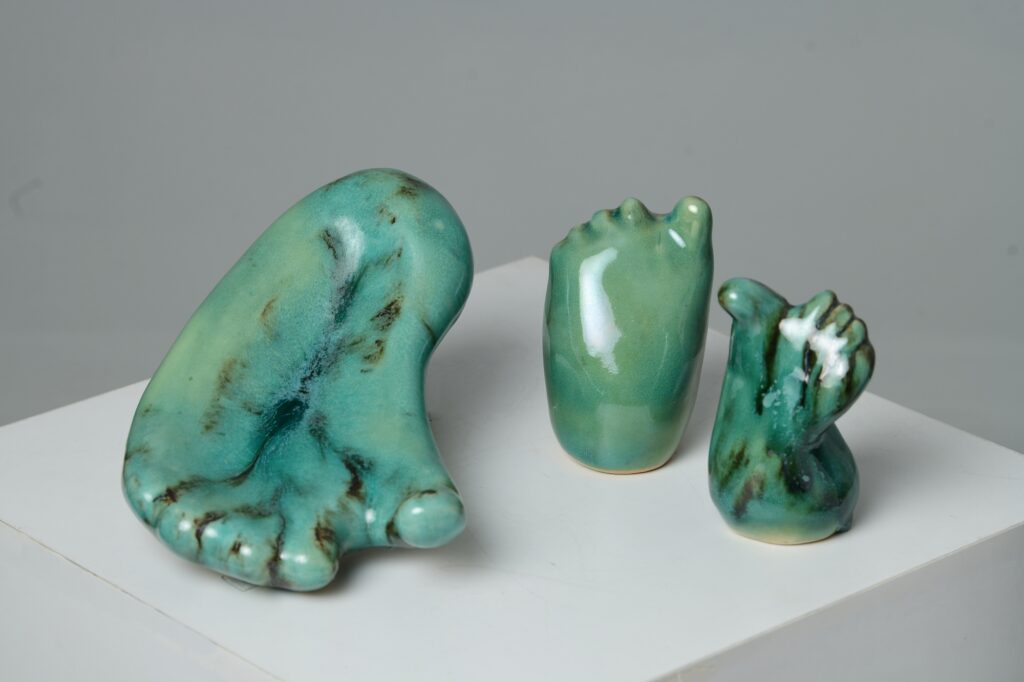
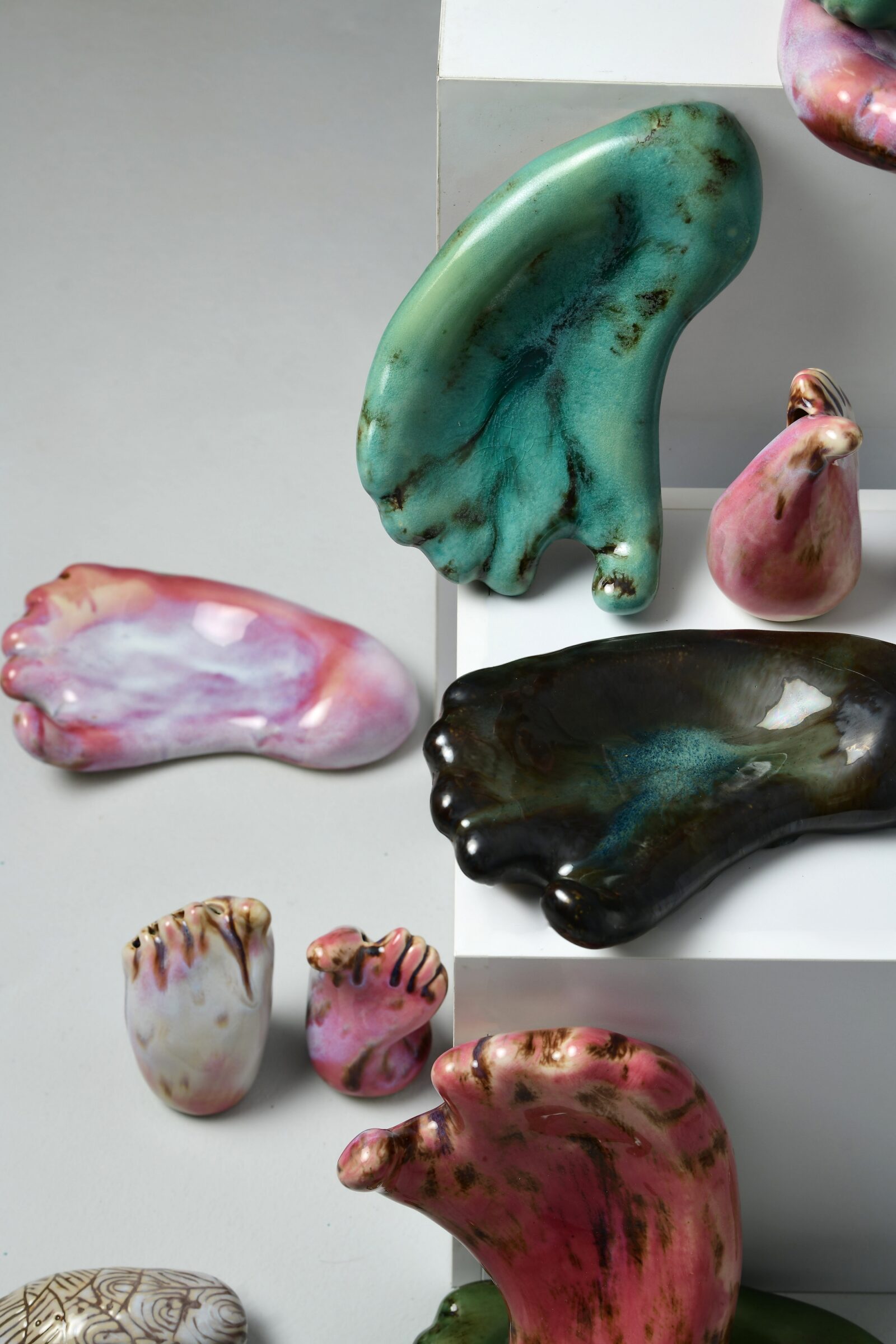
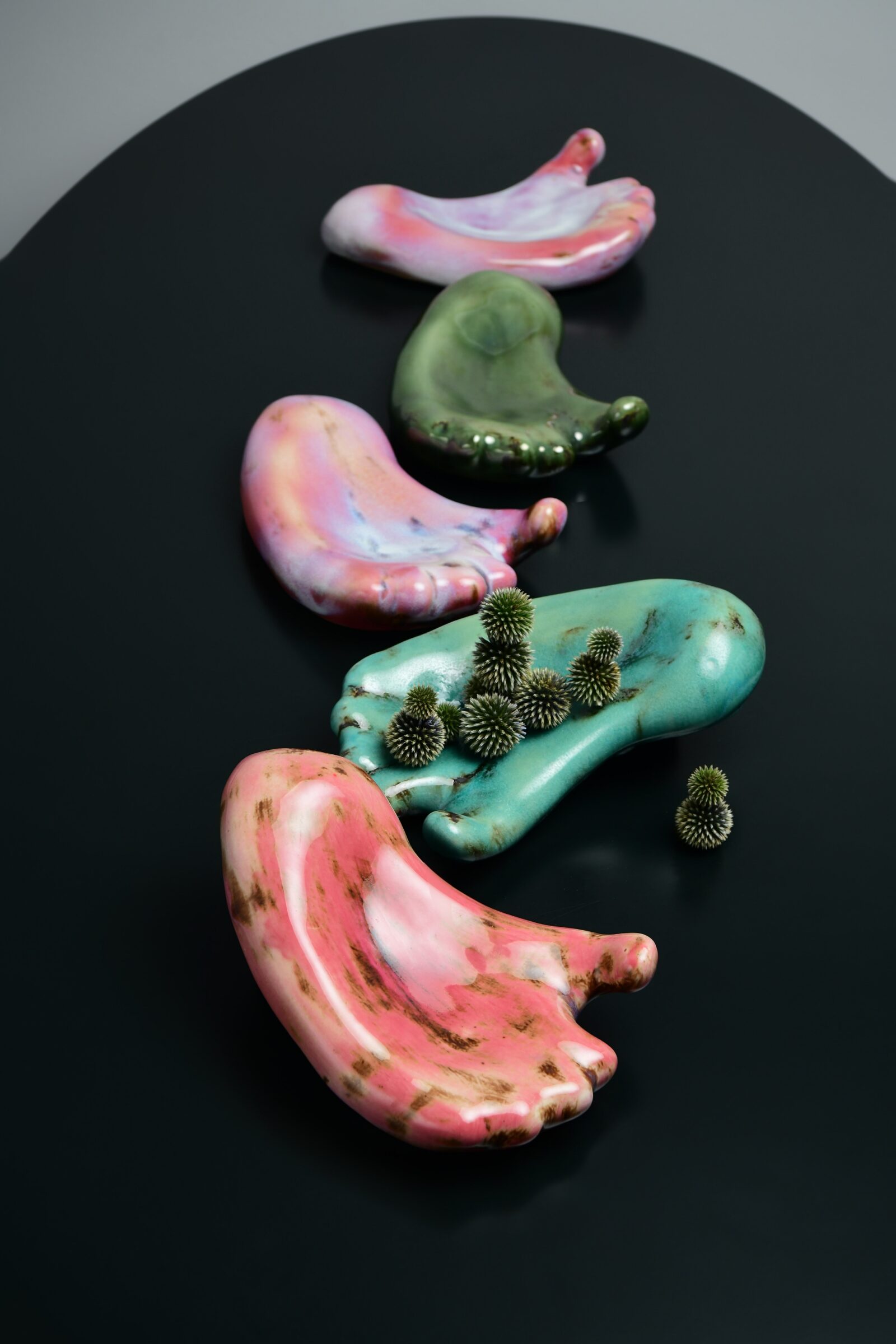
The Giao Chỉ Collection comprises four ceramic foot sculptures, each defined by the distinctive outward-turning big toe—an expressive sculptural form that is both primal and evocative.
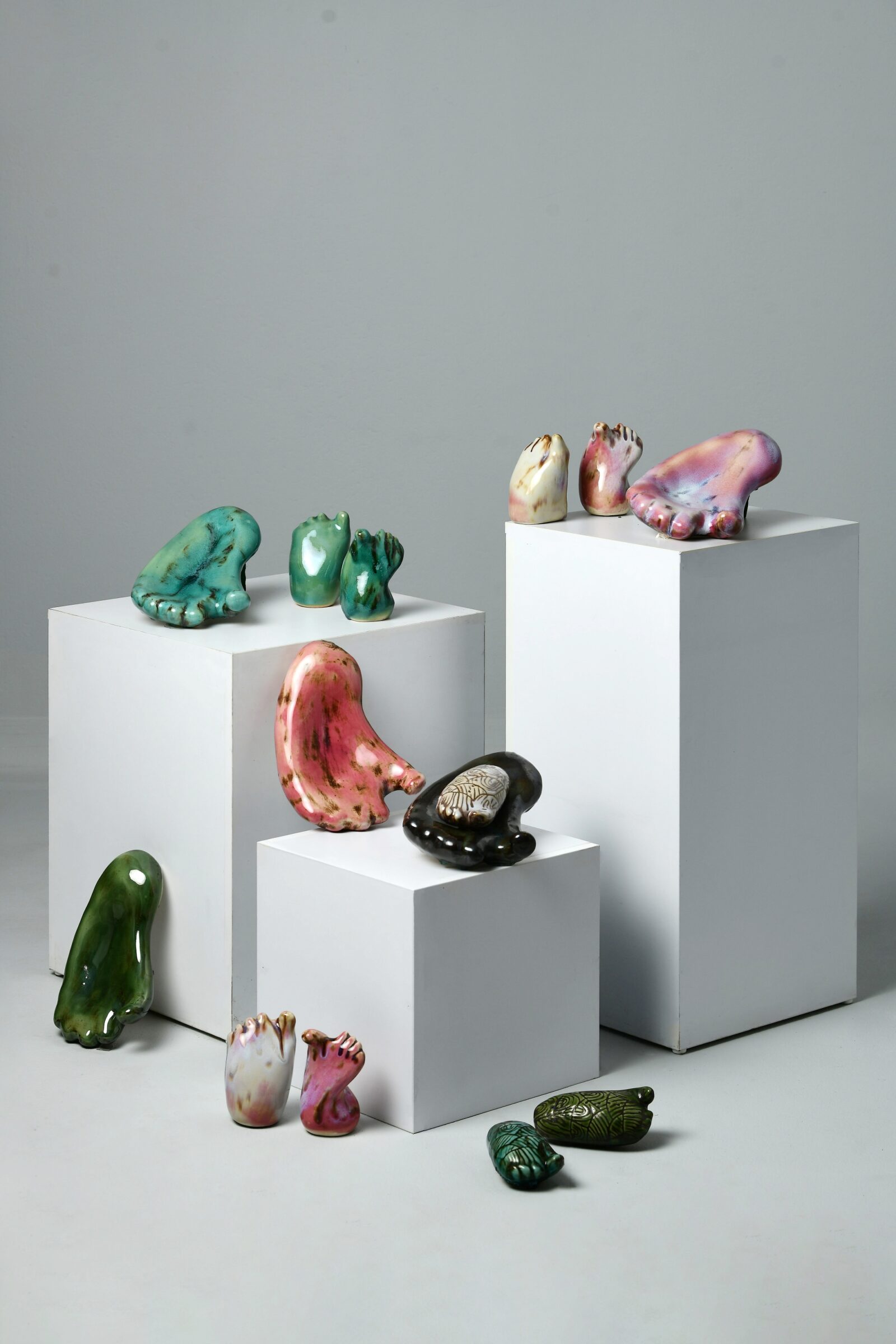
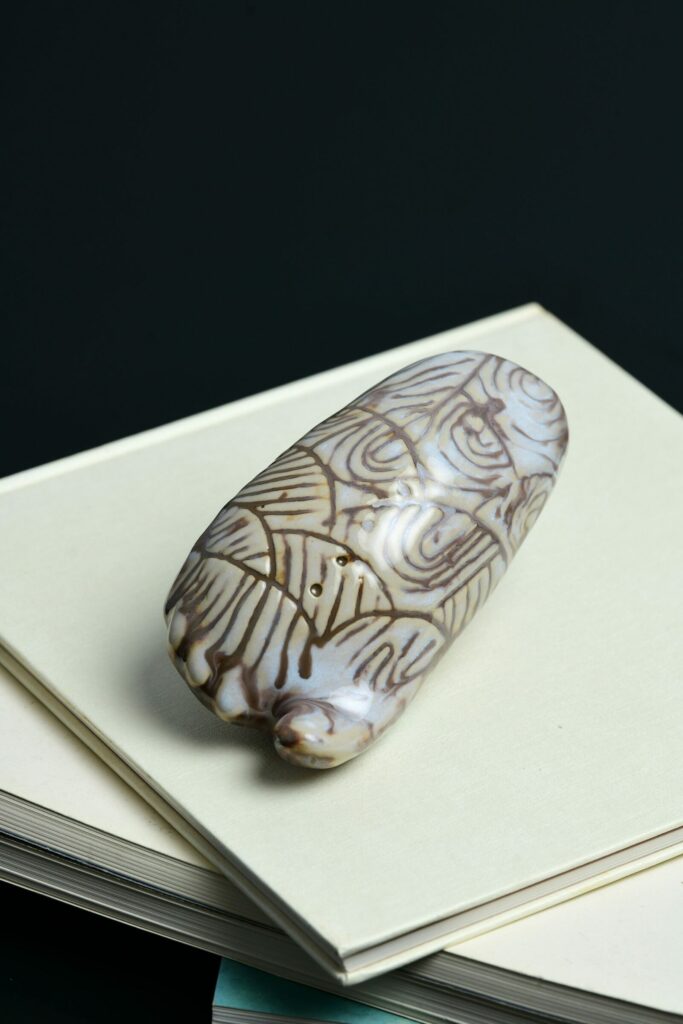
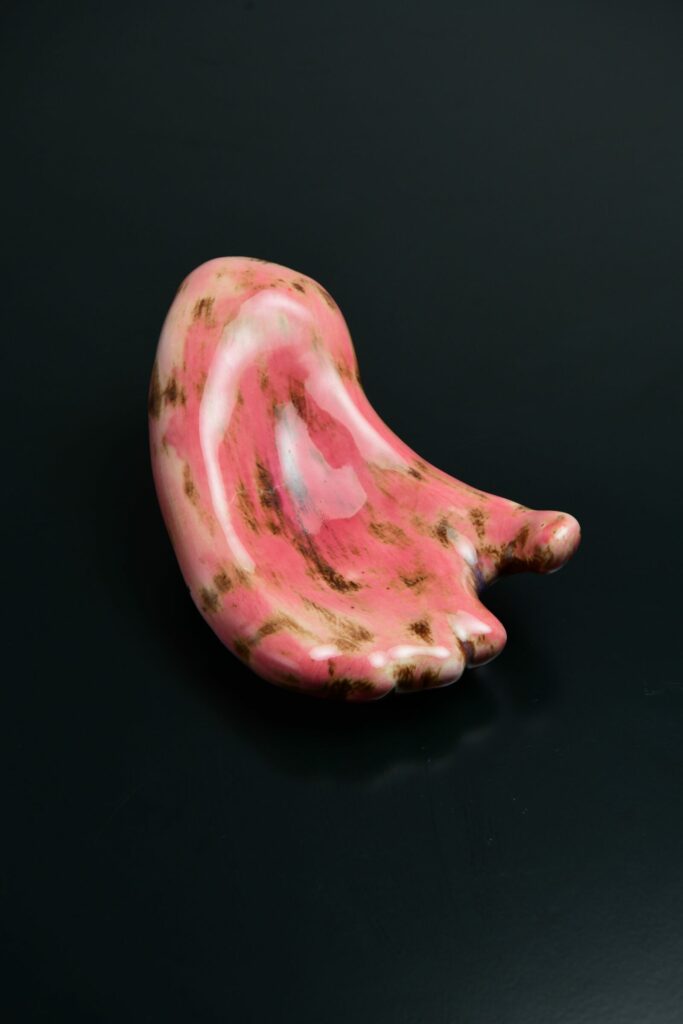
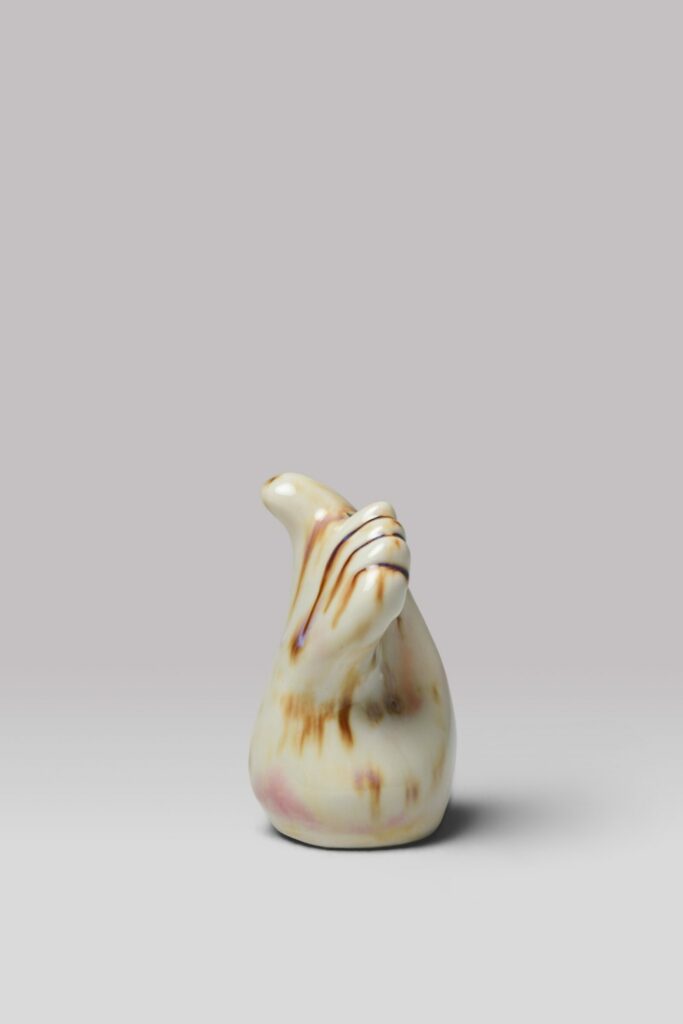
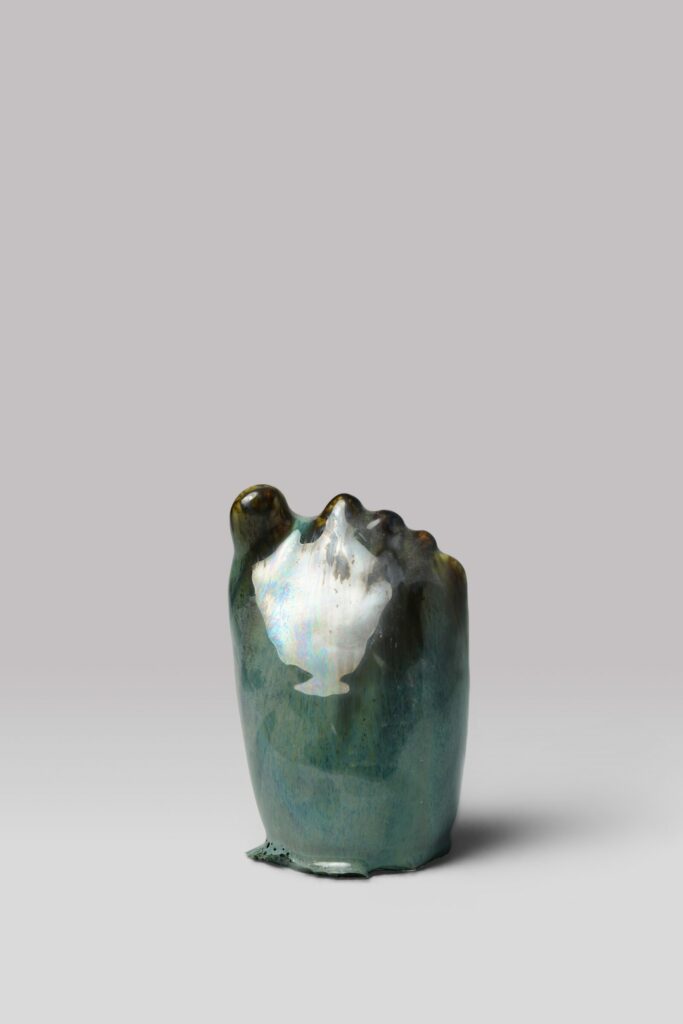
The collection is shaped by three key elements:
Sculptural Form Solid volumes and restrained geometry evoke a distinctly Eastern sensibility—quiet, yet deeply grounded.
Primitive Art Motifs Inspired by early visual languages and geometric markings, the surface patterns recall a primordial act of “spelling out” human expression, resulting in a visual language that feels both distant and contemporary.
Layered Glaze Technique Executed by BTMA artisans, layered glazes create nuanced, unrepeatable variations in color and surface. Each piece emerges as a singular entity, reflecting how every individual carries a distinct trace of origin.
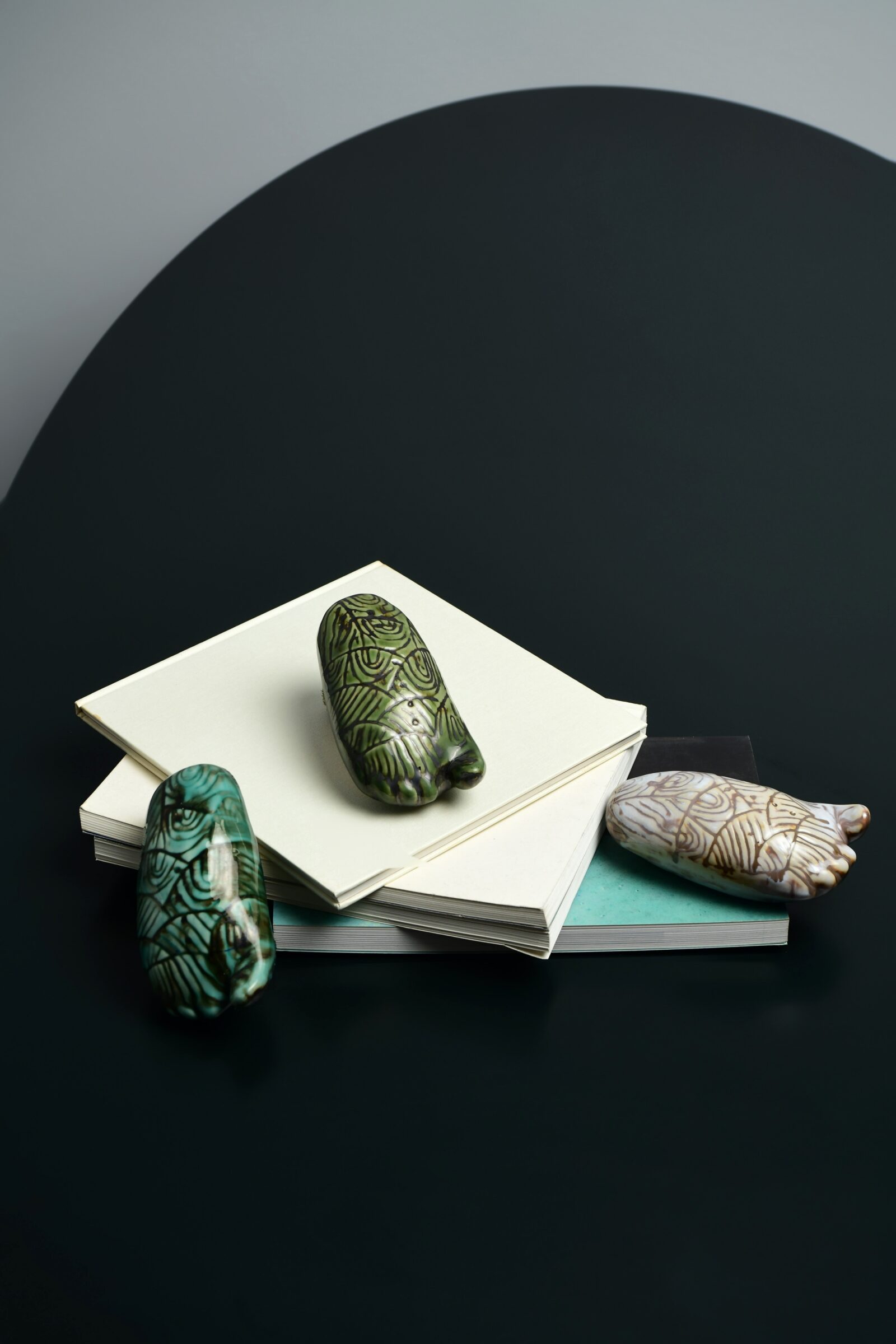
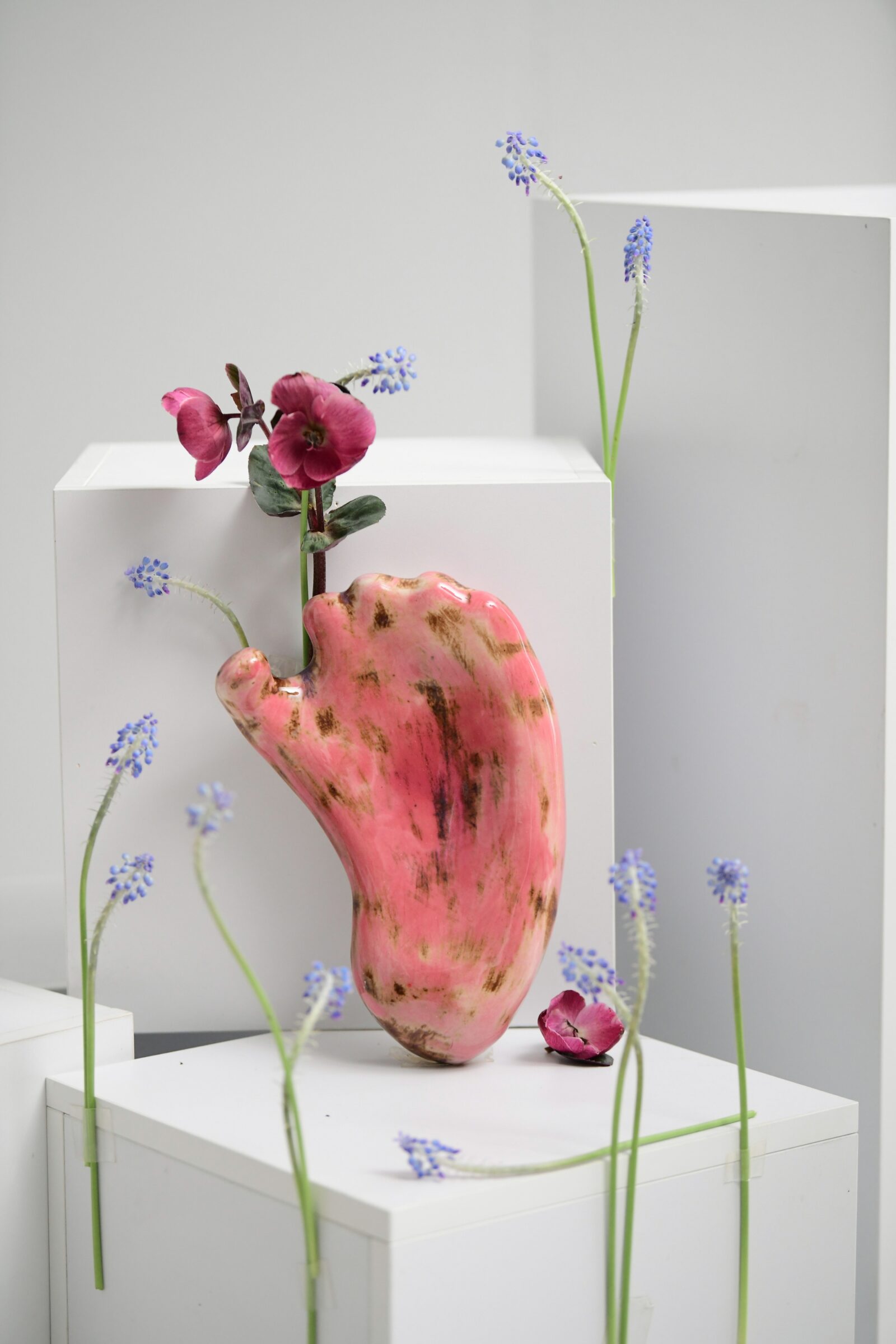
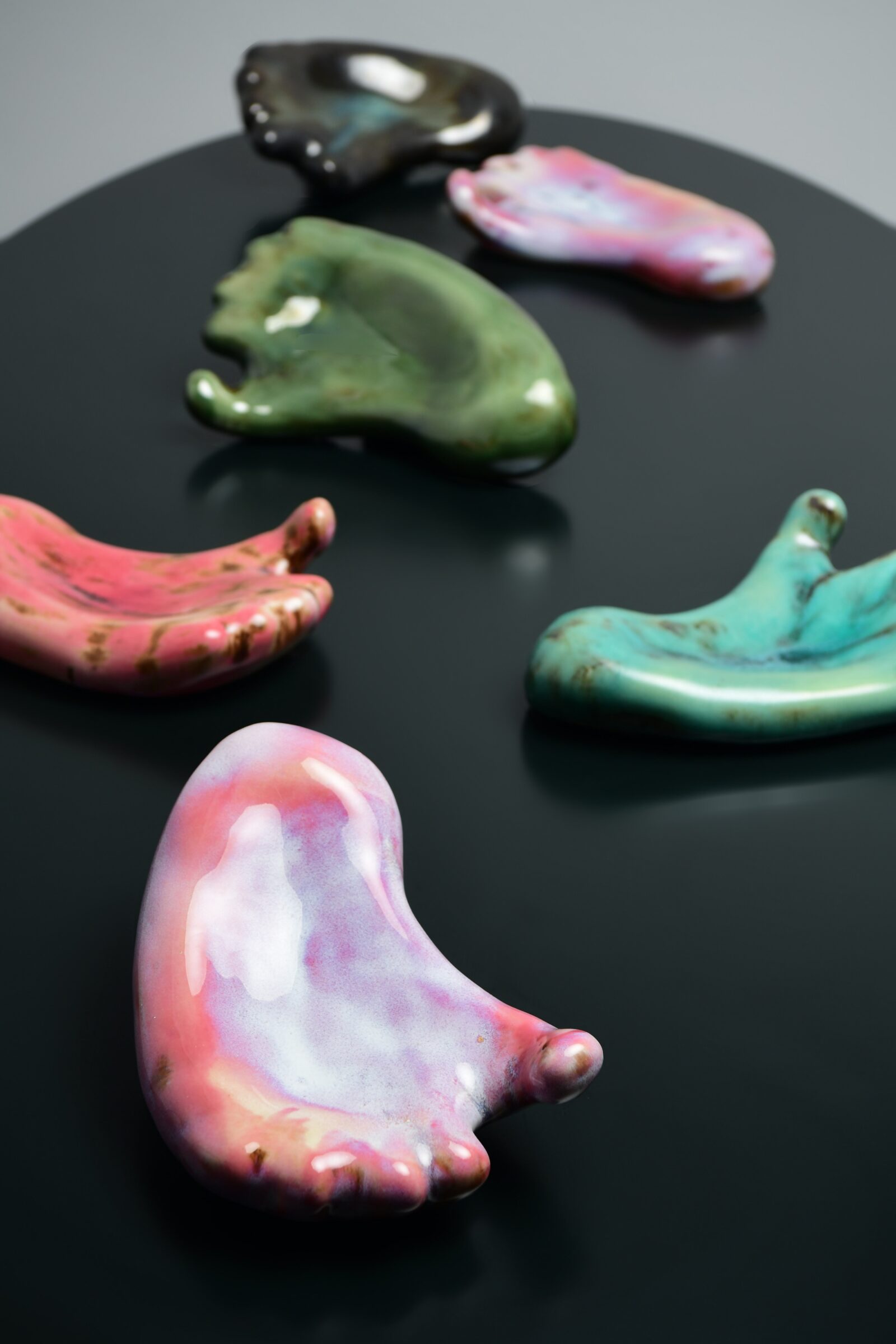
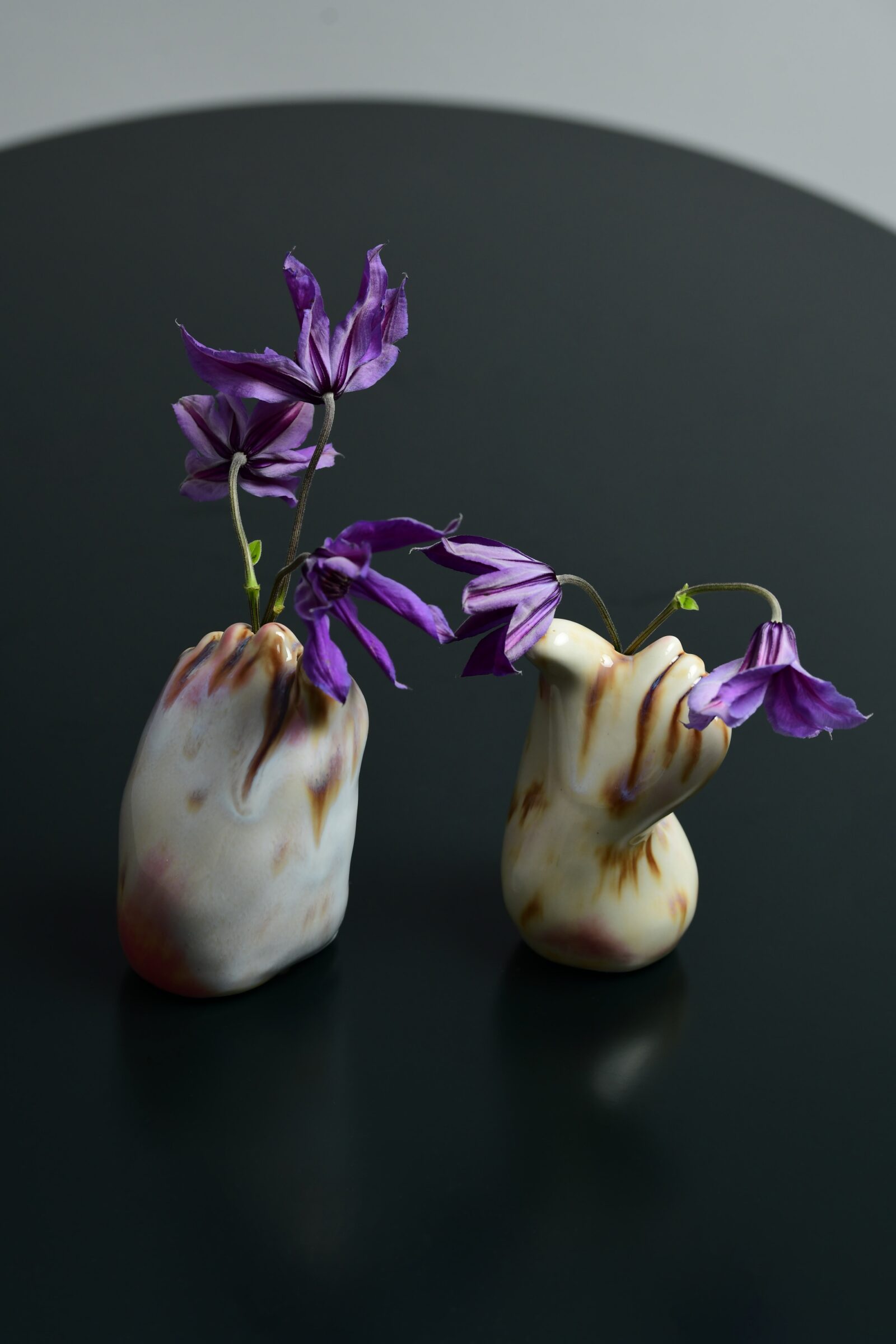
The Giao Chỉ Collection suggests that we are always part of a cultural continuum. Even when a marker fades from physical form, it endures—quietly yet persistently—within the flow of memory.
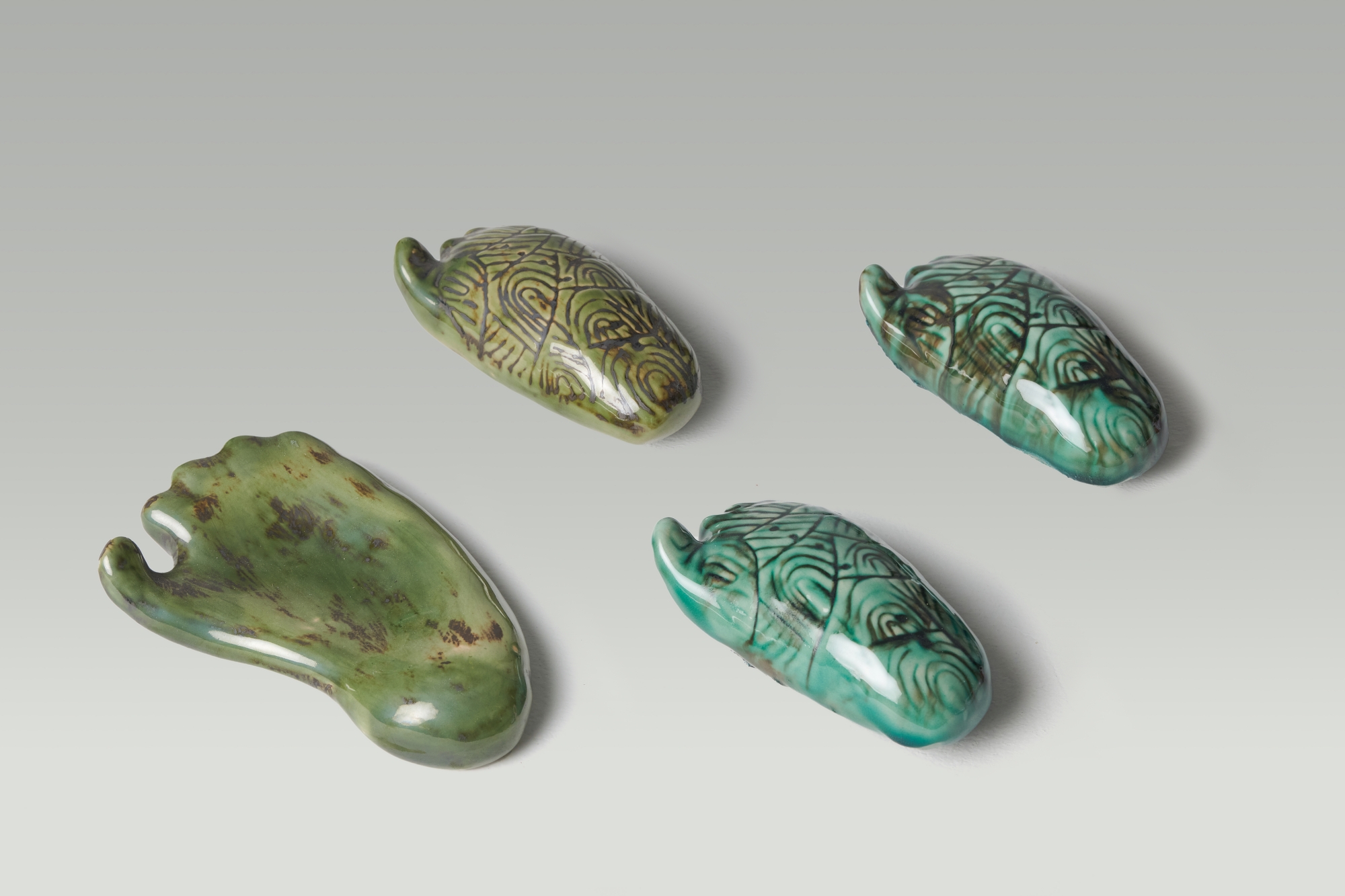
Giao Chỉ also continues BTMA’s collaborations with contemporary artists: from Rồng Phố (2023) and An Nam (2024) with designer Diệu Anh, to Con Vịt Collection (2025), with architect Nguyễn Hà, Mã Niên (2005) with Artist Phan Linh. BTMA’s signature techniques—from sculpting and carving to layered glazes—combined with each artist’s design perspective, create dynamic conversations between heritage and contemporary practice. This spirit positions ceramics as a source of inspiration for new artistic explorations shaped by the materials and sensibilities of our time.