

Dragon Monobloc
Dragon Monobloc
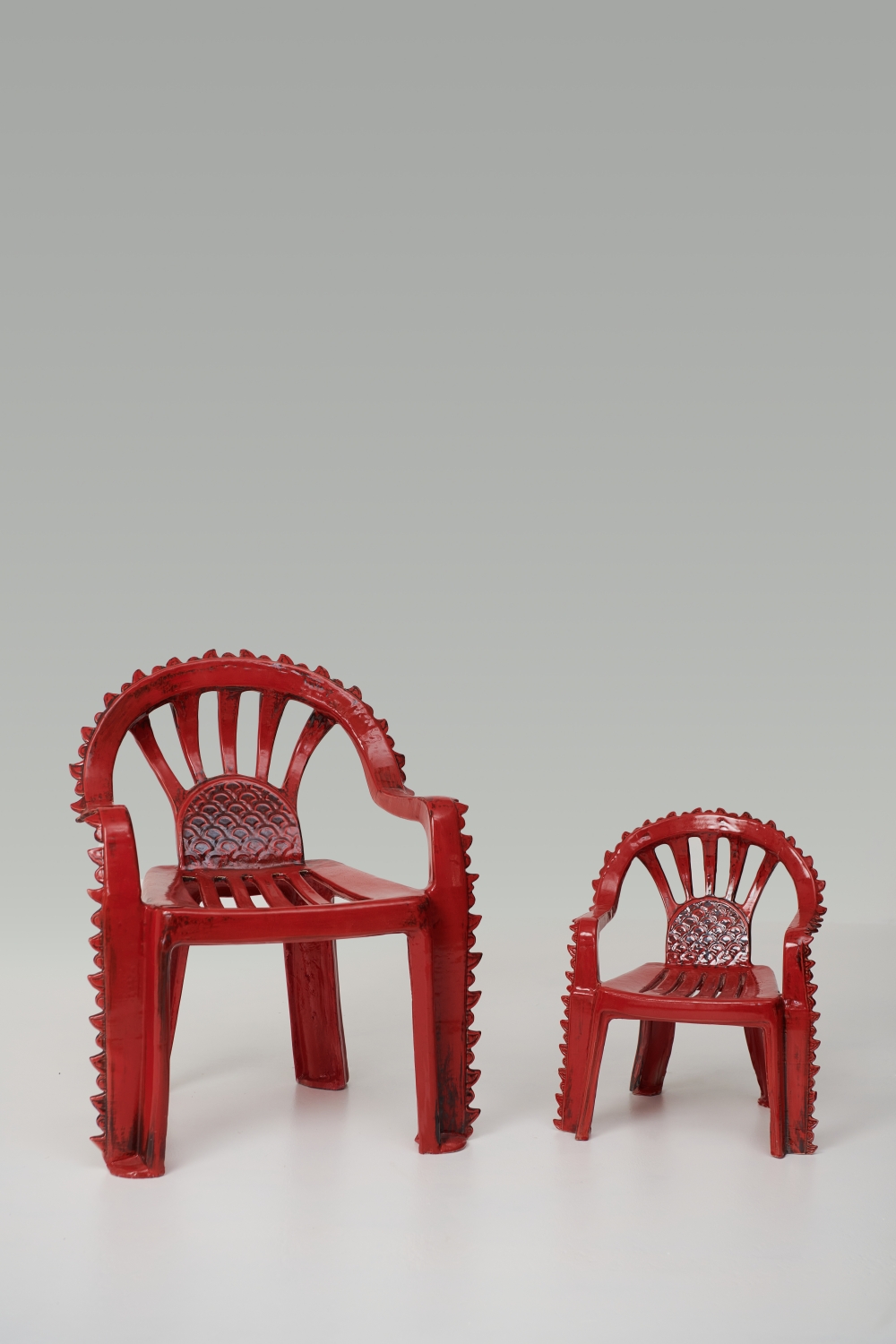
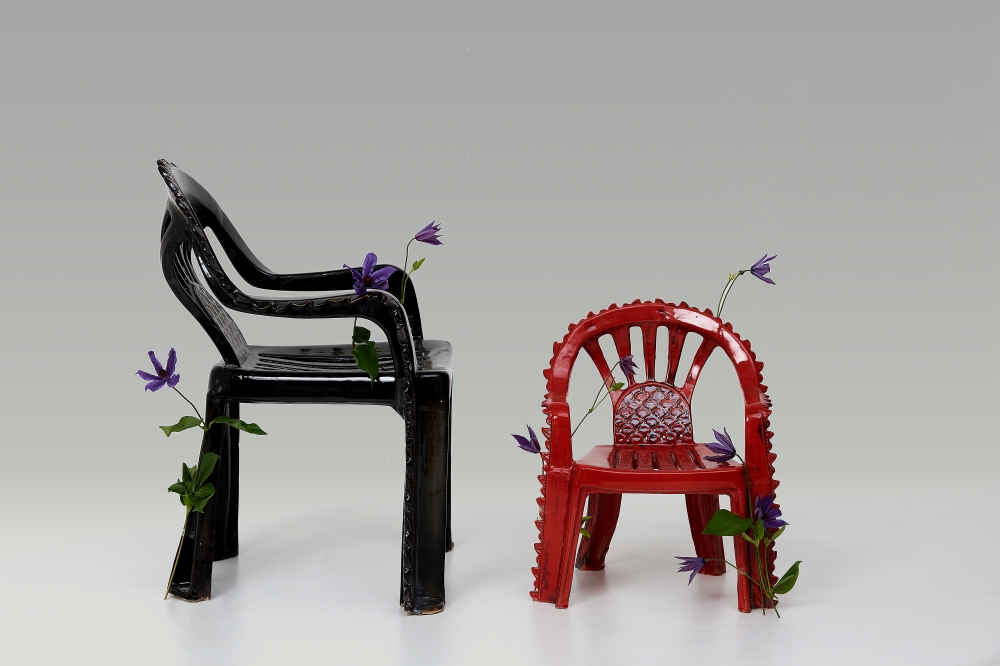
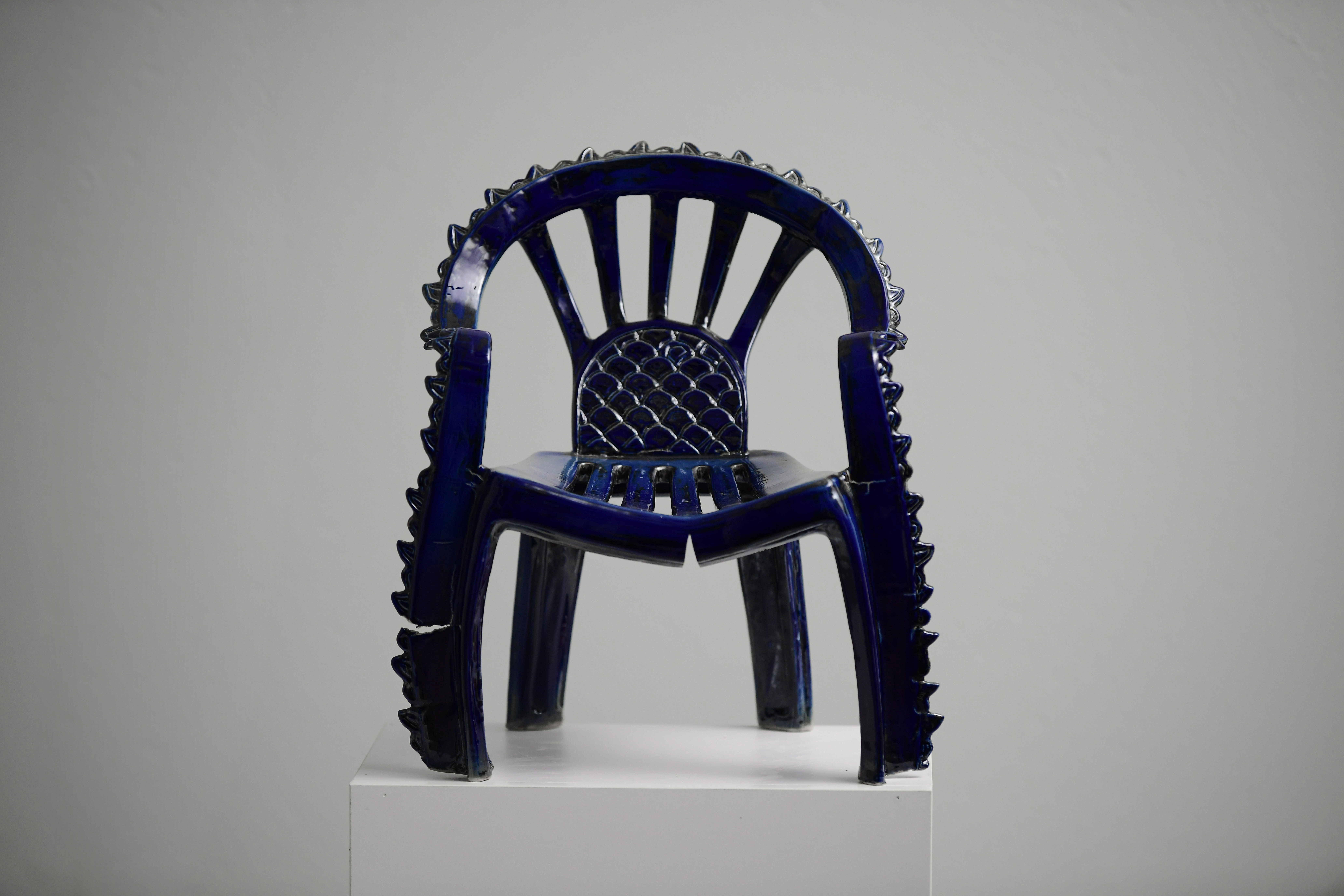
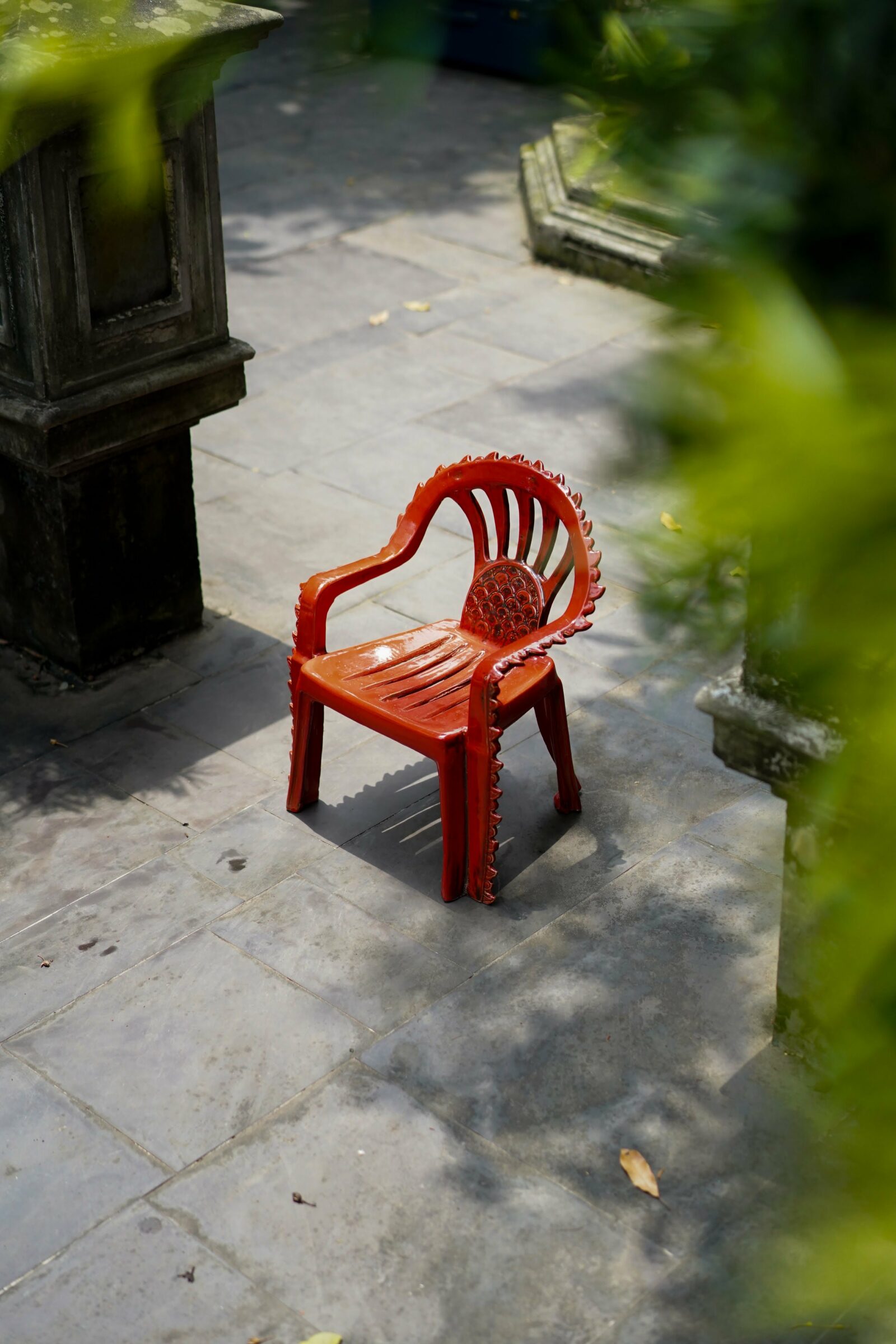
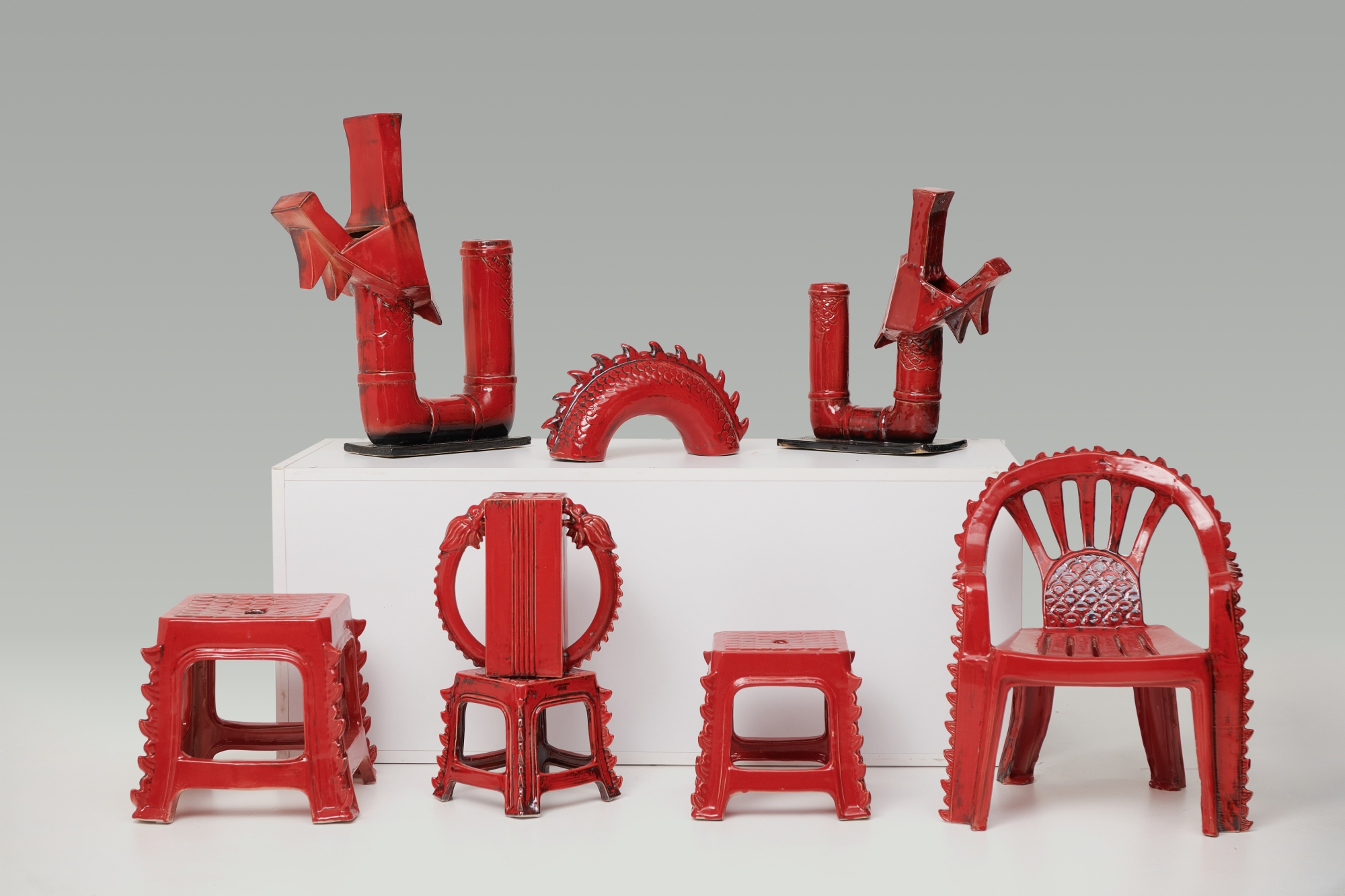
Rồng Phố (Dragon of the Urbanities) is a collaboration between Bát Tràng Museum Atelier (BTMA) and designer Diệu Anh. The collection comprises five ceramic vases and stools that reinterpret dragon imagery through familiar objects from Vietnamese everyday life, including the plastic monobloc chair, stool, brick, water pipe, and tire. Through these distinctive forms, Rồng Phố brings traditional symbolism into dialogue with contemporary Vietnamese street culture.
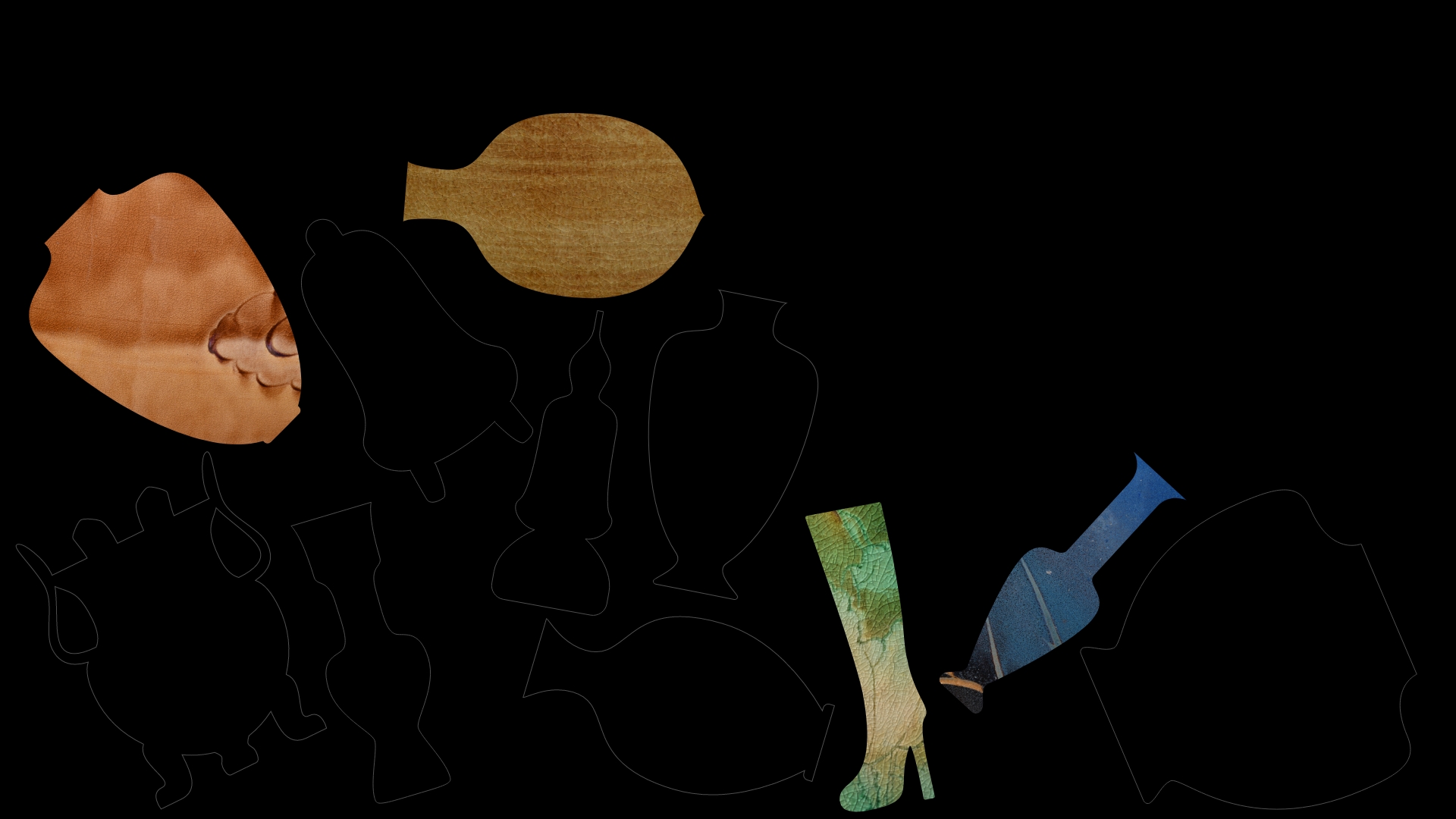
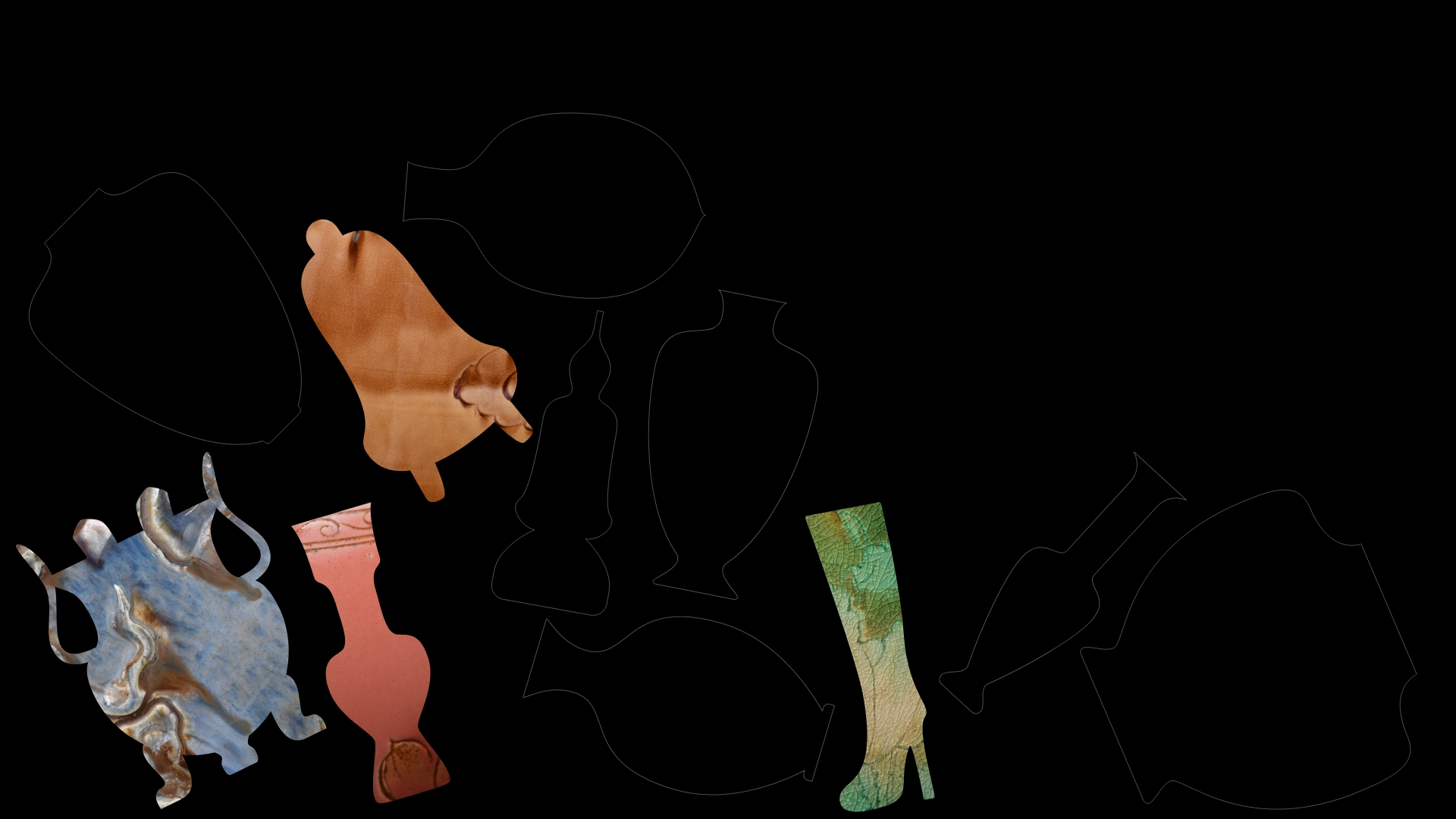
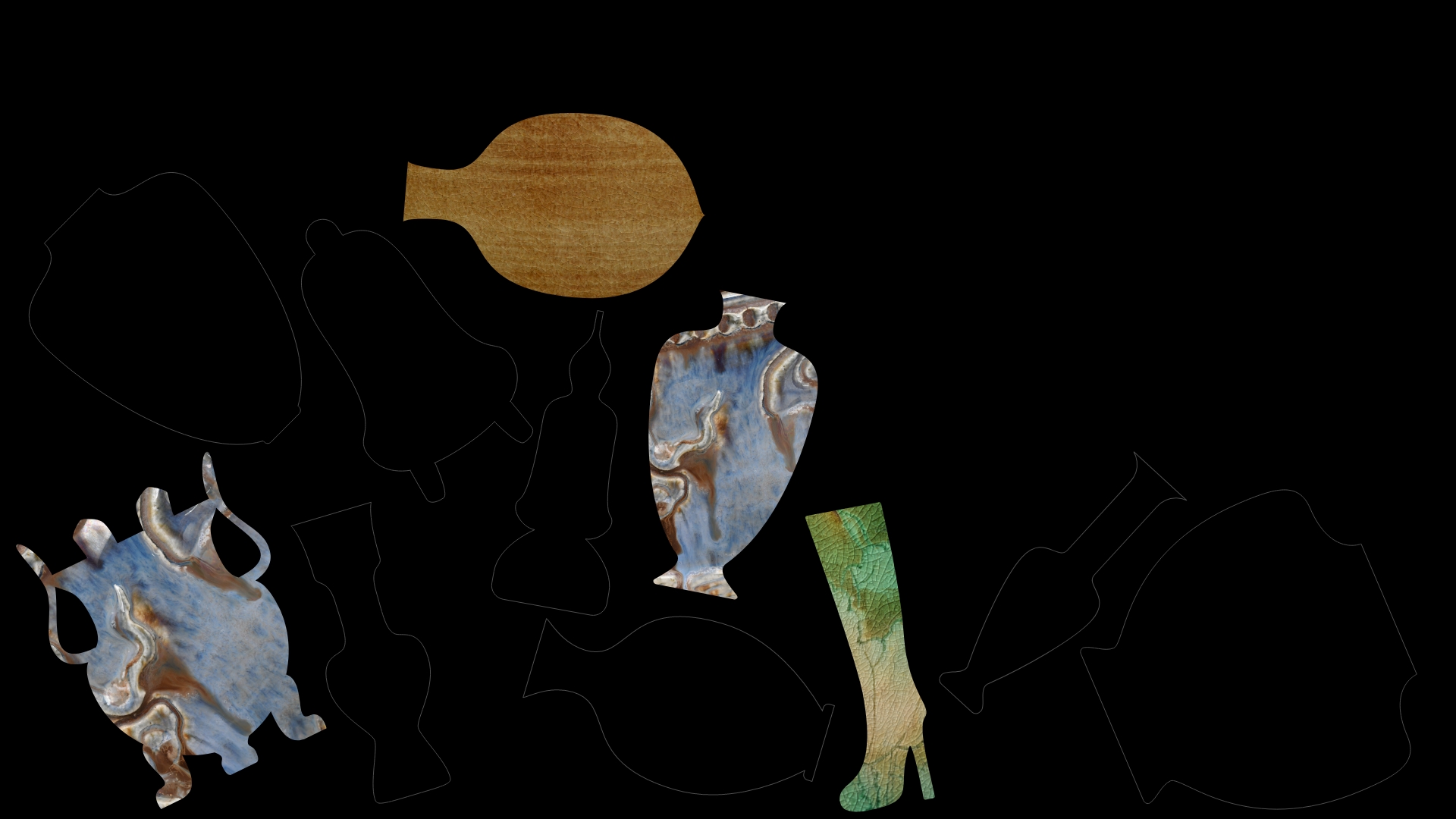
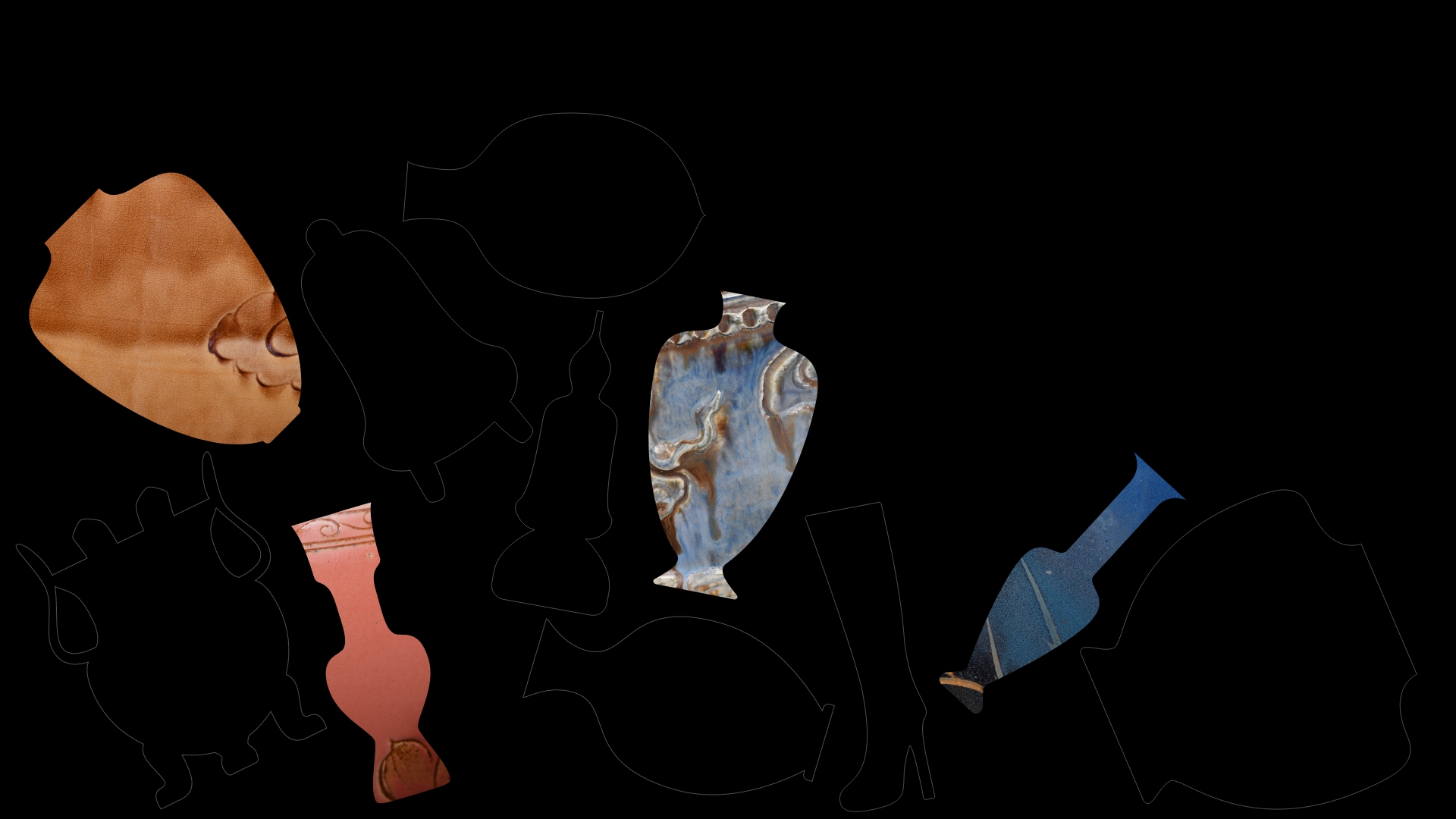
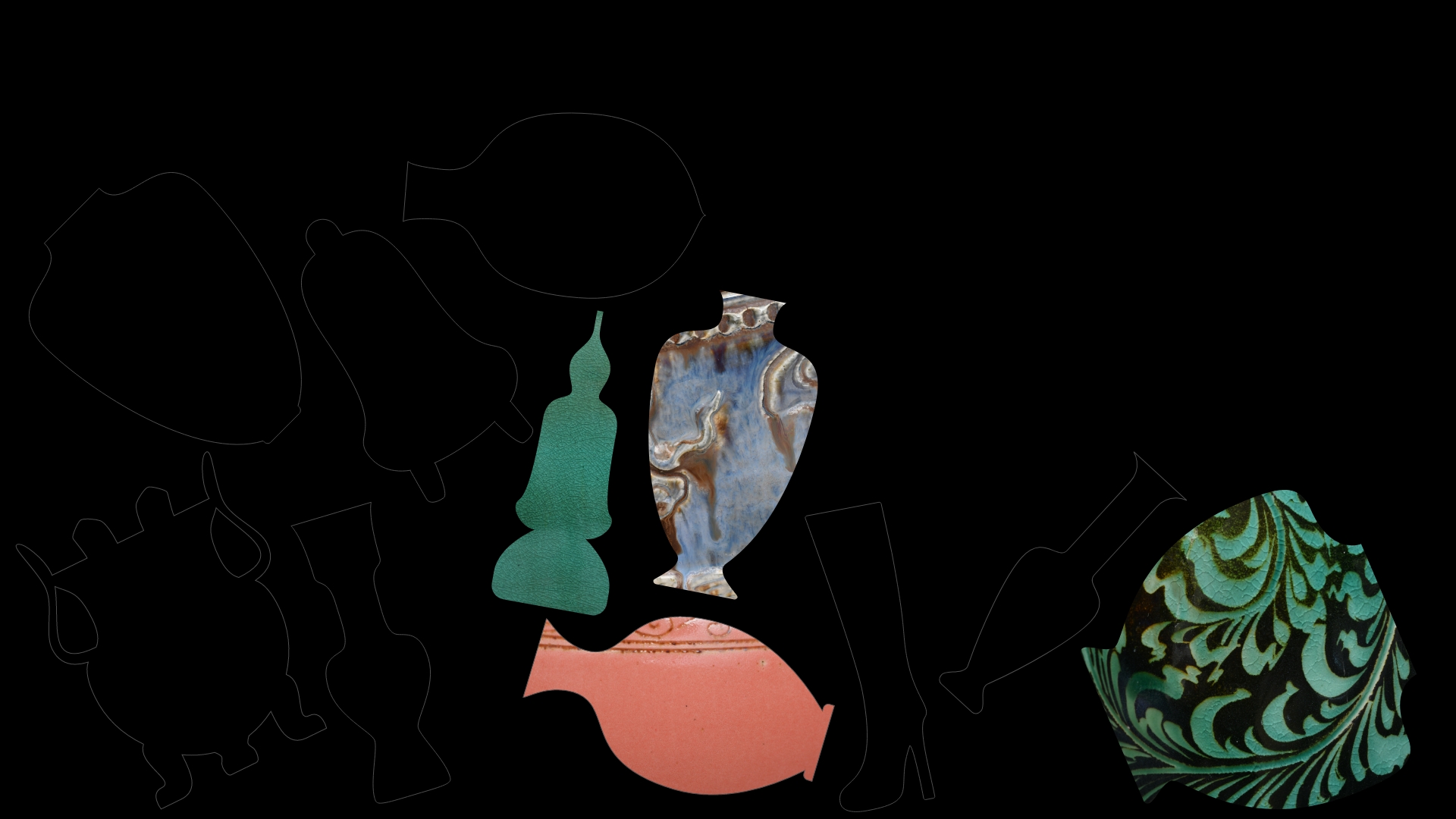
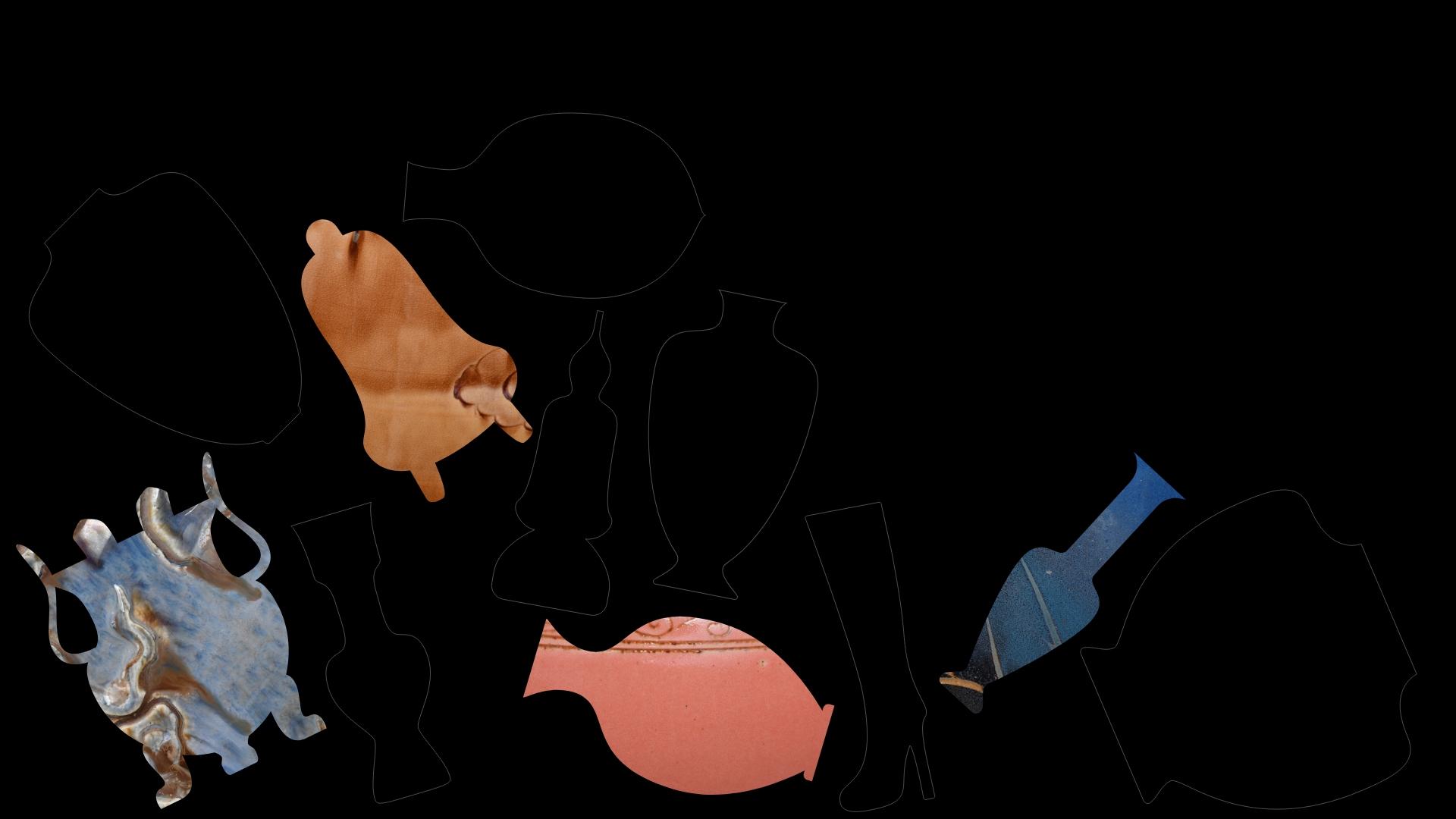
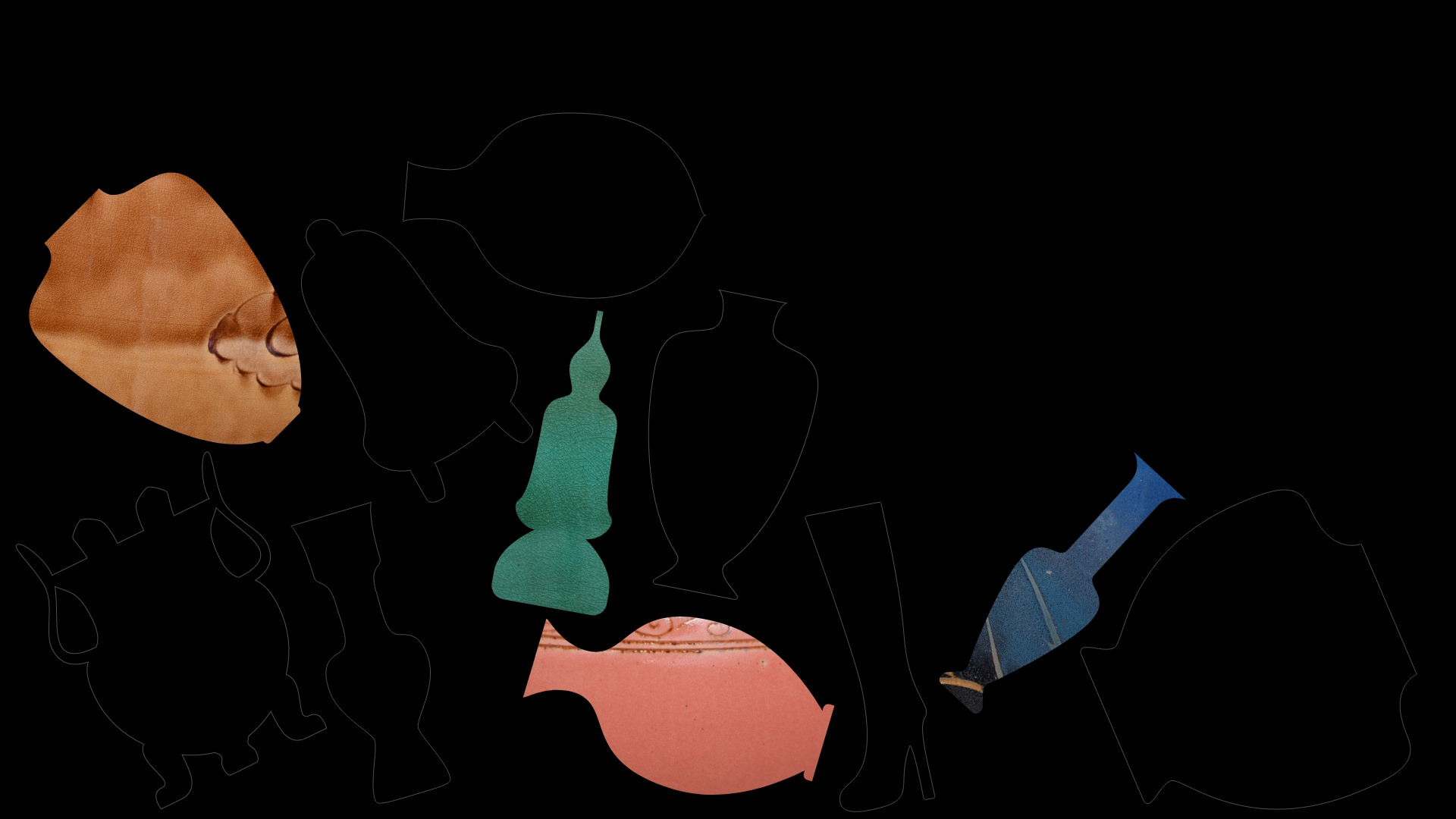
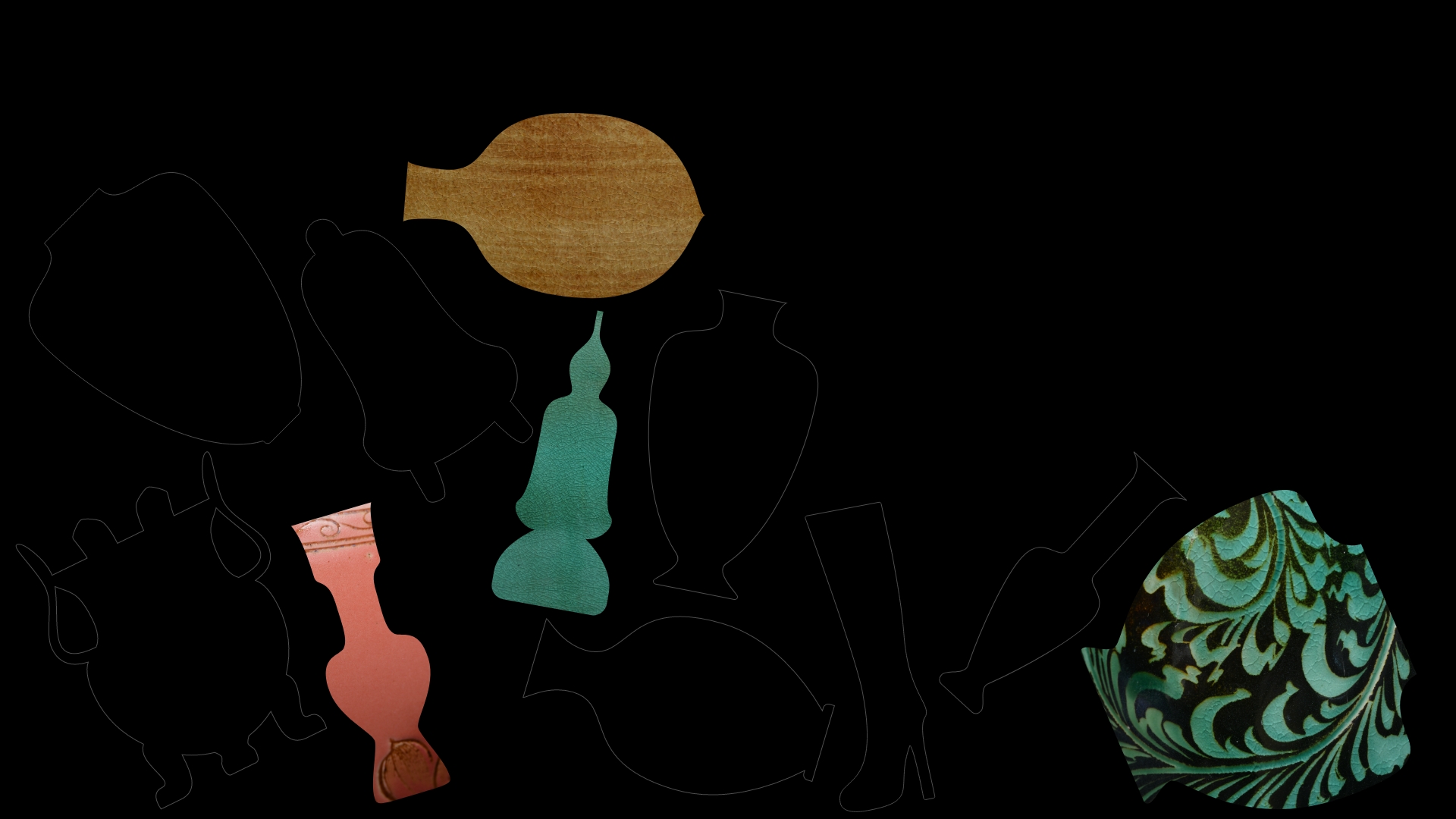
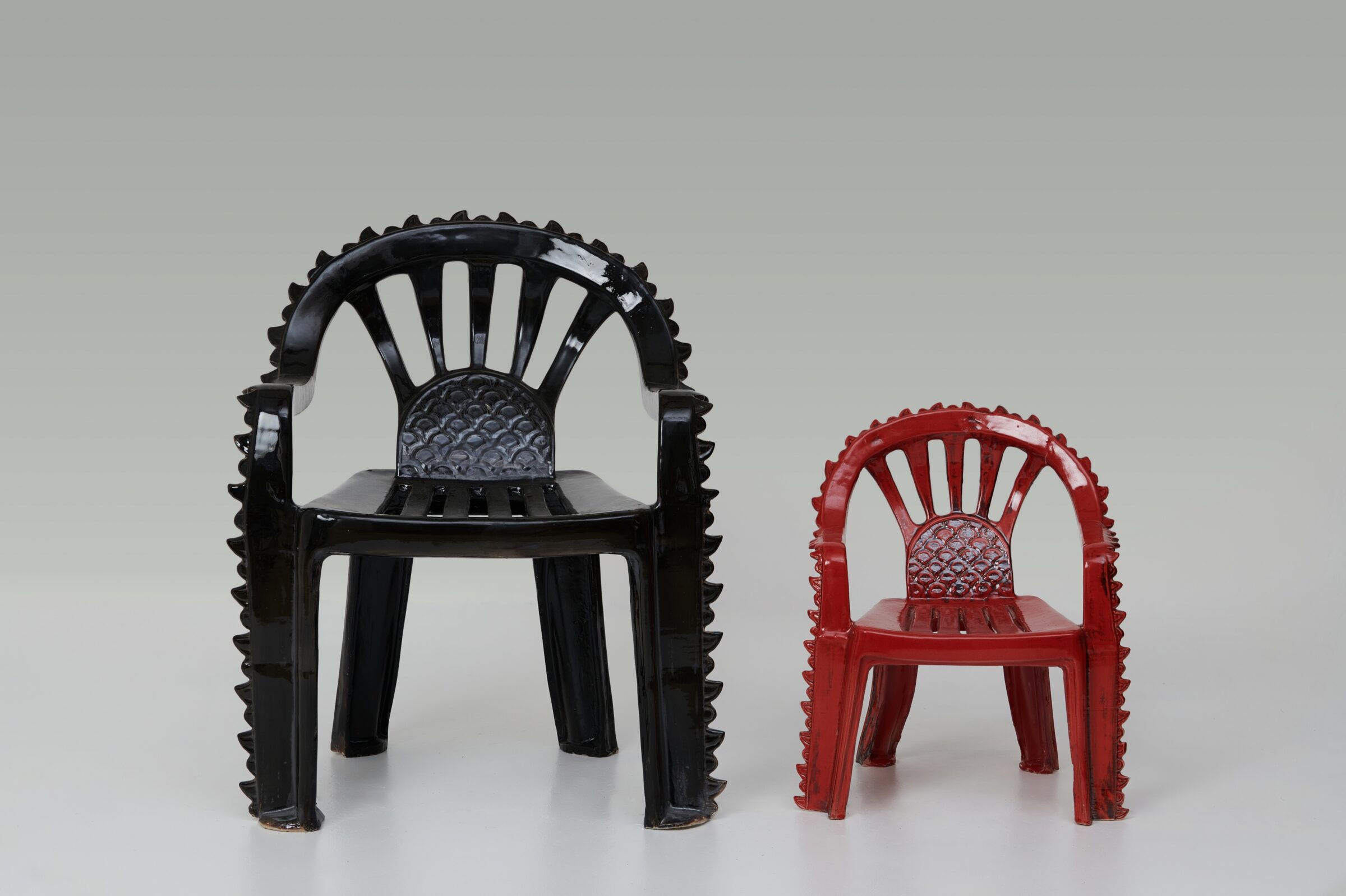
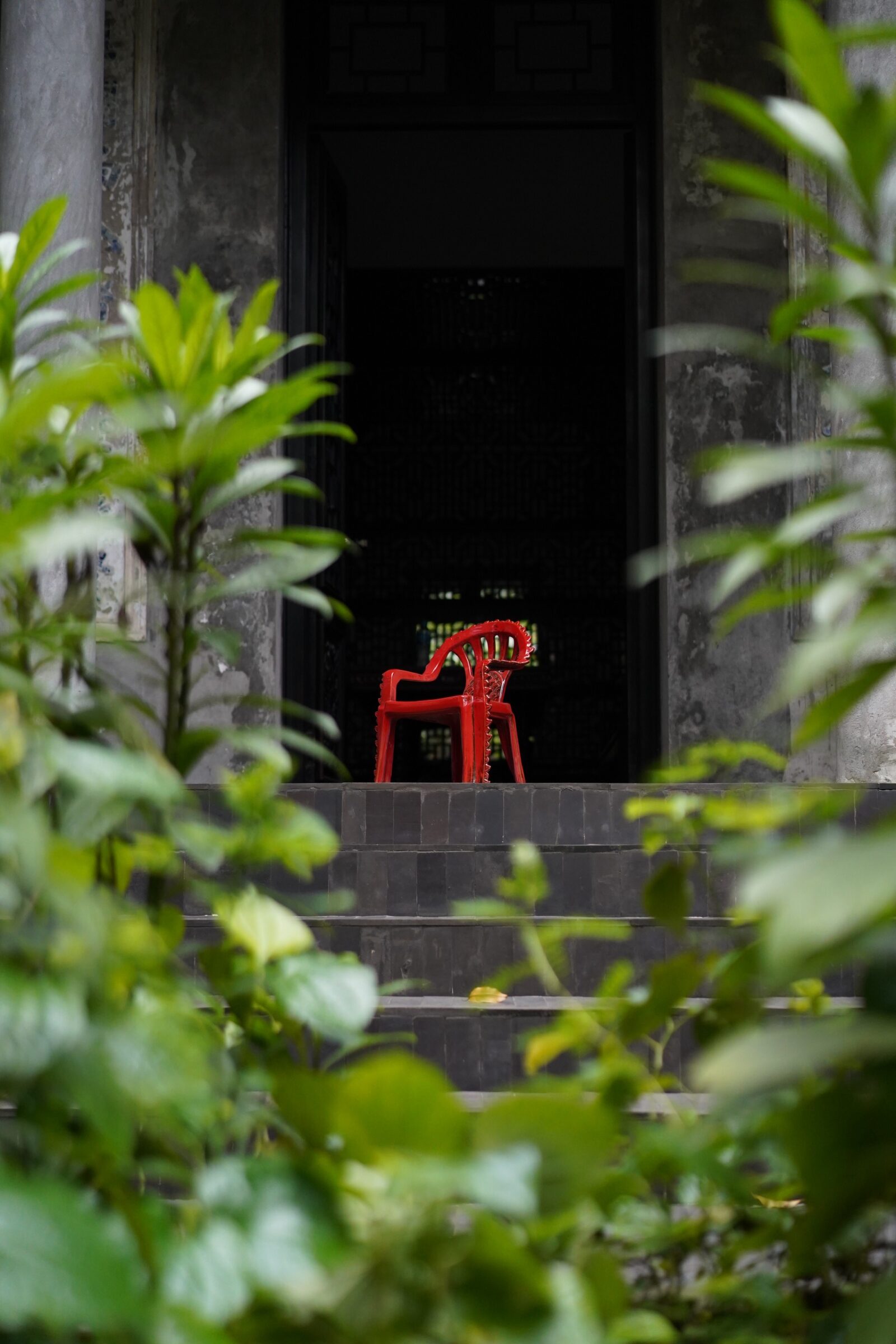
The Dragon Monobloc is inspired by the iconic plastic monobloc chair commonly found at Vietnamese street-side eateries. Familiar to generations of Vietnamese and found in public spaces around the world, the monobloc chair was selected by The New York Times as one of the 25 defining pieces of furniture of the 21st century in March 2024.
Dimension (cm) 46 × 39 × 32 (M) — 68 × 58 × 46 (L)
Technique Overlapping glaze
Color Red —Explore other color versions on Bát Tràng Museum Atelier (BTMA)’s Facebook page —Click here

According to East Asian beliefs, the Dragon embodies the power of the four elements that make up the universe: Earth, Water, Air and Fire; and we mere mortals occupy a very miniscule part of it. This was the core idea that guided Bát Tràng Museum Atelier x dieuAnh throughout their process of conceptualizing Rồng Phố. They were aiming for something new, a fresh notion, one that retains the sacredness of the source of inspiration, yet intimately familiar to one and all. By the flame of passion for the ceramic art, life alongside the energy of universe are breathed into these artworks, and unto the inner self, by proxy.

Transforming asymmetrical everyday forms into ceramic presents a significant technical challenge. Unlike traditional pottery, which favors balanced and symmetrical forms, works with unconventional geometries such as those in Rồng Phố require extensive testing and precise control of clay shrinkage to preserve their form during firing.
For the Dragon Monobloc to withstand the heat of the kiln and the force of gravity, the BTMA studio spent six months testing and refining the process. The team continuously adjusted the construction and firing methods, even dedicating a separate kiln space to each piece rather than maximizing kiln capacity. Every finished work is therefore not only unique in appearance, but also a reflection of the time, experimentation, and craftsmanship behind its making.
More on Bát Tràng Museum Atelier (BTMA)’s Facebook page—Click here.

Bát Tràng Museum Atelier (BTMA) – The 50-year-old workshop of Bát Tràng Museum, founded by the late People’s Artisan Vũ Thắng.