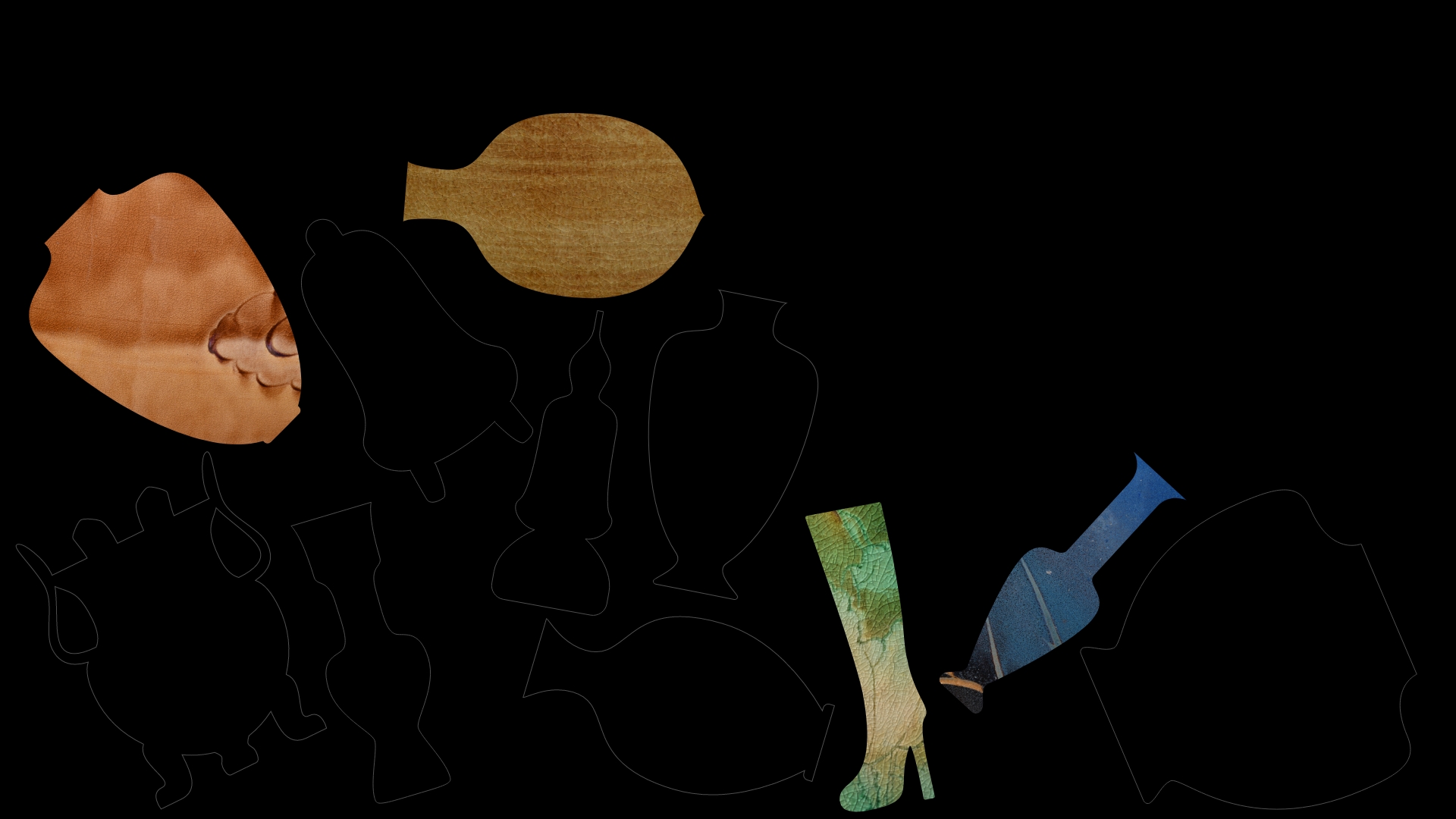
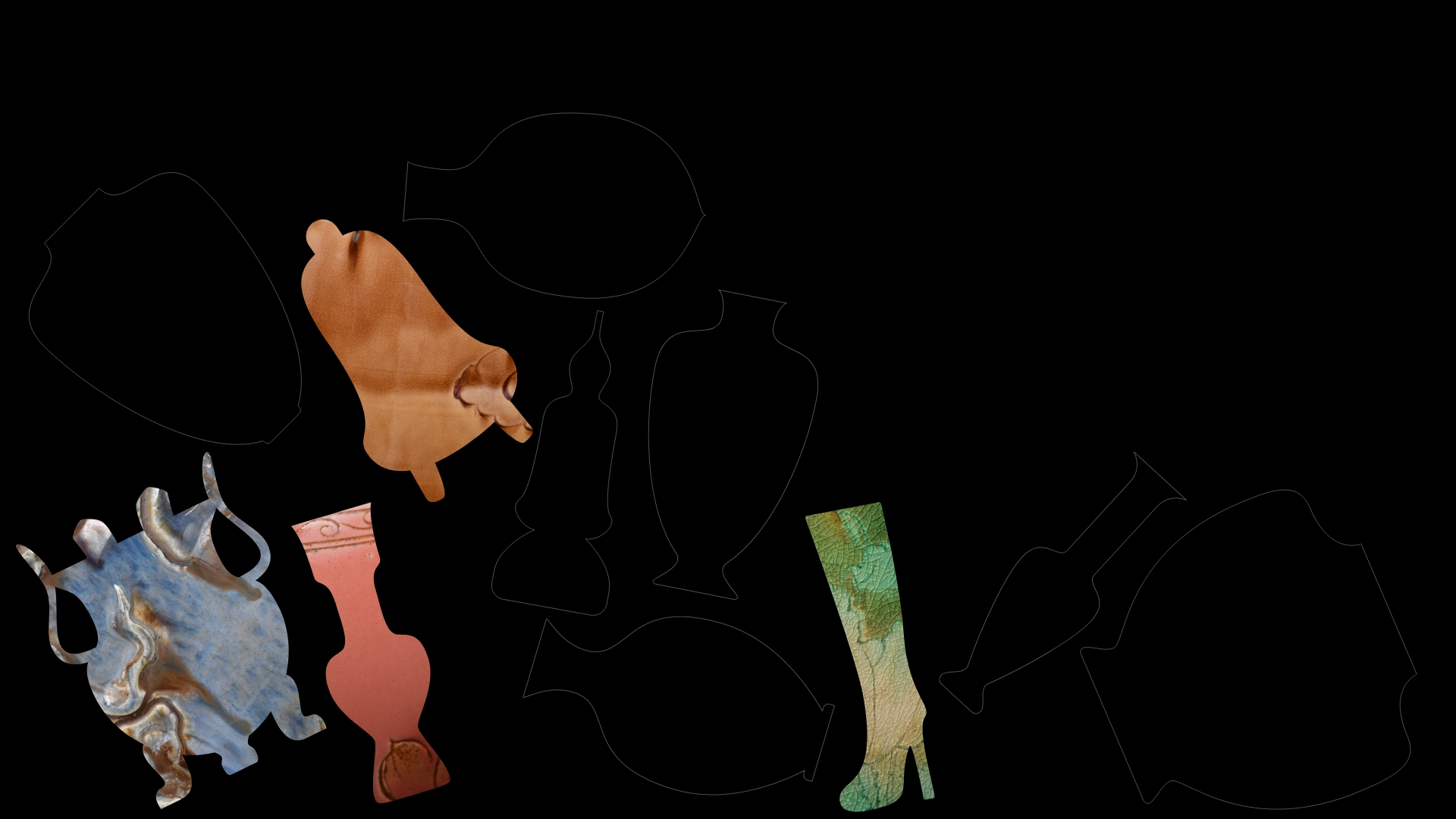
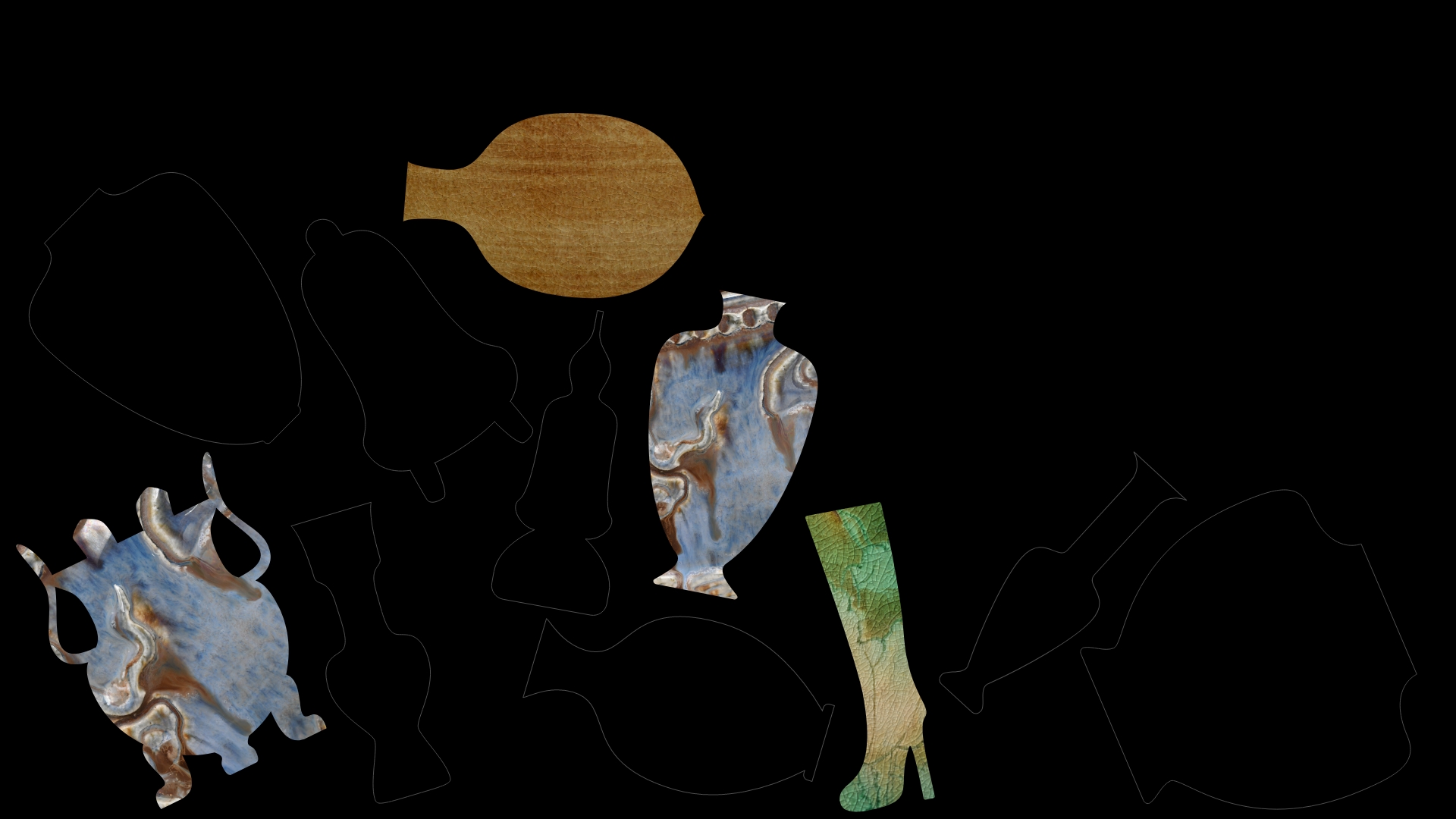
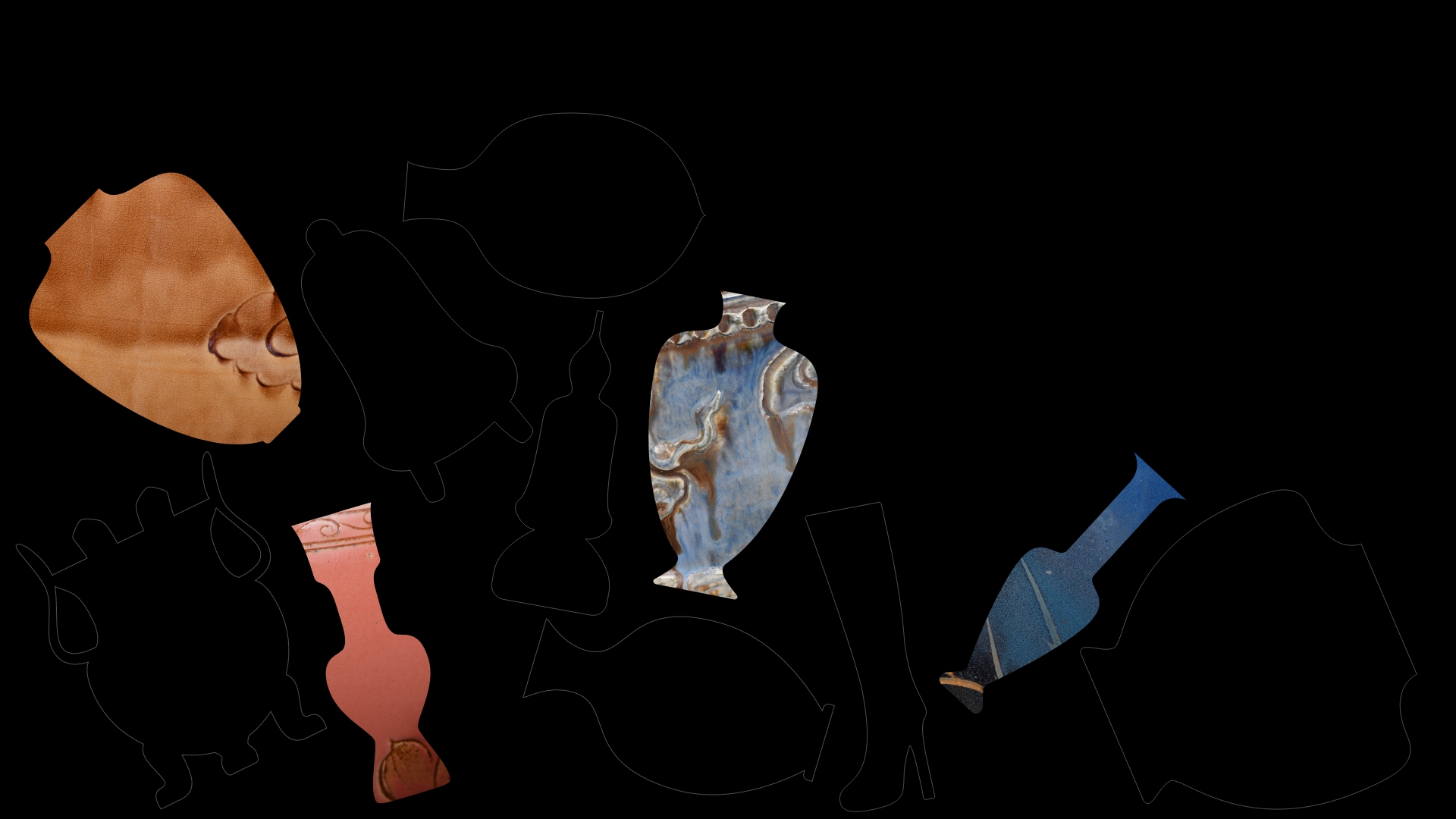
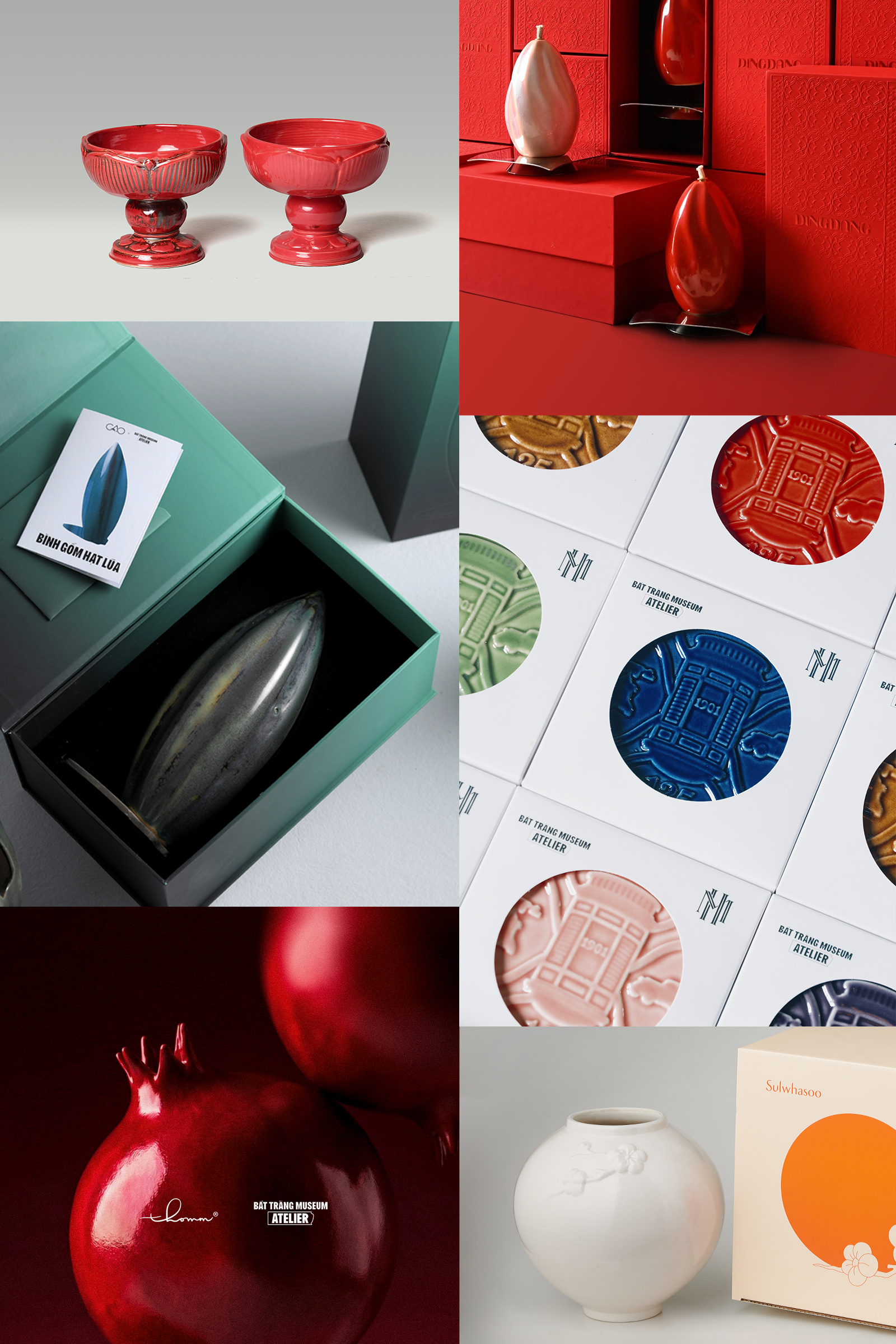
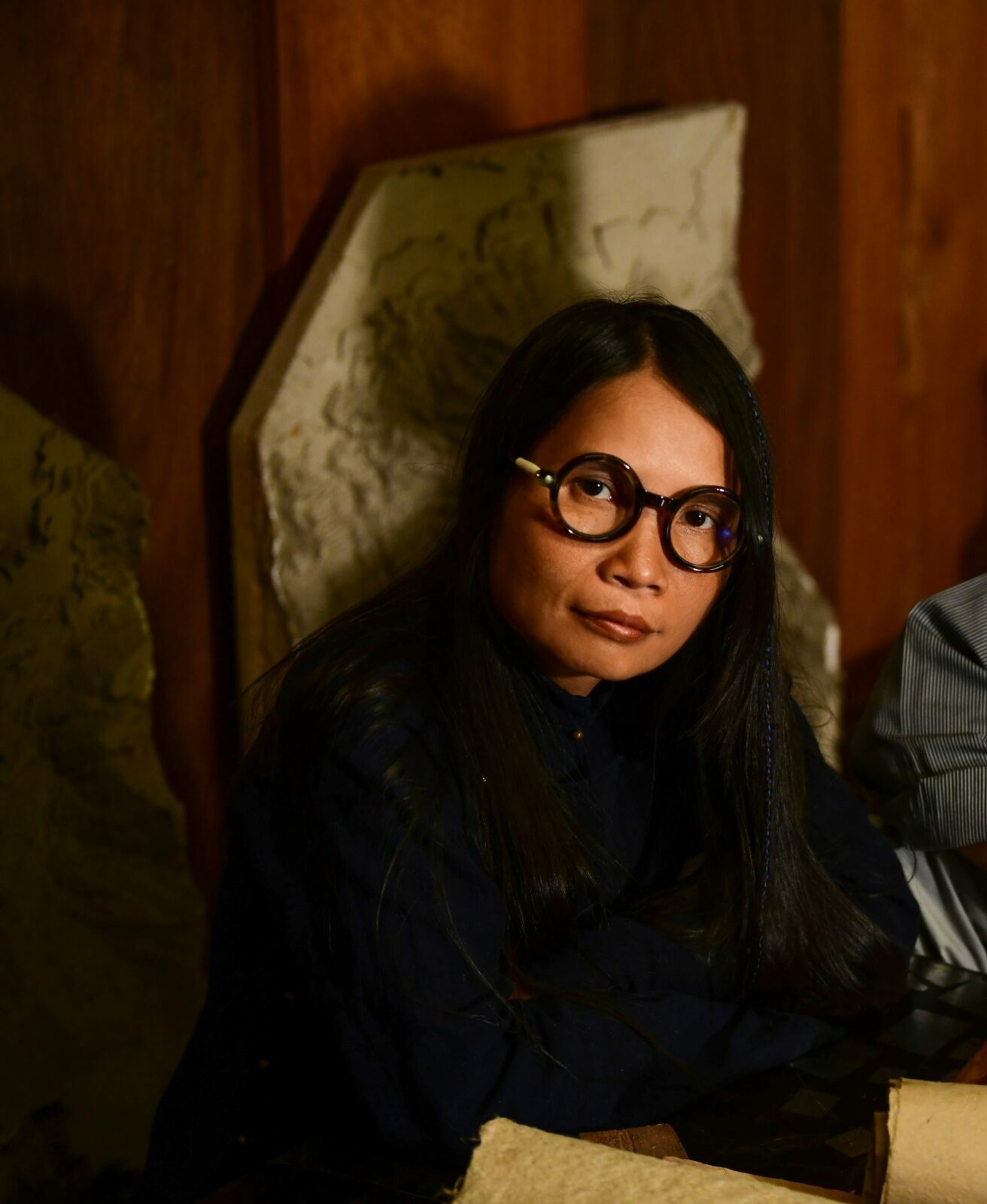
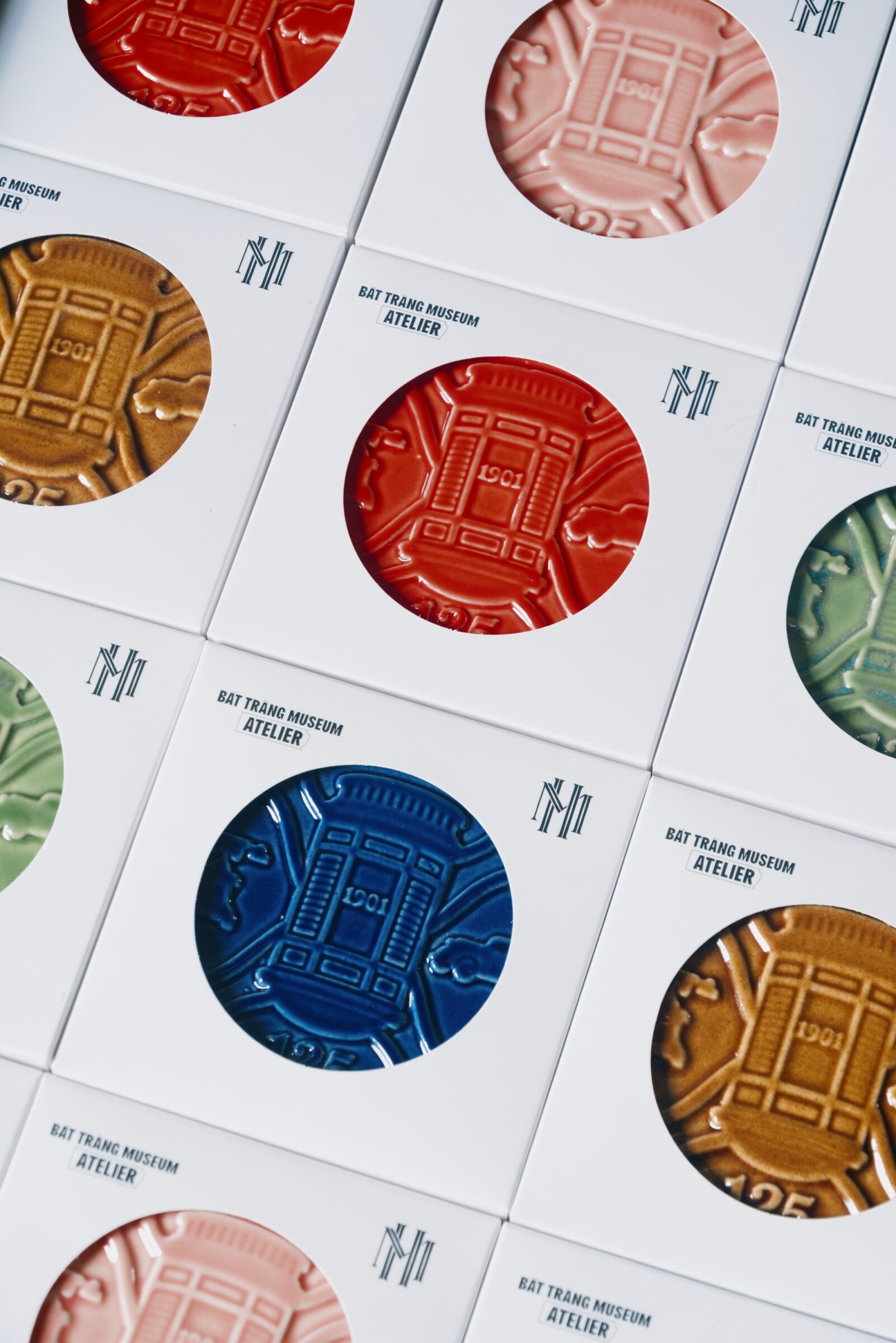
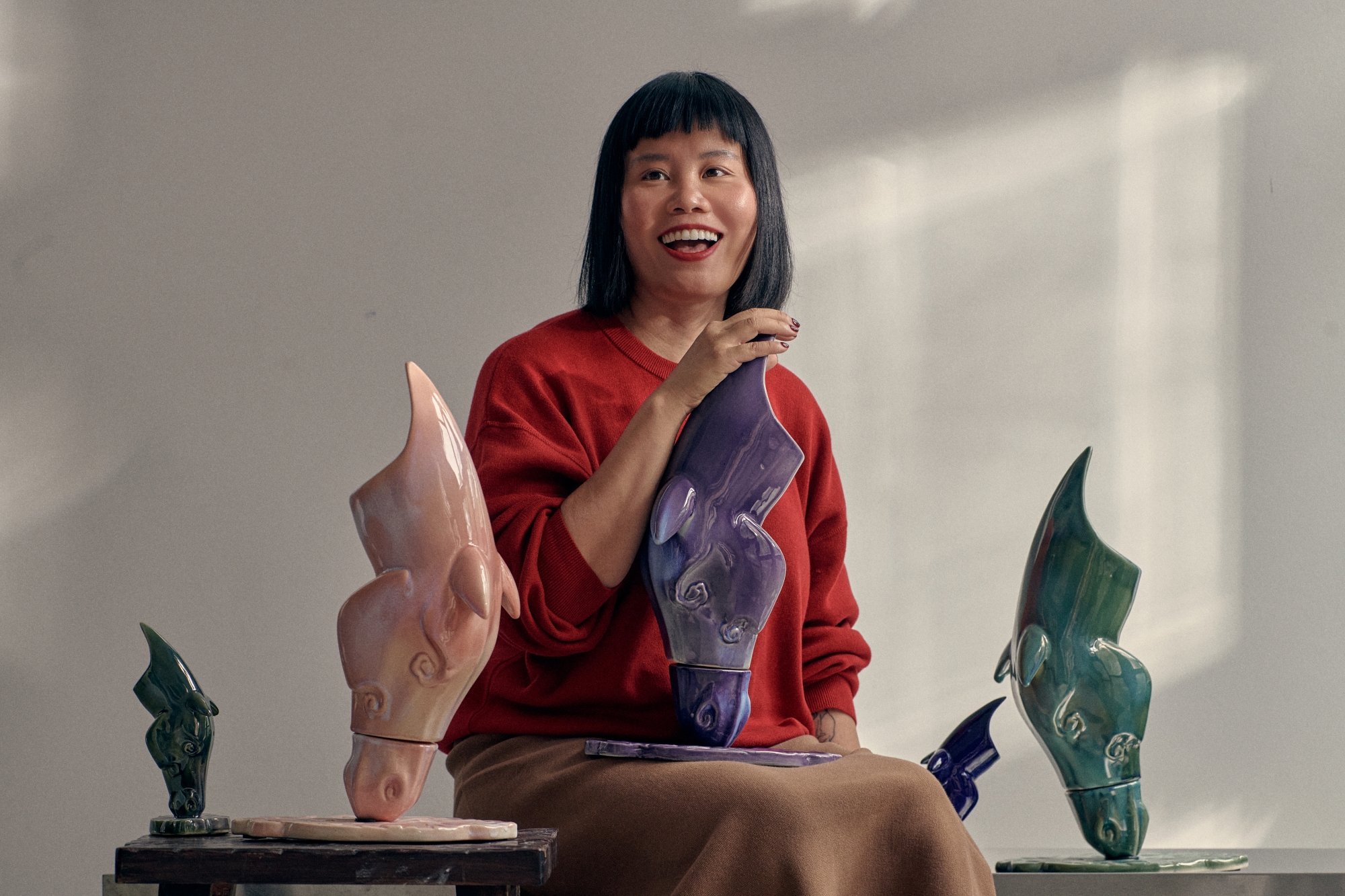
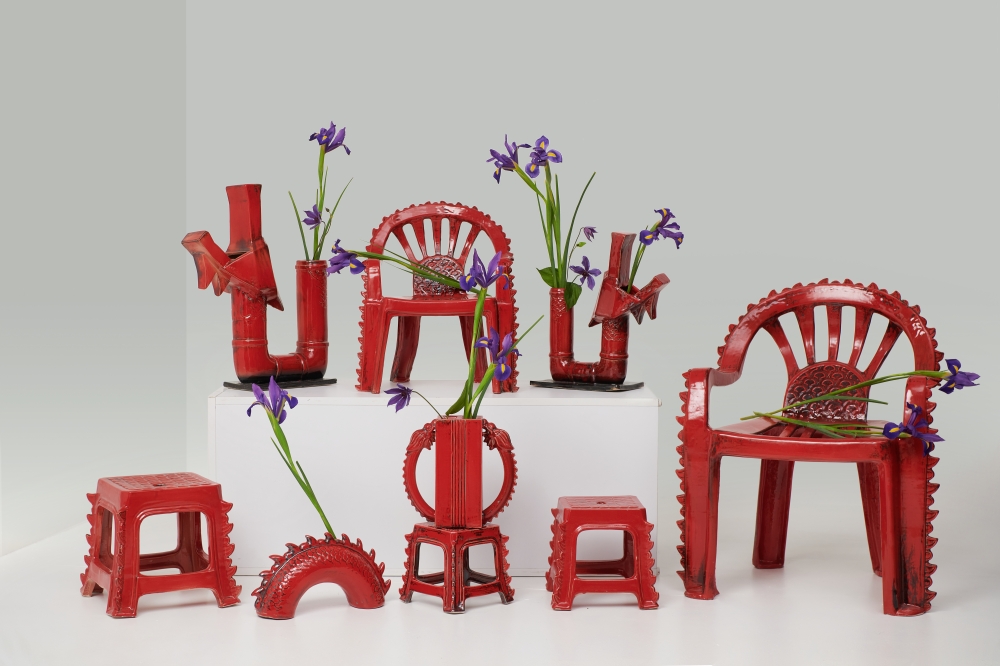
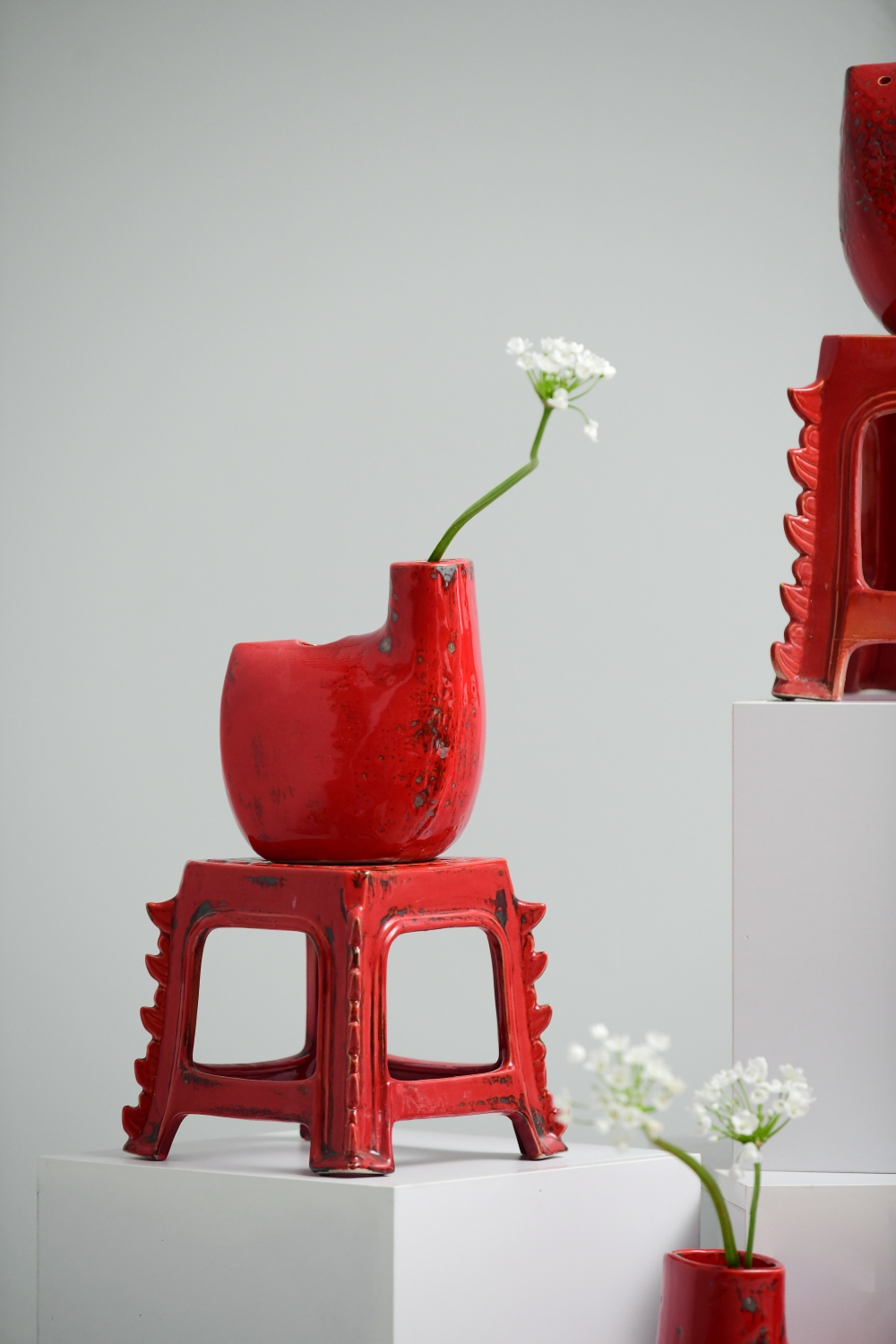
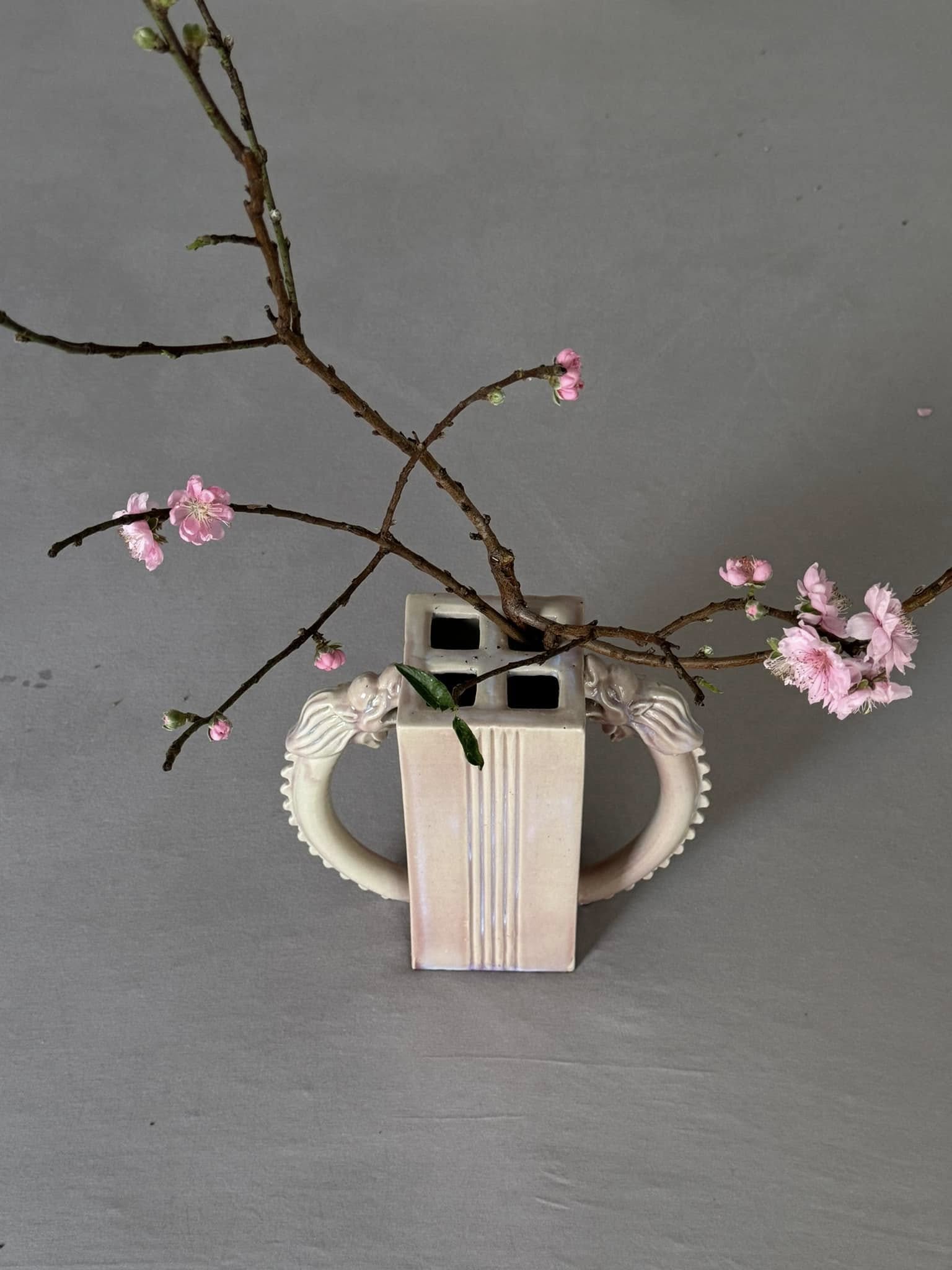
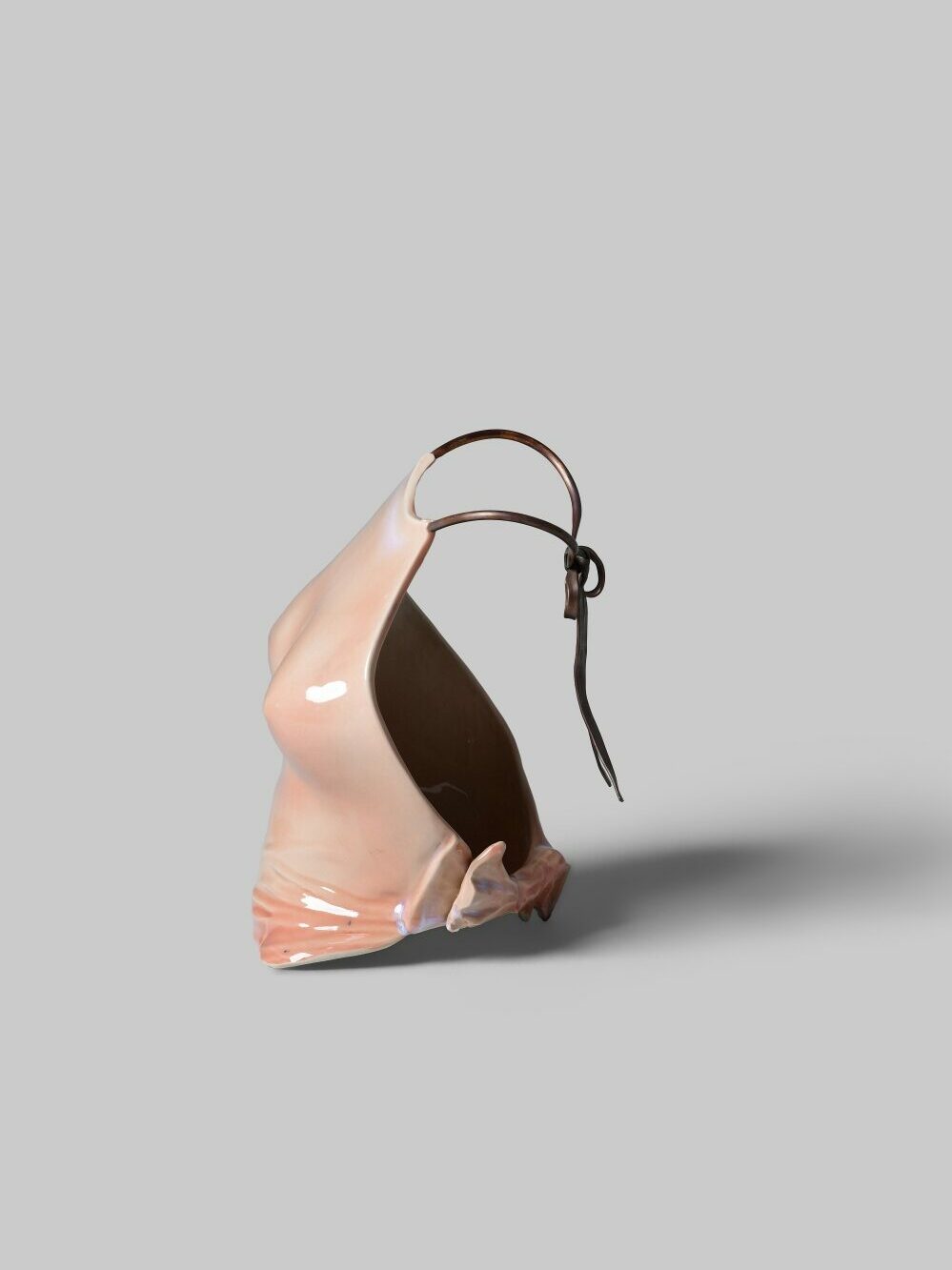
After more than two decades in fashion, designer Diệu Anh has expanded her creative practice into a new field: Product Design. That journey began with handmade ceramics at Bát Tràng Museum Atelier (BTMA).
In this conversation, she reflects on the shifts in her creative thinking, her experience of working with clay, and the roles that discipline, observation, and intuition have played throughout her practice.

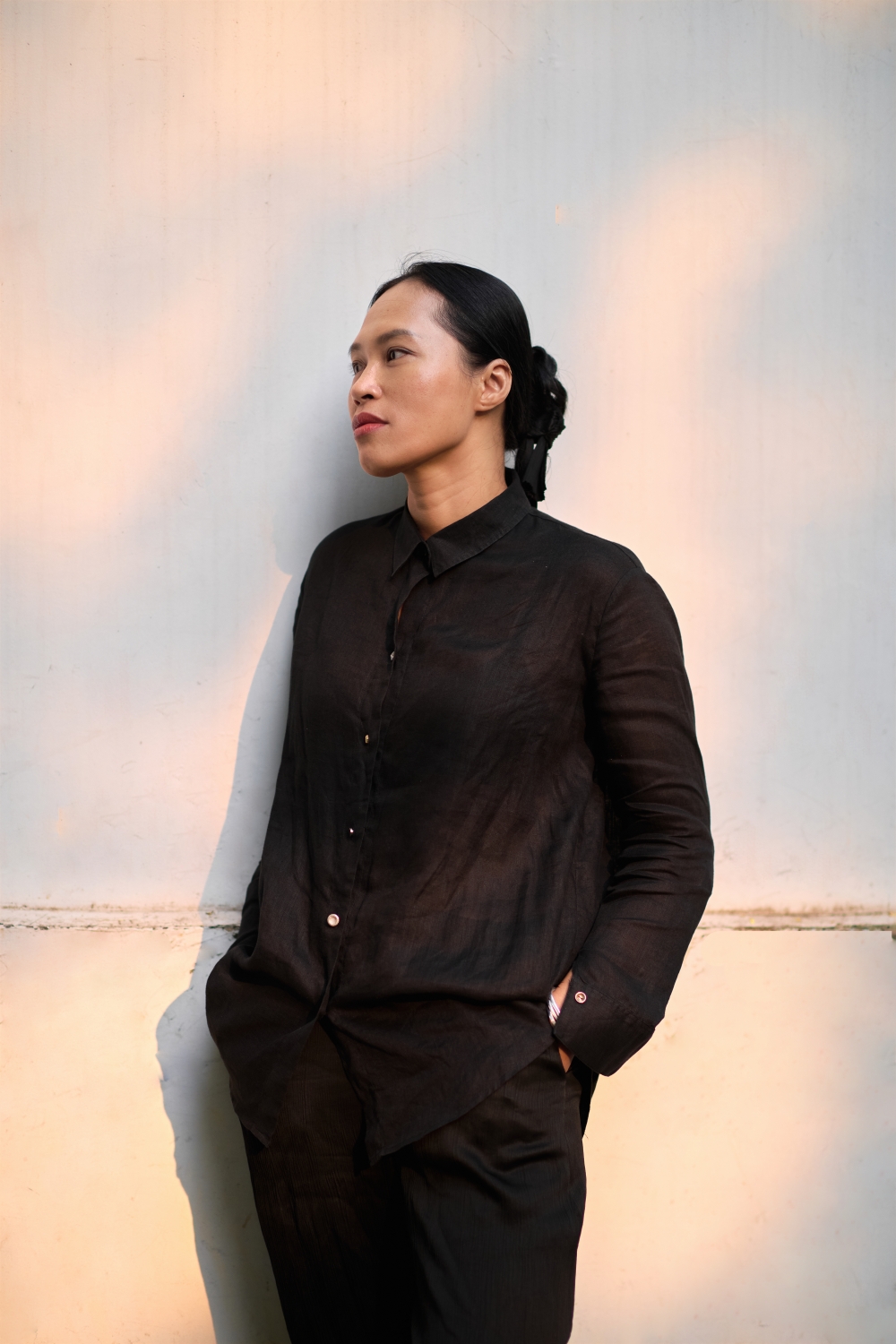

After more than two decades in fashion, what led you to expand your practice into Product Design?
I wouldn’t say that I have been relentlessly pursuing creativity throughout my career. But I do admit that, when I was younger, I worked with a great deal of instinct, determination, and passion. Along the way, there were moments of doubt, setbacks, and uncertainty. Looking back, I think those experiences were necessary—they taught me to slow down.
After spending many years in fashion, I began questioning the long-term value the industry could offer. At the same time, the conversations around fast fashion and excessive consumption made me reflect more deeply on the work I was doing. Creativity still drives me to make something new, but today I find myself looking for work that offers greater purpose, practical value, and a more meaningful relationship with everyday life.
Product Design became the direction I chose because it allowed me to think more deeply about function and the experience of using an object, alongside creativity itself.
How has your experience in fashion influenced the way you approach this new discipline?
Stepping into a different field, I realised that many of the ways I think as a fashion designer naturally carried over. My understanding of composition—from sharp geometric structures to softer lines—as well as the idea of flow within the construction of a garment, has found its way into my product designs. As a result, the objects I create are not only functional, but also retain a sense of emotion and aesthetic character.
The biggest difference is that, in product design, function always comes first. It requires a much more analytical way of thinking. At the same time, finding the balance between functionality and artistic expression has become one of the most rewarding parts of the process.
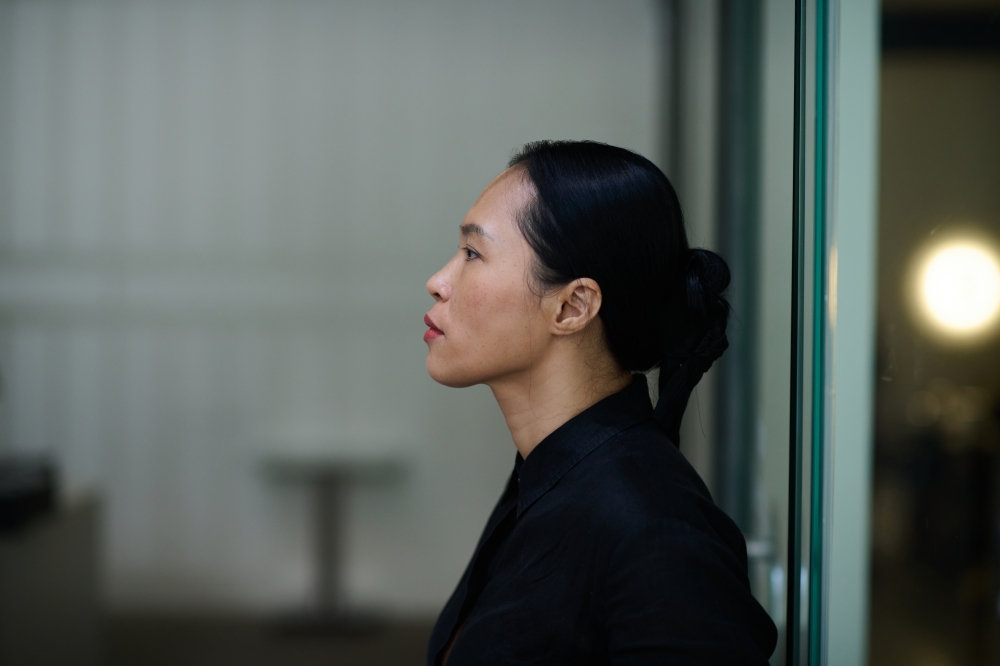
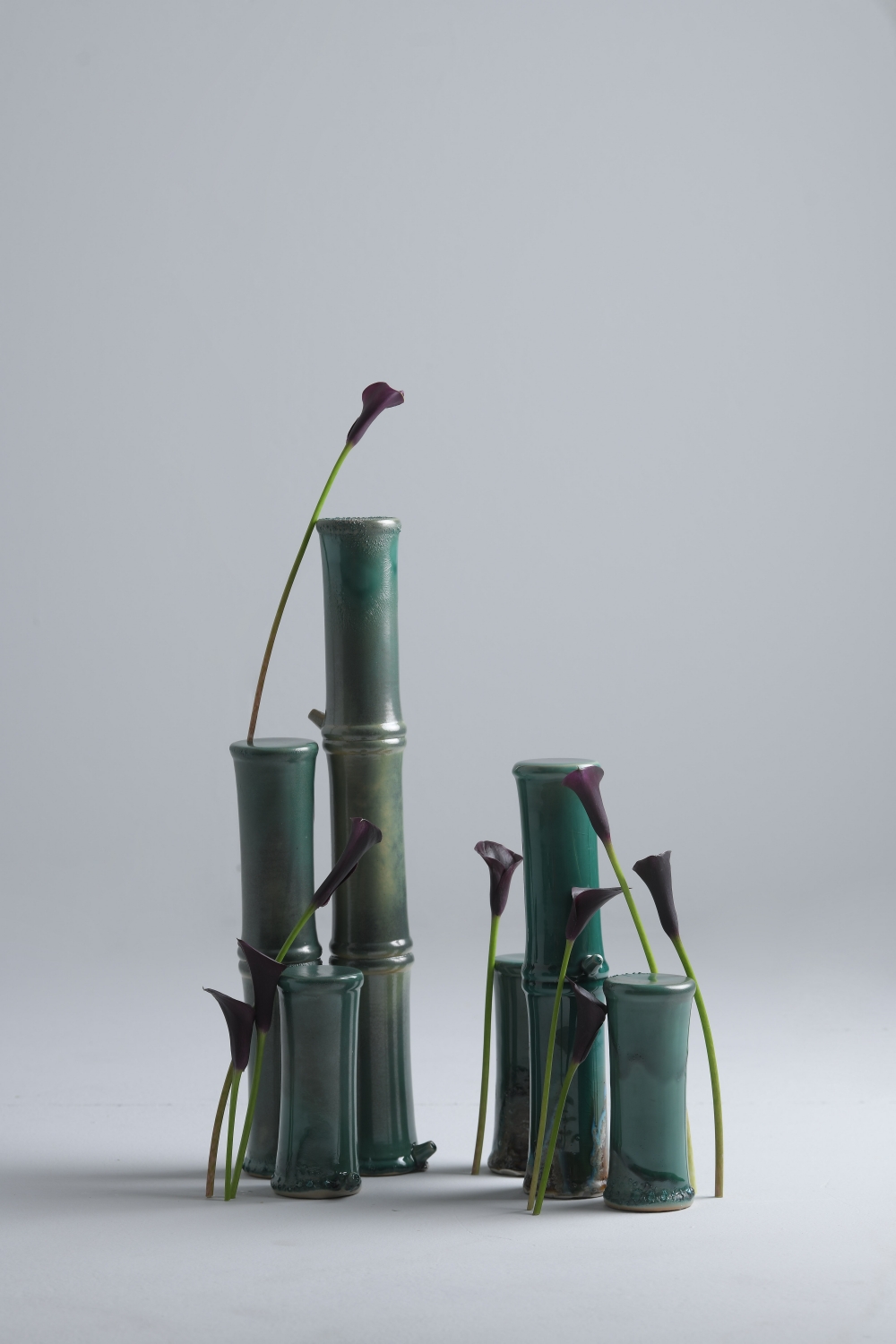
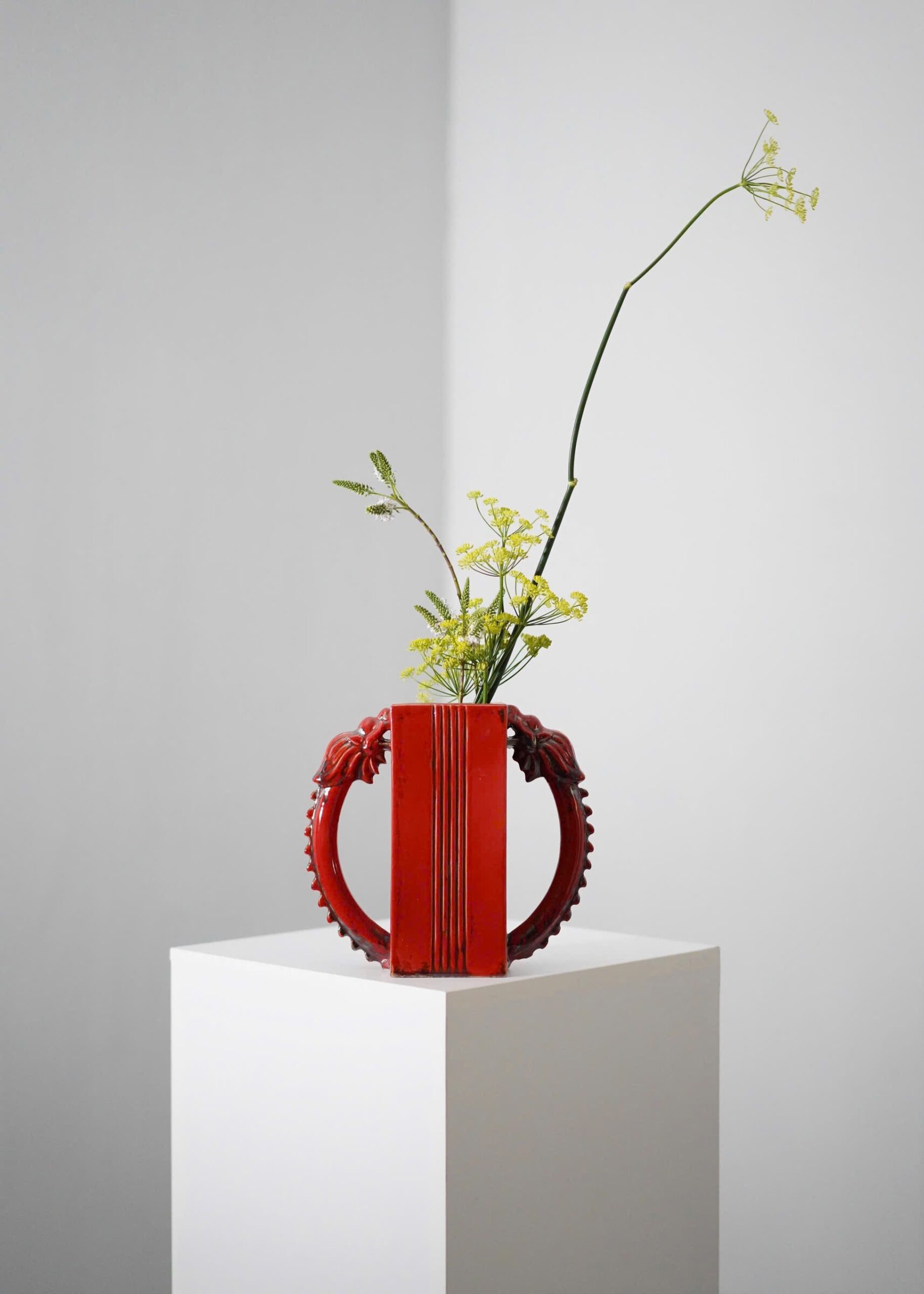
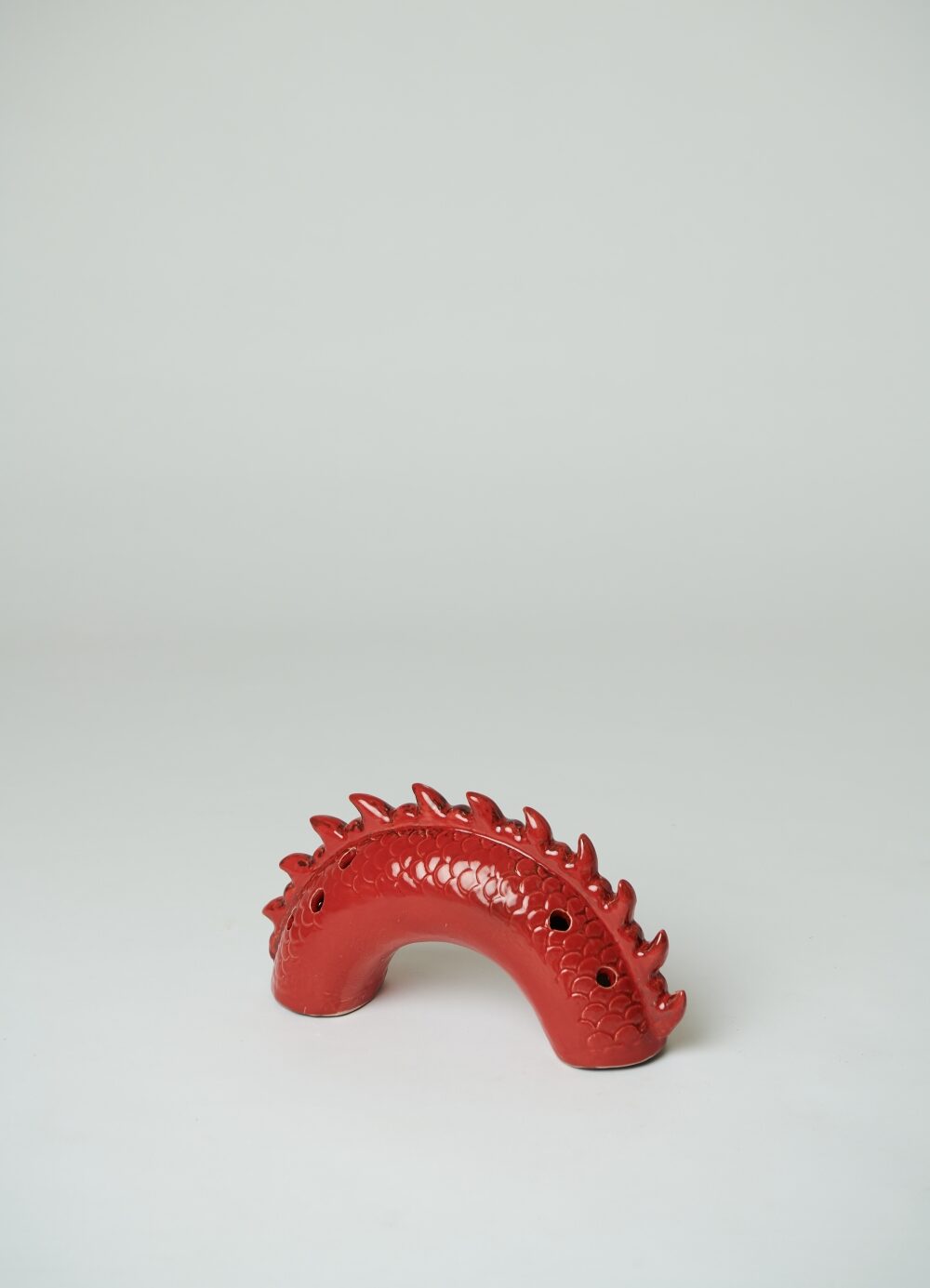
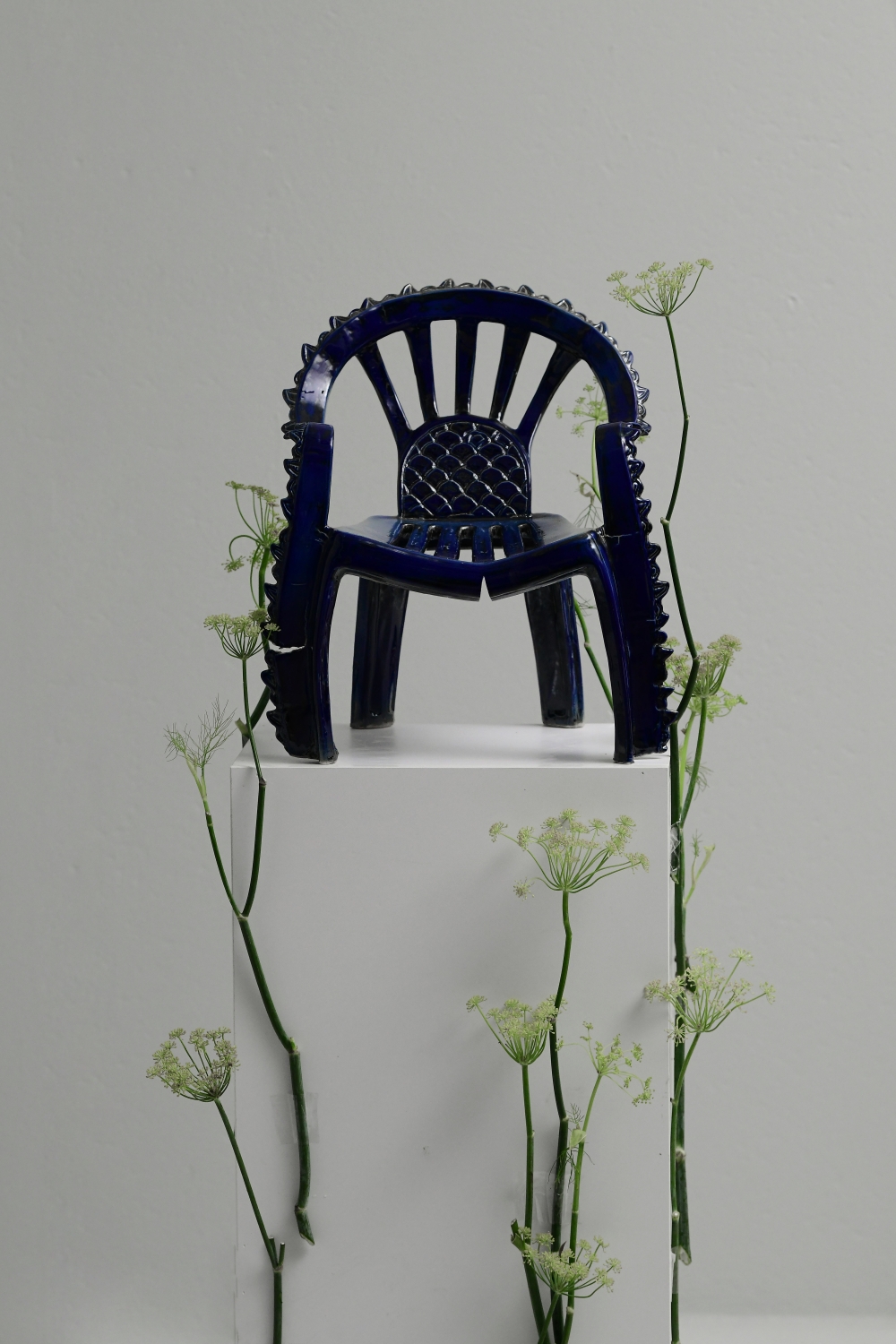
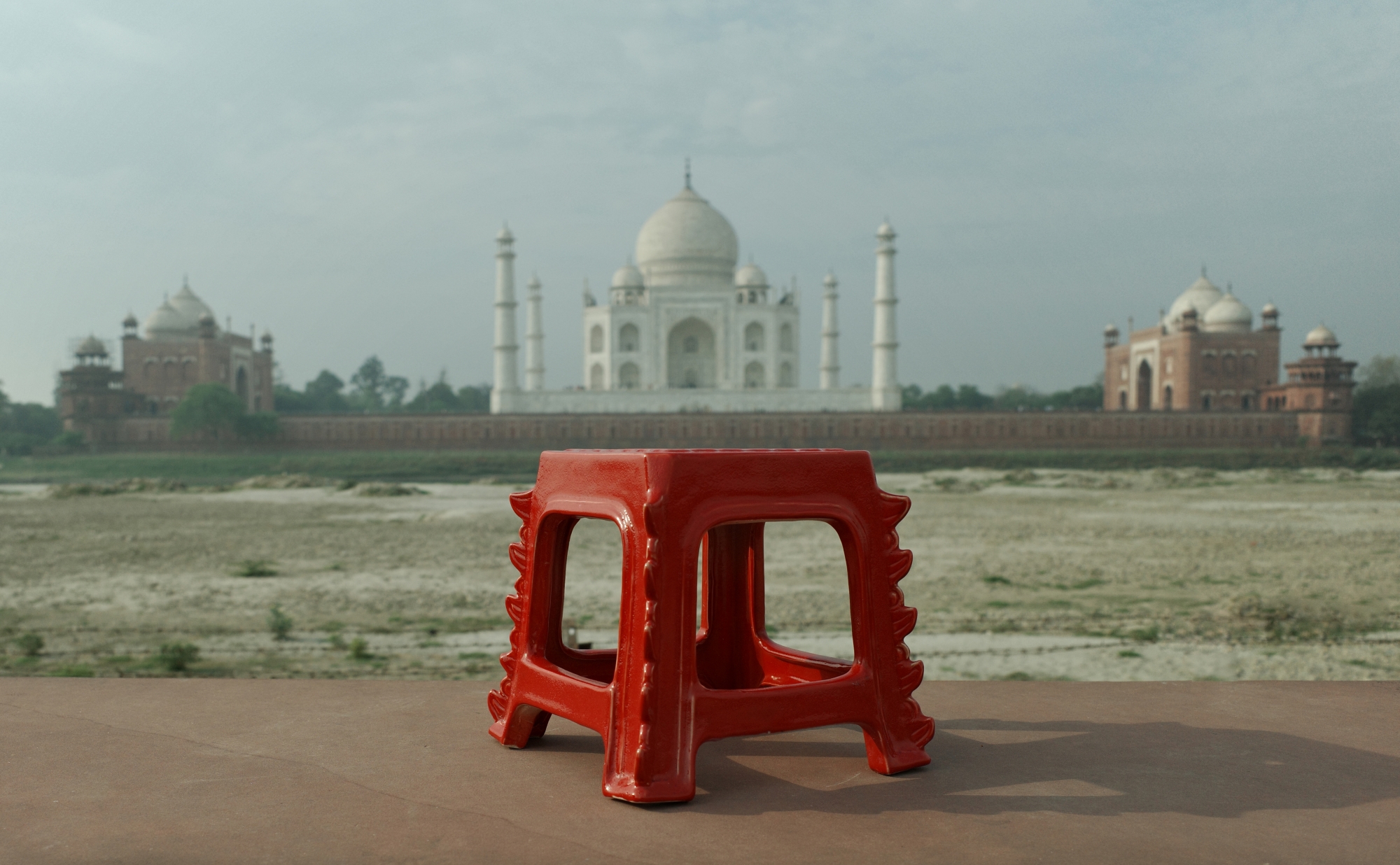
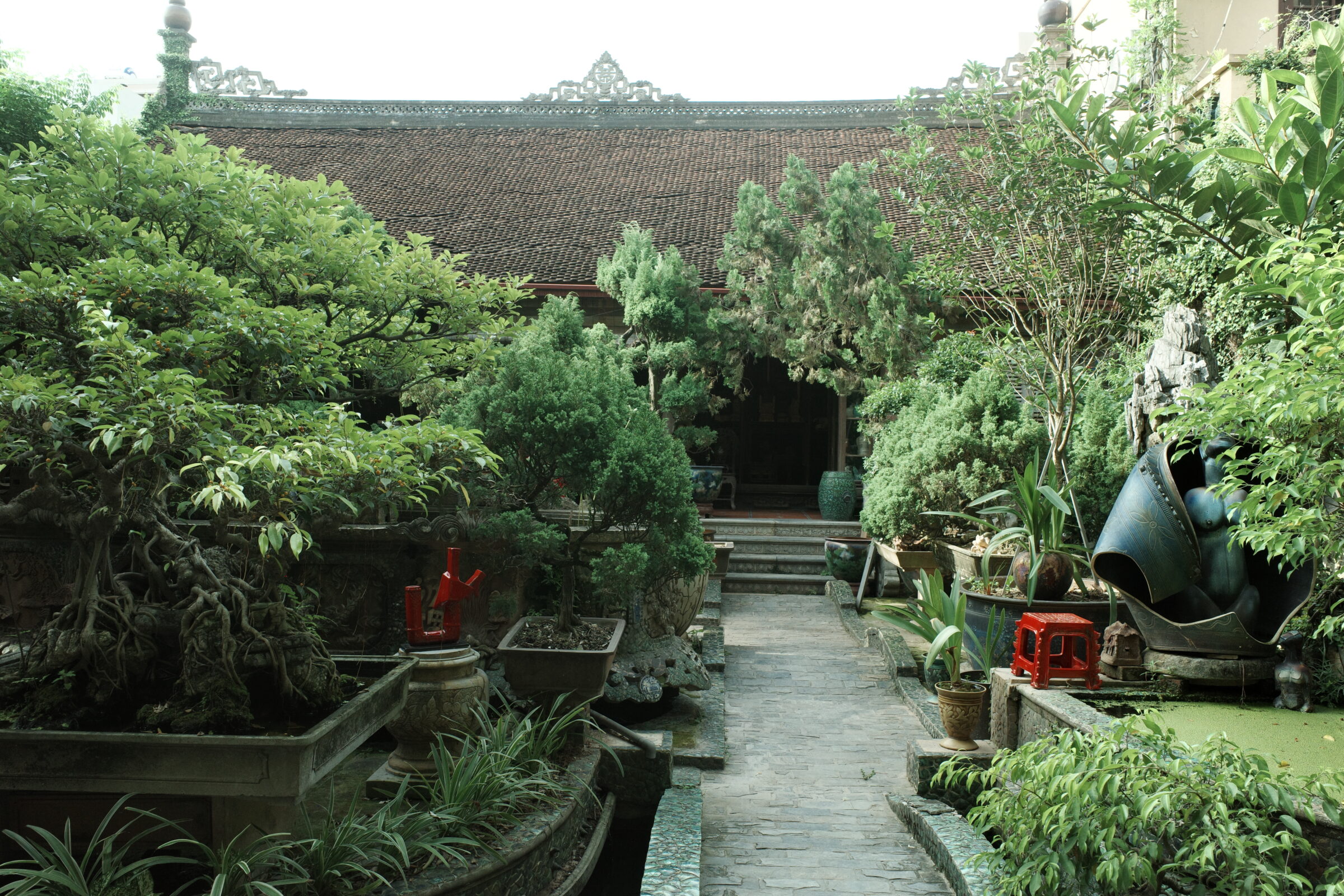
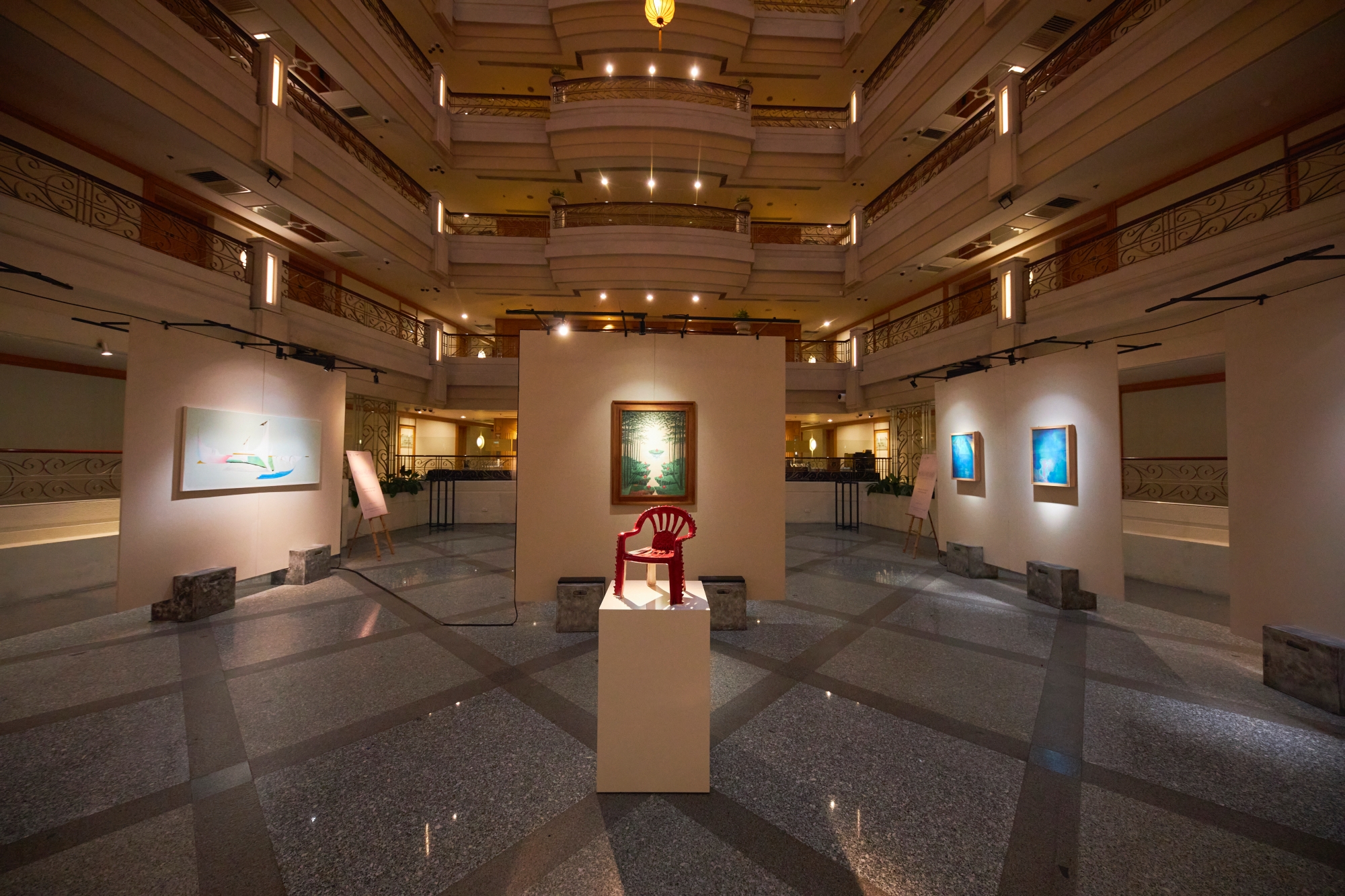
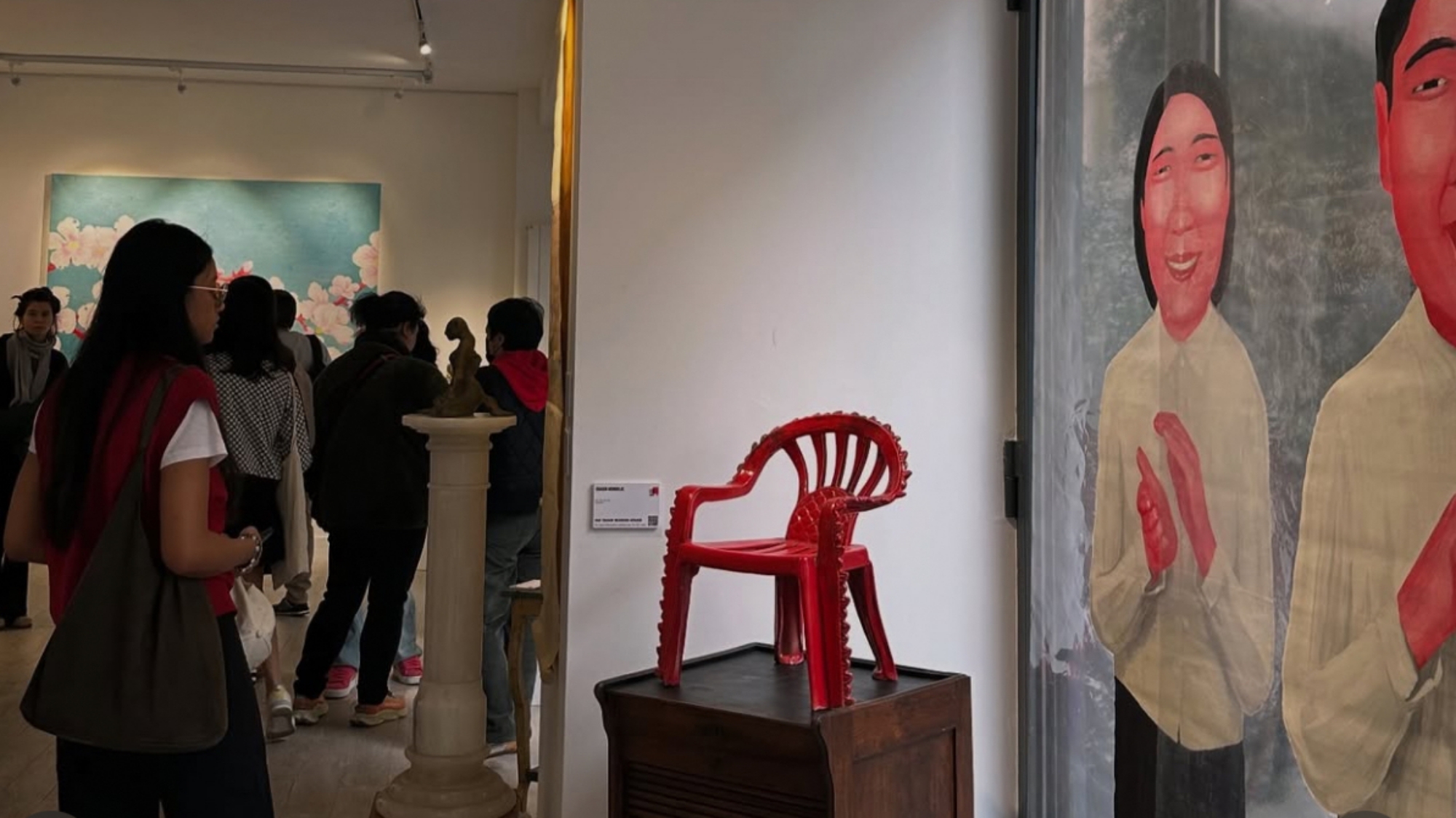
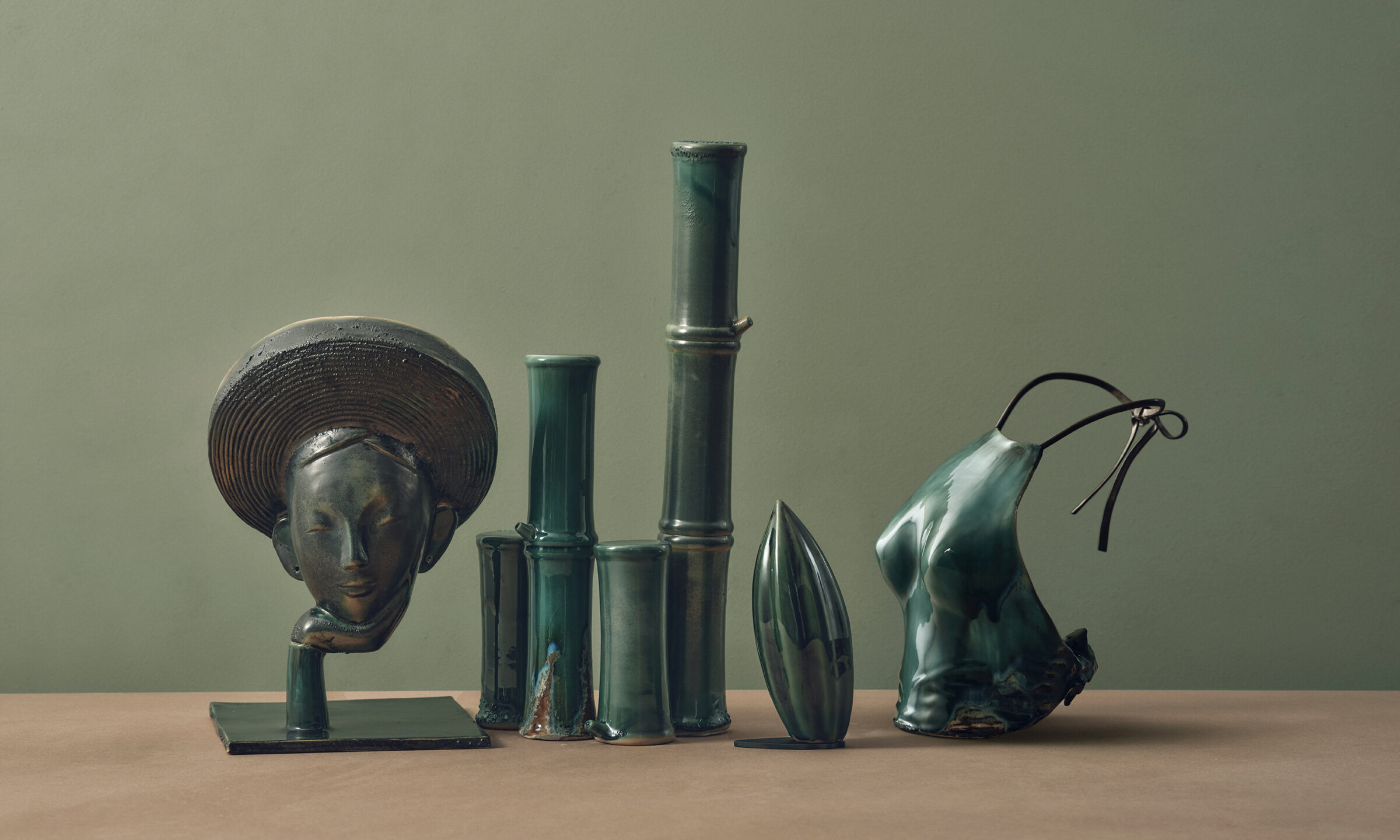
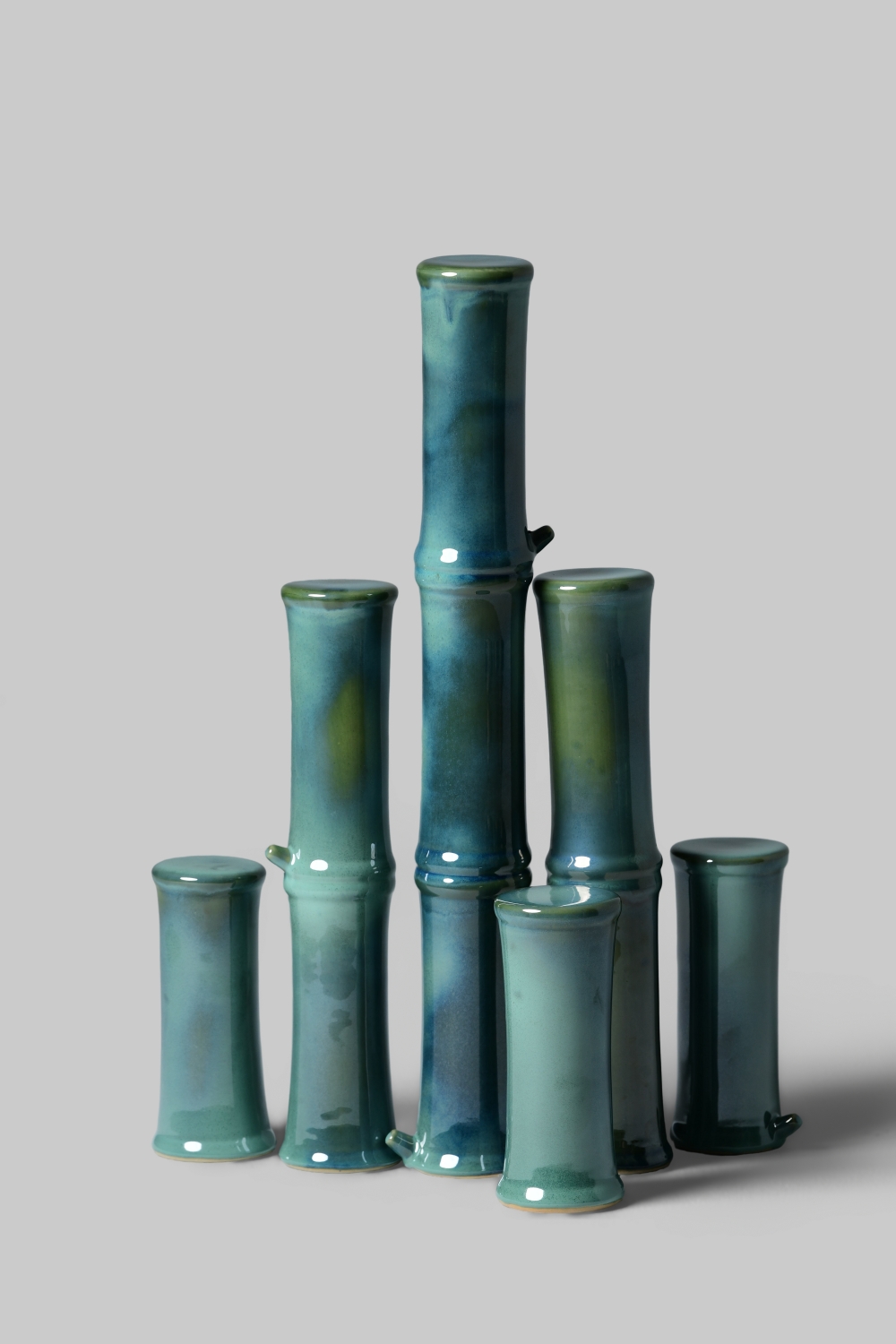
Could you tell us about your collaboration with Bát Tràng Museum Atelier (BTMA) through the Rồng Phố (Dragon of the Urbanities) and AN NAM collection?
I often think this collaboration began with a fortunate encounter. Vũ Khánh Tùng, Creative Director of BTMA, and I had many conversations before we started working together. Through those exchanges, we discovered a shared aesthetic sensibility and a mutual interest in local culture. Gradually, the idea of creating a project together took shape, eventually becoming the starting point of my collaboration with BTMA.
How do you bring your design thinking into ceramics?
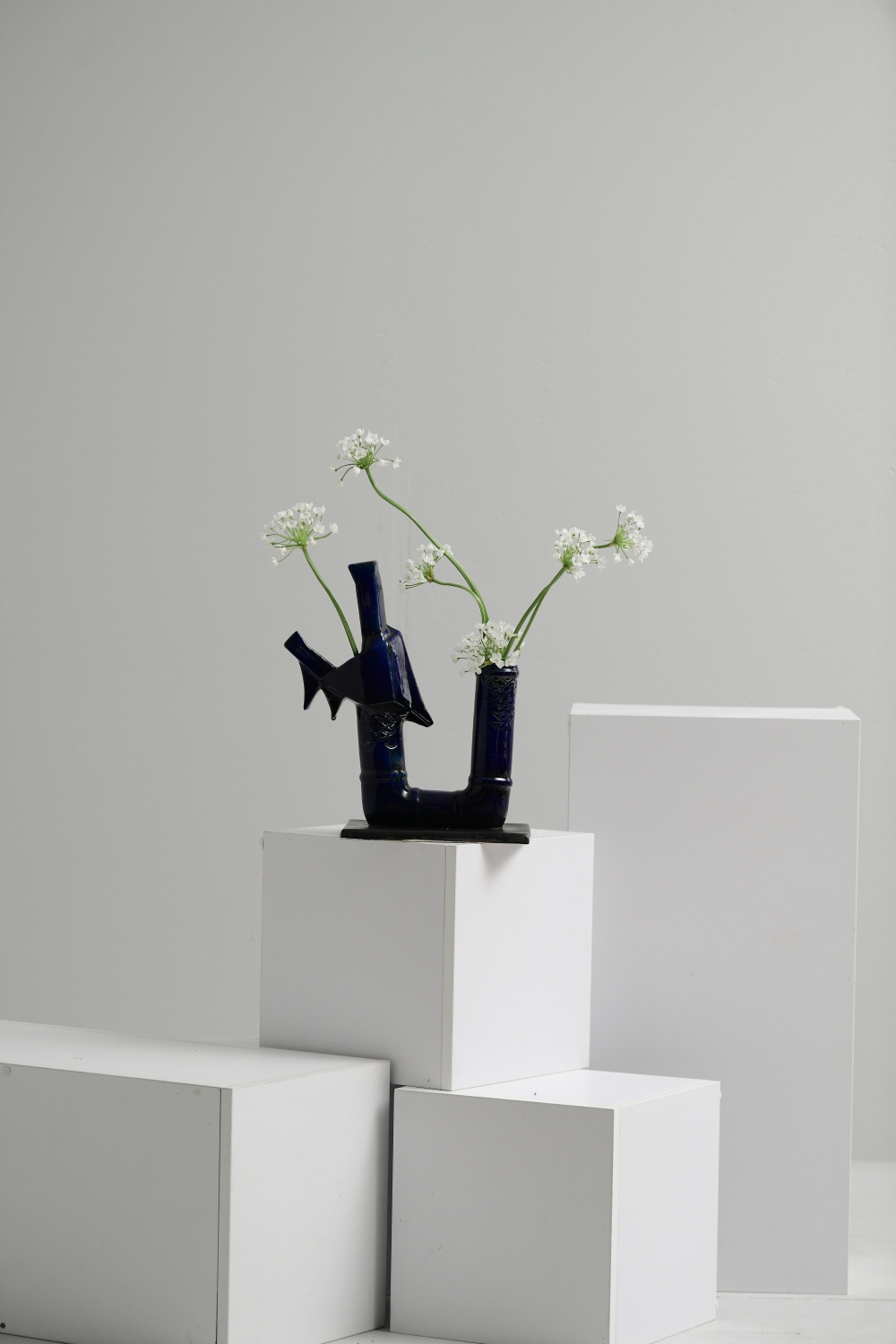
When I design a product, I usually begin with composition, particularly through clear, geometric structures. From there, I continue refining and reducing the details, allowing the form to become simpler and more resolved. My aim is to create objects that feel contemporary while still retaining a distinctly East Asian sensibility.
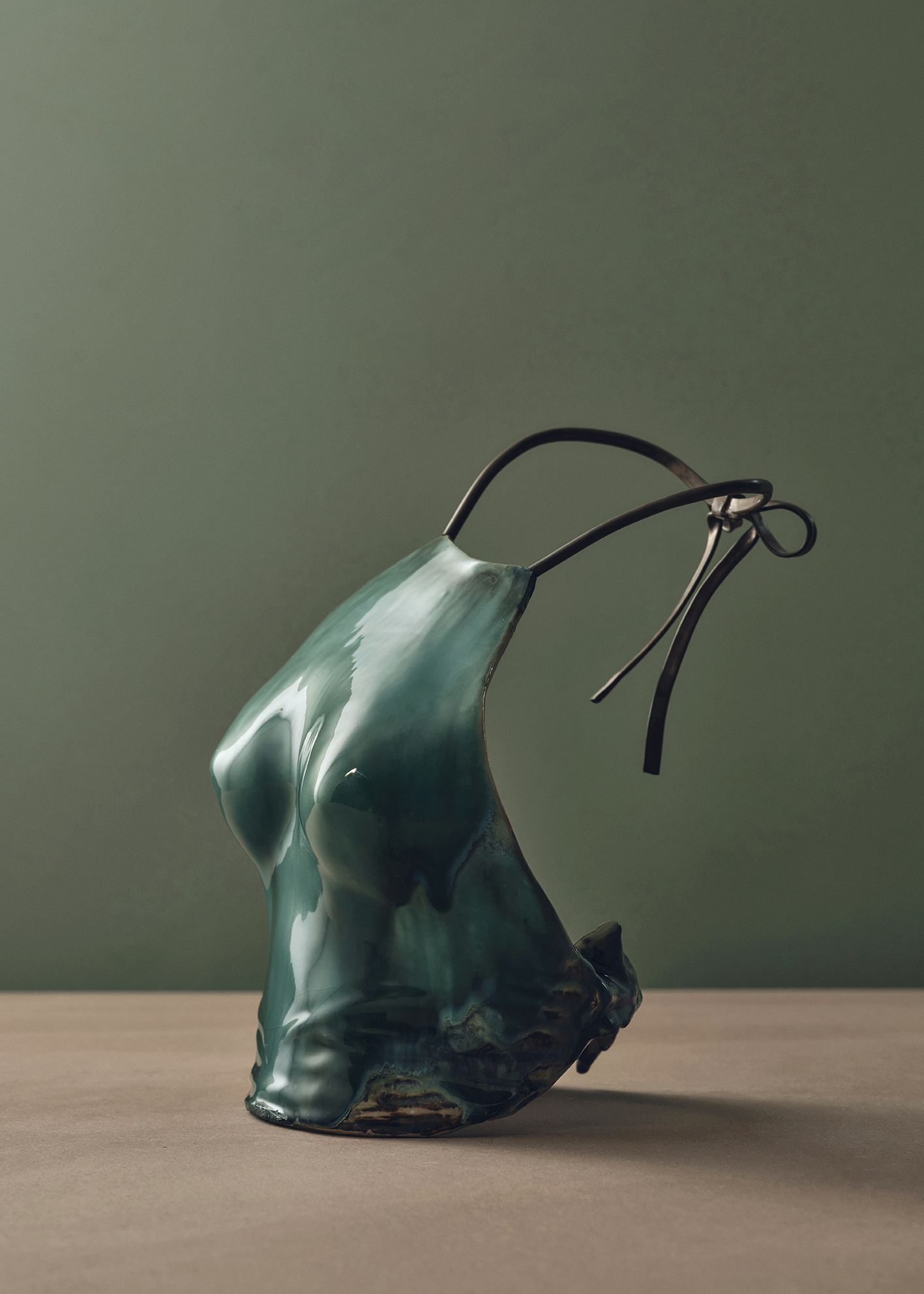
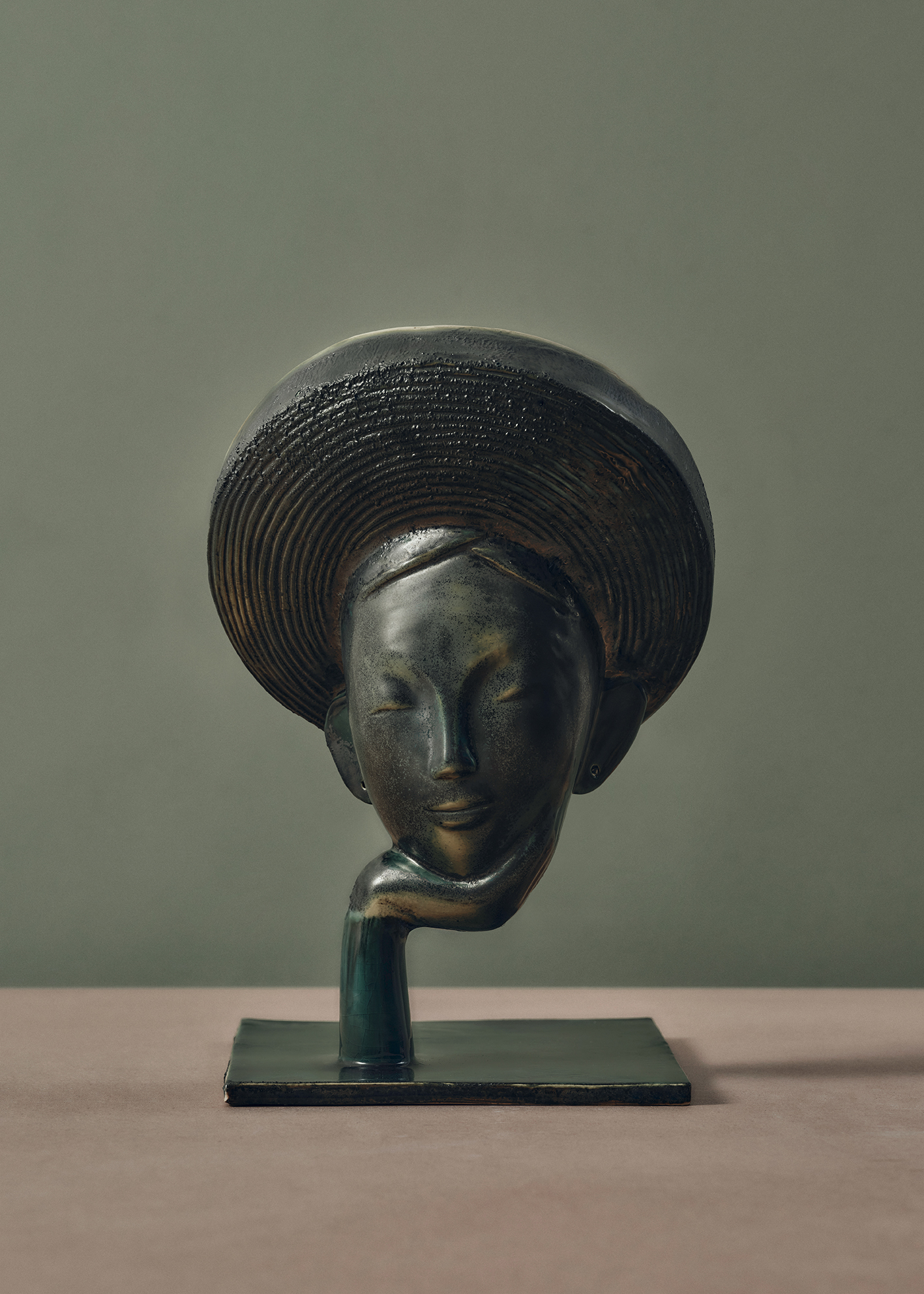
What have you learned from working directly with clay and its material limitations?
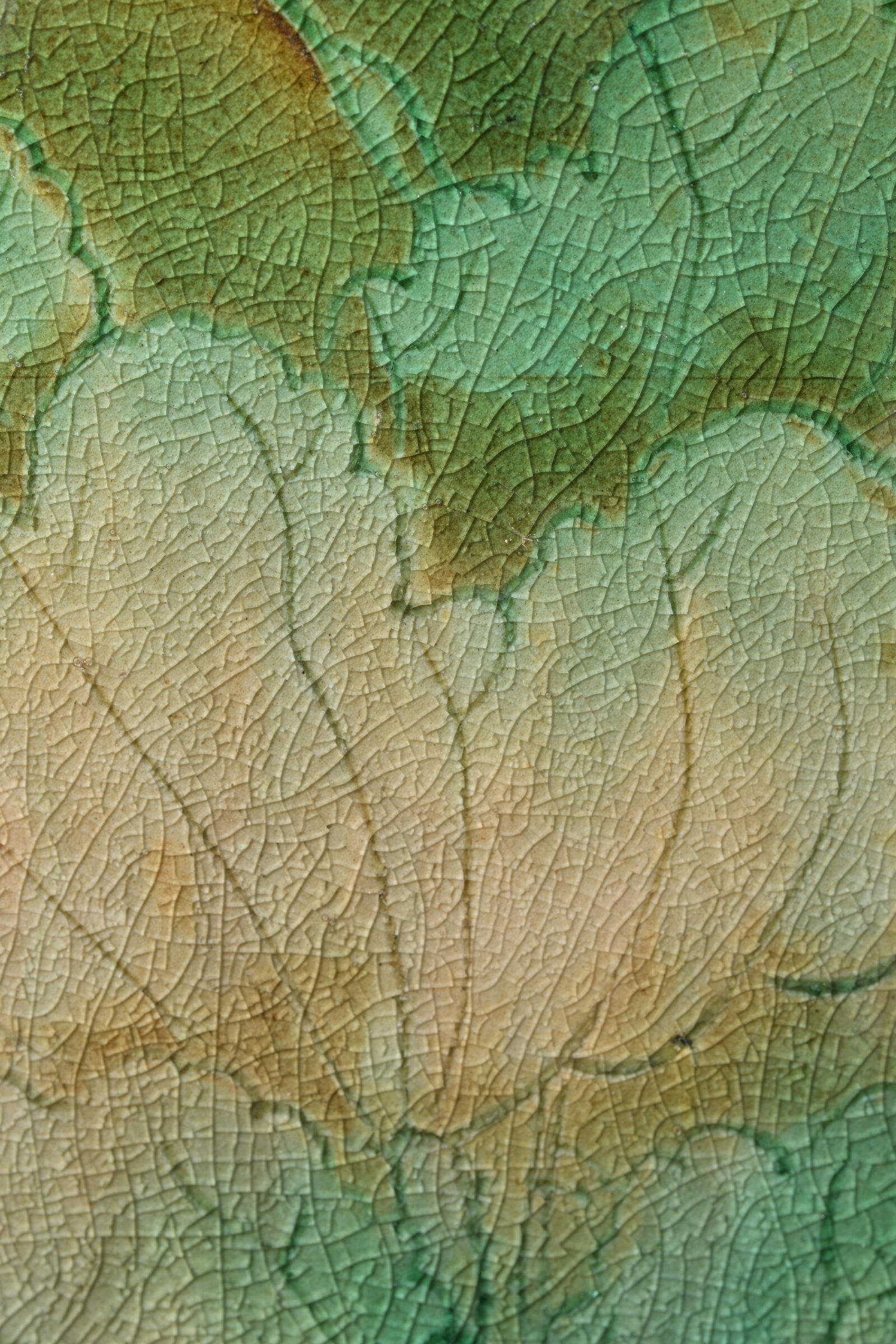
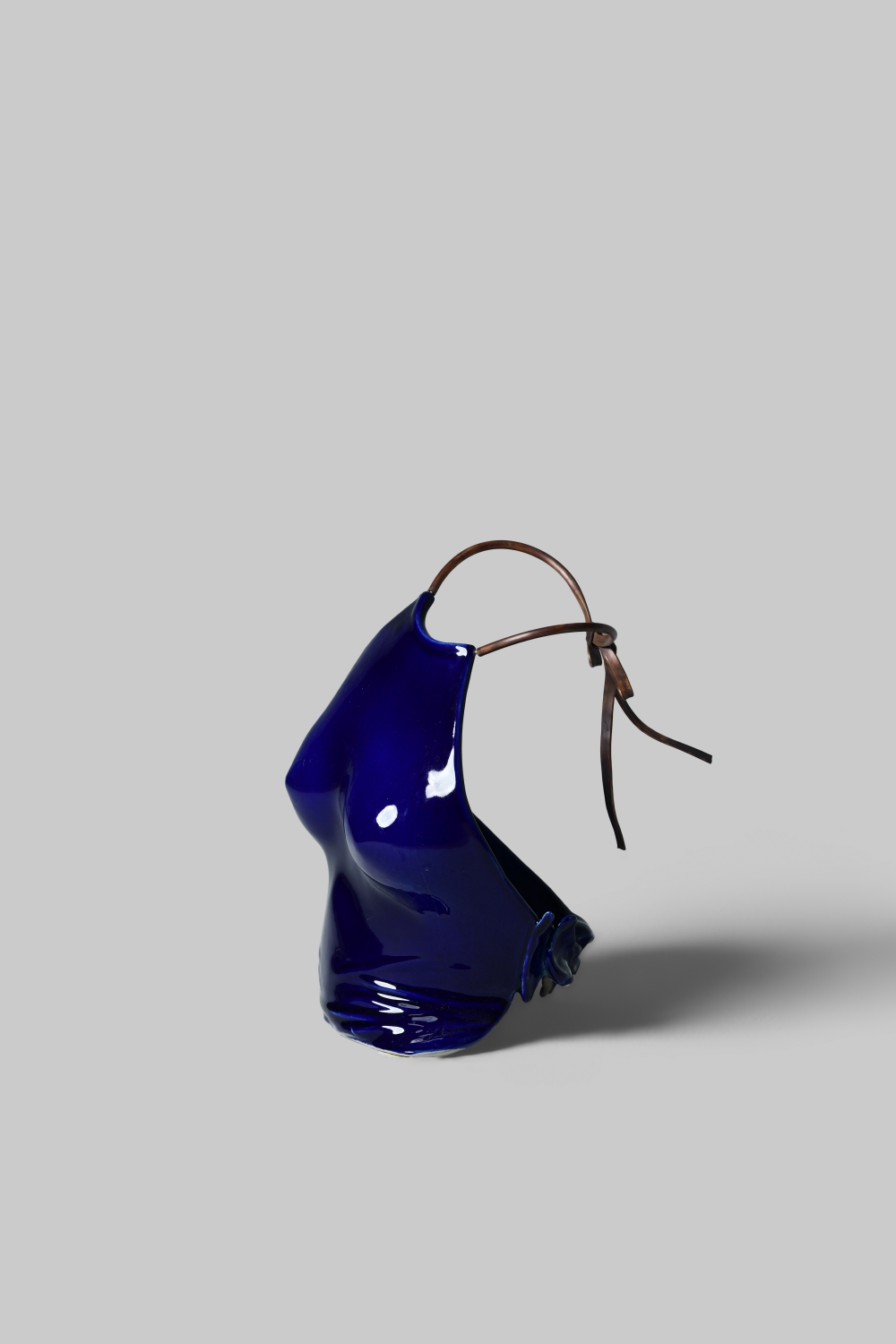
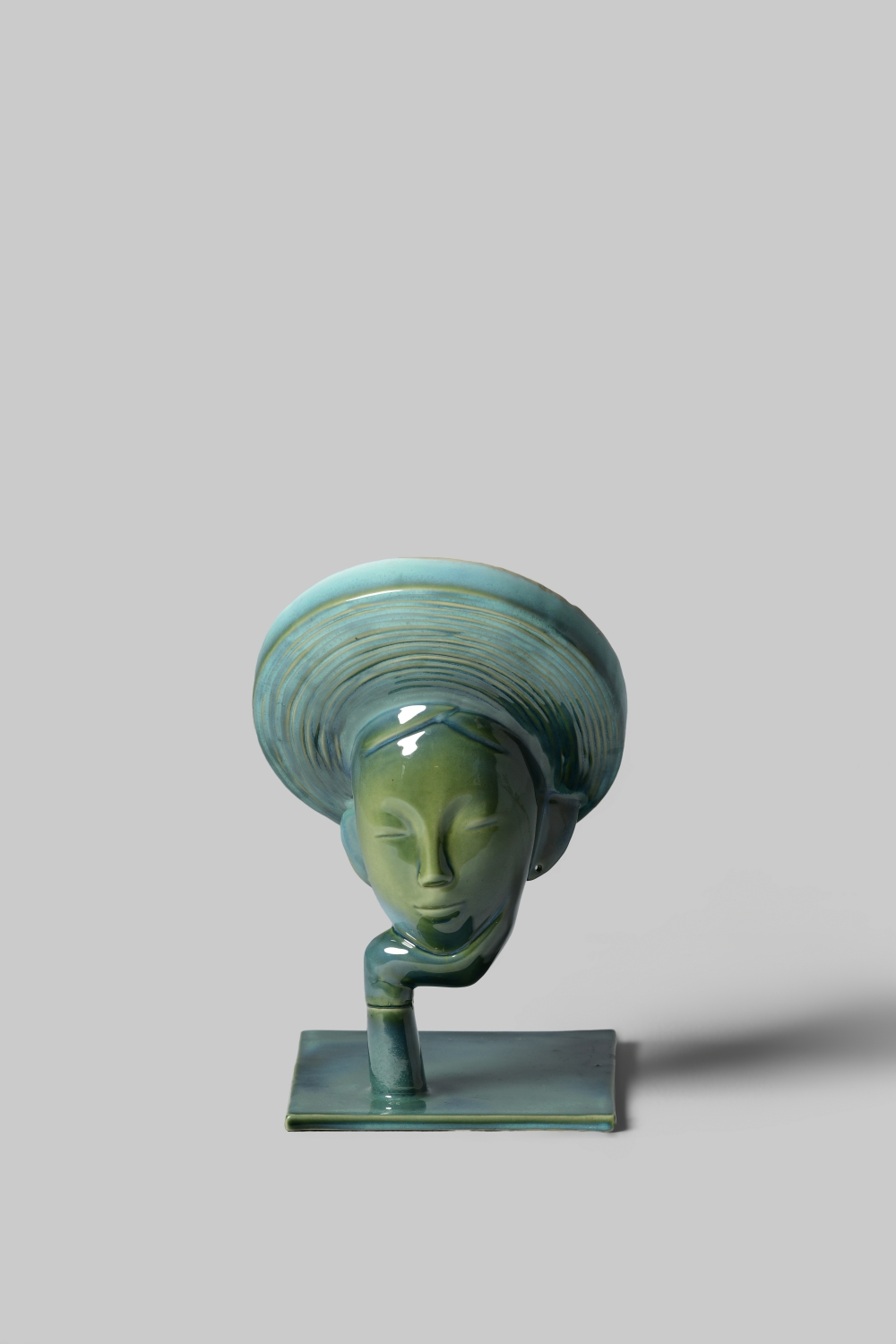
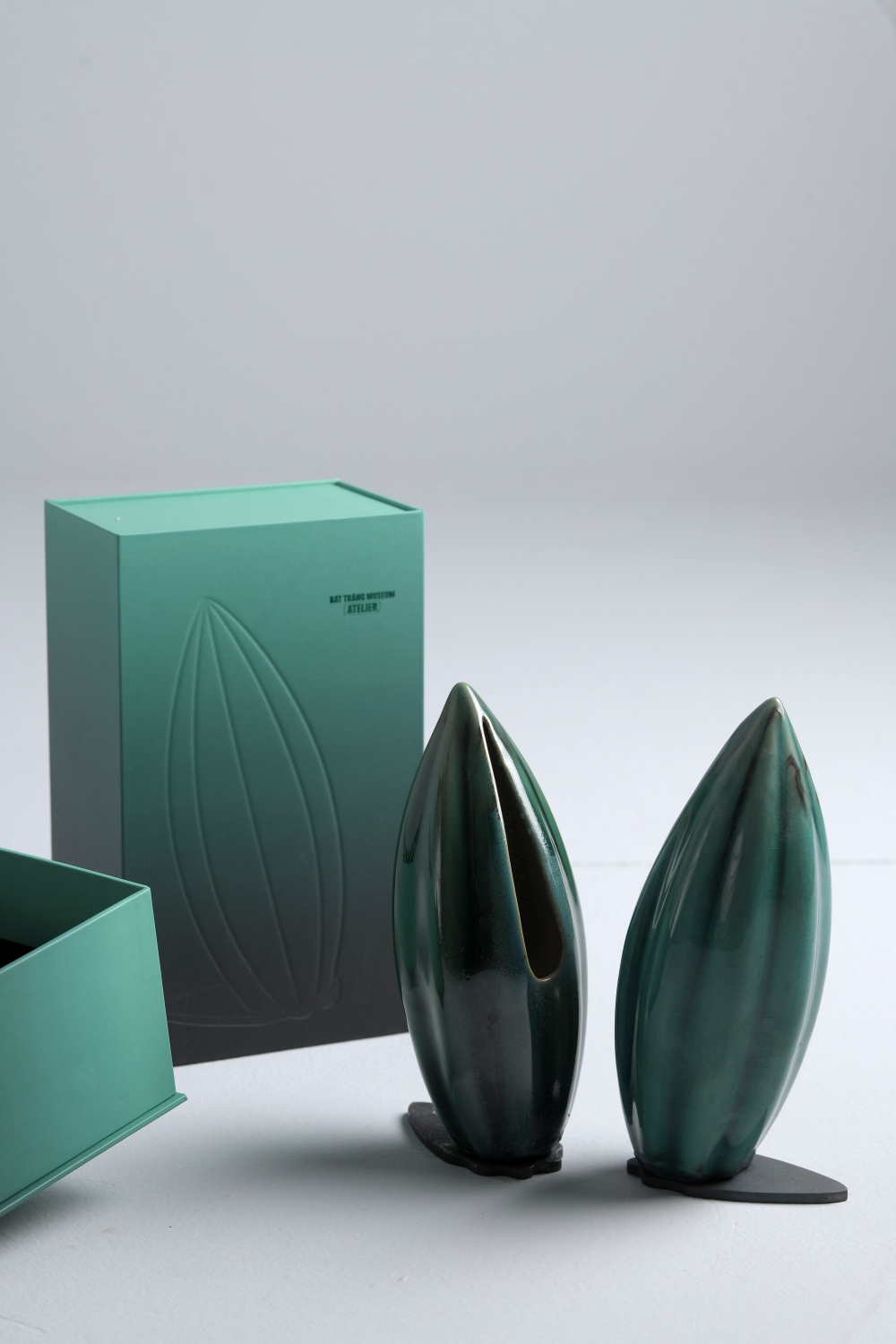
Working with ceramics has taught me a great deal about the limits of a material. It constantly challenges me to ask how far I can go and how those boundaries might be pushed, particularly when it comes to achieving balance in a finished object. With ceramics, the work does not end with the design drawing. Everything depends on whether an idea can survive the firing process. High-temperature firing requires tremendous technical precision, and that process has taught me many valuable lessons.
For me, working with clay feels like a path I was somehow led towards. Recently, as I have spent more time shaping clay with my own hands, I have come to appreciate the sensation of the material itself—the coolness of its surface and the quiet weight it carries. Those moments have made me slower, calmer, and more balanced, both as a designer and as a person.
An Observer of Life
You once shared the idea that “intelligence is sexy.” How do you see that today?
I still believe that wholeheartedly. To me, intelligence is sexy because it is a balance between appearance and intellect. When we are aware enough to observe and experience life, we begin to recognise our own strengths and weaknesses. With enough wisdom, we learn how to balance them and develop an identity of our own, rather than trying to become someone else.
Our natural character, the way we carry ourselves, and the qualities we are born with all become uniquely attractive when they are expressed in the right way.
In recent years, heritage has become increasingly present across many creative disciplines. How do you see this shift?
I think it is a very encouraging development. To be honest, it is something I have been waiting for over many years. At the same time, I do feel a certain regret for my own generation, because access to heritage was much more limited when we were starting out. Today, heritage has become an important source of inspiration across many creative fields, from music and film to tourism. I see this as an entirely positive development. Understanding the cultural heritage of the place where we come from provides the foundation for creating work with depth, identity, and a distinctive voice.
Has this movement changed the way I approach my own work? I would say no. Creativity has never been defined by generations.
How have travel and observing everyday life influenced your creative practice today?
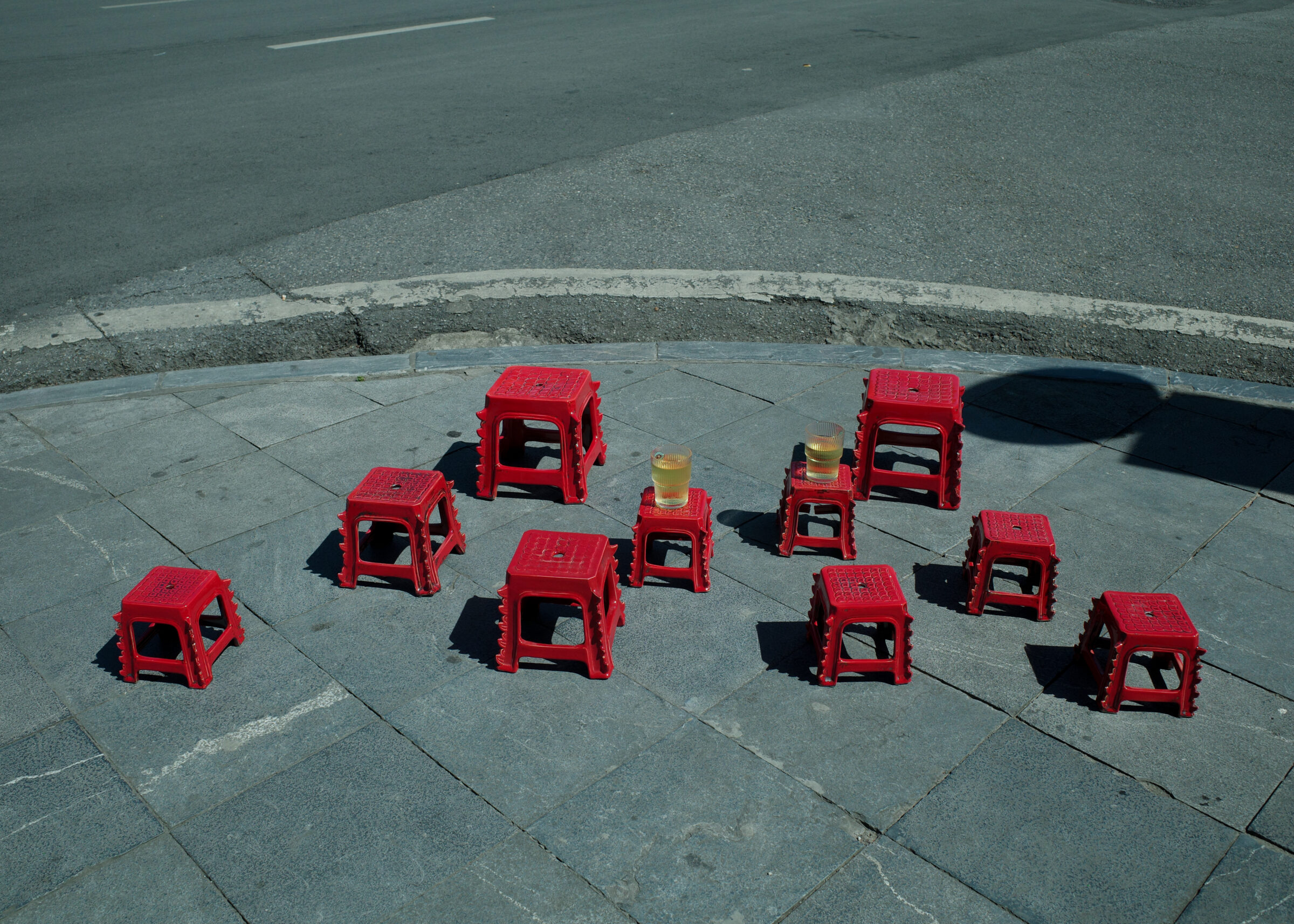
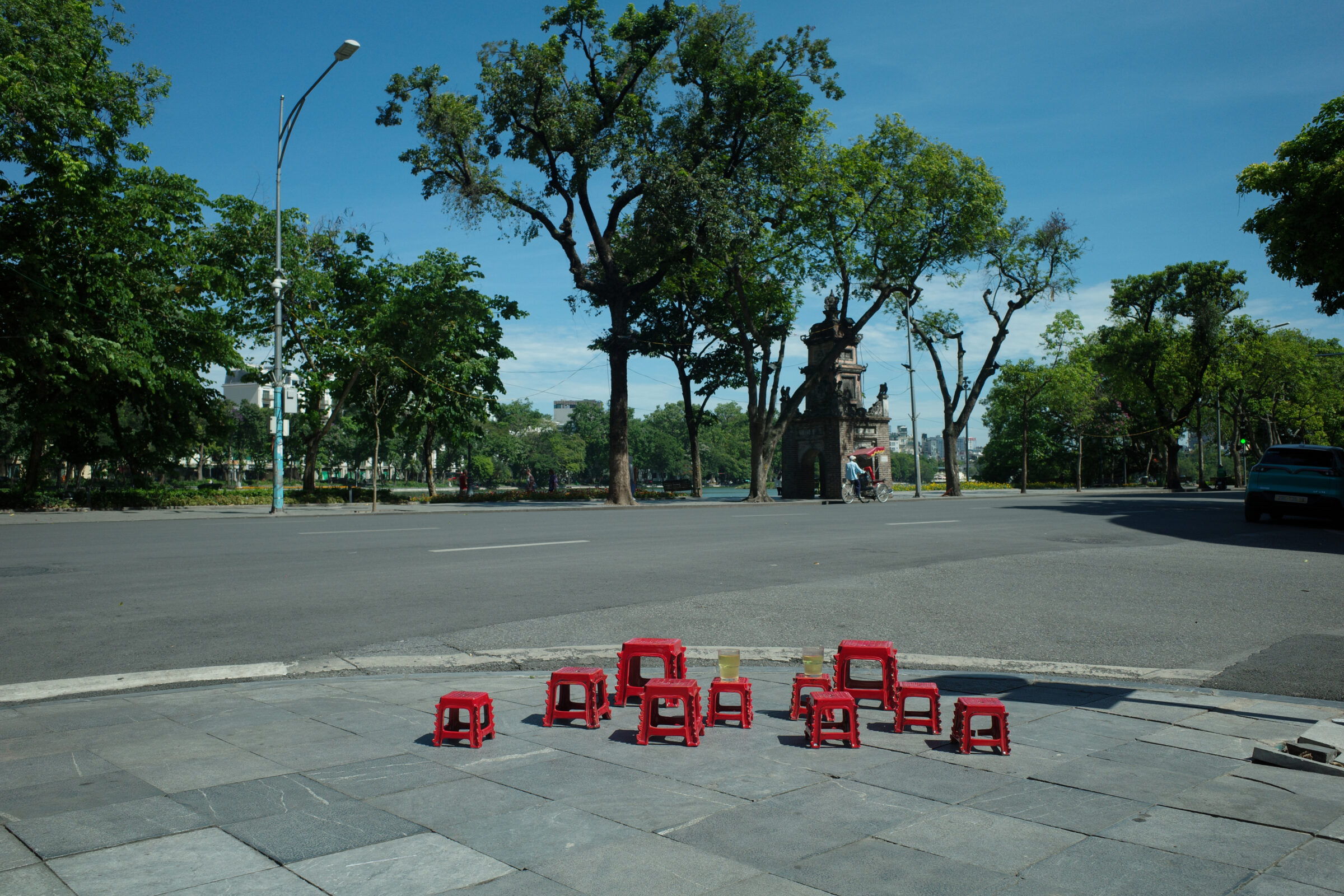
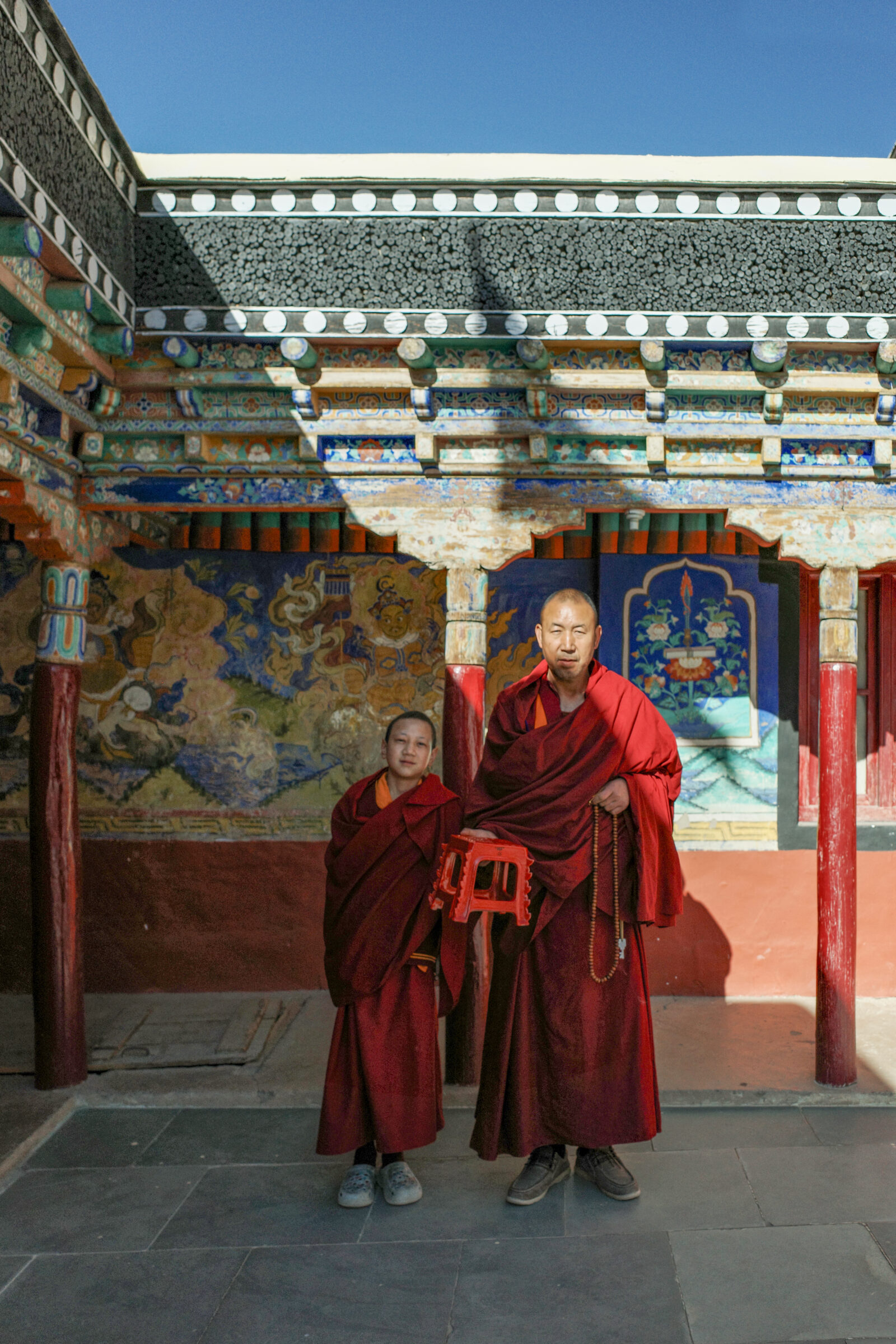
The more I travel, the more I realise how vast the world is—and how small I am within it. The real question is whether we are willing to accept that feeling.Perhaps age and experience have softened the part of me that always wanted to prove itself. Today, I simply enjoy being an observer of life.
Creativity is no longer about proving myself. It has become a way of living, and of continuing a conversation with the world around me.
Through graduation projects and your encounters with young designers, what stands out most to you about the new generation?
I don’t teach professionally, but I often accept invitations to serve as a juror for fashion graduation projects because I genuinely enjoy the energy that young designers bring.Their generation is very different from mine. They express their passion and ambition with greater freedom and instinct. In many ways, I see my younger self reflected in them.
Young people today are more willing to live boldly, and I think that is something truly valuable.
After many years of practice and different creative transitions, what has helped you sustain your passion and perseverance?
After a long journey, I have realised that dreams are important, but discipline is even more important if you want to go the distance. Motivation alone is never enough. A dream remains only an idea unless it grows into a genuine passion. Turning that passion into a path you choose to follow requires discipline, patience, and perseverance.
There will always be moments when you have to make compromises, or times when things do not turn out as well as you had hoped. But in the end, what matters most is having the courage to live the life you truly want.
Thank you, Diệu Anh, for sharing your thoughts with us.
Hanoi, May 2026
An exclusive interview for Bát Tràng Museum Journal