The First Bát Tràng Museum by national artist vũ thắng
Menu
The First Bát Tràng Museum by
national artist vũ thắng
Menu

On the experimental nature of ceramics, from layered glazing to mixed-media practices

Looking across the history of craft, each moment of advancement begins with research, observation, and experimentation. Ceramics follows the same trajectory.

At Bát Tràng Museum Atelier (BTMA), ceramics are approached as a living medium, shaped through ongoing investigations into surface and structure. This process begins with the signature multi-layered glazing technique developed by the late People’s Artisan Vũ Đức Thắng, founder of the atelier.
Words Hà Tuấn Minh
BTMJ Editor Vũ Chi Lam
Photograph Lê Lai
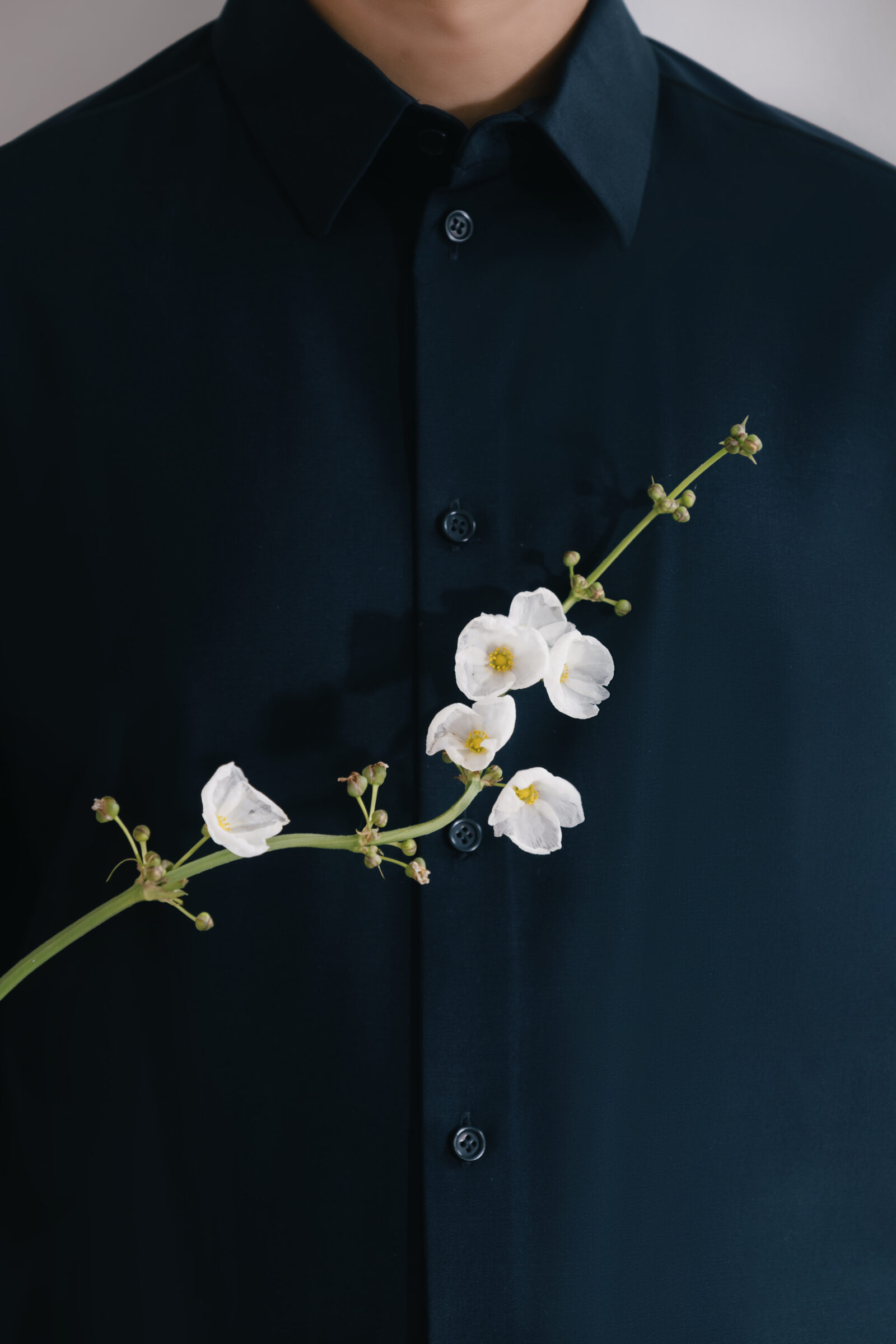
Floral Arrangement Vỹ Nguyễn

BTMA ceramics are approached as a living medium, shaped through ongoing investigations into surface and structure. 

Layered Glazing Techniques

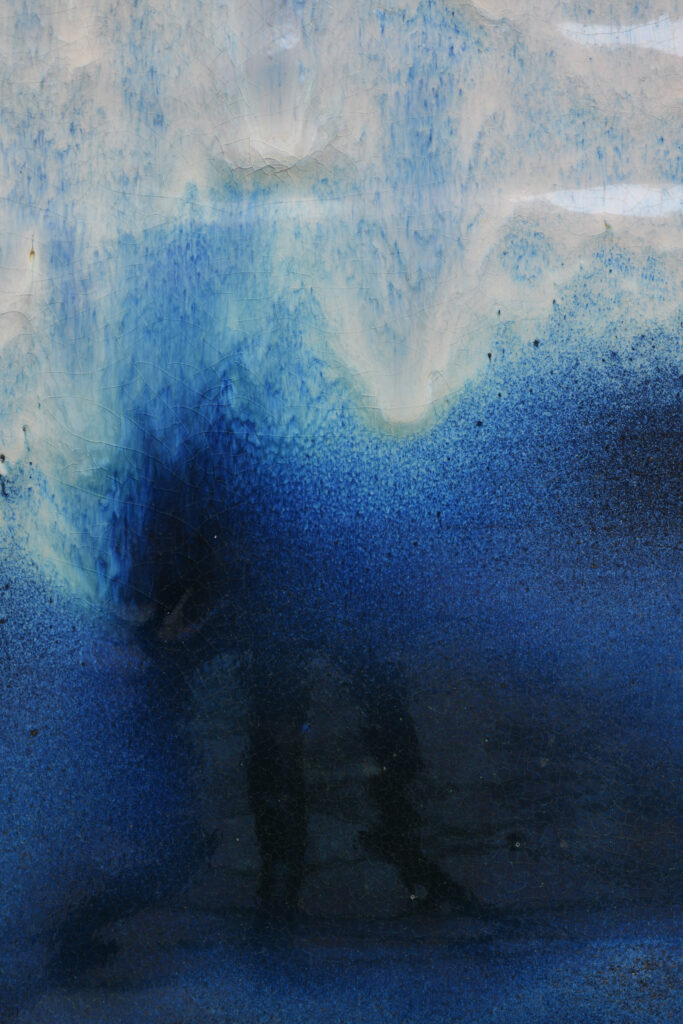
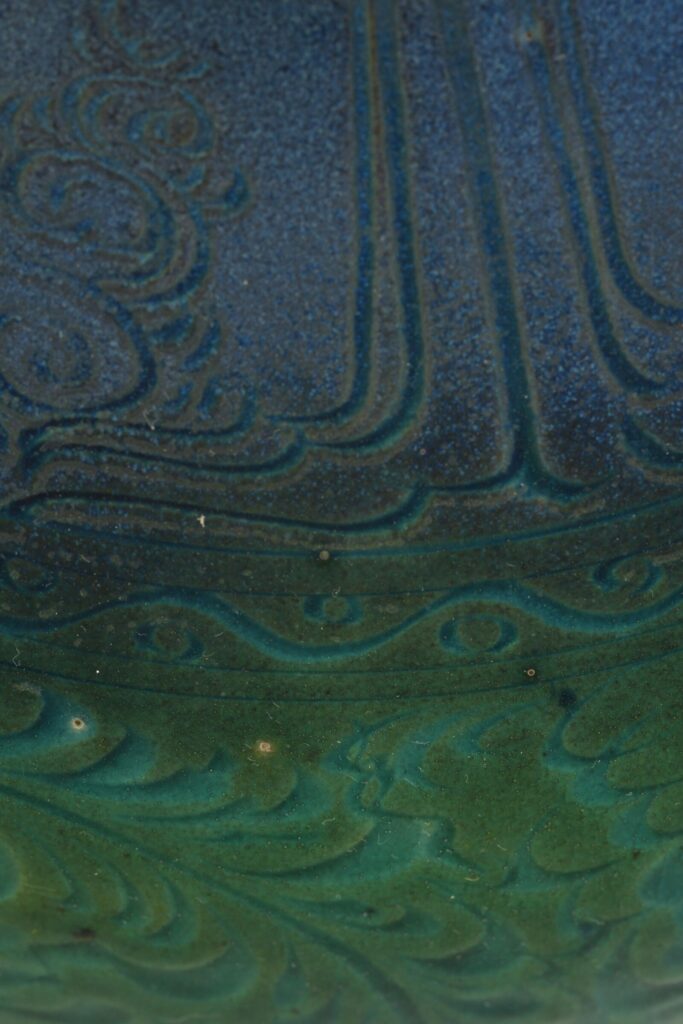
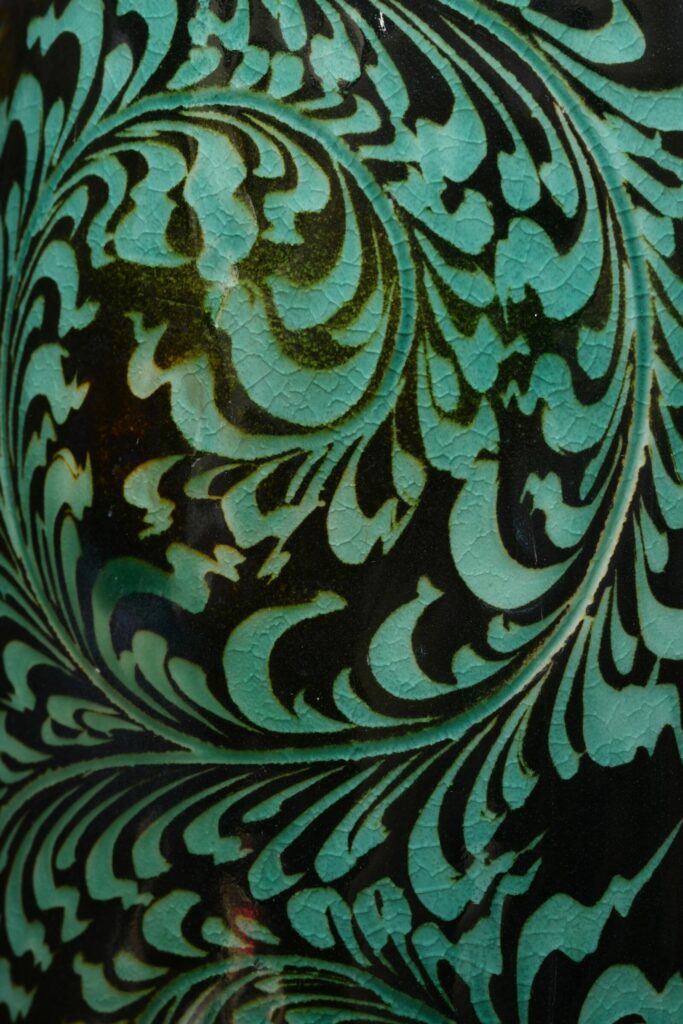
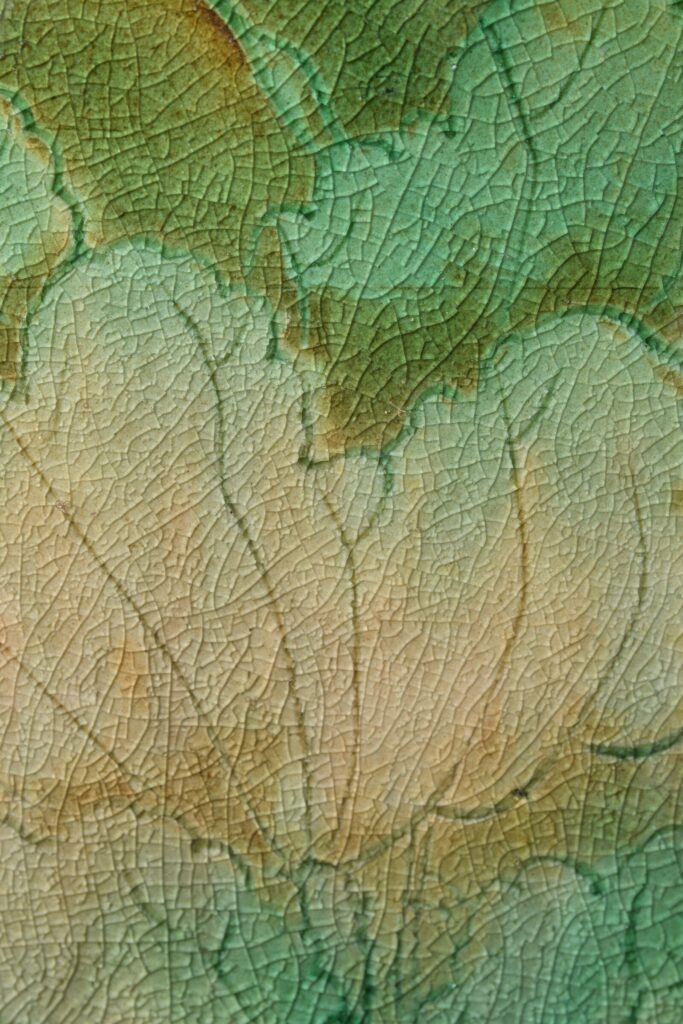
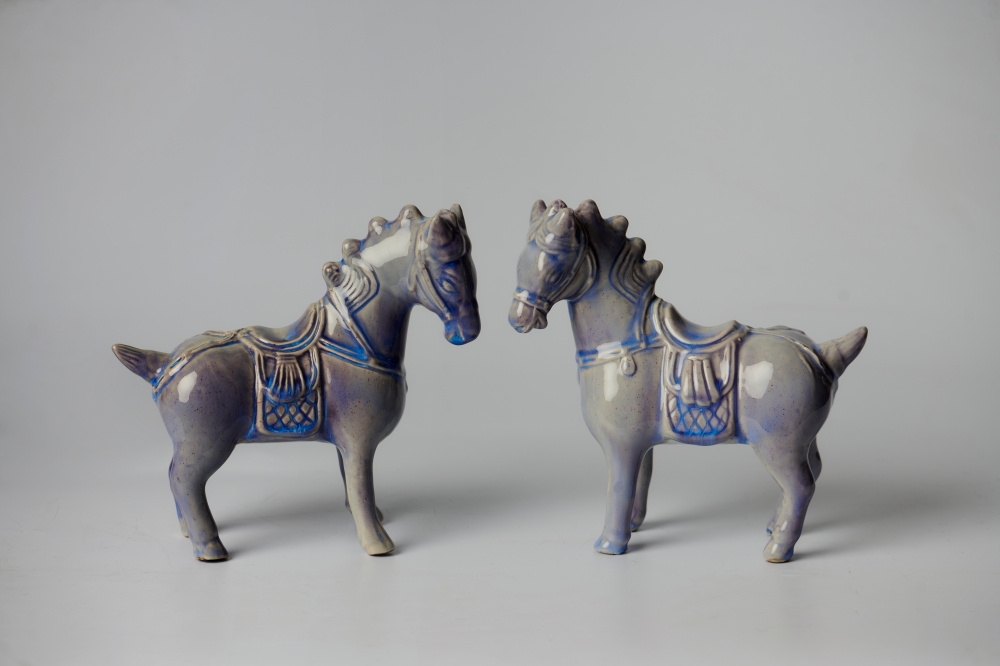
This glazing method evolves from the transformative nature of glazes under high-temperature firing. Unlike mixing pigments on a painter’s palette, the process requires artisans to apply multiple glaze layers onto unfired forms entirely through intuition and experience. Before entering the kiln, these layers exist only in neutral tones. Their final appearance depends on the precise calibration of glaze thickness, firing temperature, and placement within a kiln reaching approximately 1300°C. The unpredictable interaction of fire across layered glazes, combined with relief and incised techniques, produces surfaces that read like richly modulated compositions—distinct from any conventional glazing approach.
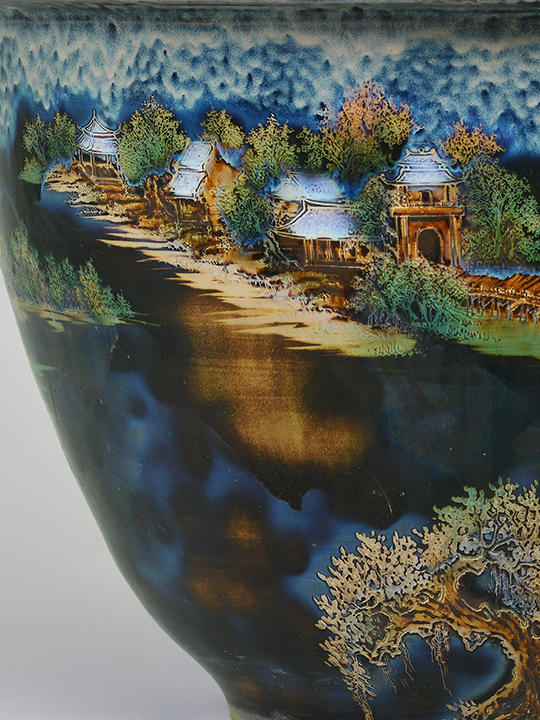
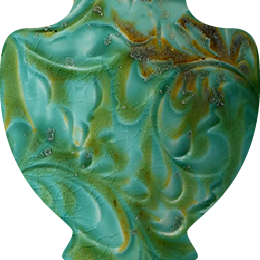
The multi-colored glaze and engraved details on the ceramic work of artisan Vu Thang displayed at Bat Trang Museum
The unpredictable interaction of fire on layered glazes, combined with relief and incised techniques, creates surfaces rich in tonal variation and depth.
Artwork from a landscape set by the late People’s Artisan Vũ Đức Thắng, currently on display at Bát Tràng Museum.

The unpredictable interaction of fire across layered glazes, combined with relief and incised techniques, produces surfaces that read like richly modulated compositions

Signature multi-layered glaze technique developed by
the late People’s Artisan Vũ Đức Thắng.
The multi-layered glazing process requires artisans to apply successive glaze layers entirely by intuition and experience, as all glazes appear in neutral tones prior to firing.
Horse statue of good fortune, BTMA, illustrating the transformative nature of glazes under high-temperature firing.

Forms Shaped by Culture and Everyday Life

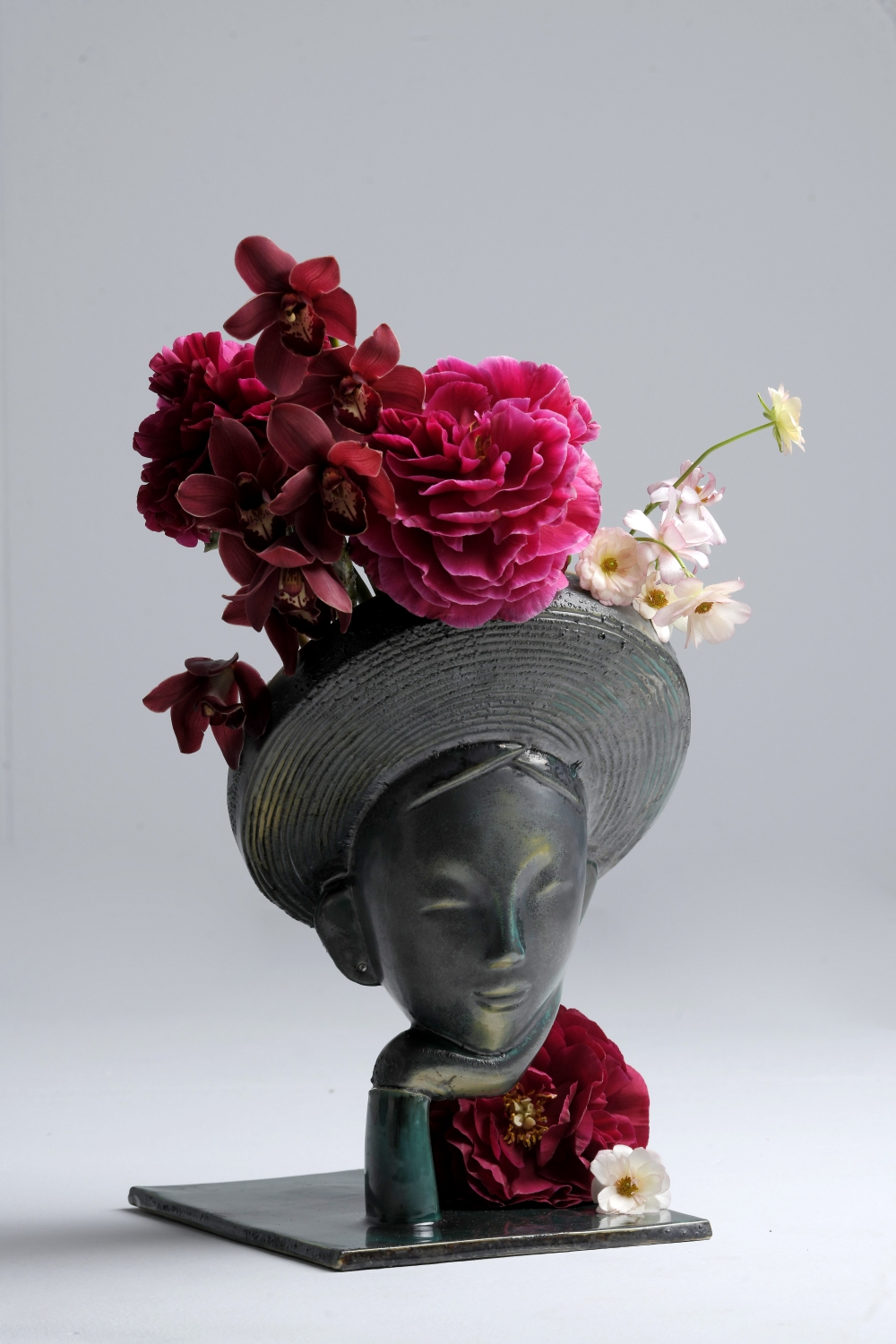
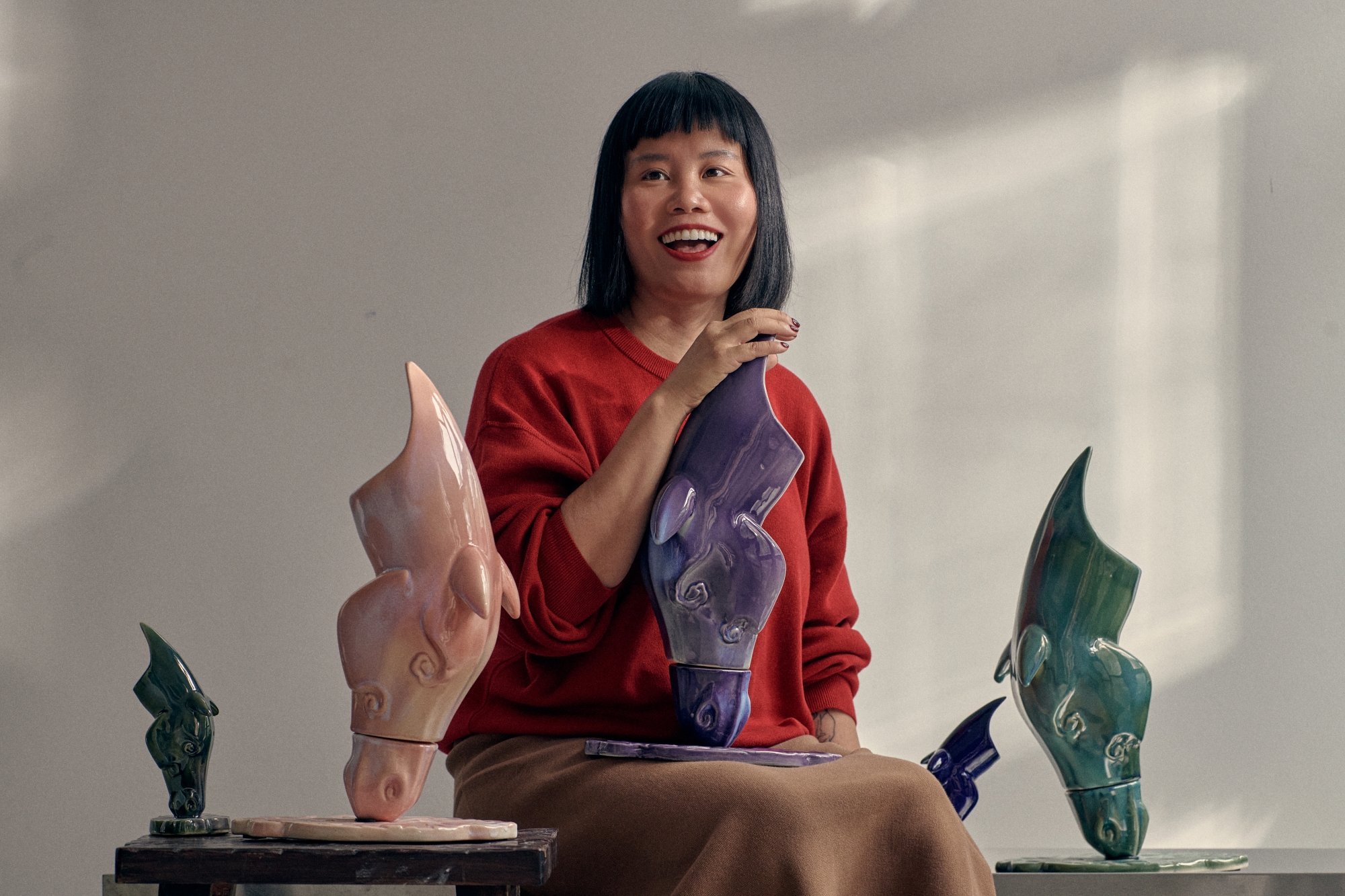
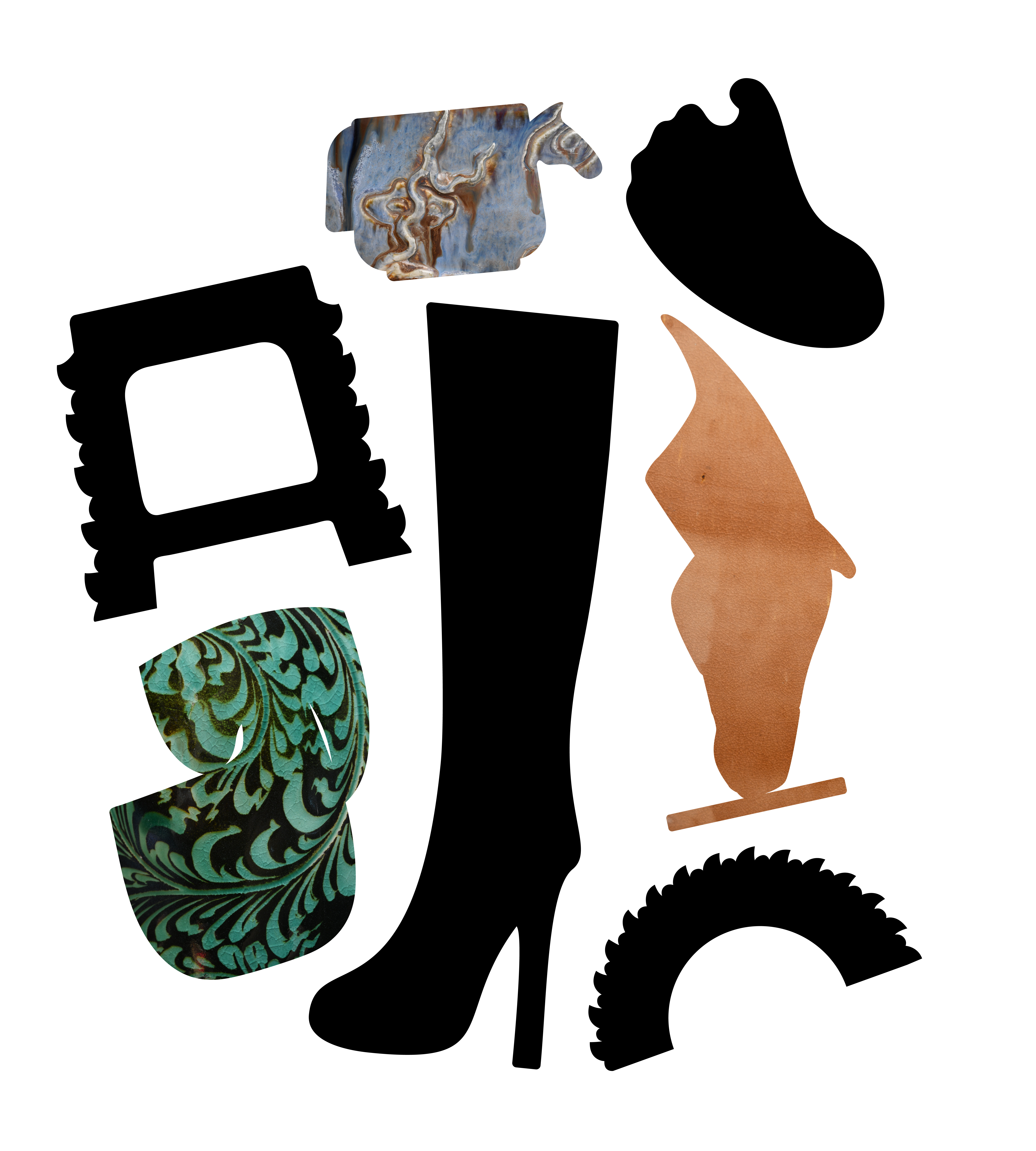
Beyond glaze, ceramics at BTMA extend into explorations of form. While traditional ceramics are often associated with symmetrical, rounded structures, the atelier introduces elements drawn from culture and everyday life into new sculptural expressions. Works such as the Dragon monobloc (bia hơi) from the Dragon of the Urbanities collection, or the Vietnamese Turban from the An Nam collection, reflect this direction. These approaches also present technical challenges, particularly in maintaining structural integrity after firing. With asymmetrical forms, the task goes beyond shrinkage calculations; it requires sustained experimentation to preserve form under heat and gravity. In many cases, a kiln firing may be dedicated to only a few works—or even a single piece—rather than maximizing capacity. Each finished object therefore embodies not only aesthetic value but also an accumulation of material knowledge and craft expertise.
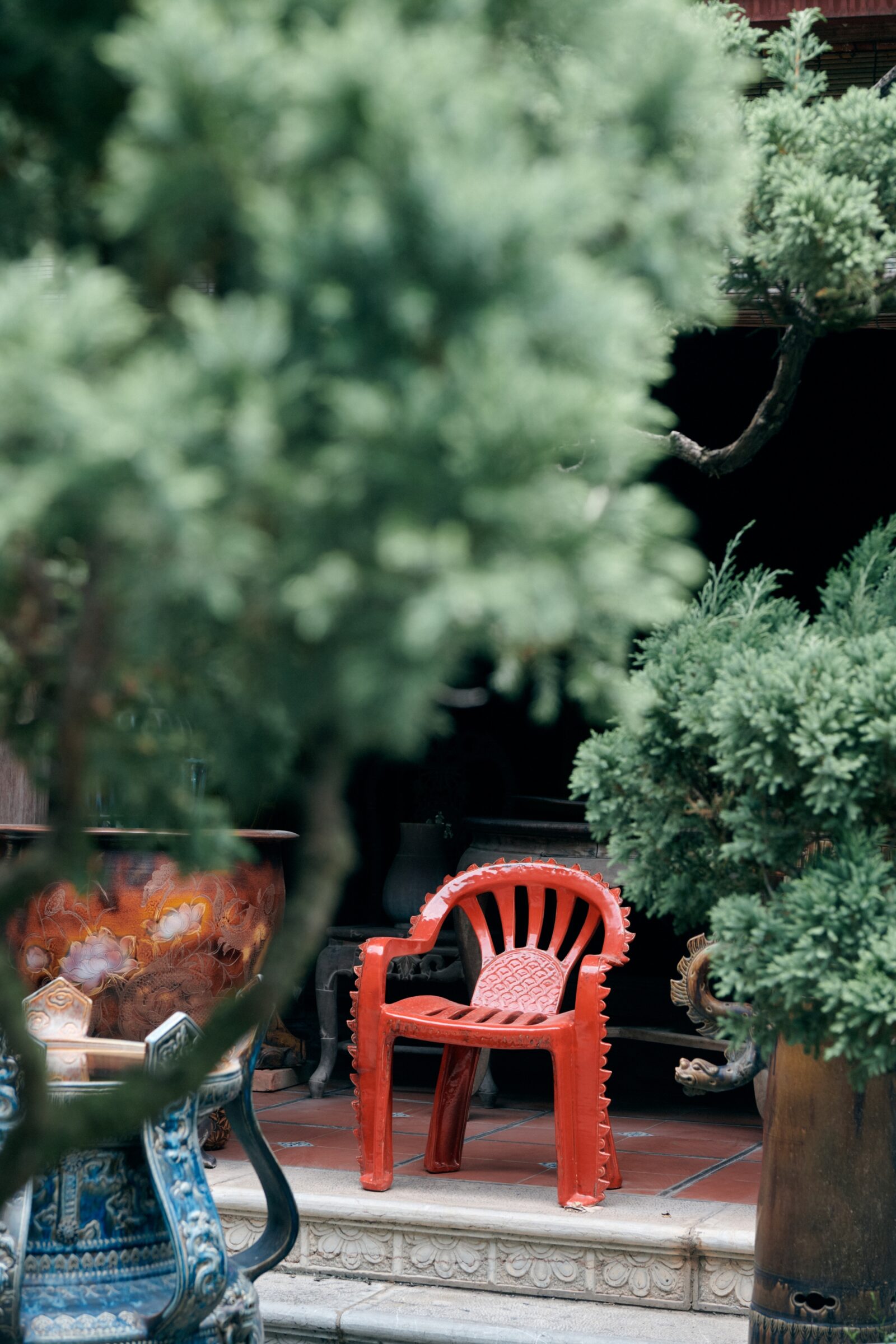

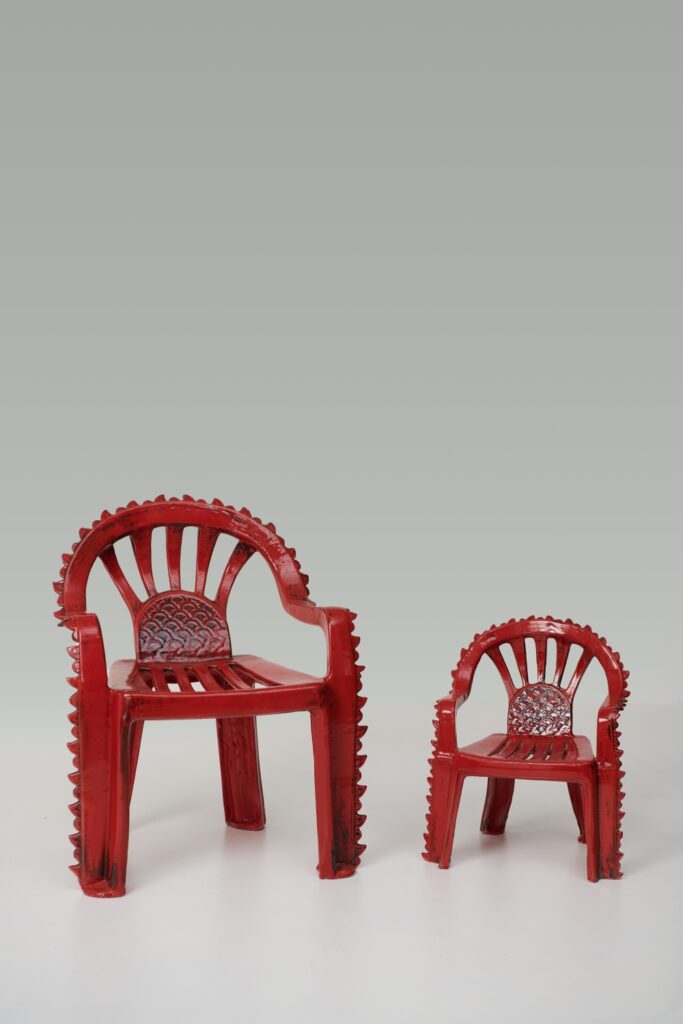
Dragon monobloc (Bia Hơi) (Dragon of the Urbanities collection), displayed at Bát Tràng Museum.

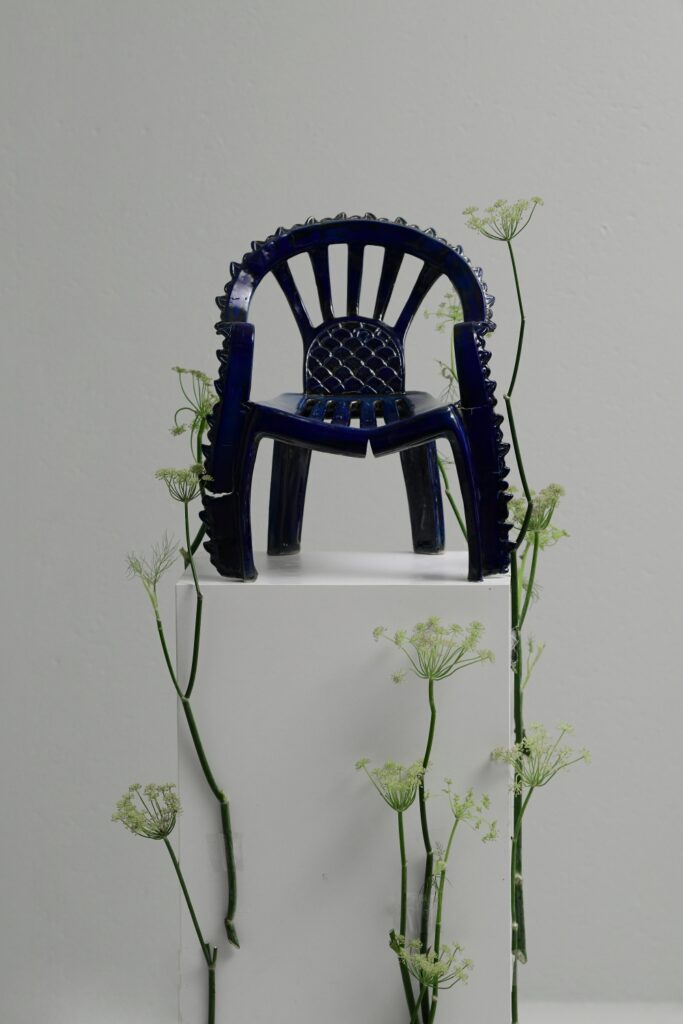
These approaches also present technical challenges, particularly in maintaining structural integrity after firing. 

Dragon monobloc (Bia Hơi)
(Dragon of the Urbanities collection, BTMA × dieuANH)
Dragon monobloc (Bia Hơi) (Dragon of the Urbanities collection, BTMA × dieuANH). The work requires extensive structural preparation to withstand heat and gravity during firing.
Vietnamese Turban
(An Nam collection, BTMA × dieuANH).

A Dialogue Between Materials

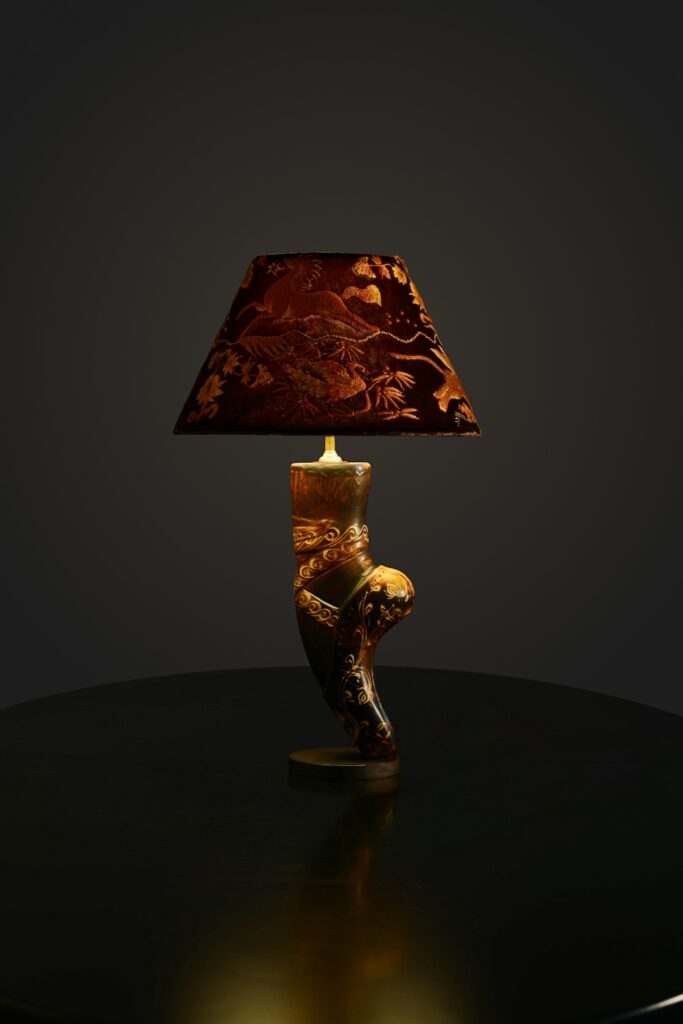
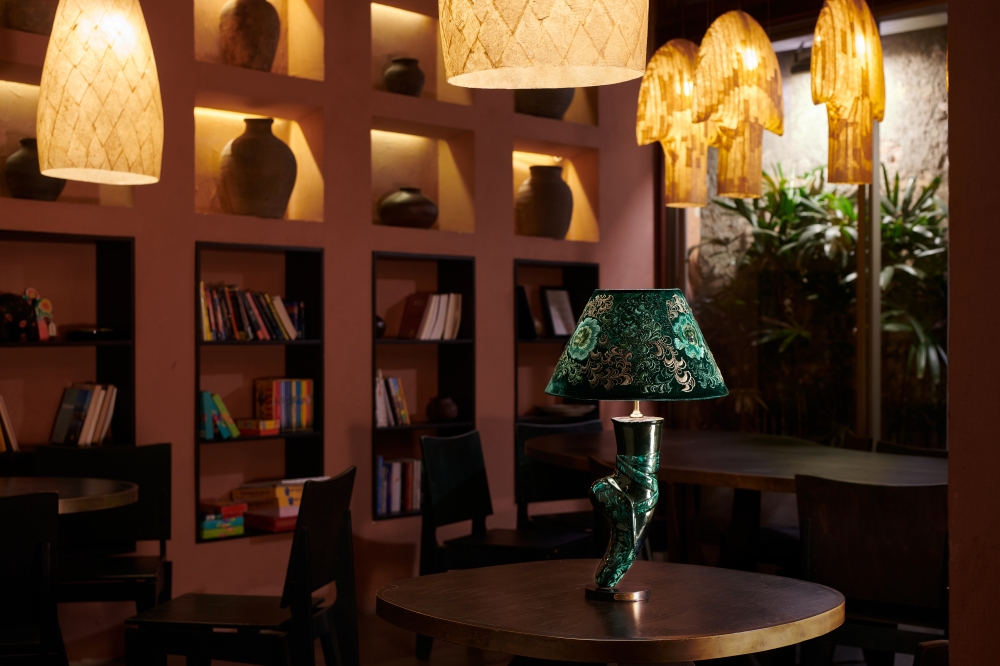
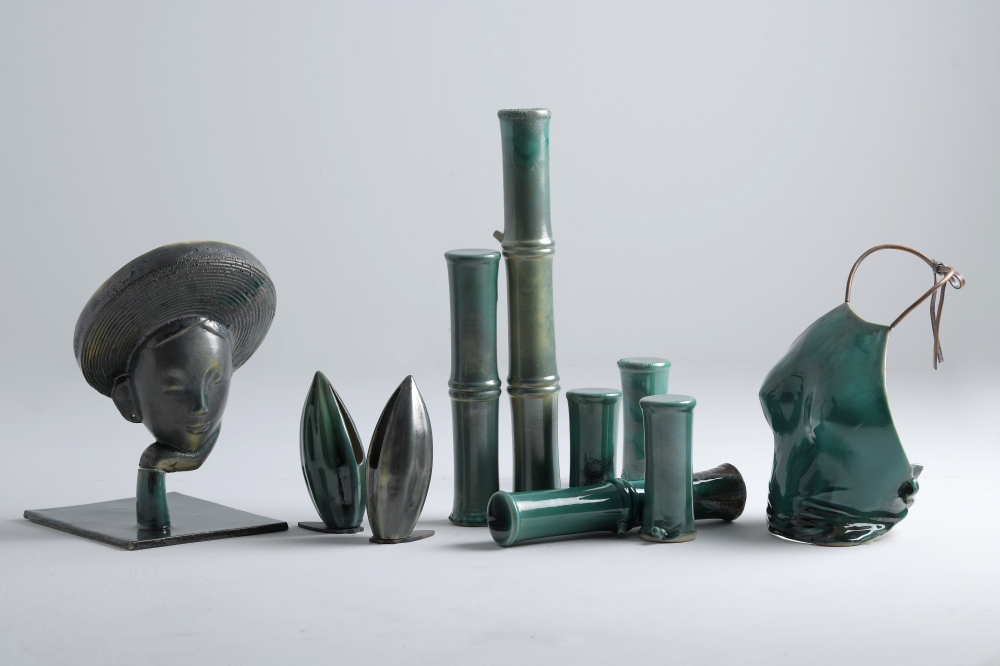
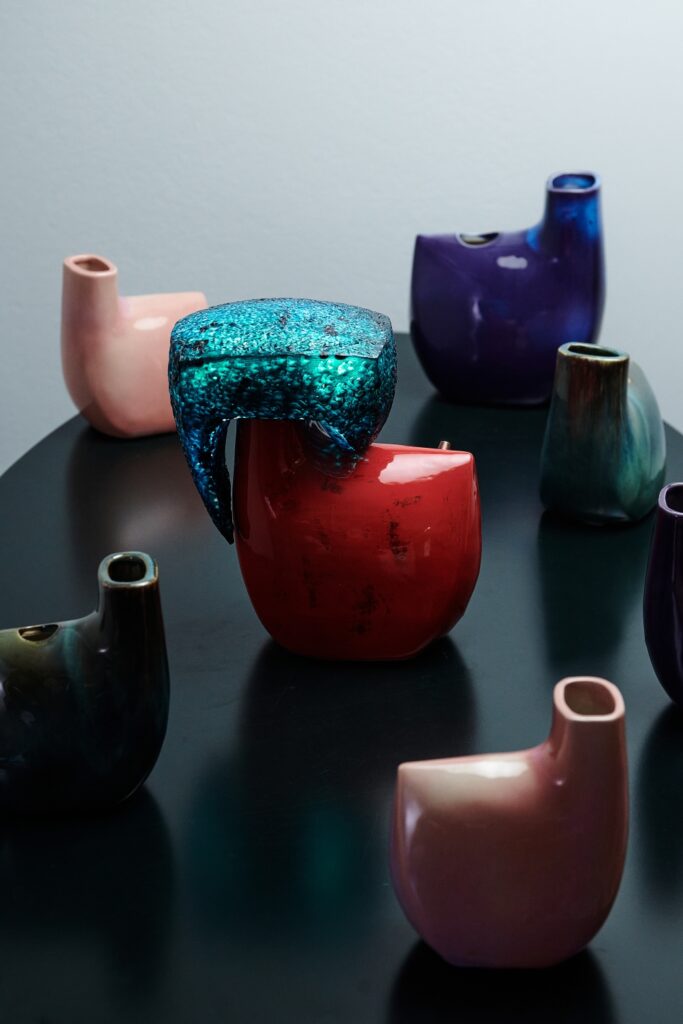
Today, ceramics are increasingly placed in dialogue with other materials, forming part of a broader mixed-media practice. At BTMA, this can be seen in works such as the Ballerina Table Lamp (ceramic and embroidered velvet), the TOGAN Lamp (ceramic and composite), as well as the Vietnamese Halter Top and Rice Grain Vase from the An Nam collection (ceramic and bronze). Within a single object, the solidity of ceramic may coexist with the precision of metal and the softness of textile. This interplay creates layered visual effects, allowing each material to retain its character while contributing to a cohesive spatial composition.
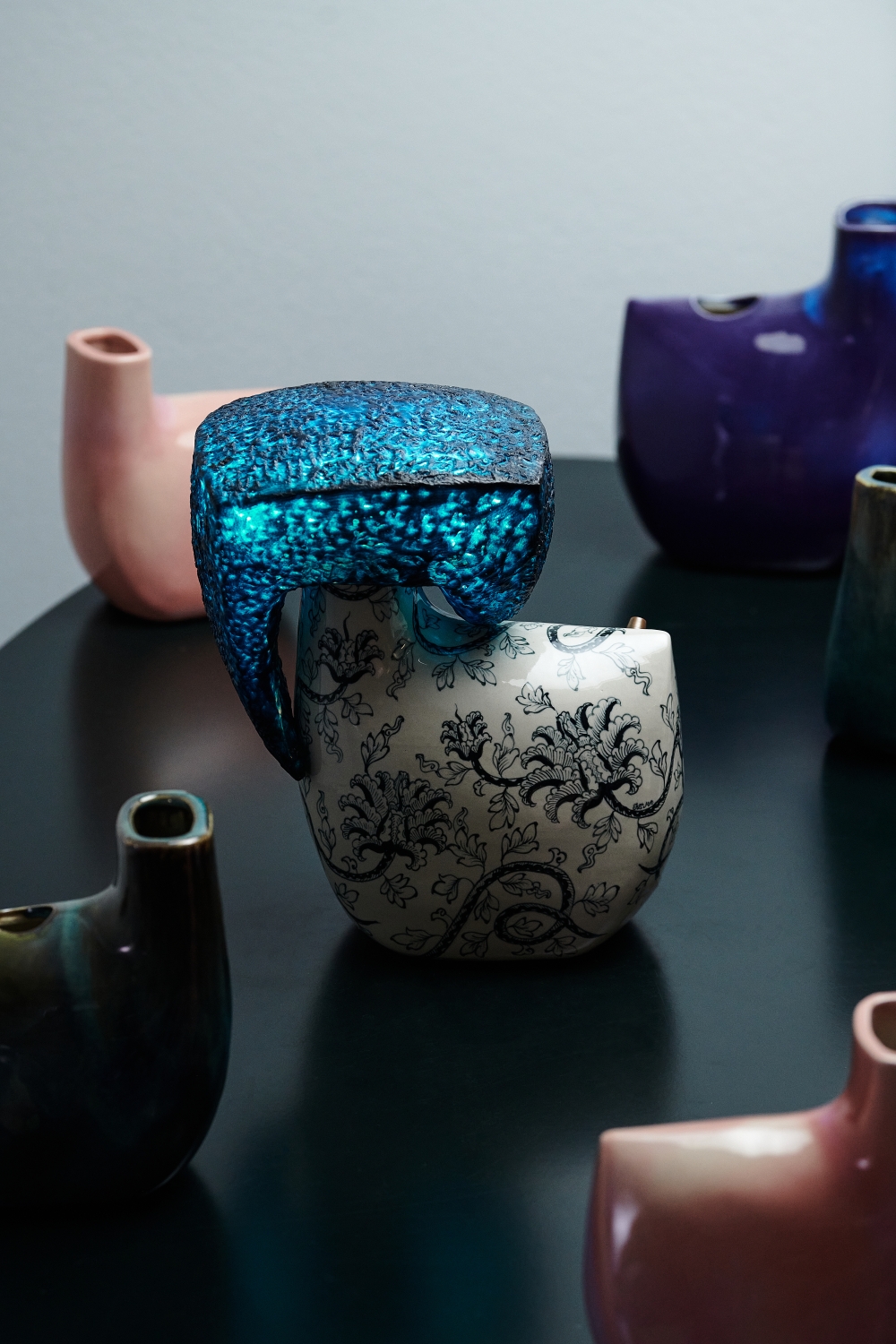

TOGAN Lamp (BTMA × BEAULO design),
combining ceramic and composite.

This interplay creates layered visual effects, allowing each material to retain its character while contributing to a cohesive spatial composition.
TOGAN Lamp (BTMA × BEAULO design),
combining ceramic and composite.
Ballerina Table Lamp – “Suối Nguồn” edition (BTMA × Leap Art Furniture & Decor),
combining ceramic with hand-embroidered velvet.
Ballerina Table Lamp (BTMA × Leap Art Furniture & Decor), combining ceramic with hand-embroidered velvet; awarded Interior Product of the Year at the Asia Architecture Design Awards 2023.
An Nam collection (BTMA × dieuANH)

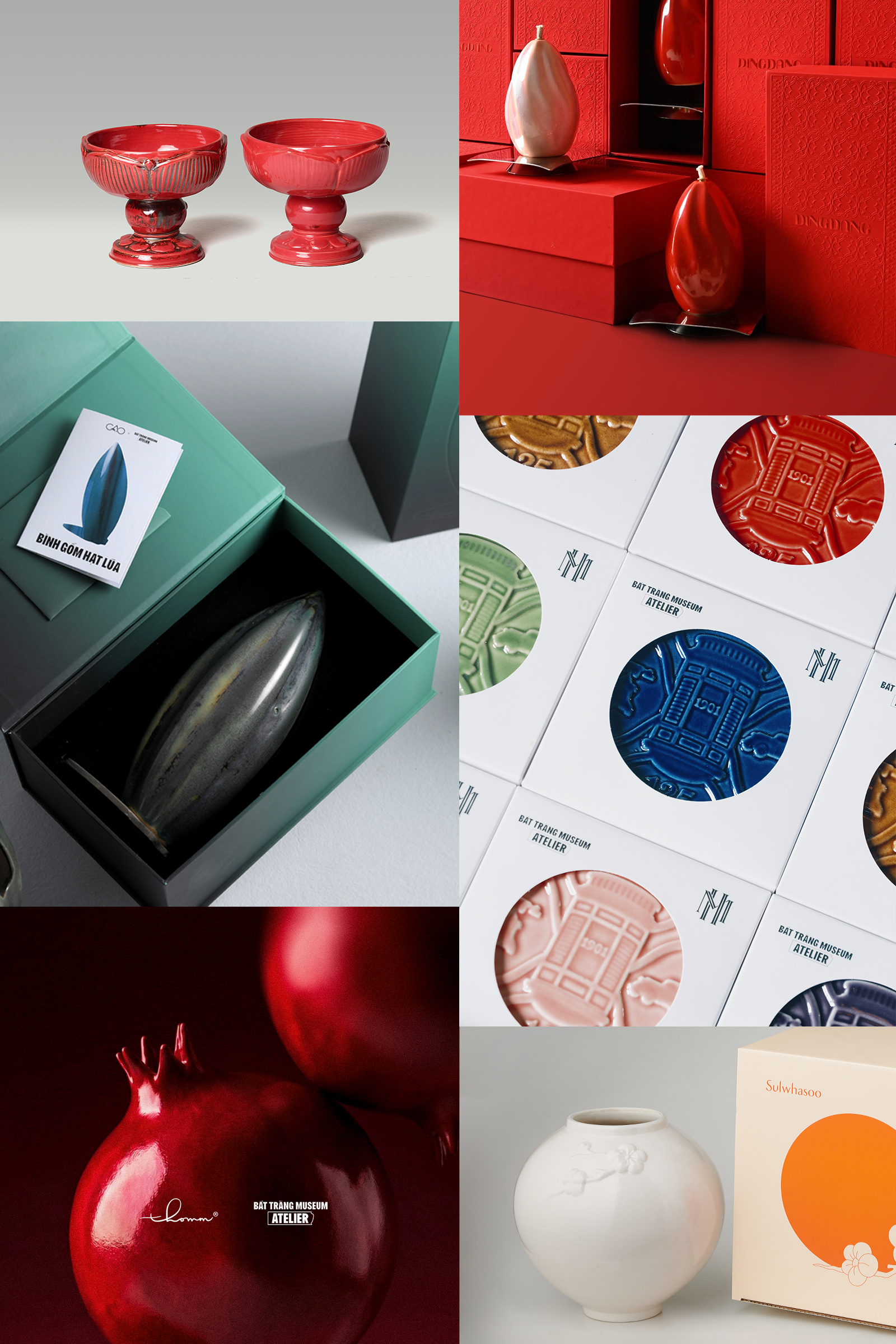
Rooted in cultural narratives, BTMA’s collections are realized through continuous experimentation in glaze, form, structure, and material integration. The result is a body of work that is functional yet refined, aligned with a contemporary reading of heritage.


*


Bát Tràng Museum Atelier (BTMA)
is a ceramic workshop of nearly fifty years, operating under Bát Tràng Museum and run by members of the founding family to continue the legacy of People’s Artisan Vũ Đức Thắng. BTMA focuses on researching and developing the aesthetic language of Vietnamese ceramics — from form and glaze to decorative motifs — translating these traditions into contemporary design. Alongside preserving works associated with the artisan’s legacy, BTMA collaborates with artists across disciplines to explore new creative directions.

If you want to keep track on what’s happening here from time to time.

Xin hãy giữ liên lạc để nhận những thông tin mới nhất từ Bát Tràng Museum.