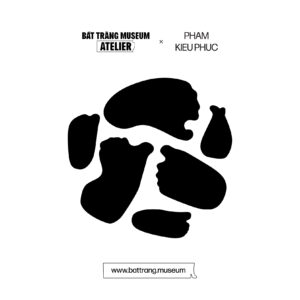
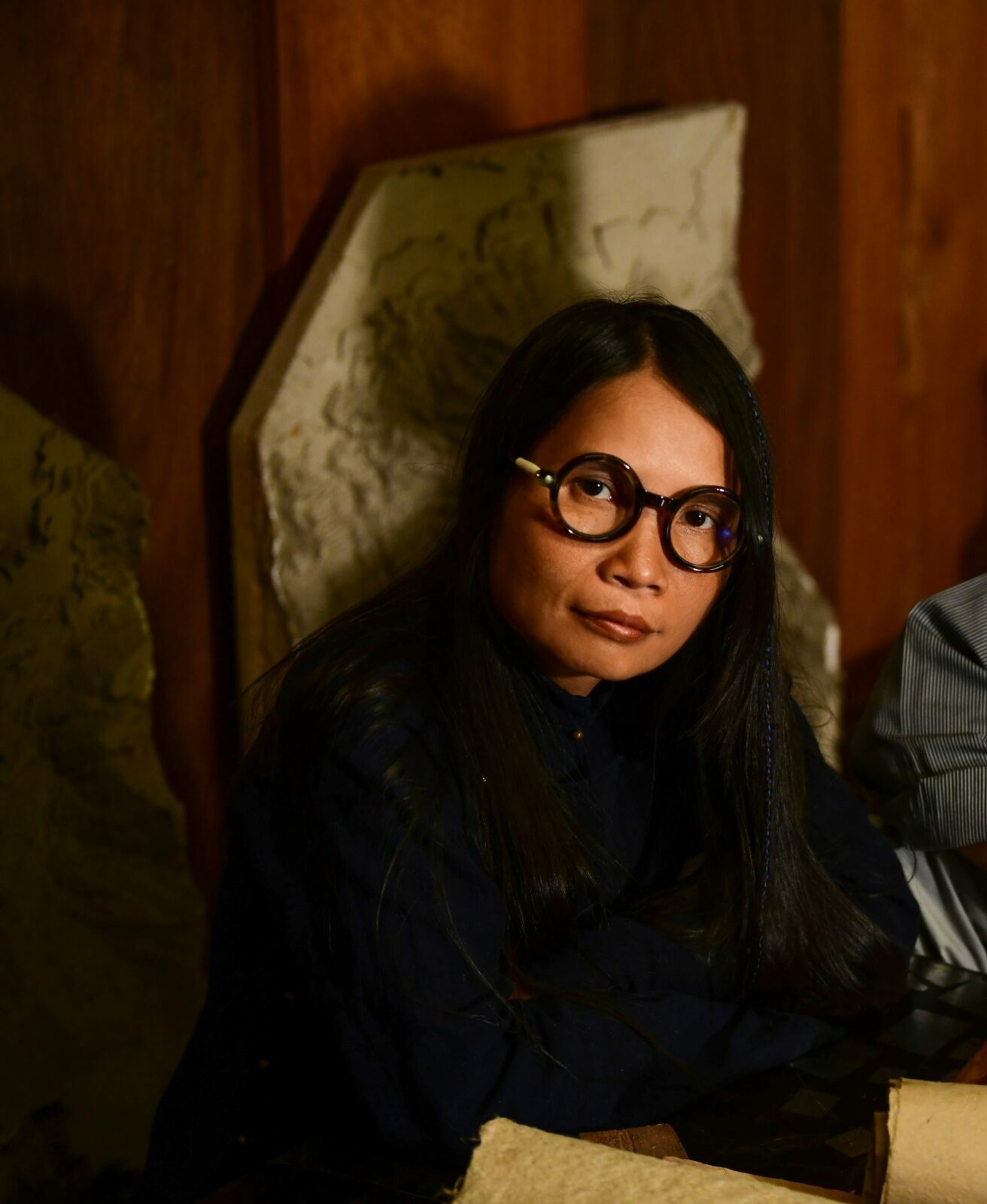
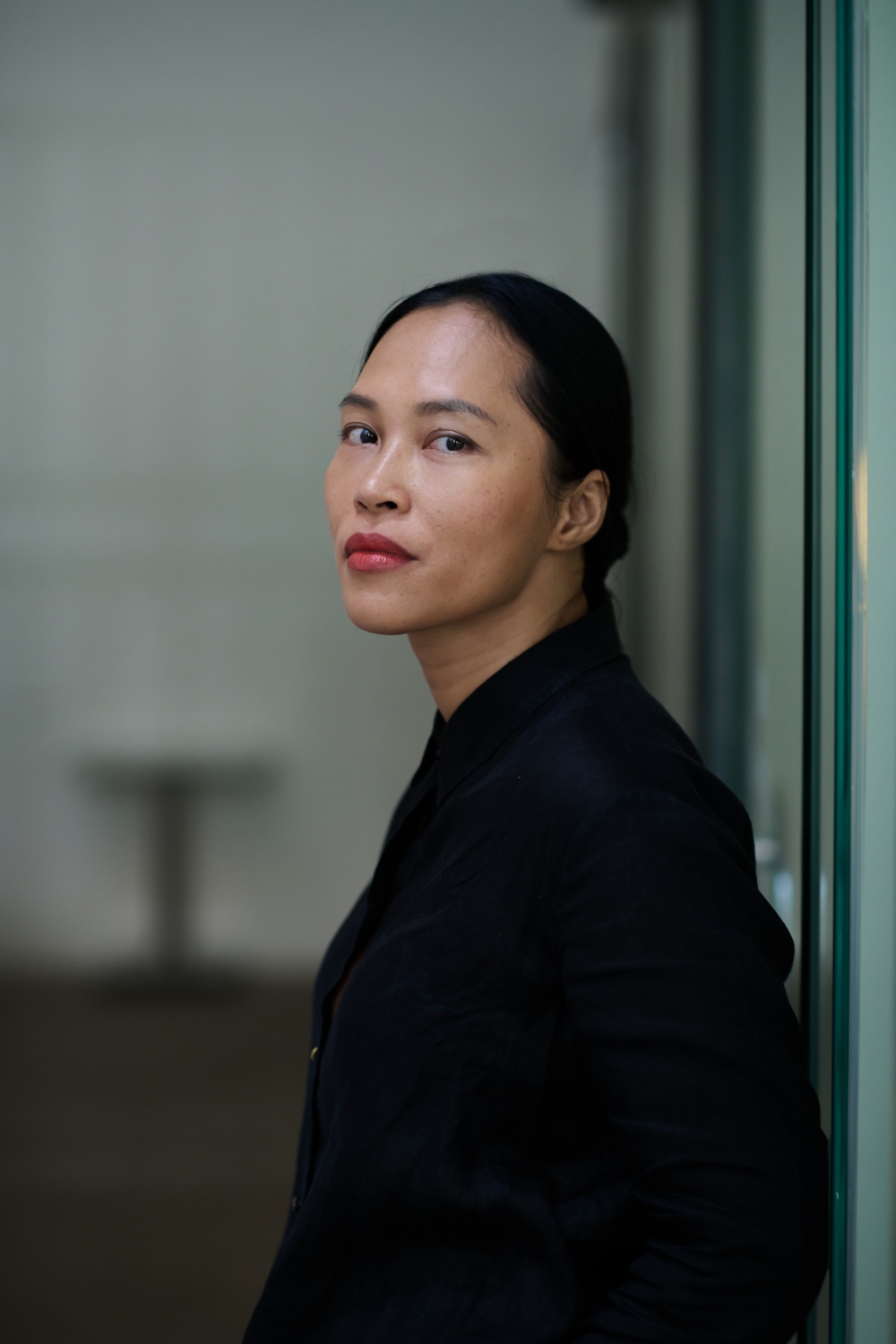
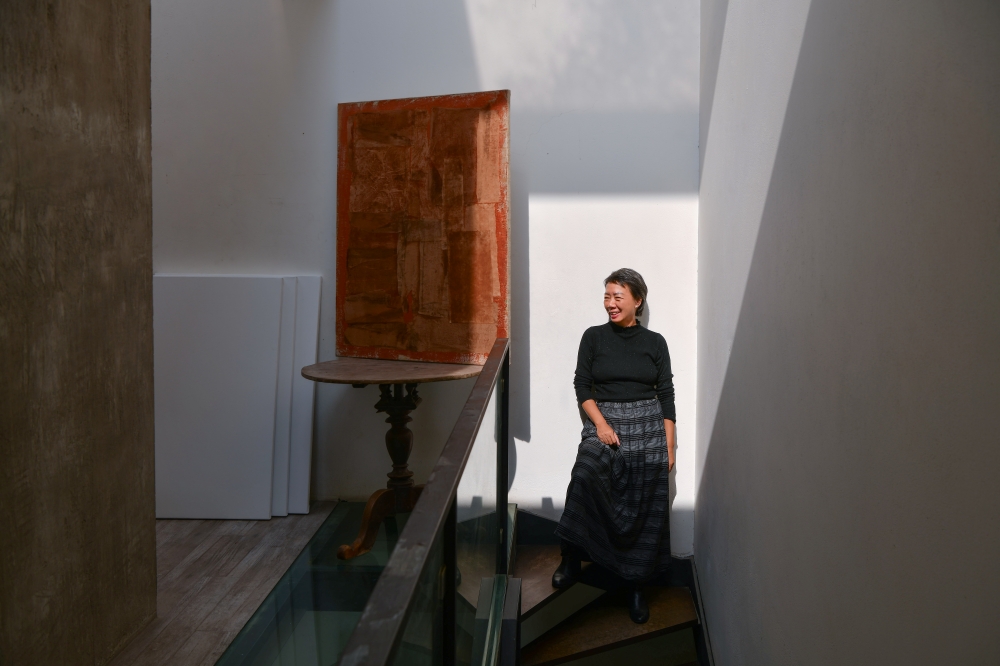
The conversation with artist Phạm Kiều Phúc took place at her home studio, a space filled with natural light where blank canvases waited to be layered with collage papers, alongside finished works already marked by sun, wind, and time.
She describes these colors and forms as “a conscious search within chance” — a state that can only be recognized through an ongoing inner restlessness.
For Phạm Kiều Phúc, there is a clear boundary between coincidence and creative spontaneity. Only when one remains willing to search for the hidden depths within “Tàng Ẩn” — a latent inner realm shaped by memory, instinct, and the subconscious — can moments of revelation truly emerge.
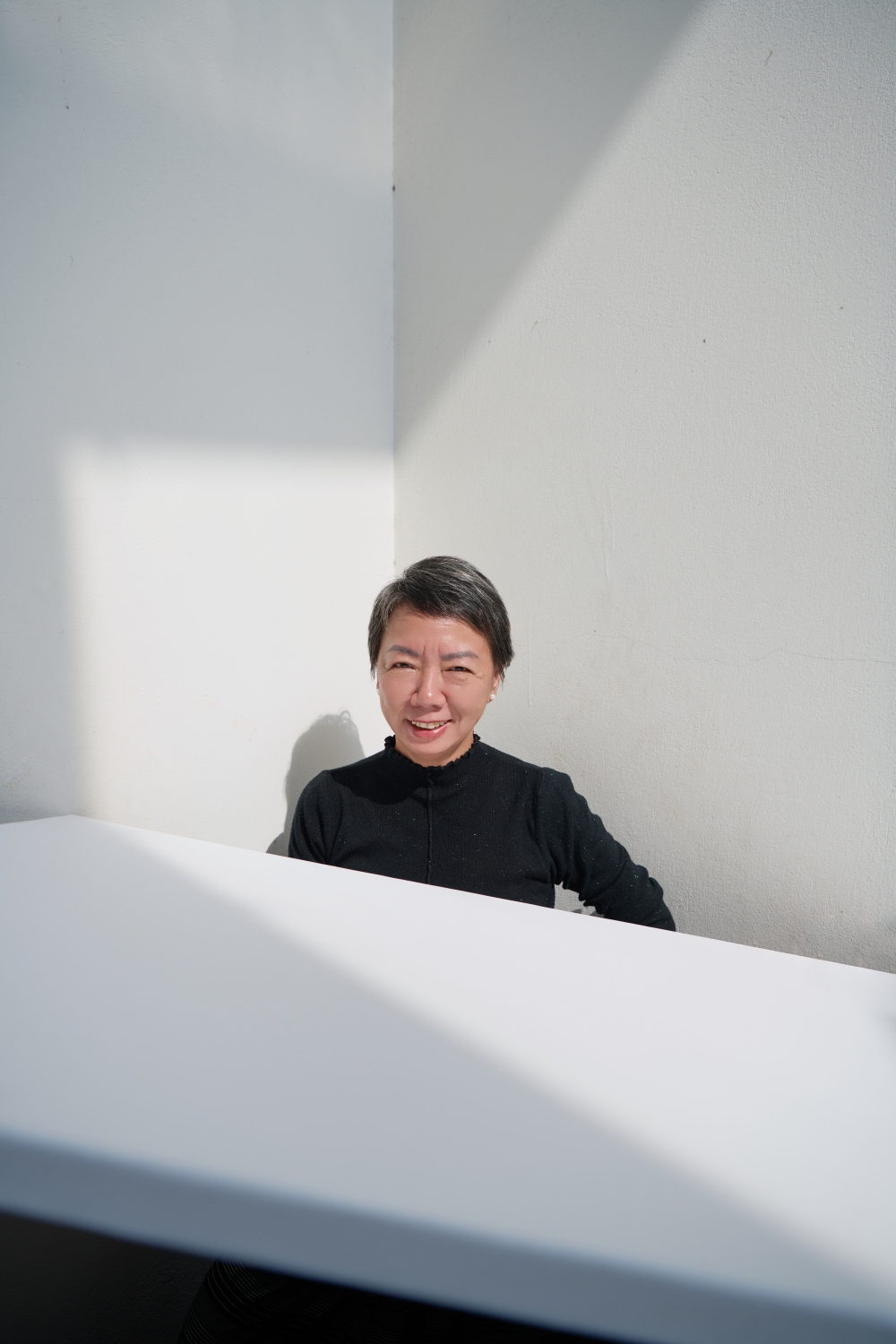

After spending 18 years with Module 7 in Hanoi, you decided to close that chapter and move to Hội An in 2018. Could you share more about that transition?
It was an instinctive decision. There was a period when I felt as though I was doing nothing, but looking back, I realize it was actually a time of planting seeds. Sometimes we need to pause in order to sow new ideas into our consciousness and artistic thinking. Living in Xóm Chiêu, Hội An, surrounded by seasonal rhythms, nature, and silence, I found many inner layers within myself being cultivated more deeply — things that the fast pace of urban life in Hanoi had previously hidden.
How did the agricultural rhythm and the “half-urban, half-rural” atmosphere of Hội An influence your artistic sensibility?
I live in a village where there are still two rice harvests each year, followed by a resting season. The rhythm of weather and cultivation appears very clearly in everyday life. Unconsciously, it awakened layers of memory and instinct that I had neglected while focusing on business. This transformation was not something I consciously planned at first. Everything felt vague in the beginning. But as I continued following that inner direction, I realized I was being nourished into returning to my true self — the part inside me that had long been struggling to emerge.
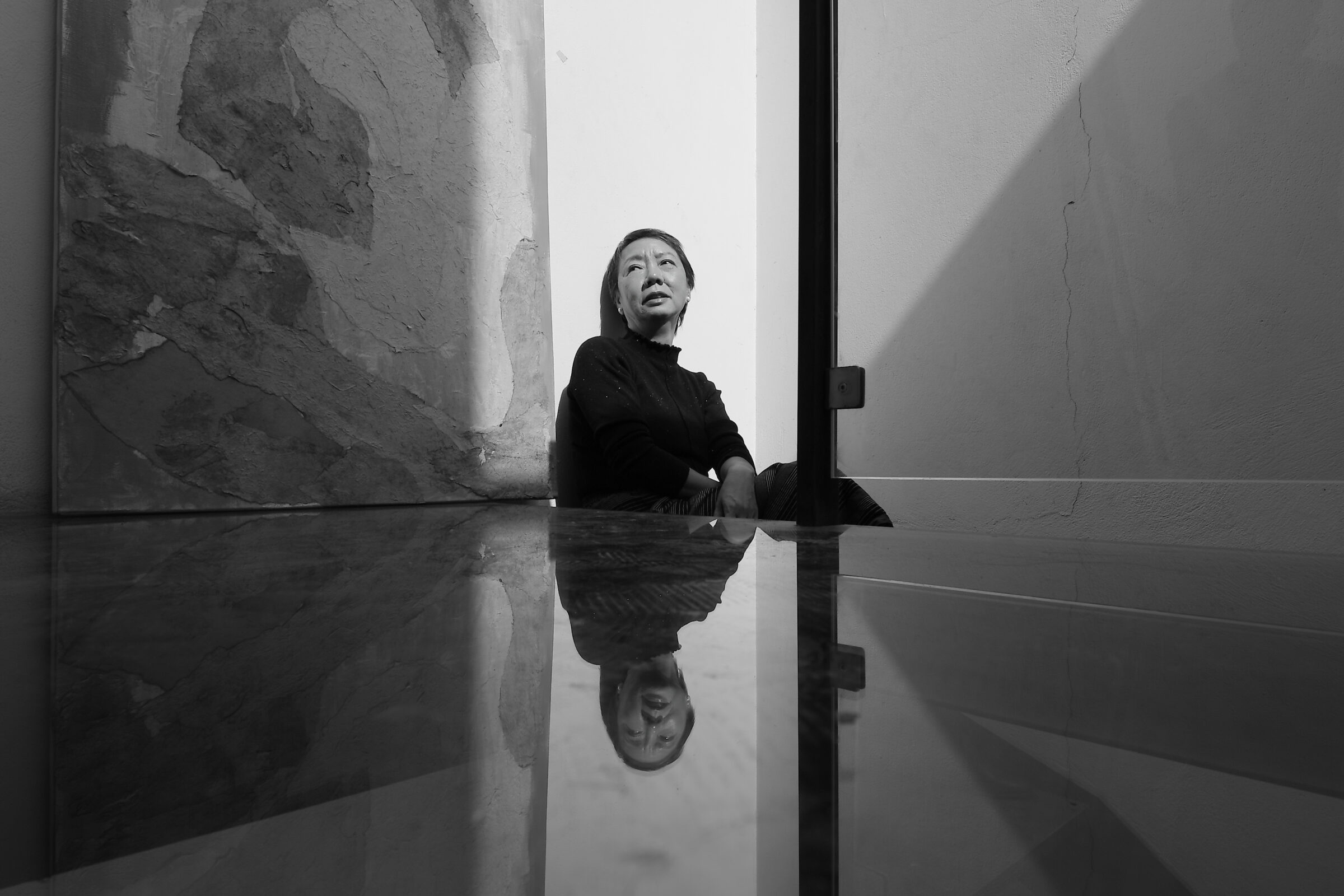
You have often spoken about your deep connection to ceramics. What is the biggest difference between your earlier practice and your work today?
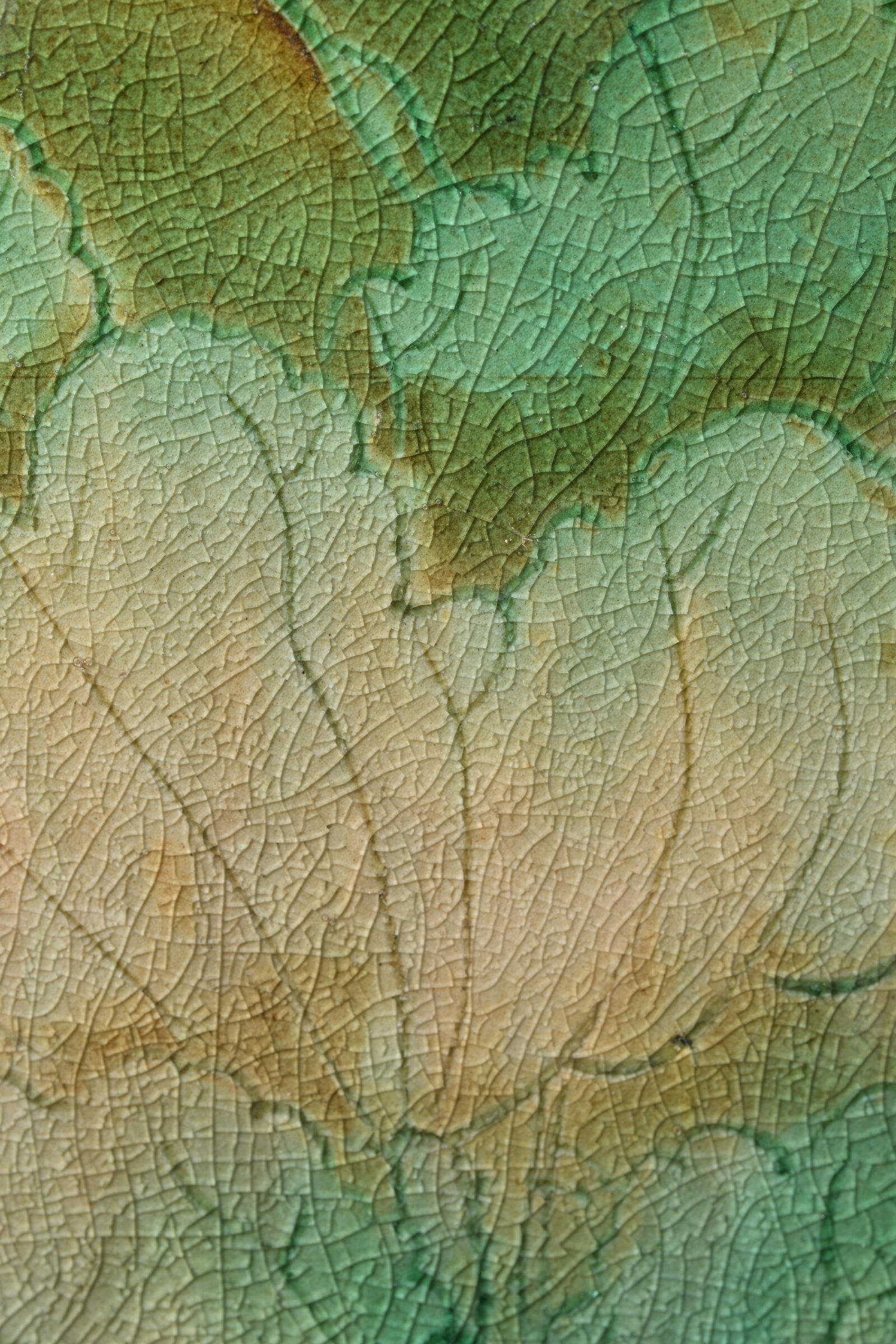
I have loved ceramics since I was a student. Back then, I was constantly bringing pottery back from Bát Tràng. I was especially drawn to traditional ceramics — hand-painted cobalt blue glazes or ash glazes carrying the quiet beauty of time. The biggest difference is that during the Module 7 years, I approached ceramics primarily as a designer: I created drawings and handed them over to artisans. Now, I work directly with clay myself. That direct physical interaction gives me an entirely different understanding of the material. It no longer remains only on the surface; it enters life more deeply.
In a previous interview with ELLE Decoration Vietnam, you described ceramics and bronze as materials that “become more beautiful over time,” and spoke about your interest in “the accumulated knowledge of culture.” What allows an artwork to truly touch those values?
Ceramics are actually very difficult to reinvent because they are materials shaped through centuries of accumulated knowledge. For me, the value of an artwork lies in what it can convey about the culture of a people. A work truly “touches” something when it moves beyond the material itself and expresses generations of craftsmanship through a contemporary form. That is the direction I want to pursue: elevating craft into art through long-established know-how, rather than creating work driven solely by subjective ego.
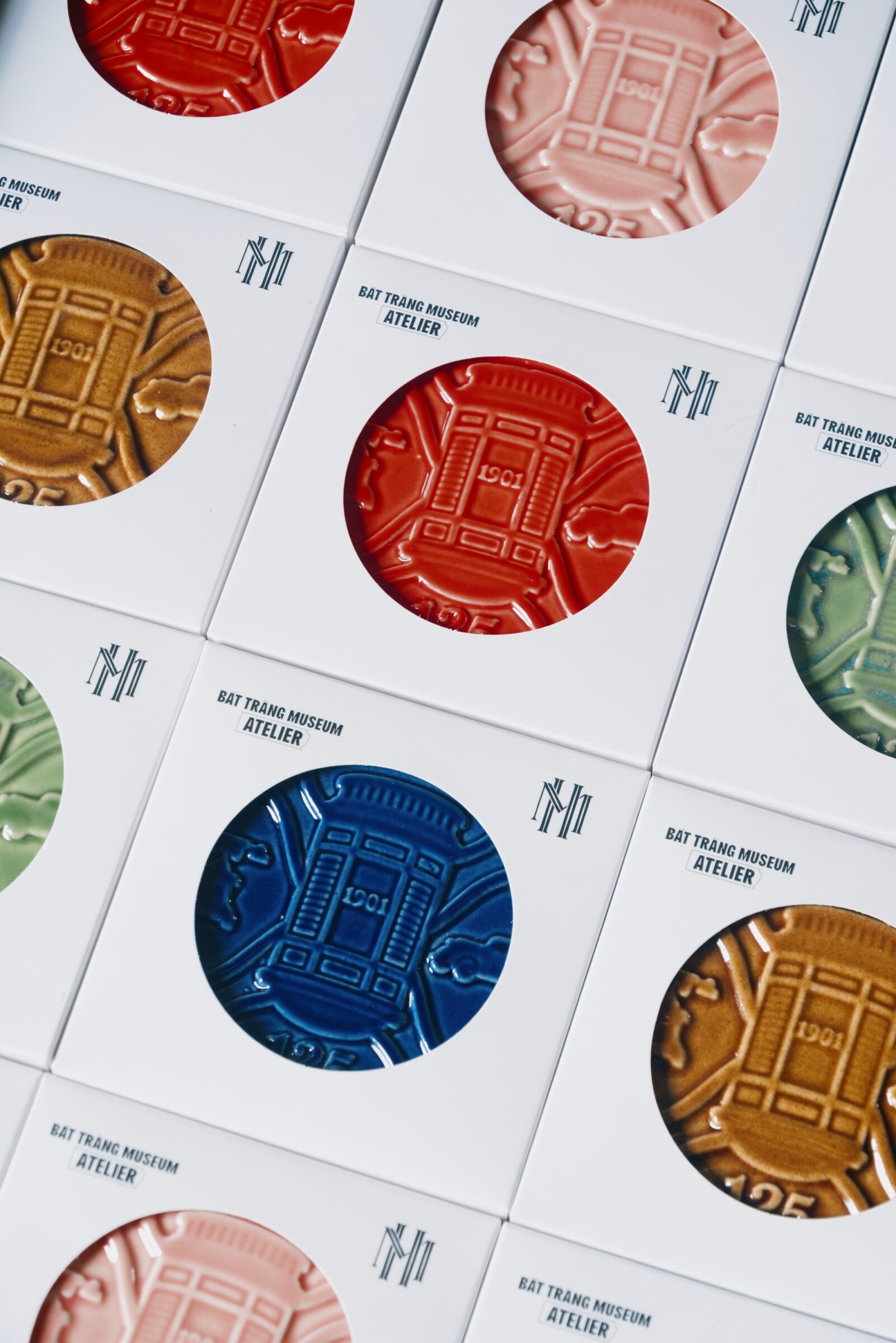
What was the real point of connection that led you to collaborate with Bát Tràng Museum Atelier on the Giao Chỉ collection?
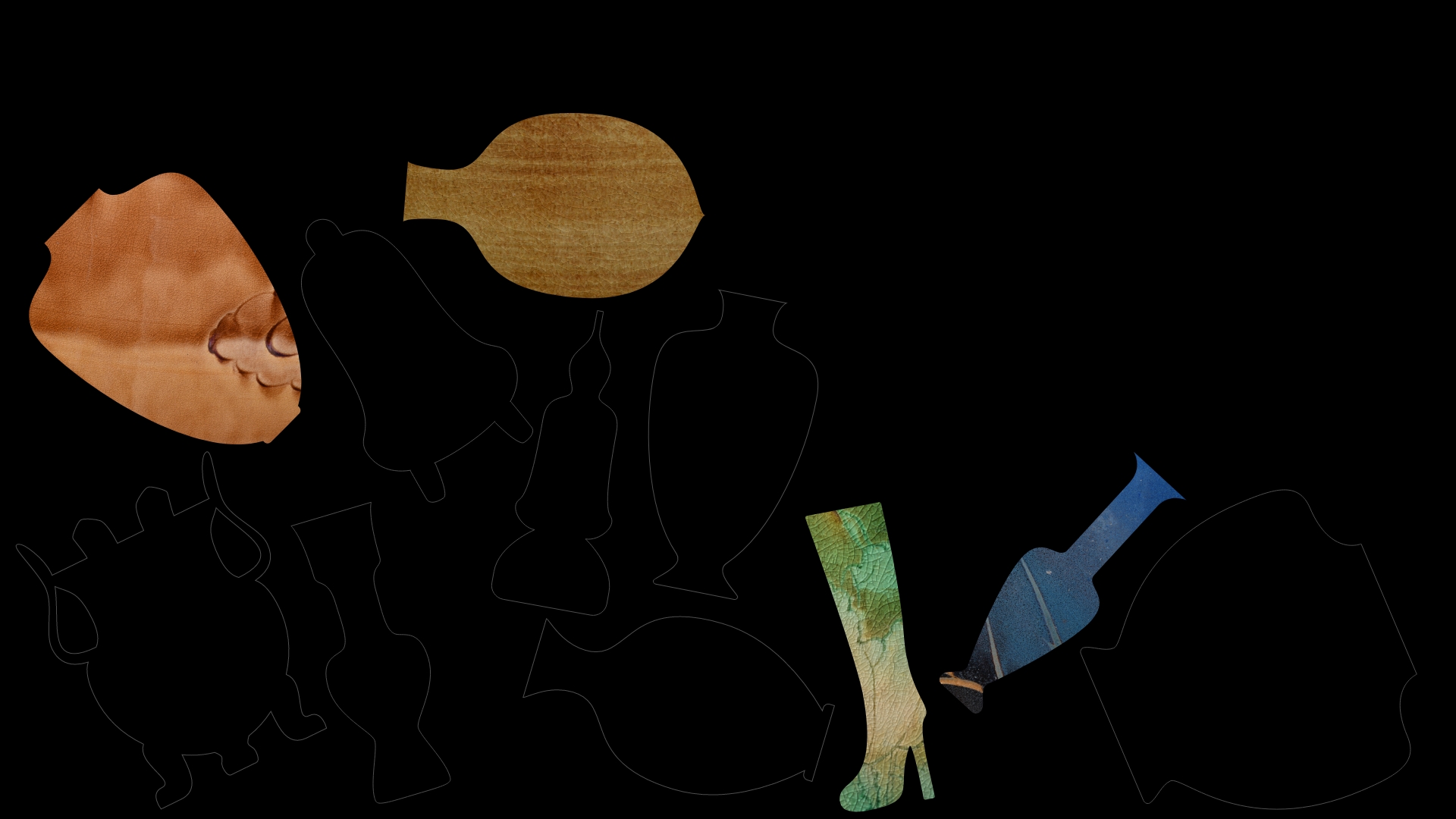
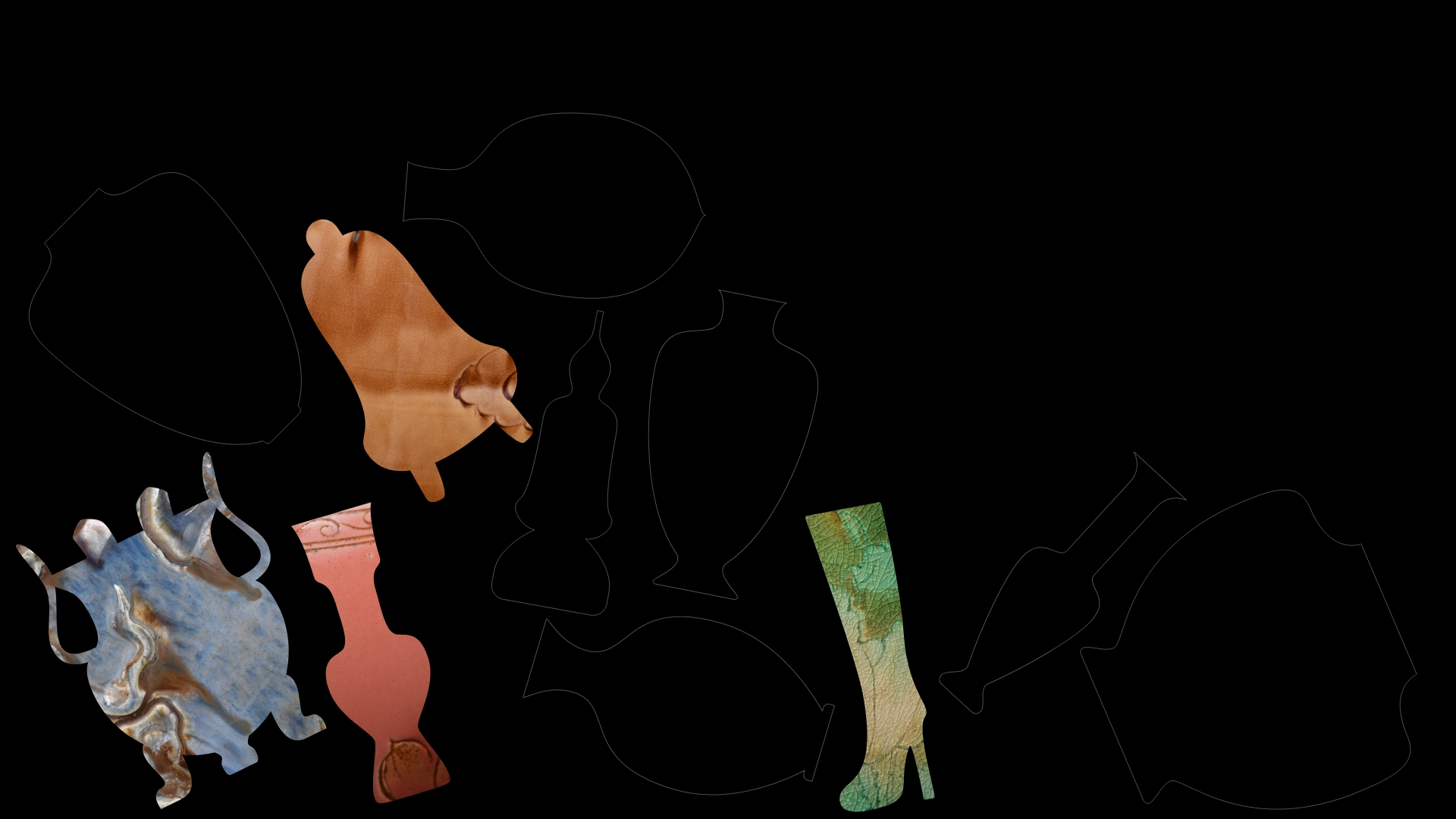
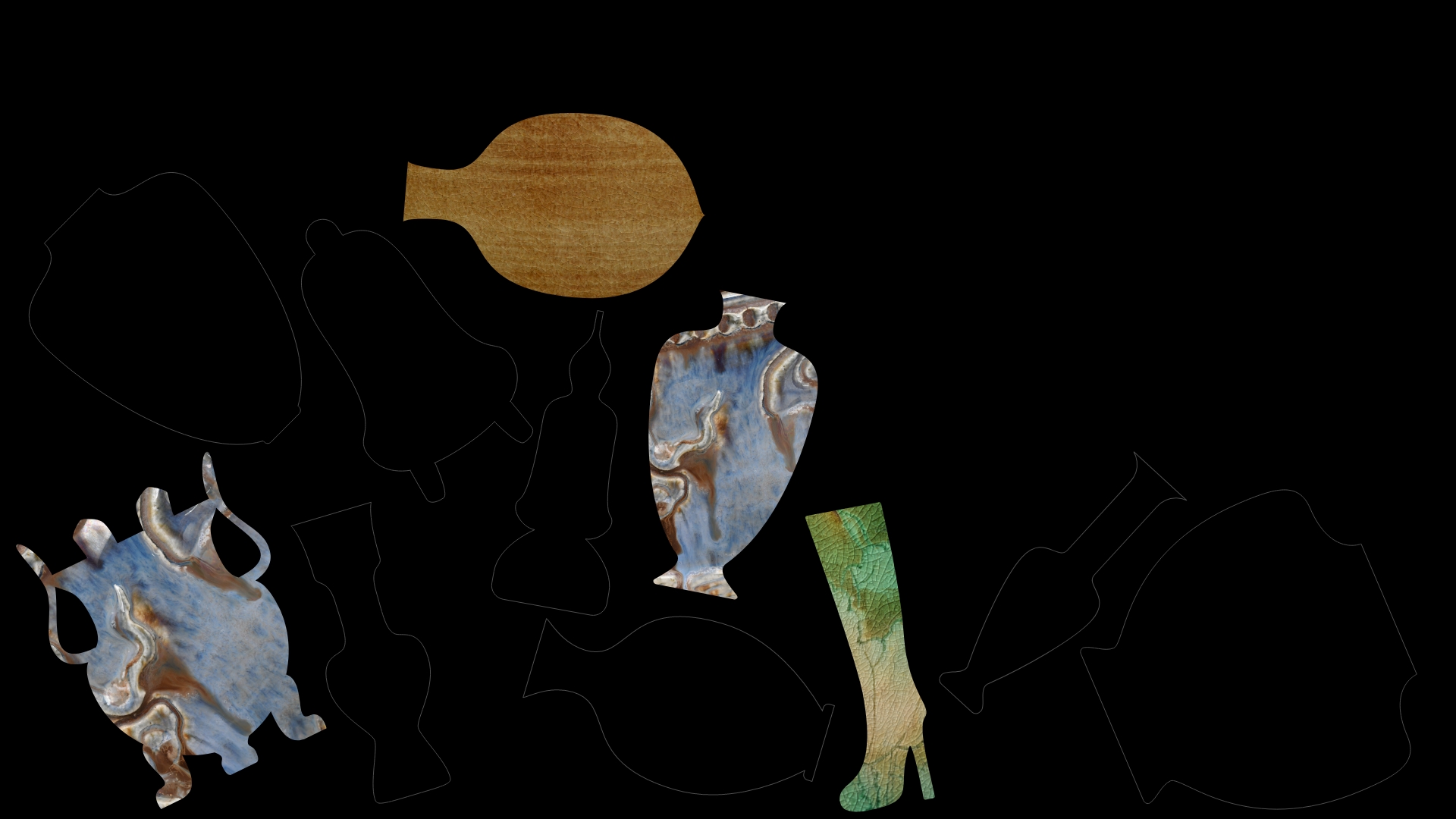
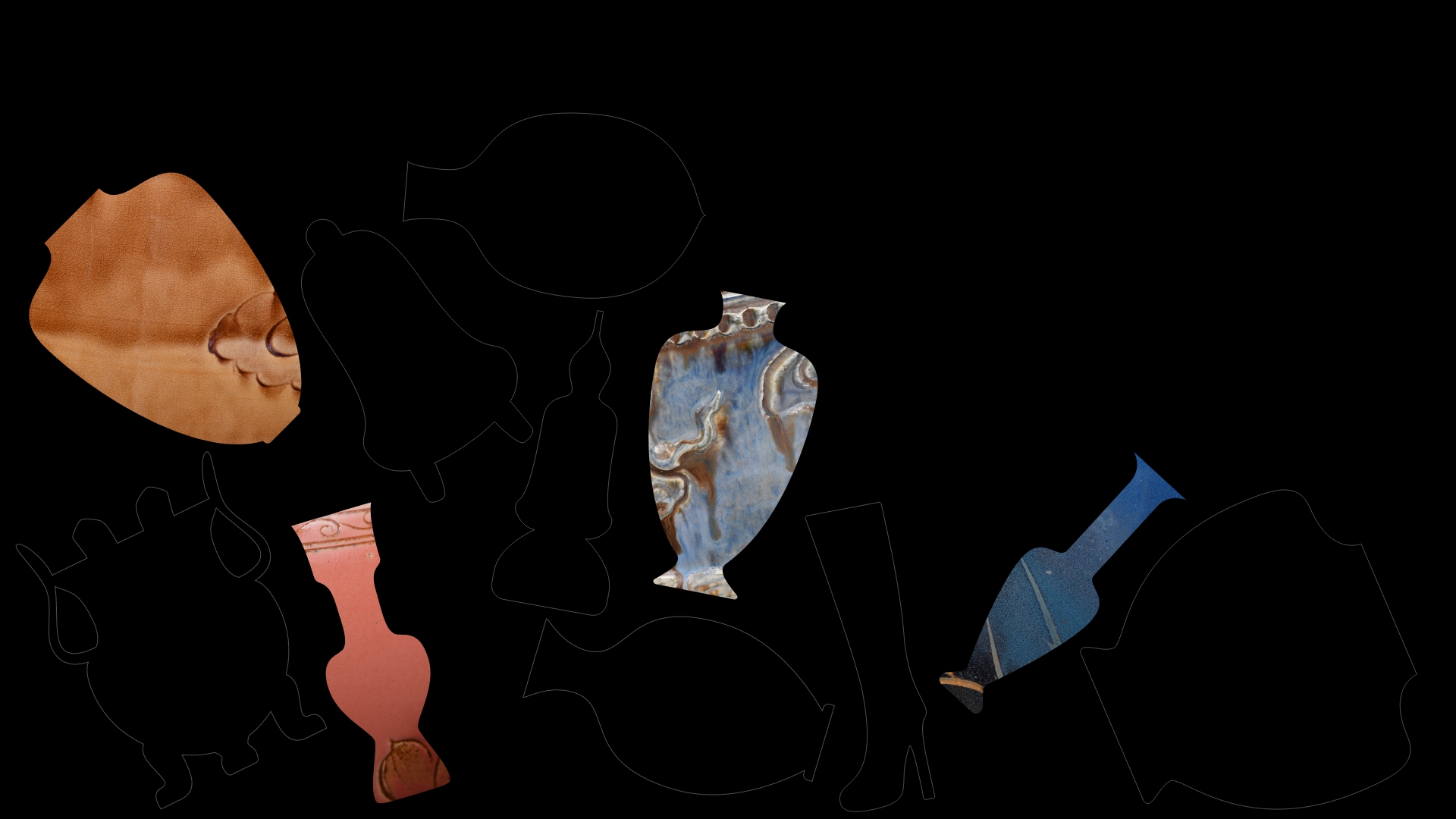
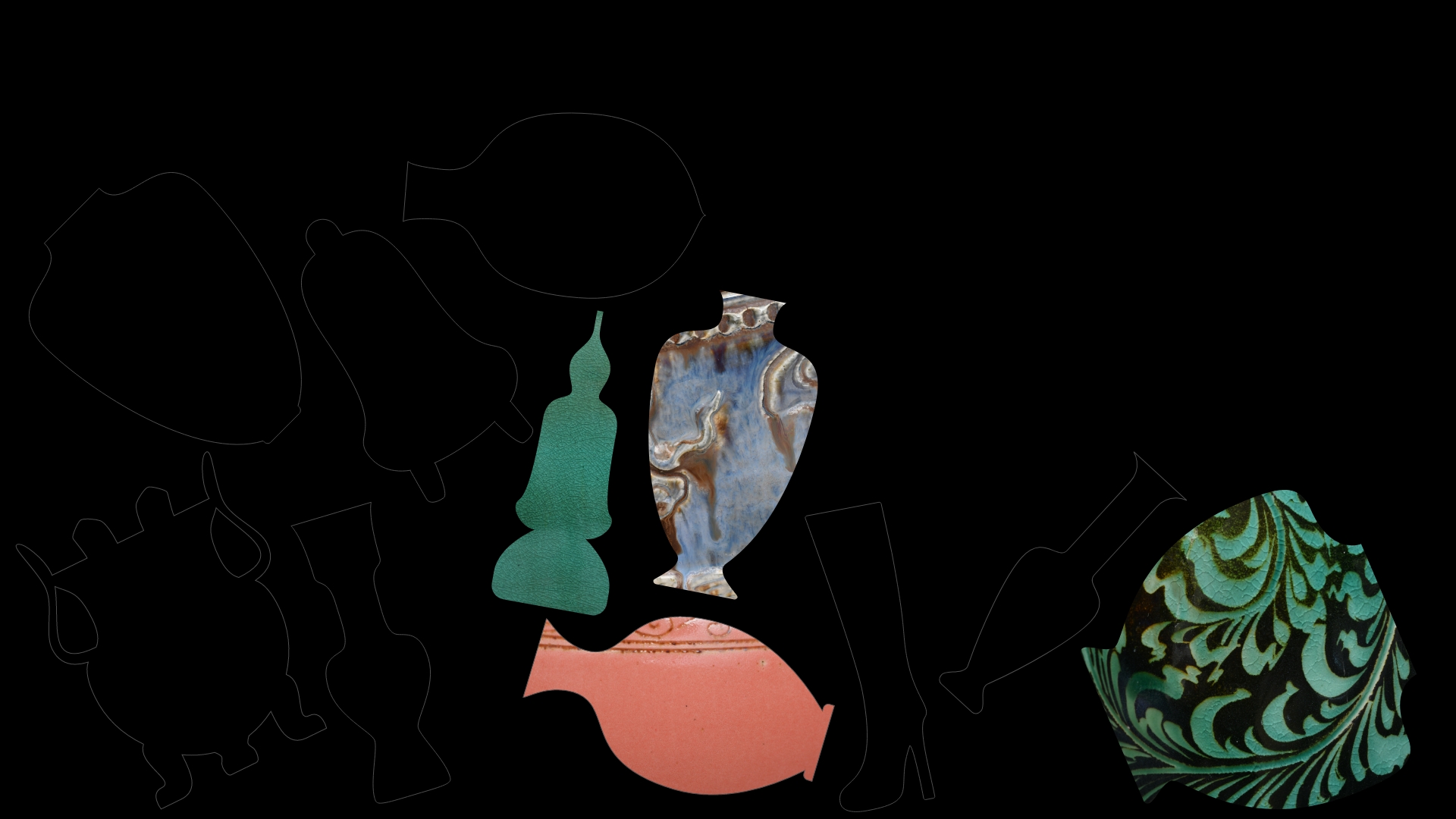
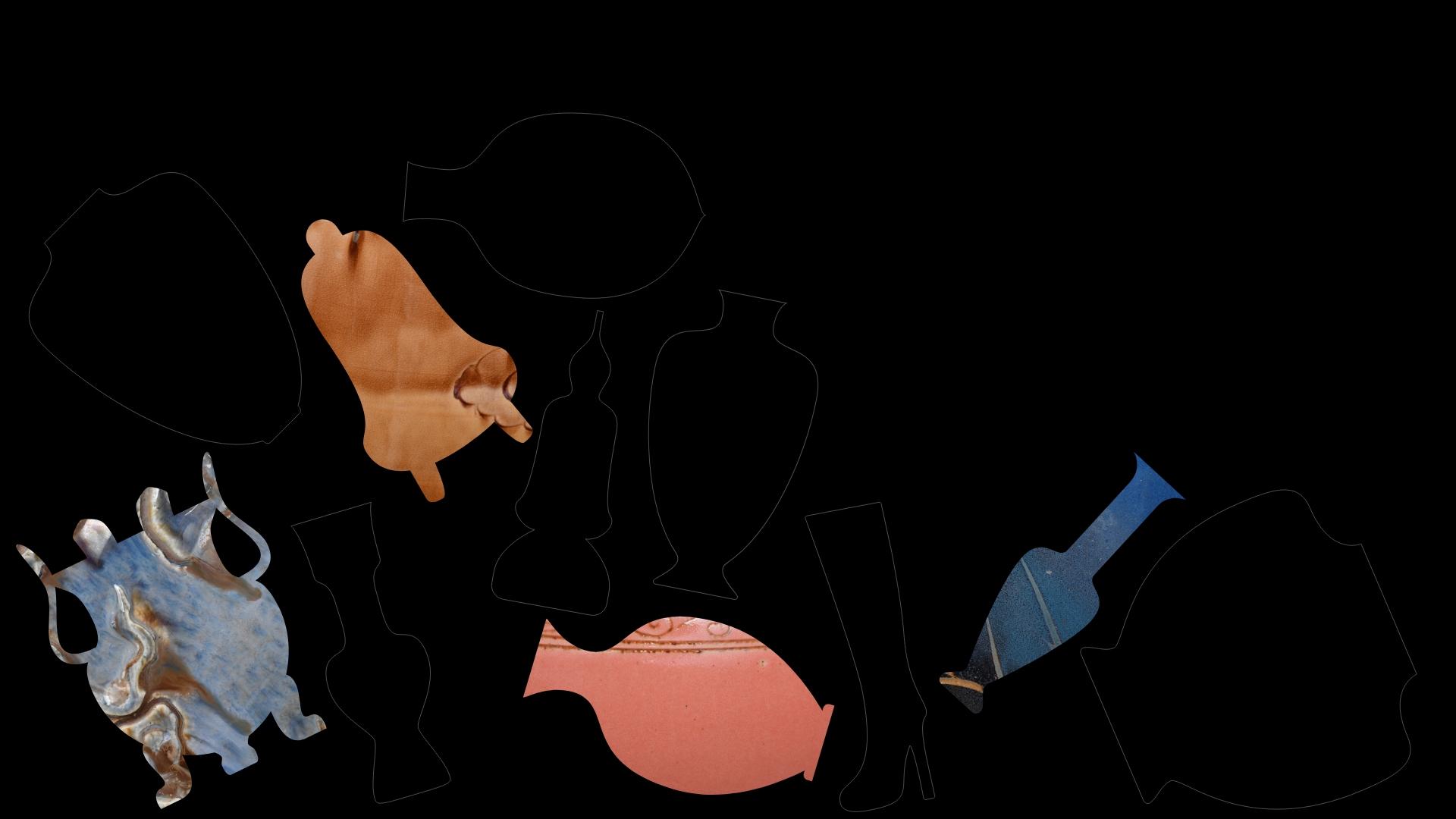
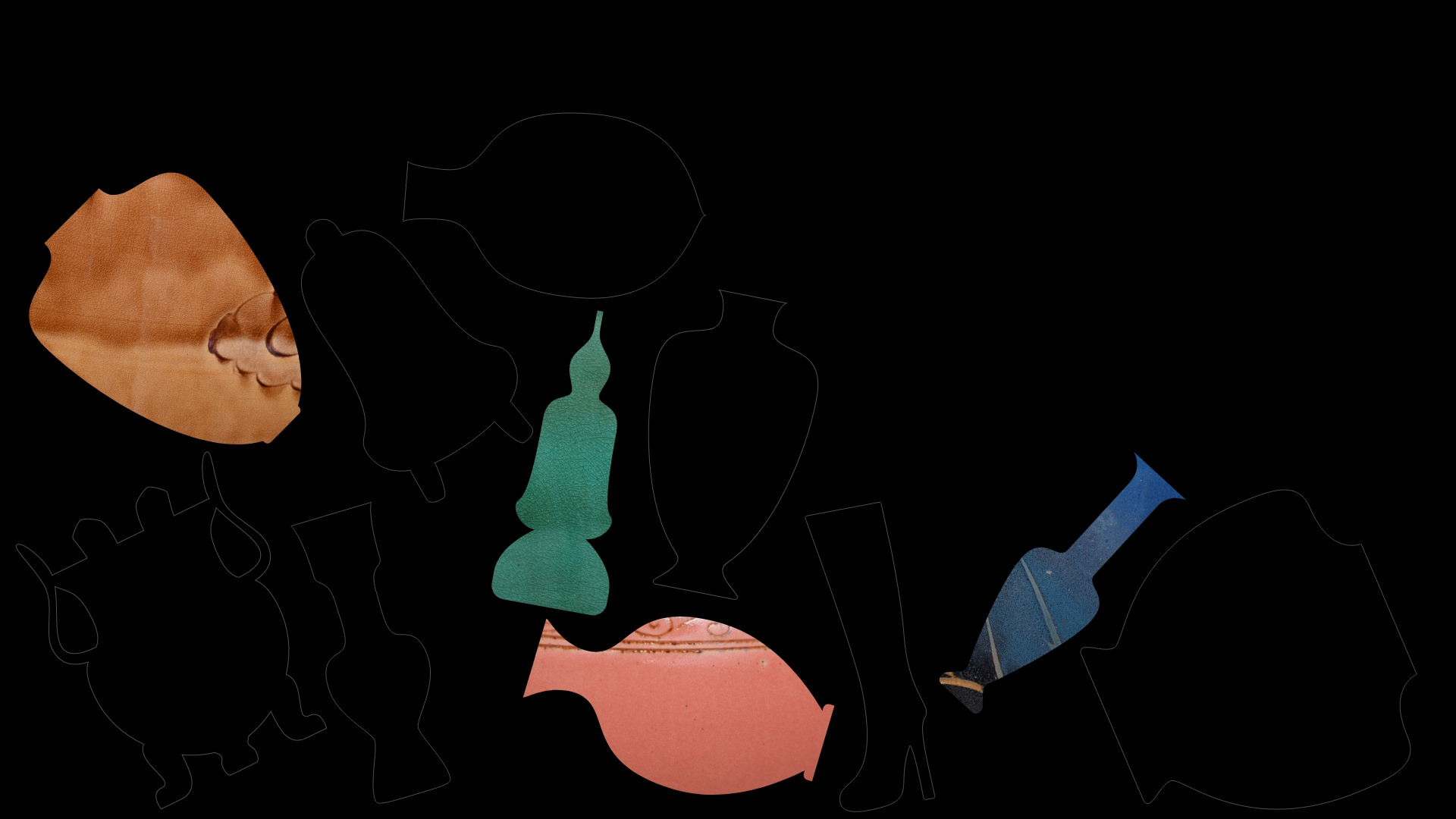
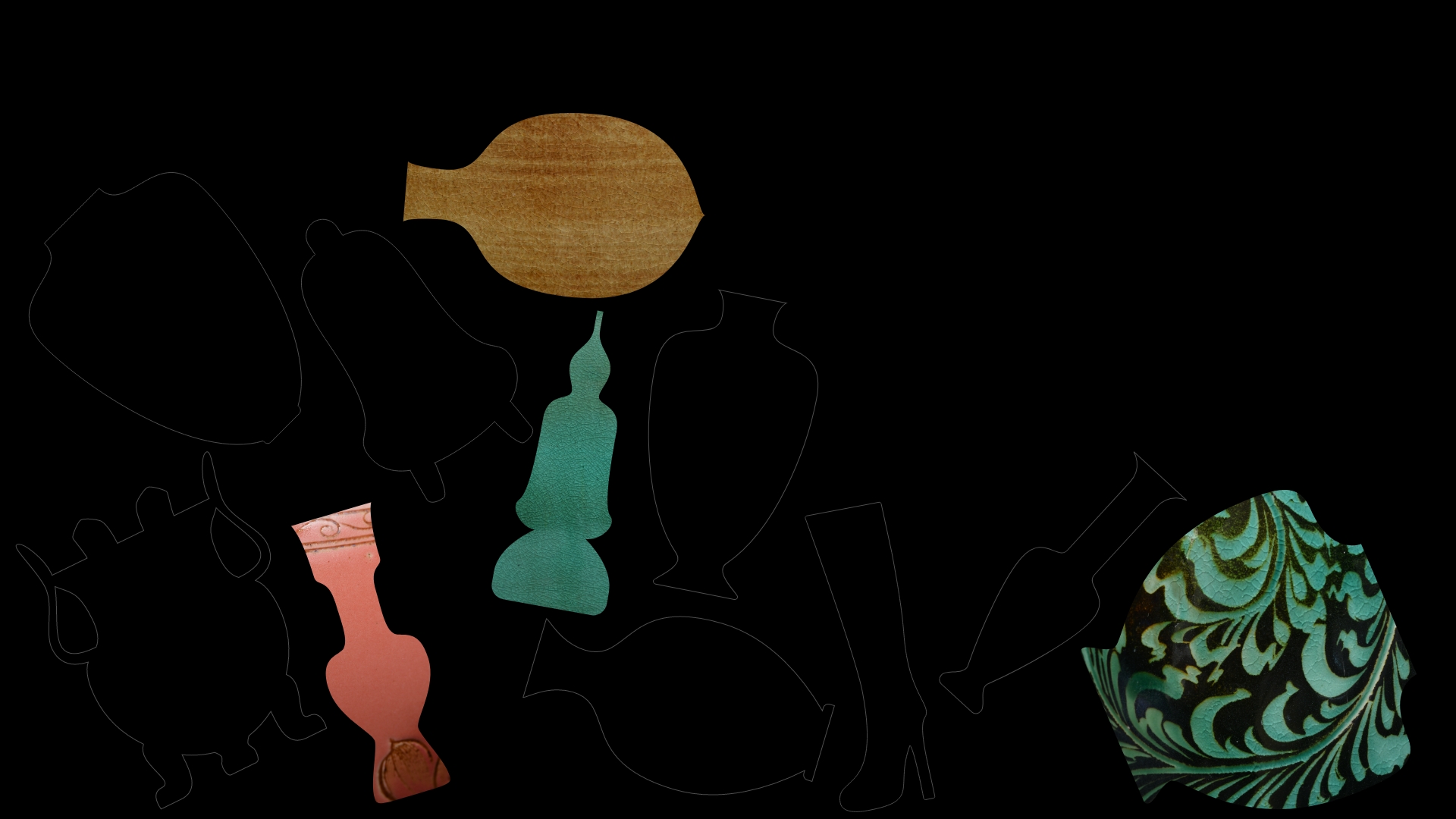
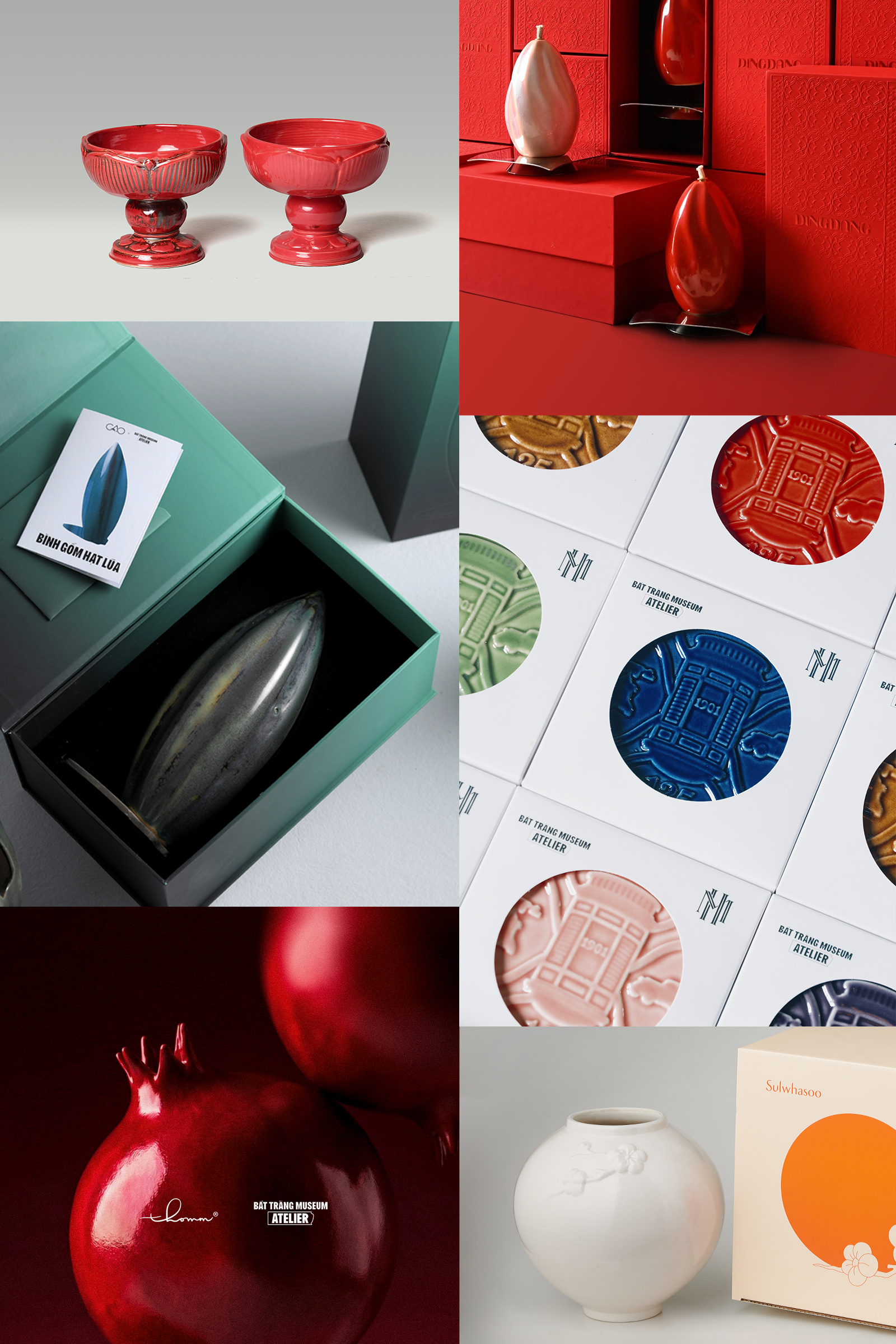
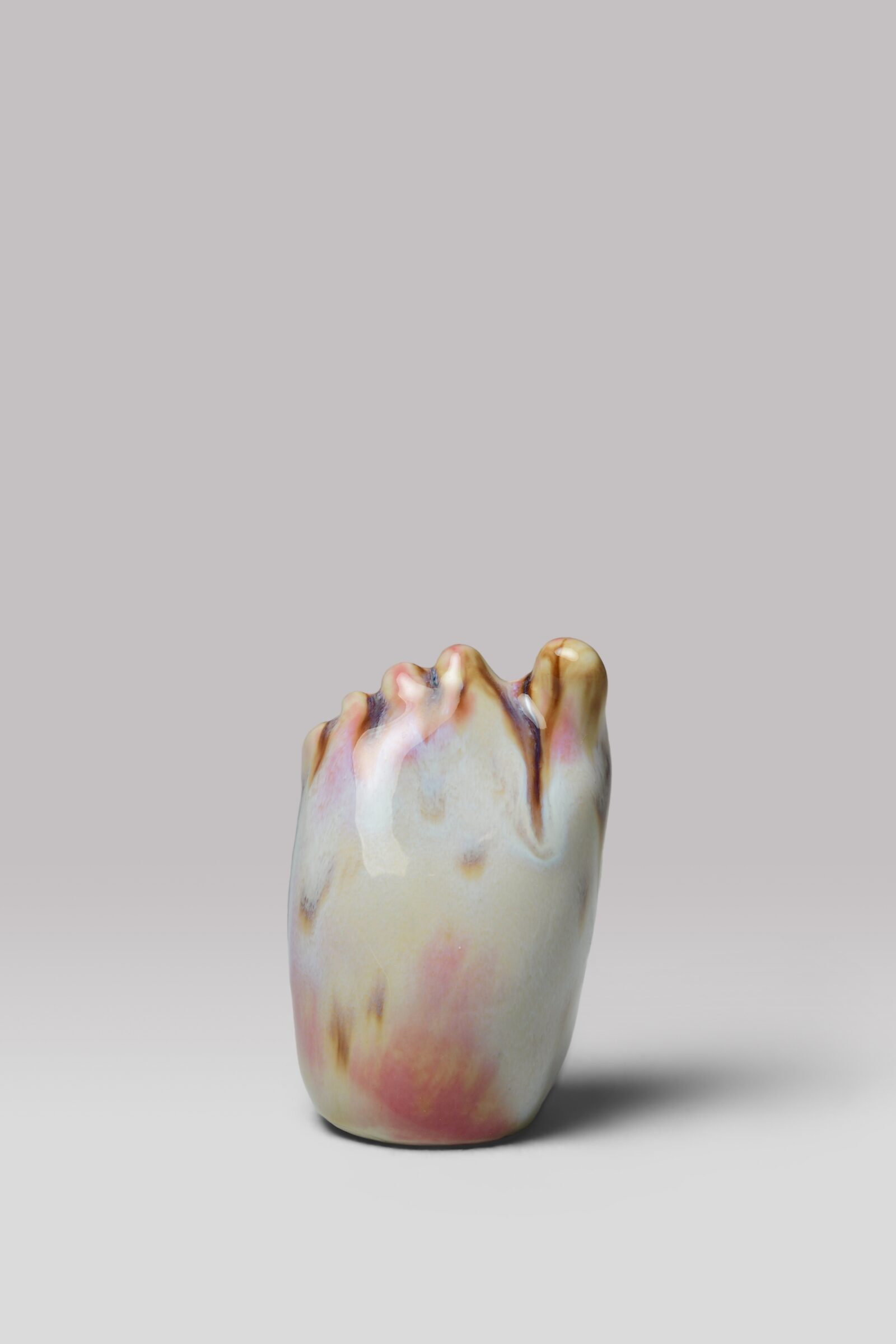
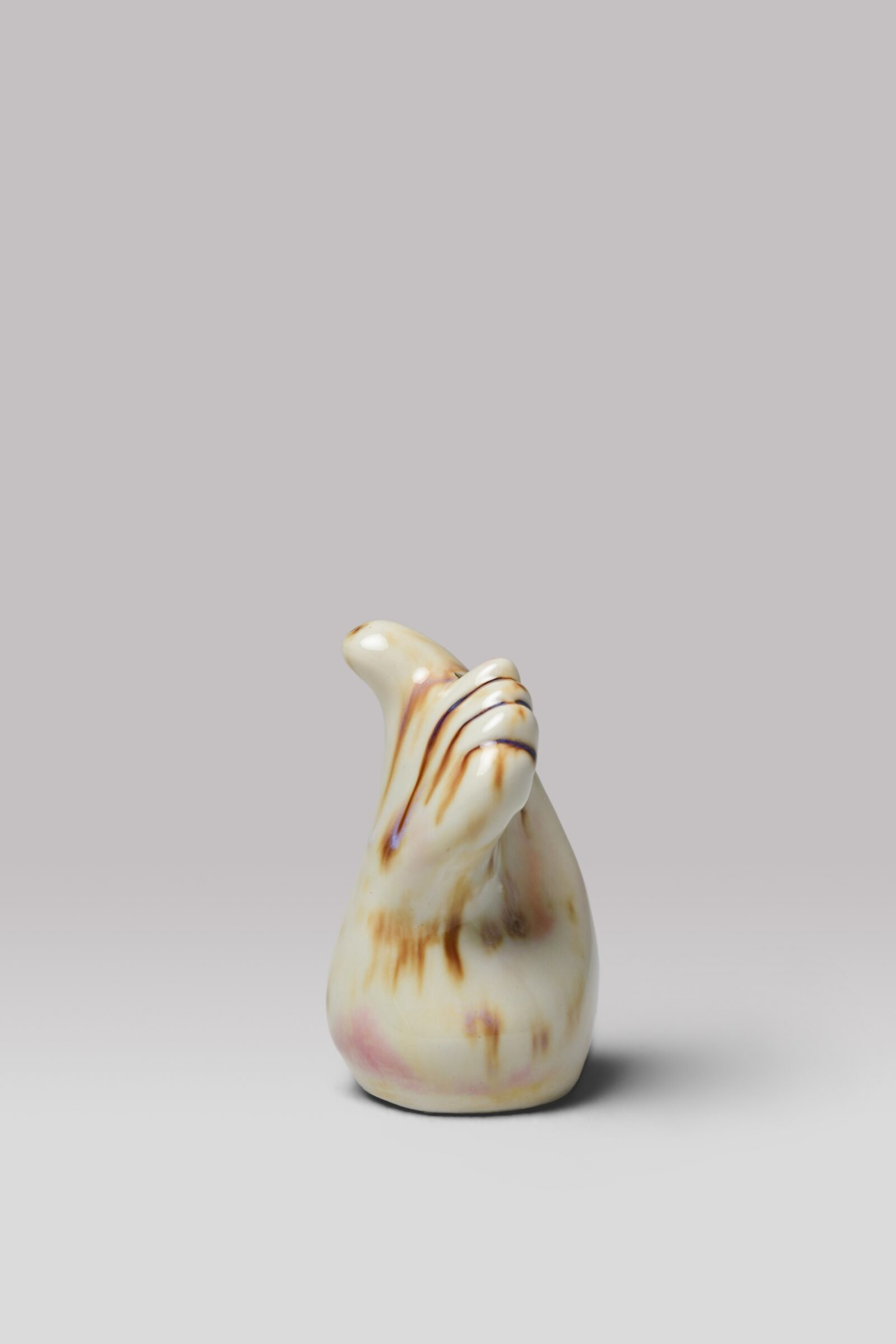
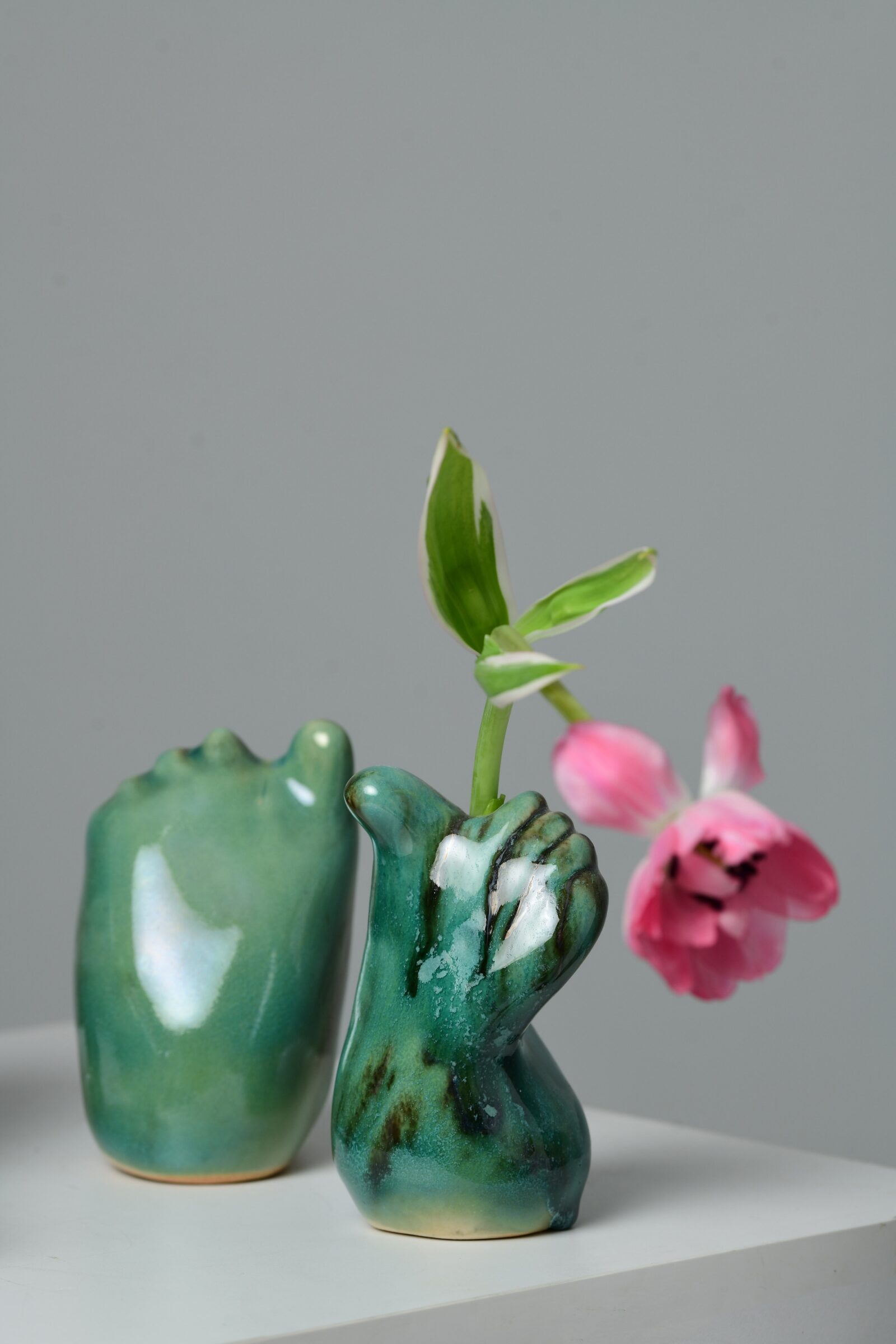
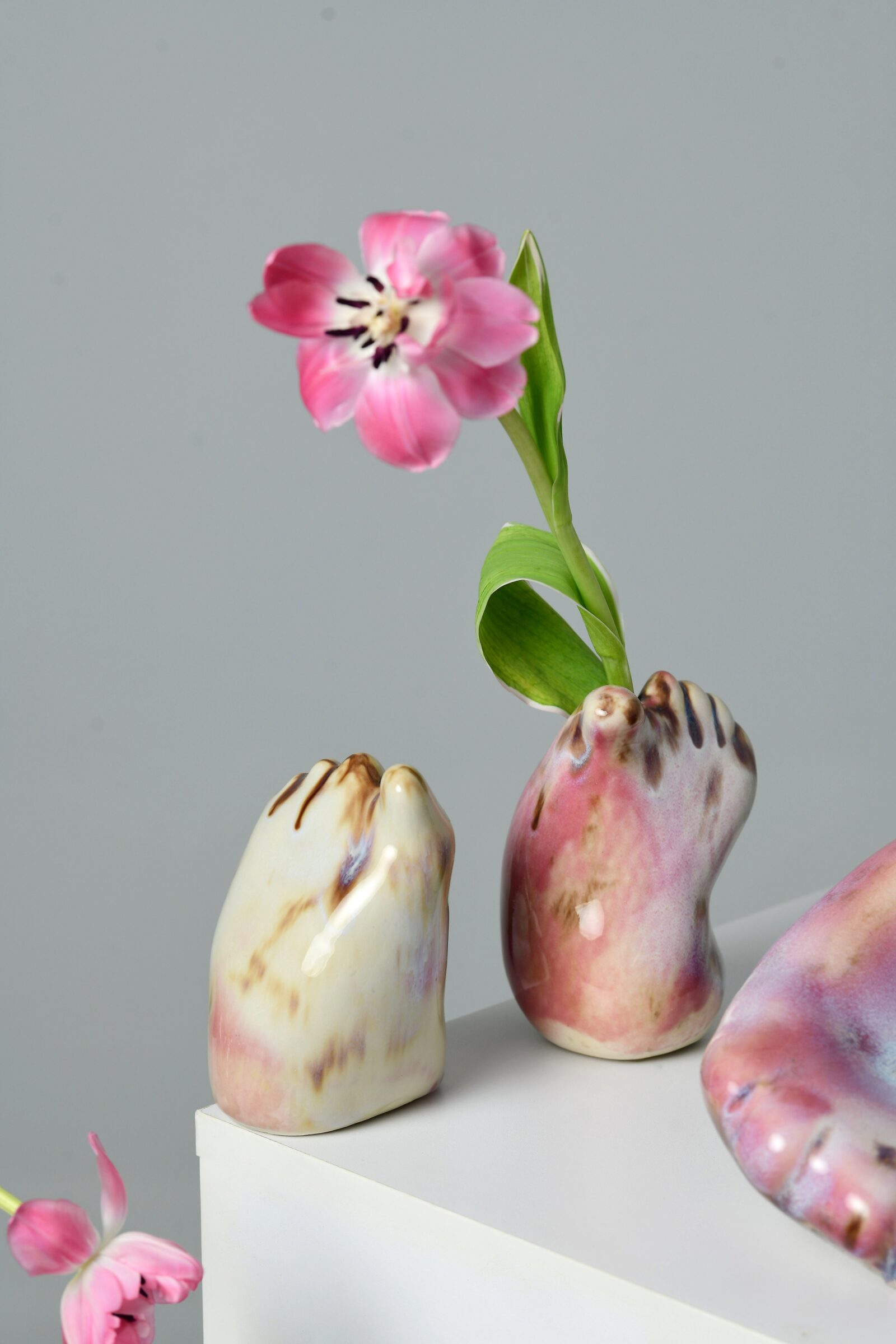
It happened very naturally. I was sitting at a café in Xóm Chiêu, Hội An, when I came across photographs of ceramic boots made by Bát Tràng Museum Atelier. My immediate reaction was: “Wow — this could truly stand on an international stage.” What impressed me was how the works embodied both the technical difficulty and the refinement of ceramic craftsmanship, while still existing as strong contemporary art objects. That first impression became the powerful push that later led me to meet Vũ Khánh Tùng and begin developing the Giao Chỉ collection together.
You describe Giao Chỉ as something “latent” or “hidden.” Why did this image appear so suddenly and materialize so quickly?
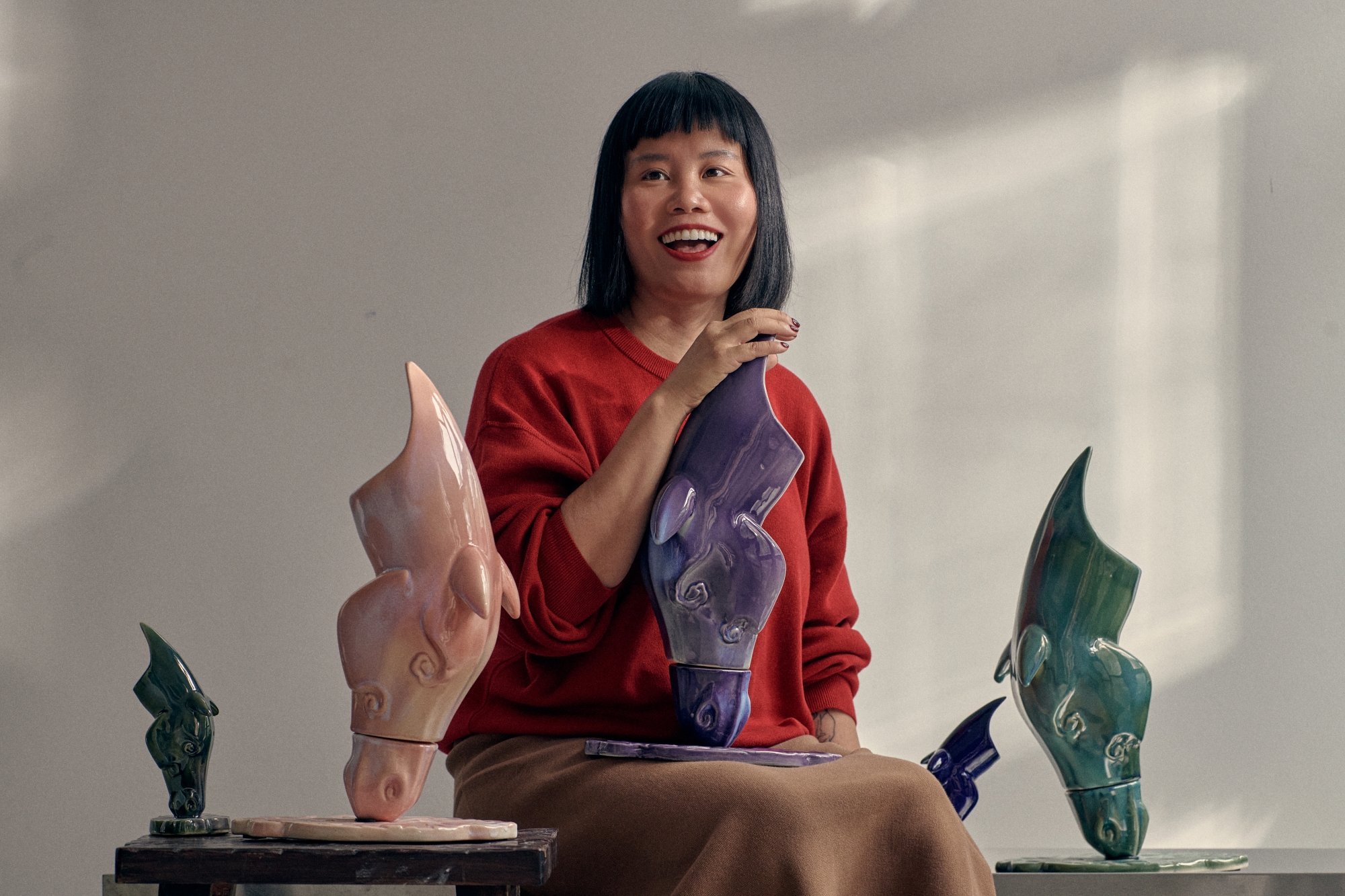
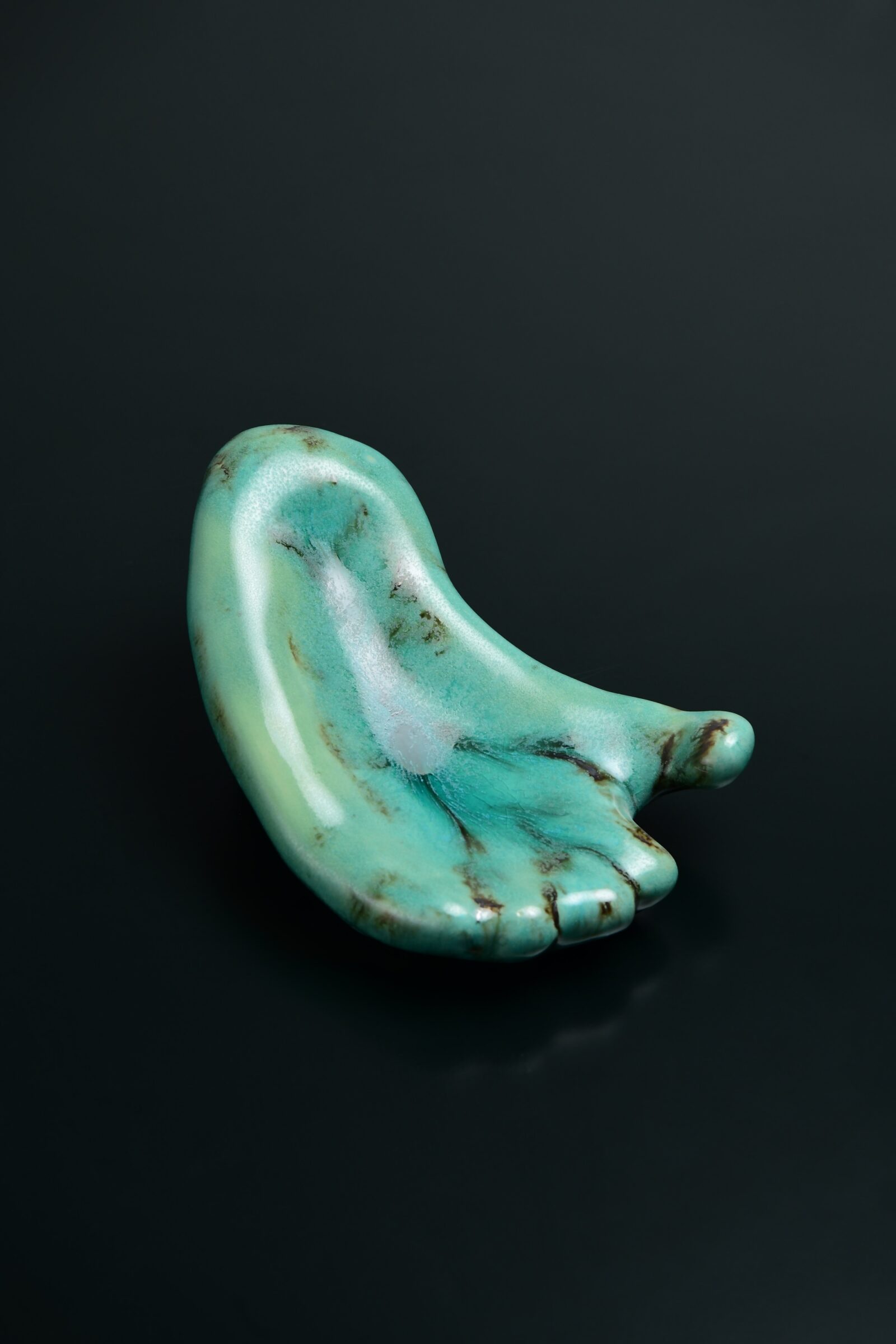
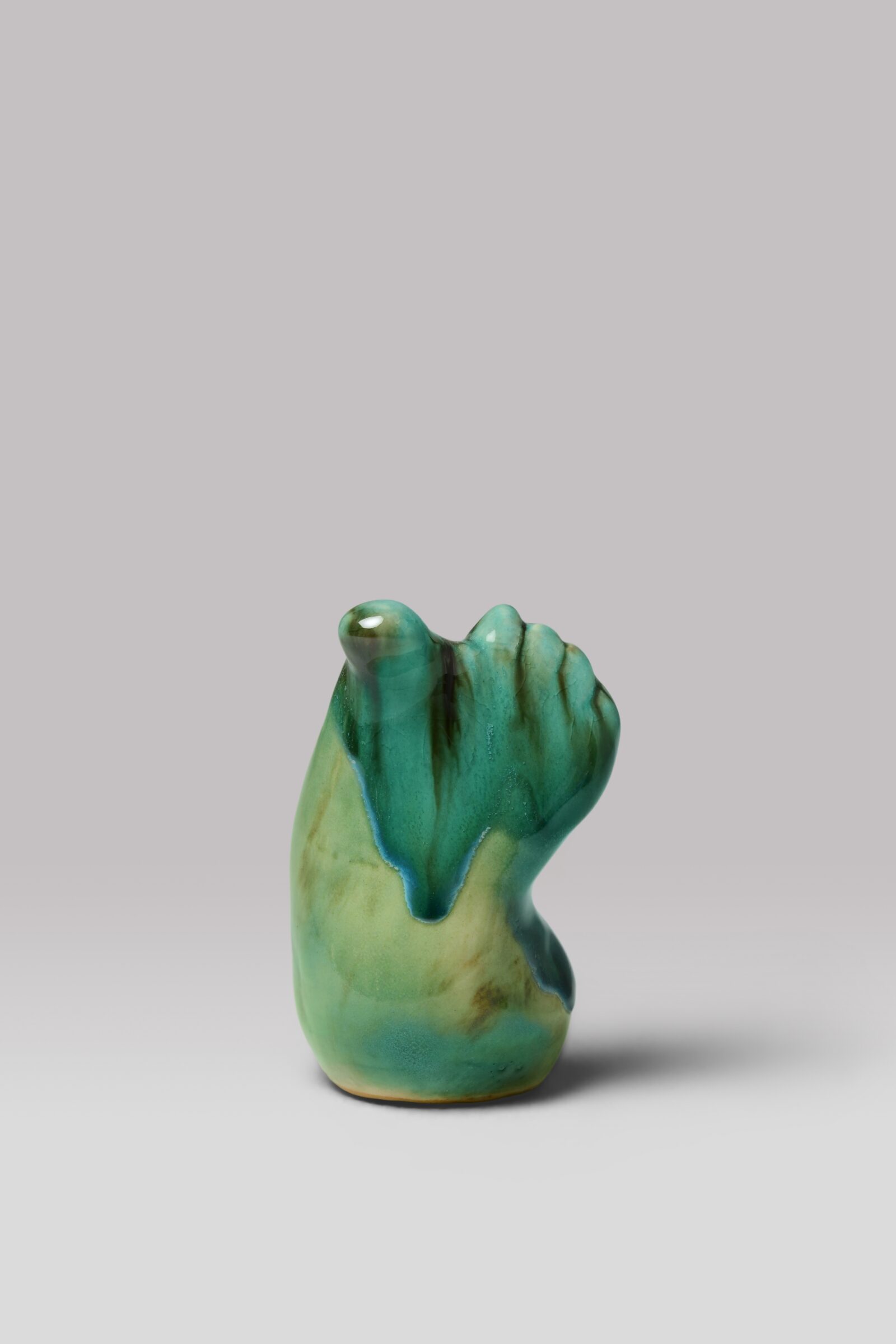
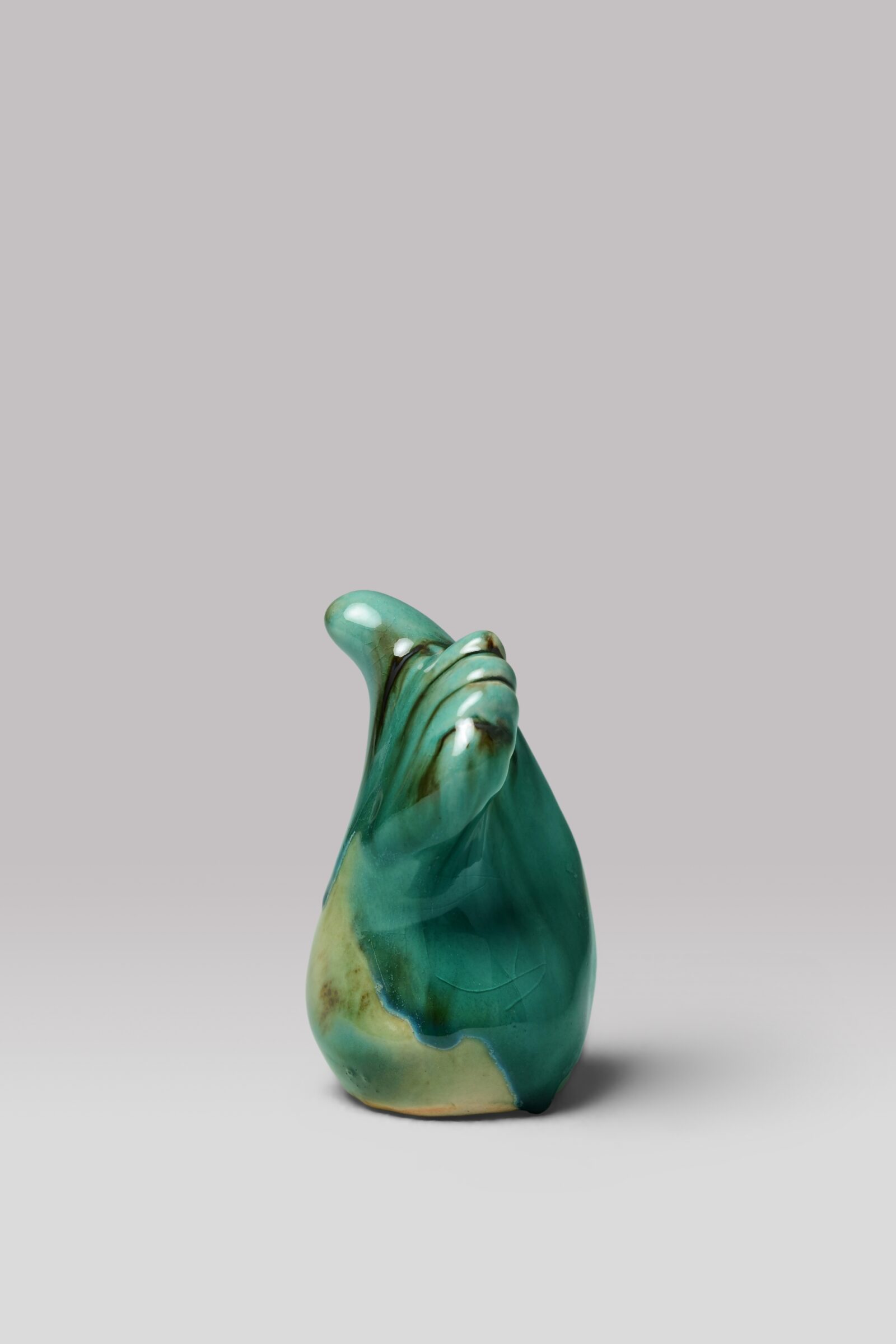
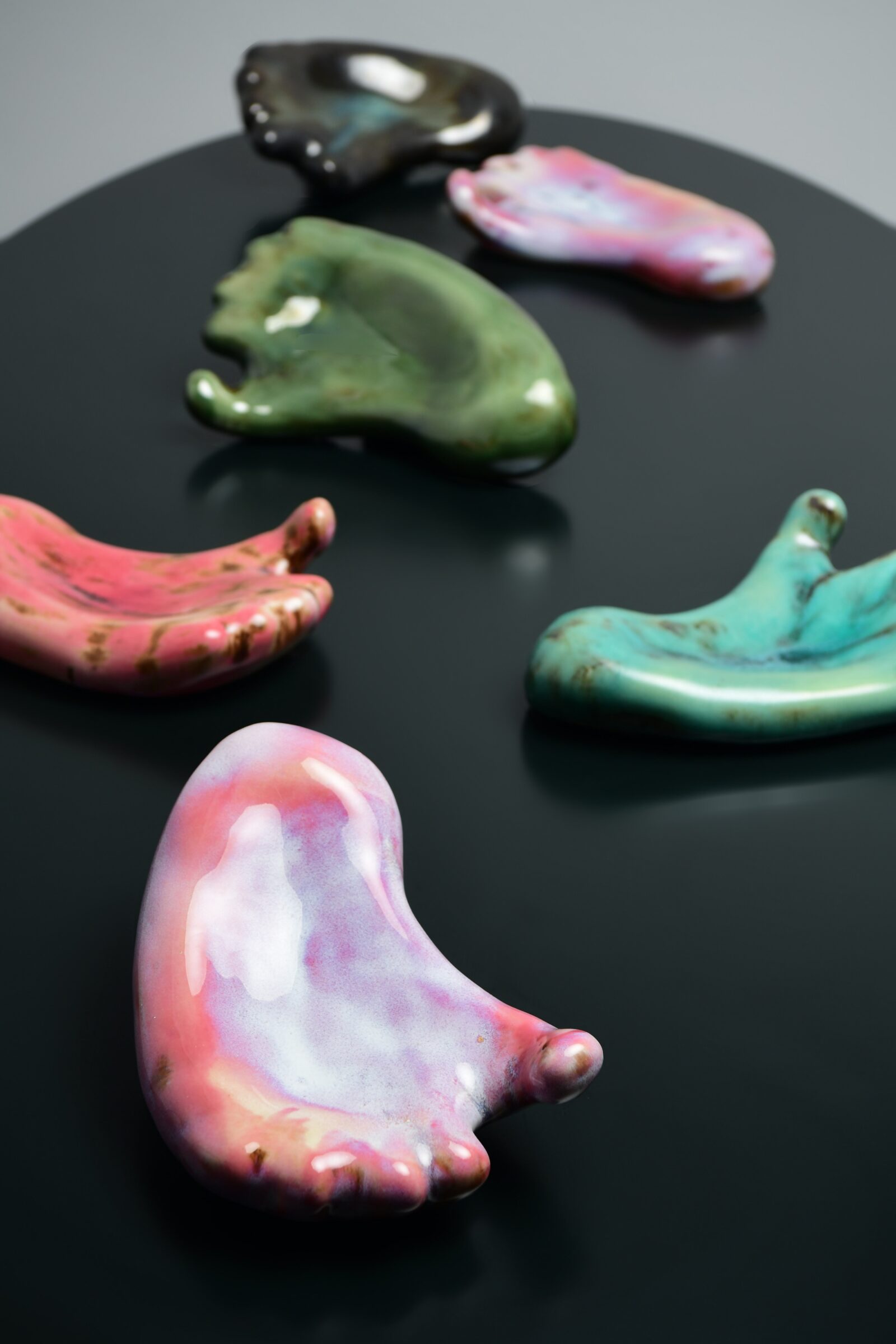
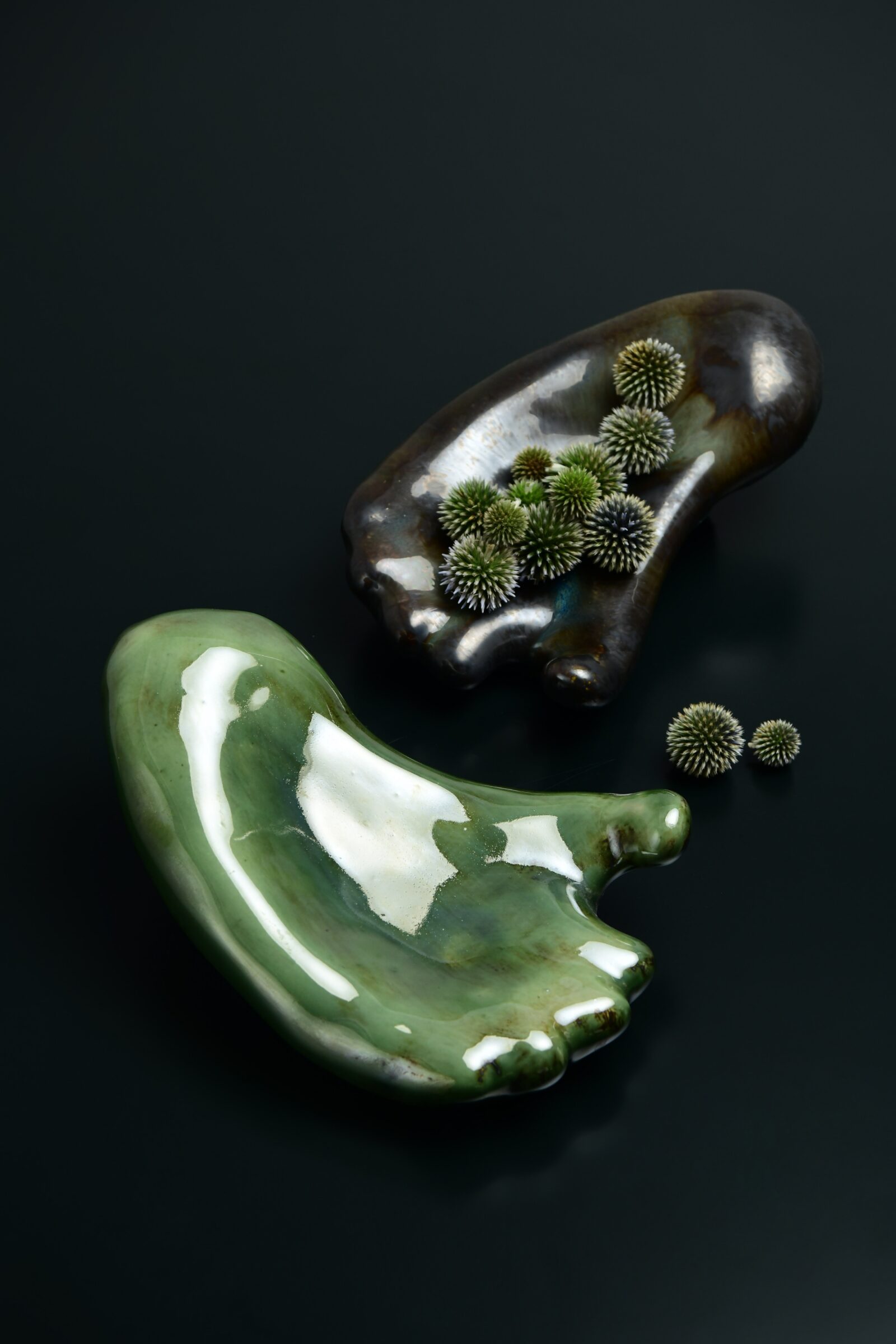
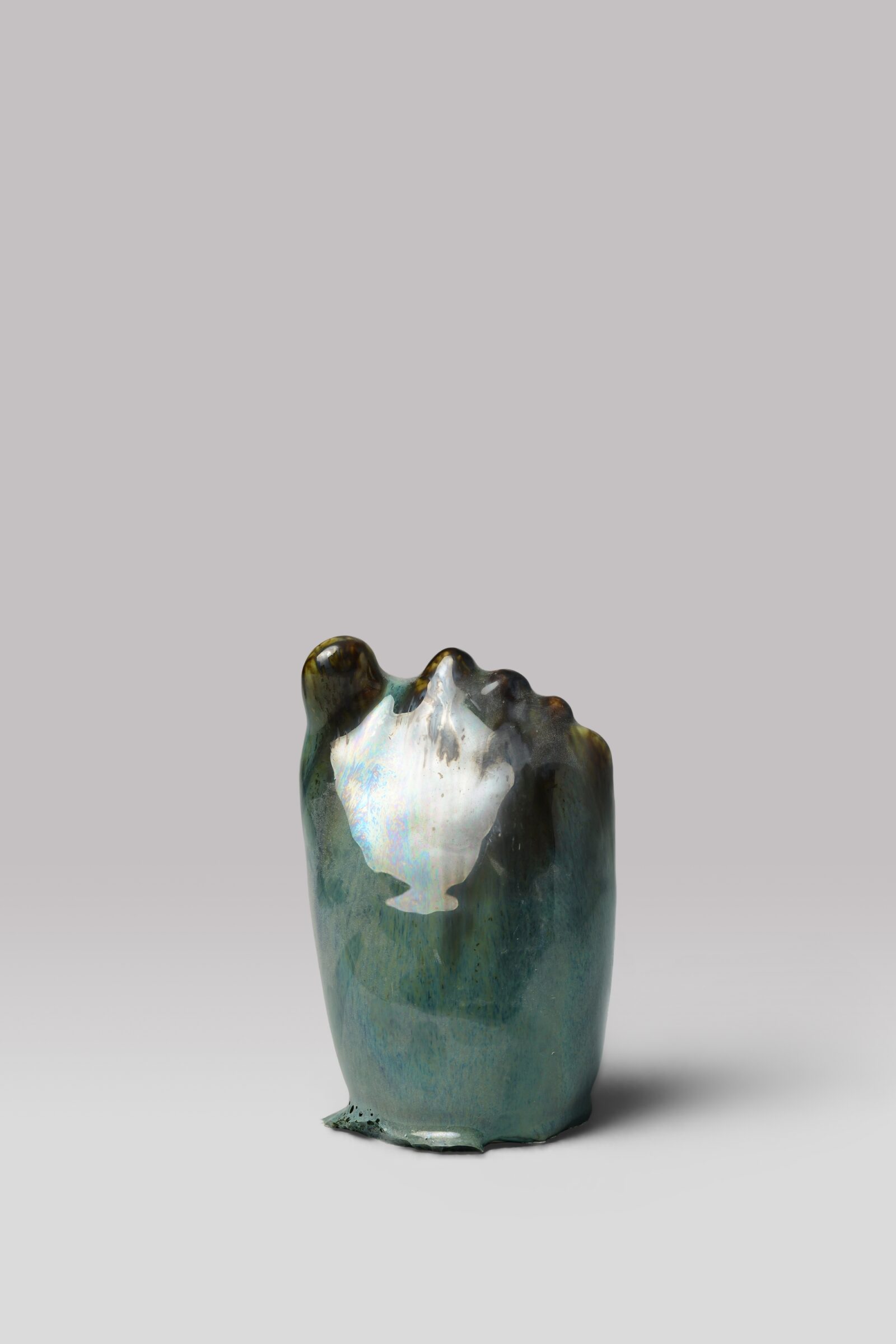
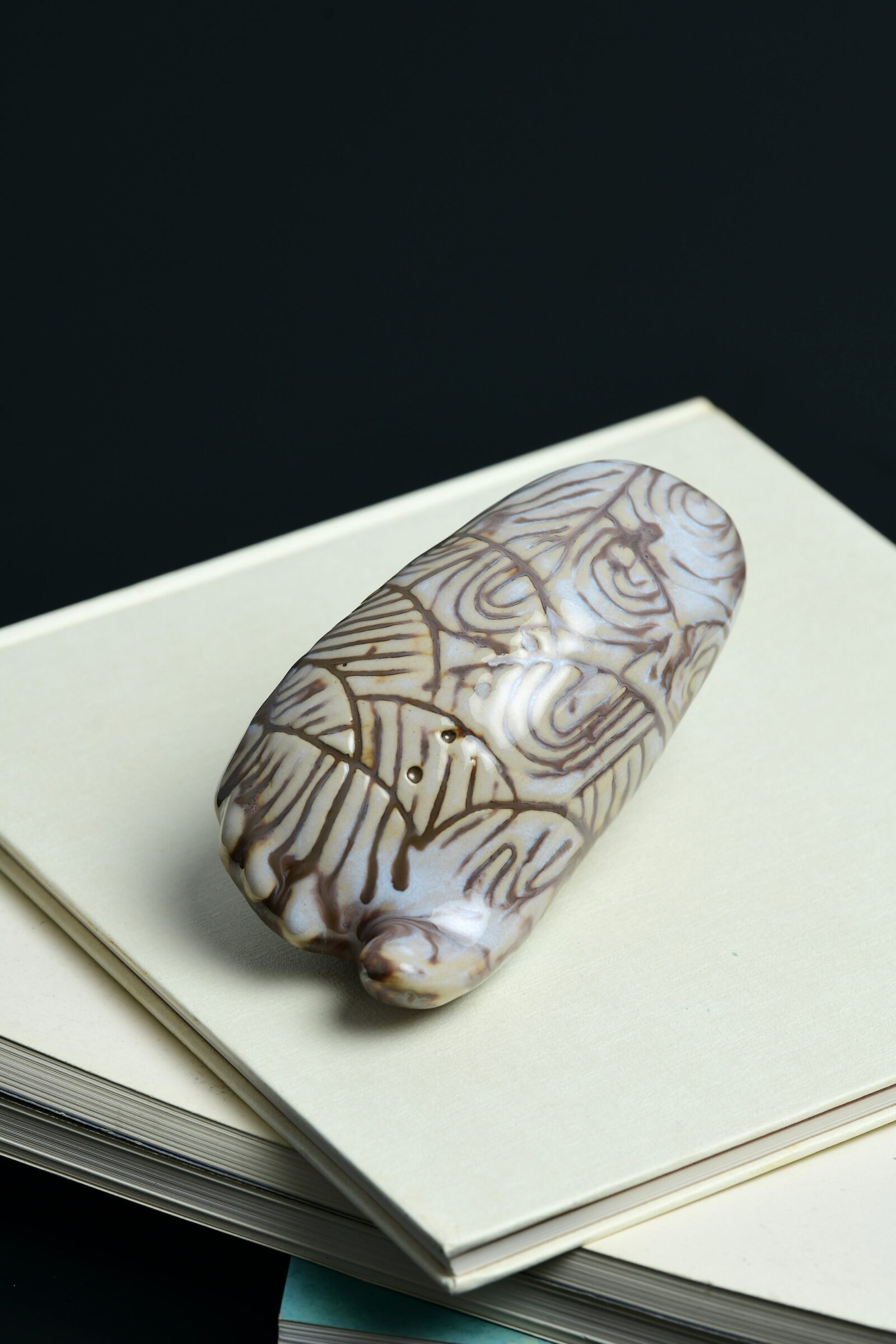
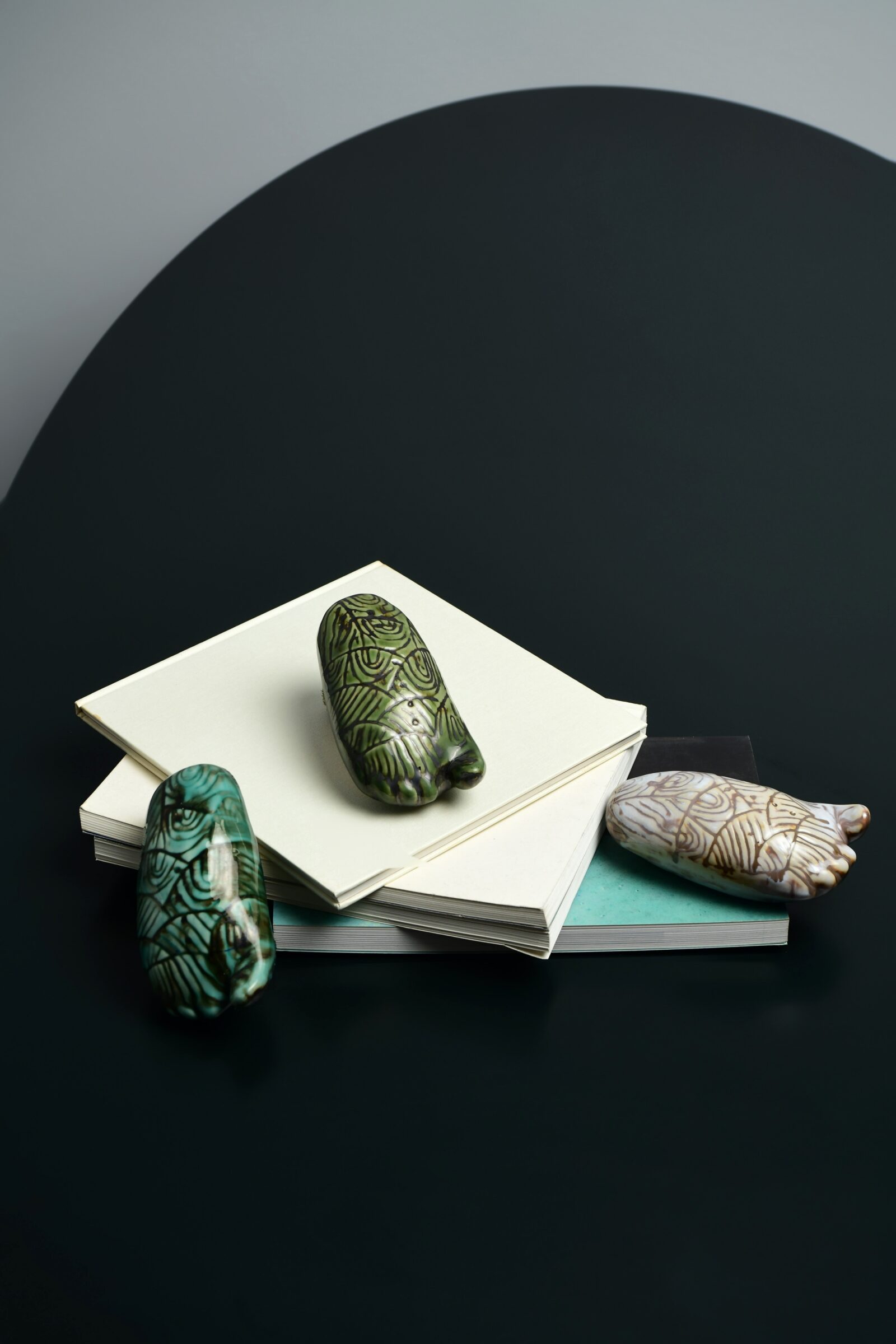
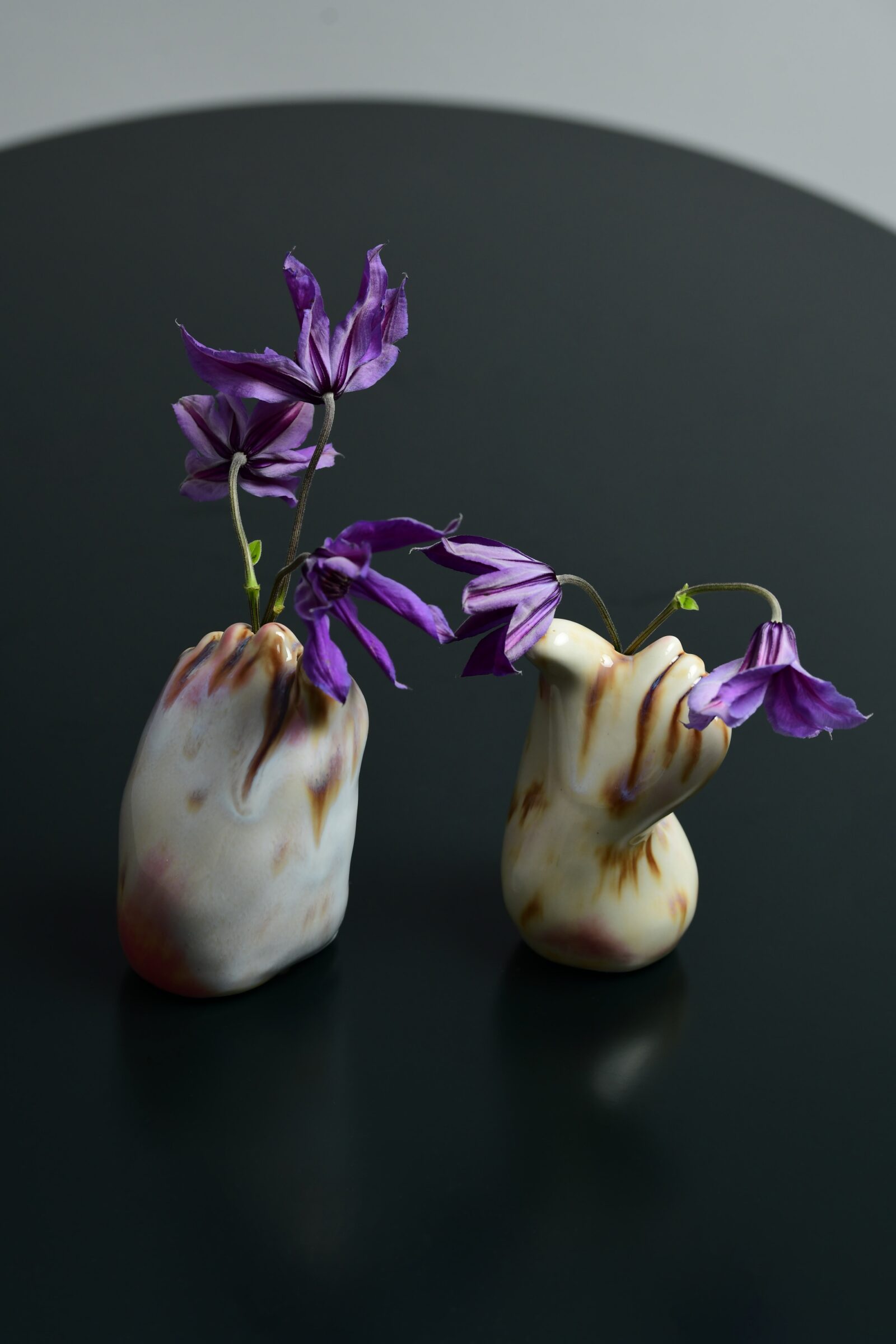
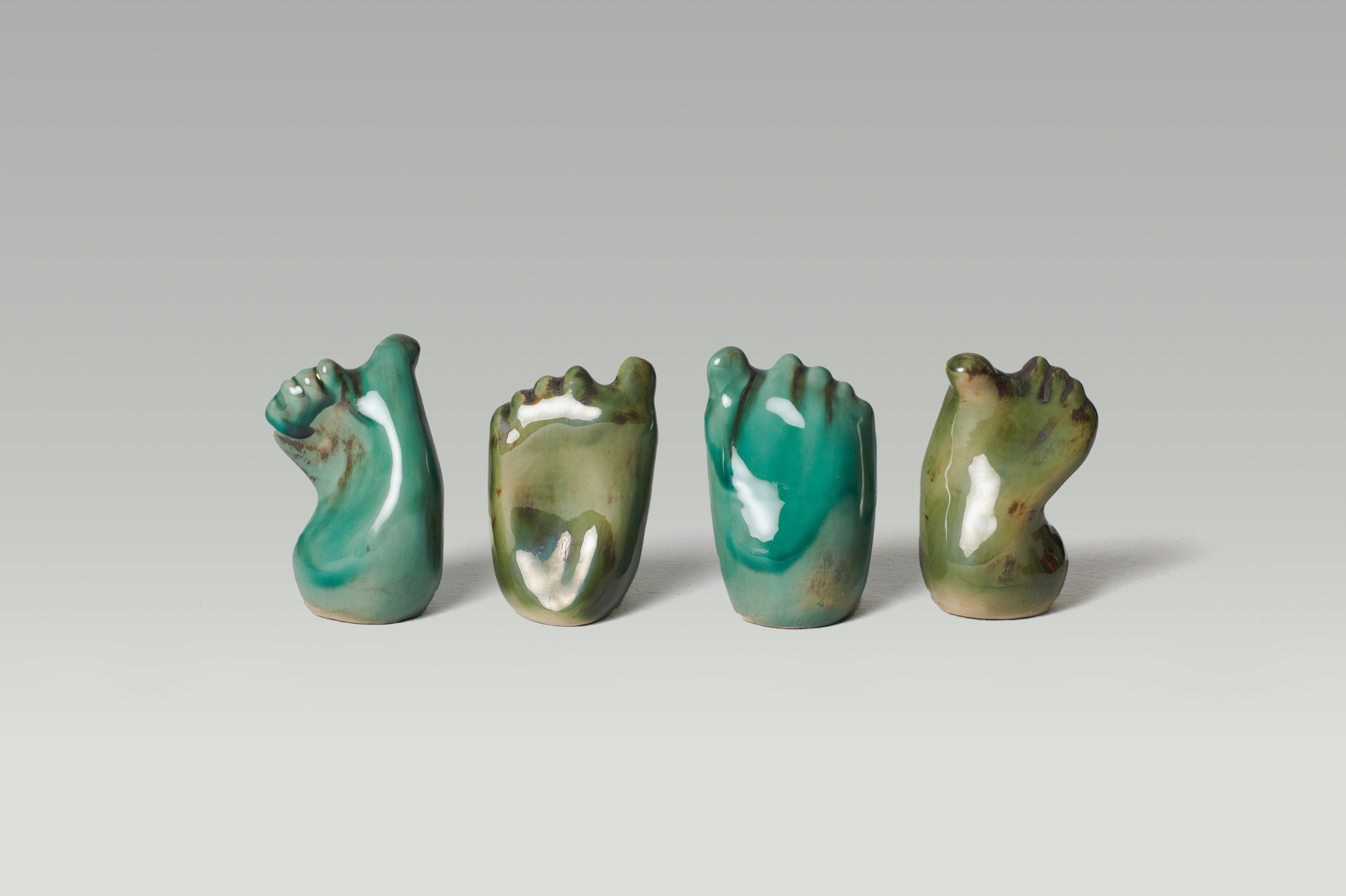
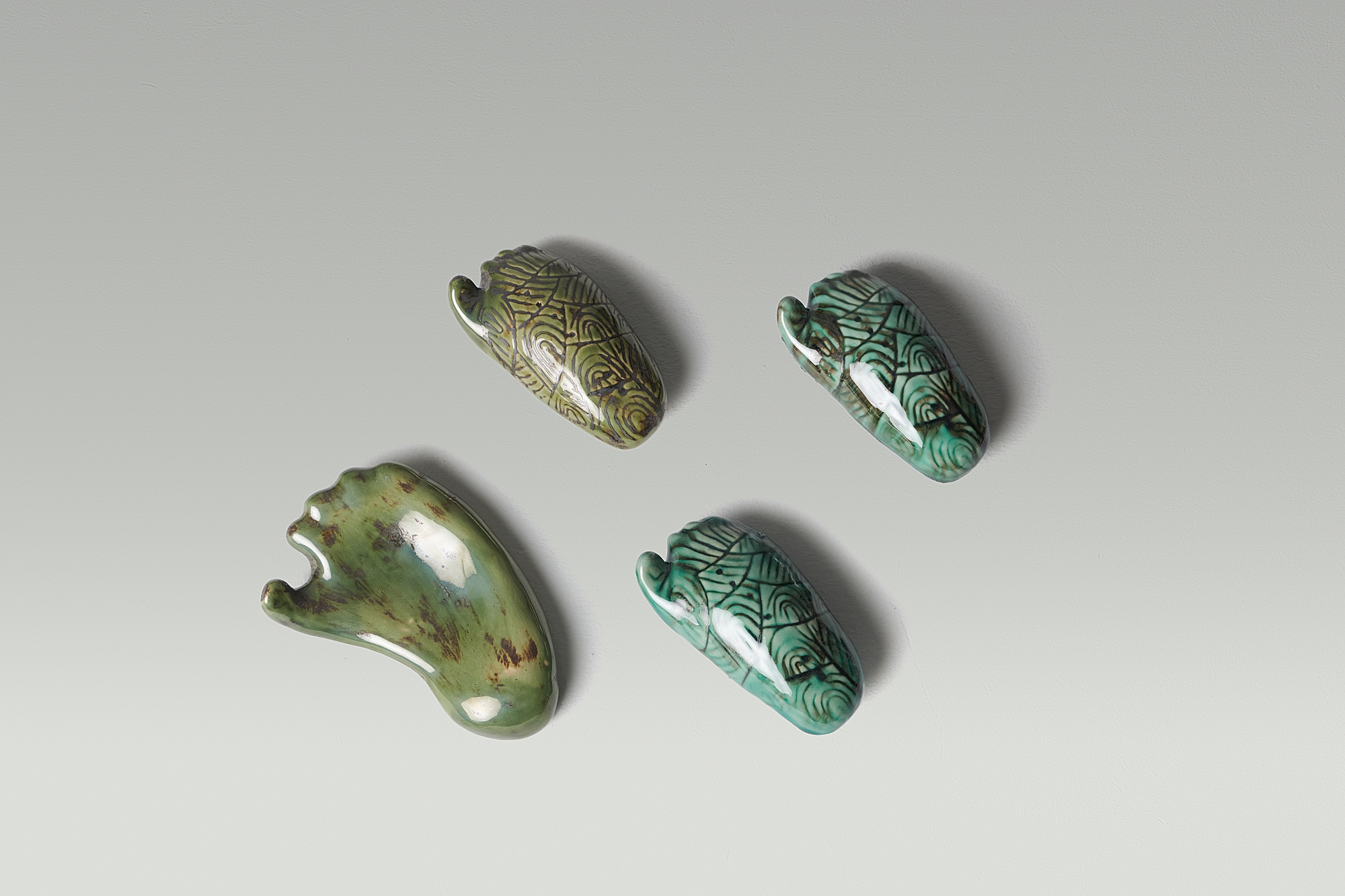
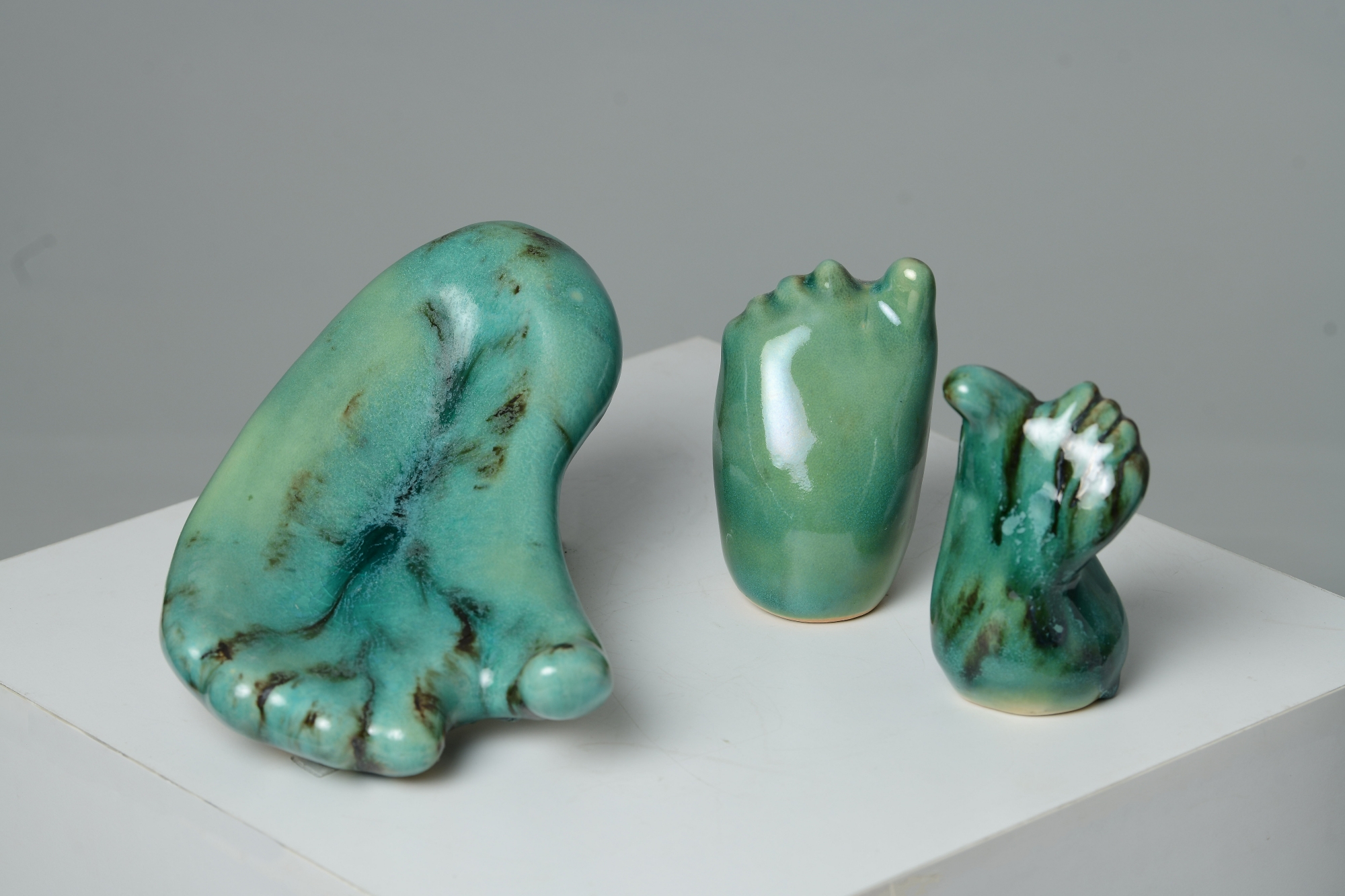
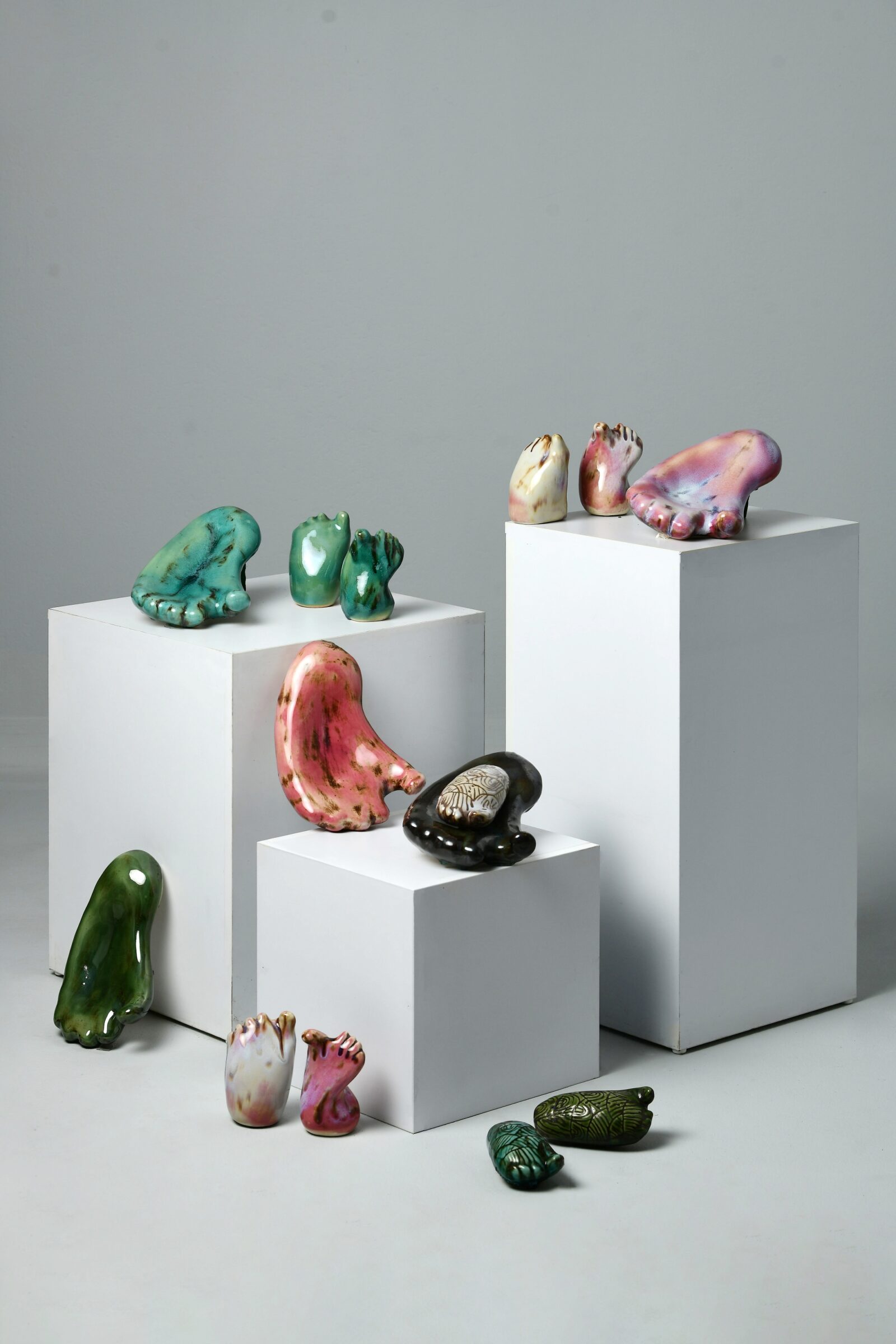
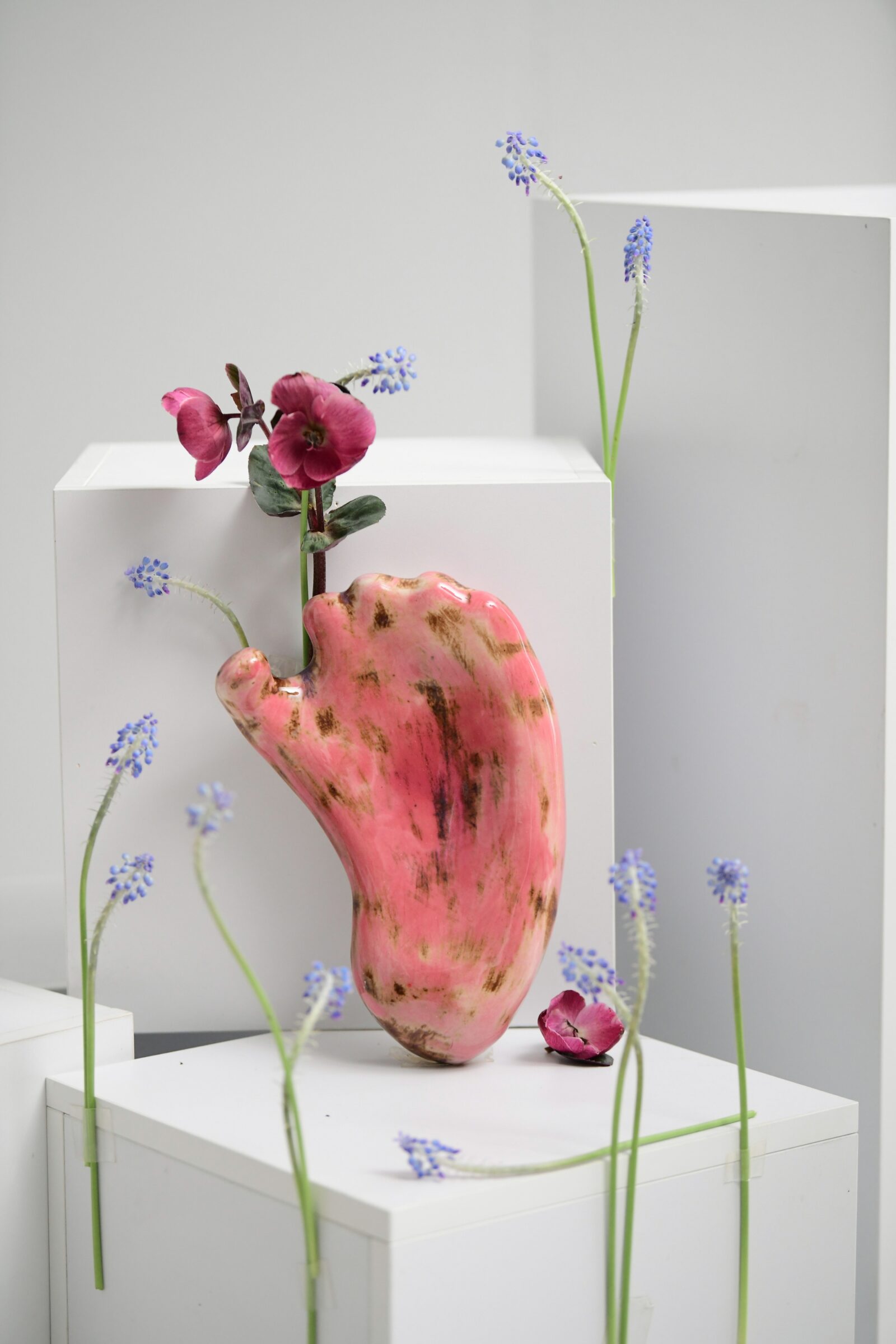
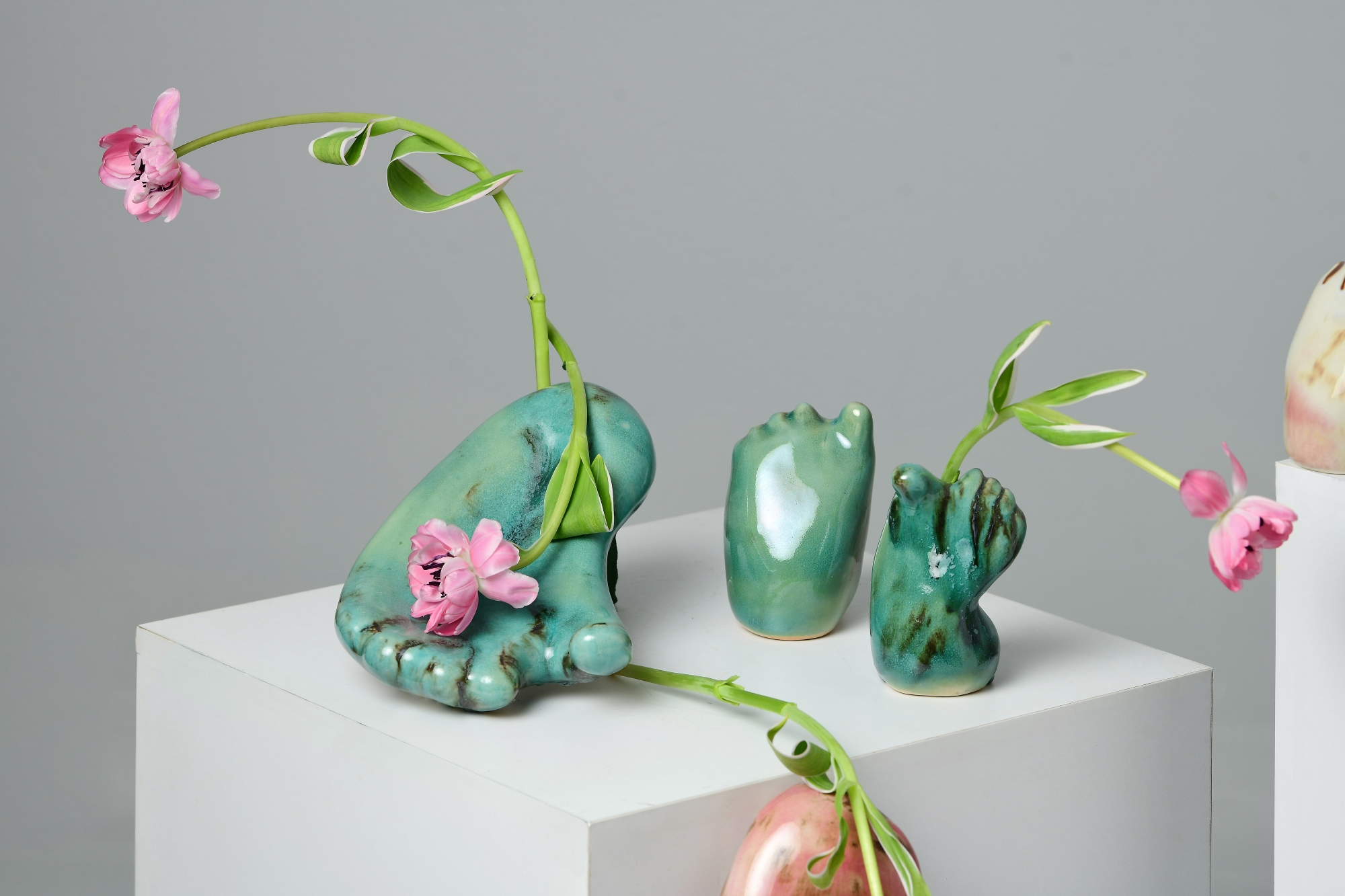
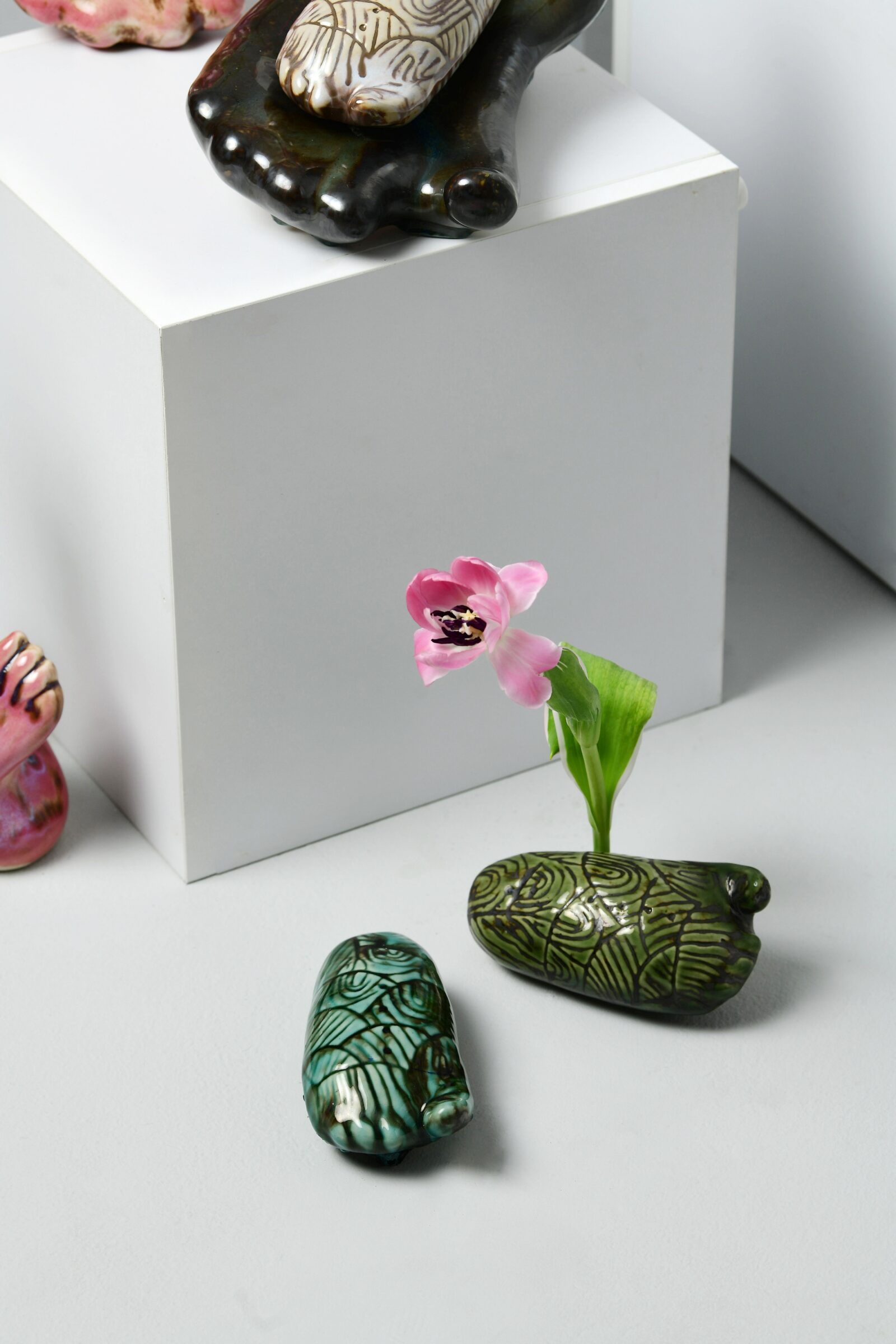
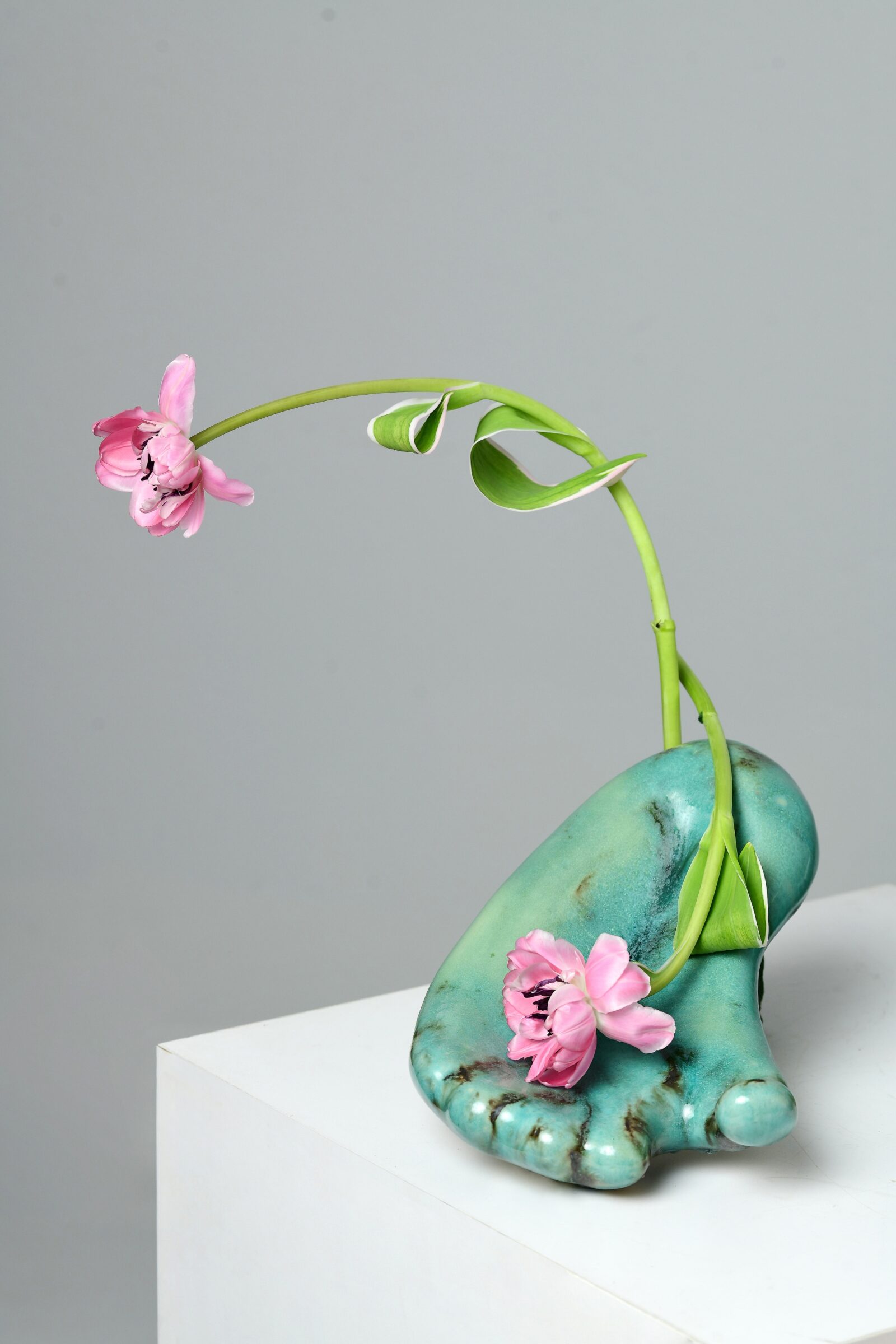
It comes from stories my father told me when I was a child, even though I had never truly seen the image itself. The crossed big toe associated with ancient Vietnamese people remained compressed somewhere deep in my subconscious, like an origin point. When the right moment arrived, it surfaced very quickly through four sculptural forms. I believe what we do not know is far greater than what we do know. And when we manage to open the correct door into “Tàng Ẩn,” everything emerges very quickly because it has always existed there.
The visual language of the Giao Chỉ collection strongly references Primitive Art. Why did you choose this direction?
The origin of the Giao Chỉ foot belongs more to sculpture than functional ceramics. I was inspired by prehistoric drawings and primitive geometric forms as a way of spelling out an early visual language once again. When translated into ceramics, the work required both artistic sculptural thinking and the layered high-temperature glazing techniques of Bát Tràng artisans, fired at 1300°C. That combination creates objects that feel both ancient and contemporary at the same time.
You have an interesting way of describing “chance” within your collage paintings and ceramic works. How do you distinguish accidental chance from creative chance?
Creative chance is a conscious search within chance itself. If you do not carry a constant inner longing, you will never recognize those moments. For example, when I leave canvases exposed to sunlight and wind so that time can transform the dyed paper surfaces, it is not completely random. There is always an intention behind it. When a foundation prepared over a long period finally meets the moment of placing collage fragments together, and those two elements align, that is the harmony of creative spontaneity.
You have spoken before about the concept of “Formless.” How has Buddhist practice influenced your artistic life?
“Formlessness” is an extremely broad concept, and I do not think I am capable of fully explaining it. But Buddhist practice has certainly influenced me. In Buddhist philosophy, there are two poles: desire and liberation. We exist somewhere between them. Understanding where I stand within that process has helped me reposition my art. It is no longer only about personal ego. It becomes a continuation of long-accumulated wisdom and cultural refinement.
There is also an interesting connection between your life and the number seven. Could you tell us more about that relationship?
It comes from numerology. The number seven has followed me in a very strange way — from the name Module 7 to my phone numbers and bank accounts, which somehow all add up to seven. Mathematically, seven is a unique prime number without repetition. For me, it represents non-repetition and the desire to constantly search for something new. Every seven years, my life seems to enter a major turning point. This year marks my seventh year in Hội An, and it feels as though another cycle is beginning again. Still, I now find myself moving toward something gentler — perhaps toward the number eight instead. (laughs)
After seven years of returning to yourself, do you see the launch of this collection as a comeback or a continuation?
I think it is more of a continuation. Artistic practice is a continuous flow; it never truly stops. This launch may appear as a return after years without public presentation, but fundamentally it is a continuation of long-standing reflections on heritage and the subconscious, now made visible. At this moment, I feel fulfilled — not because of external success, but because I have lived truthfully with myself and finally touched the things I have been searching for.
Thank you, Phạm Kiều Phúc, for sharing your thoughts.
Hanoi, March 2026
An exclusive interview for Bát Tràng Museum Journal