Ten years is enough time for a tiled roof to weather and fade — and enough time for it to be lifted and set in place again.
The recent roof restoration at the former residence of People’s Artisan Vũ Thắng was not simply structural maintenance; it was a reminder of the quiet hands that continue to safeguard heritage.
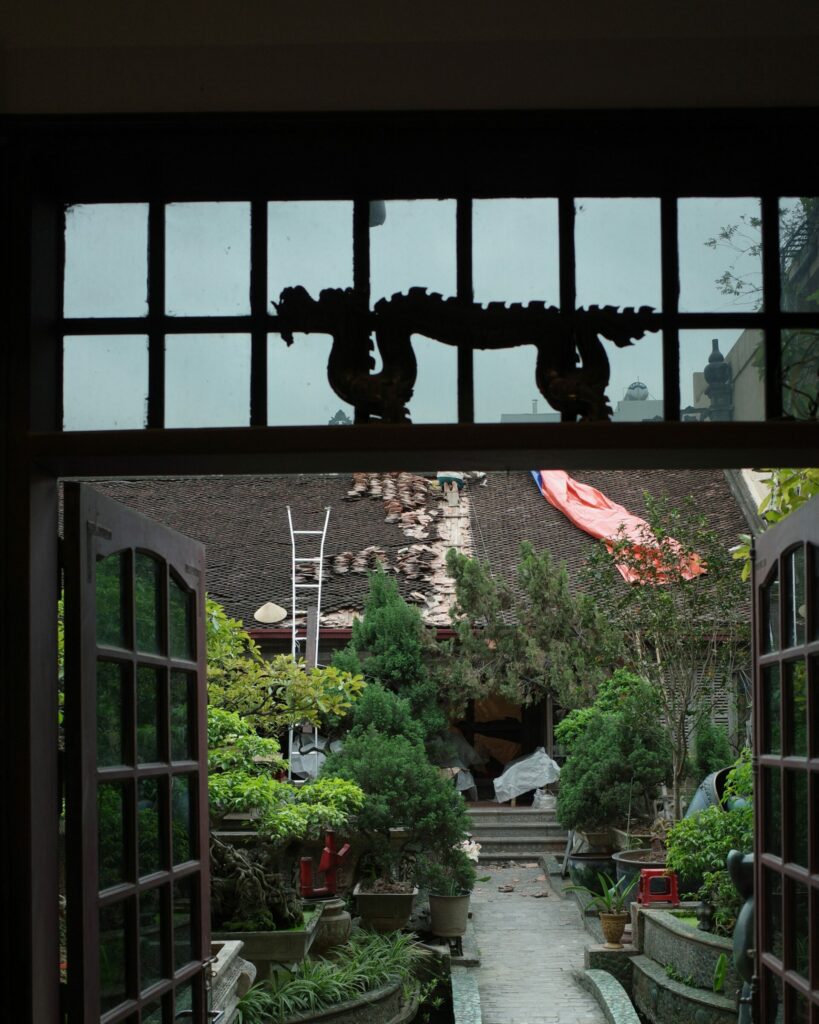

Beneath the Roof, A Space of Memory
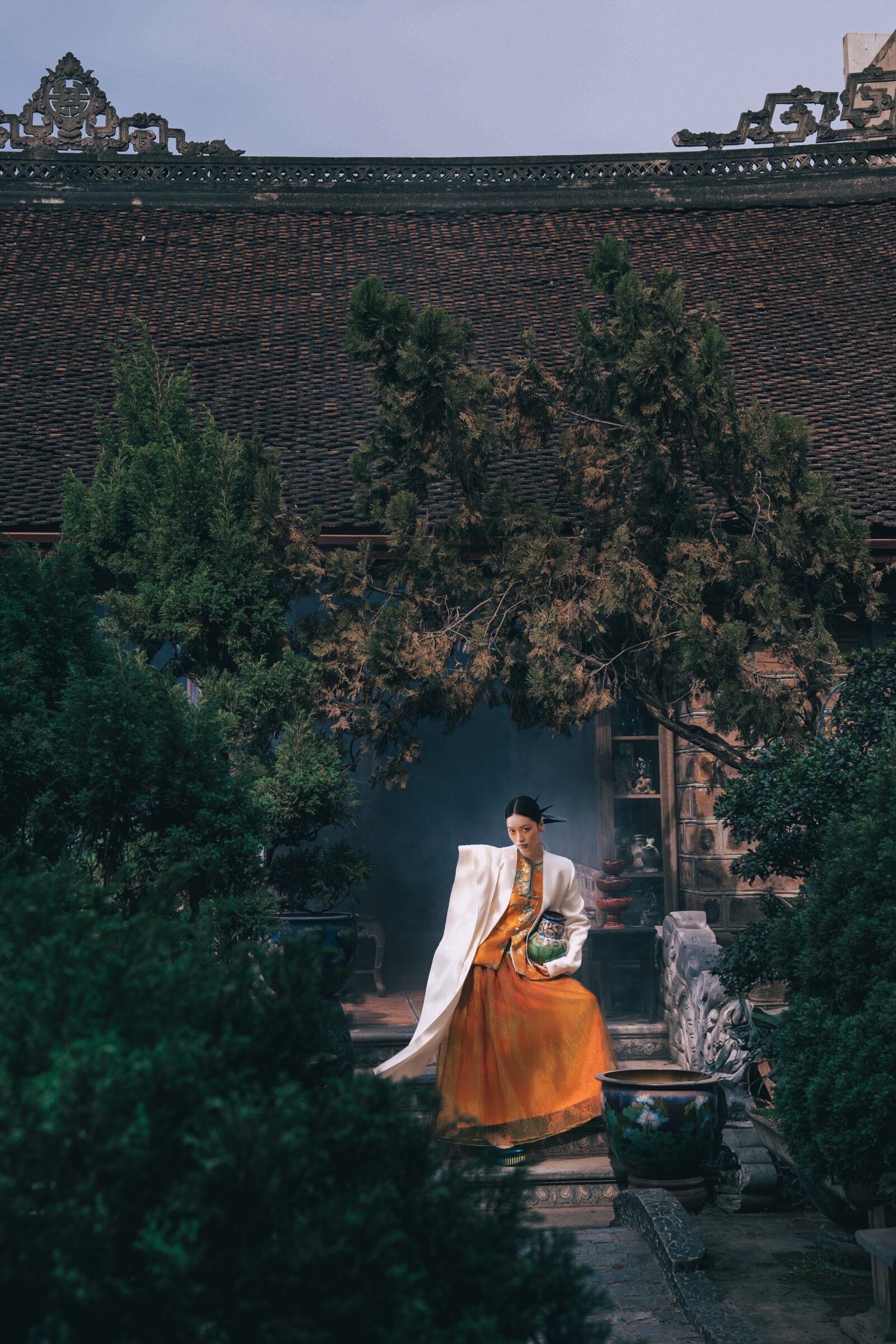
Writer Junichiro Tanizaki once described East Asian architecture as something shaped by “the pale shadow cast by a large umbrella” — that umbrella being the roof itself. Across regions, the form of that “umbrella” varies: Japan’s muted grey kawara tiles curve gently, China’s glazed liuli tiles rise in dramatic arcs, while the Vietnamese roof finds its identity in balance.
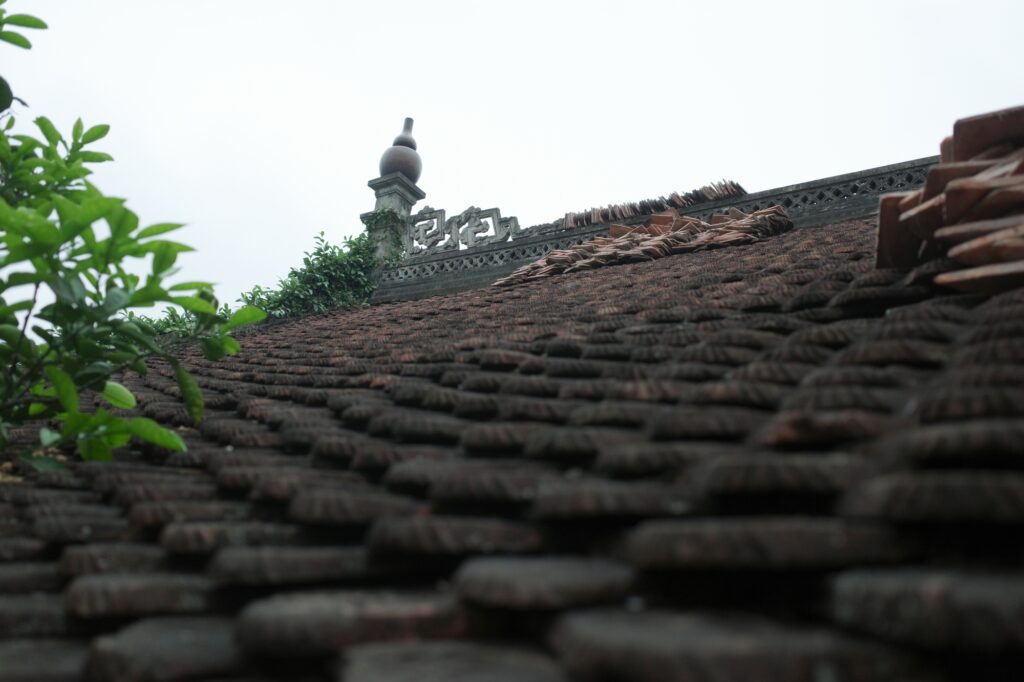
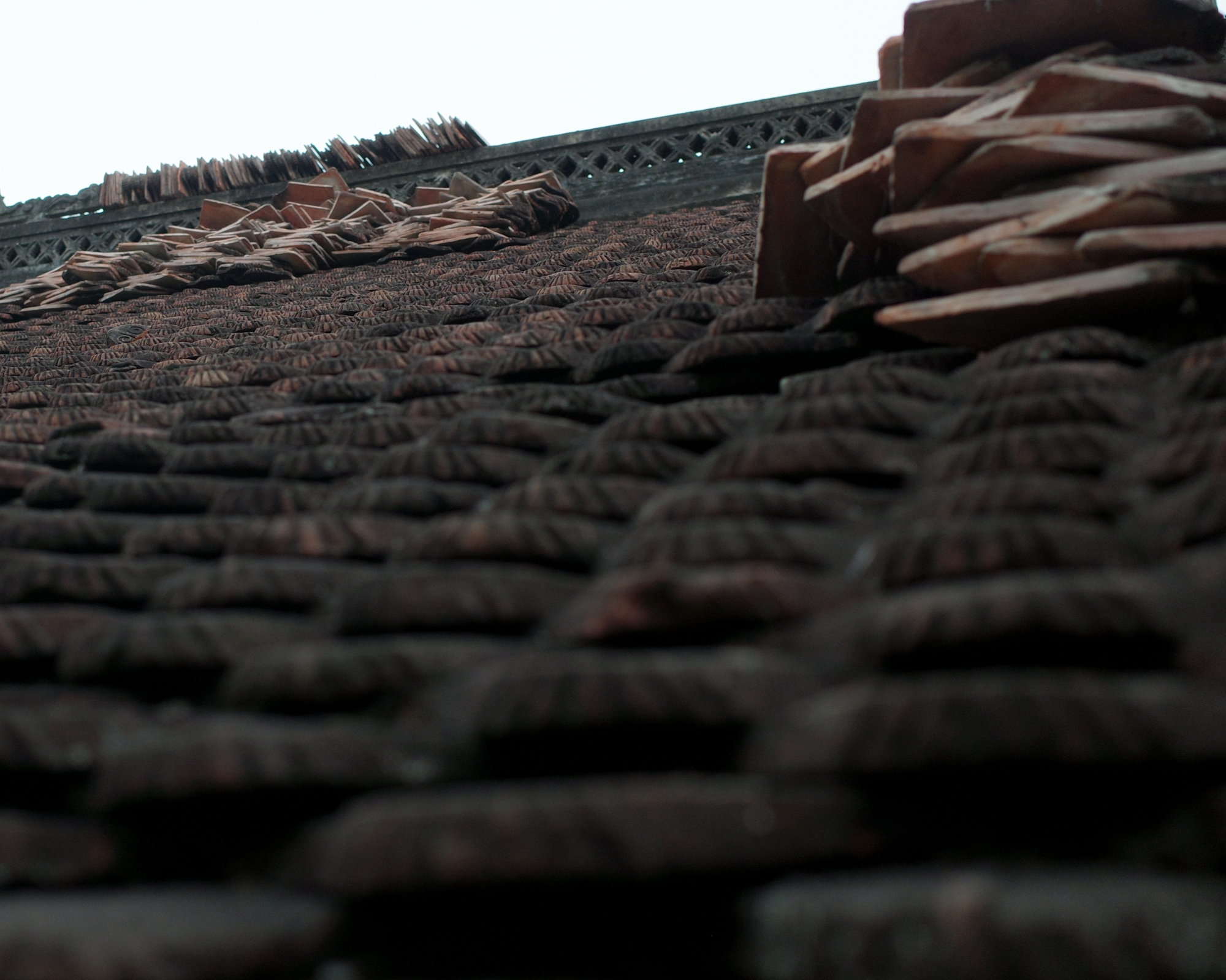
Vietnamese architecture is often recognized through its yin–yang tile system. Alternating convex and concave tiles create a rhythmic wave along the roofline. Beyond aesthetics, this structure adapts to tropical rains and heat, while allowing air to circulate beneath.
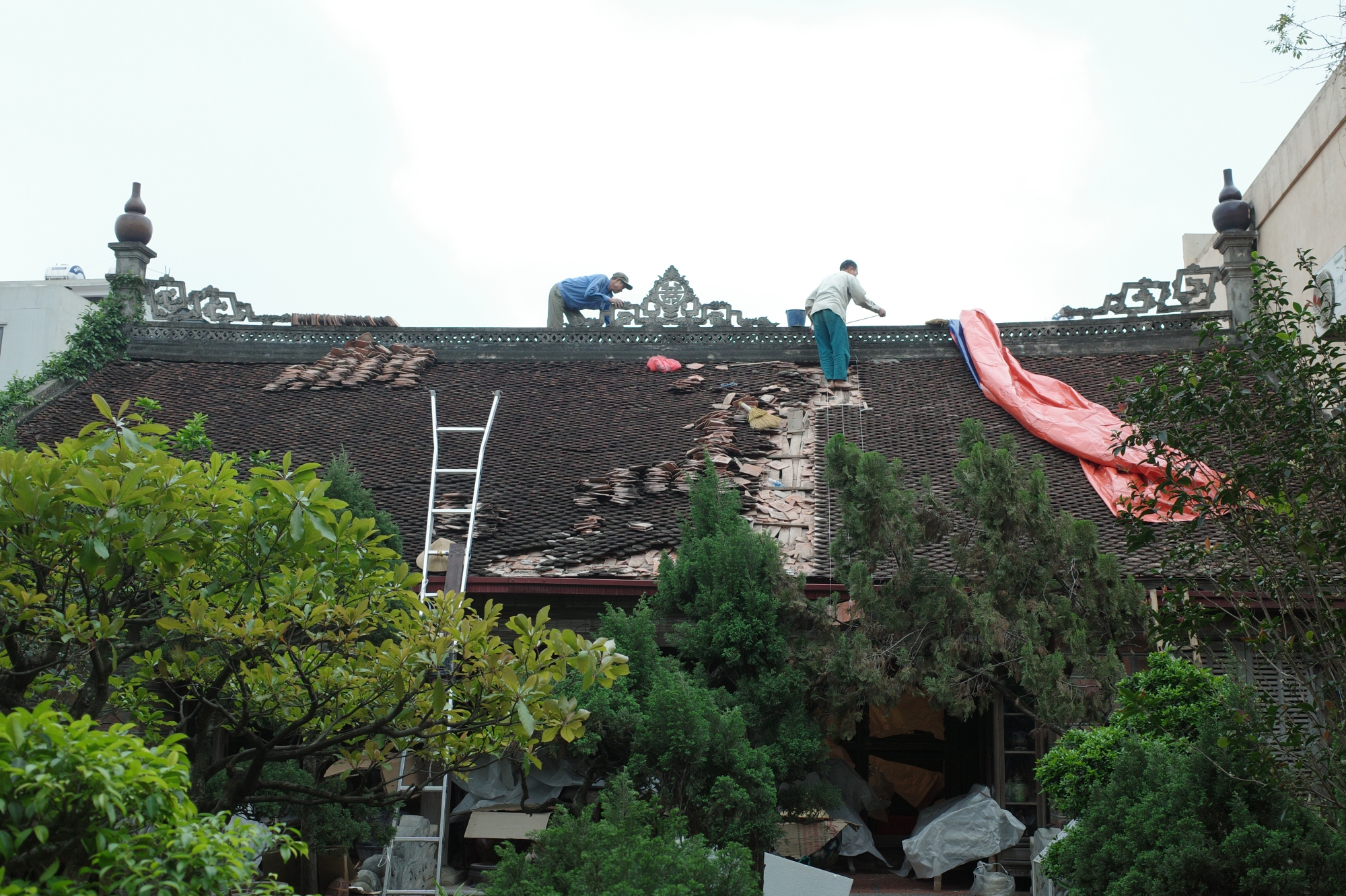
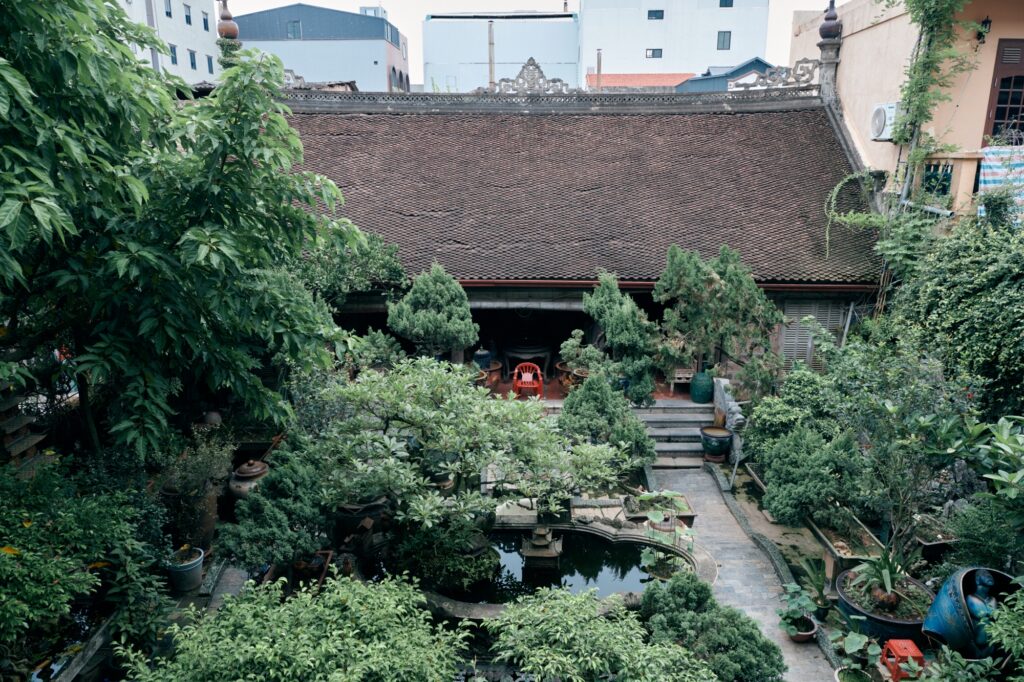
Located on the outskirts of Hanoi, Bát Tràng is a 700-year-old village closely tied to ceramic craftsmanship. Many artisans continue to build traditional three-compartment houses as spaces to display and preserve their work. Though similar in form, each house carries its own character — reflecting different layers of village life.
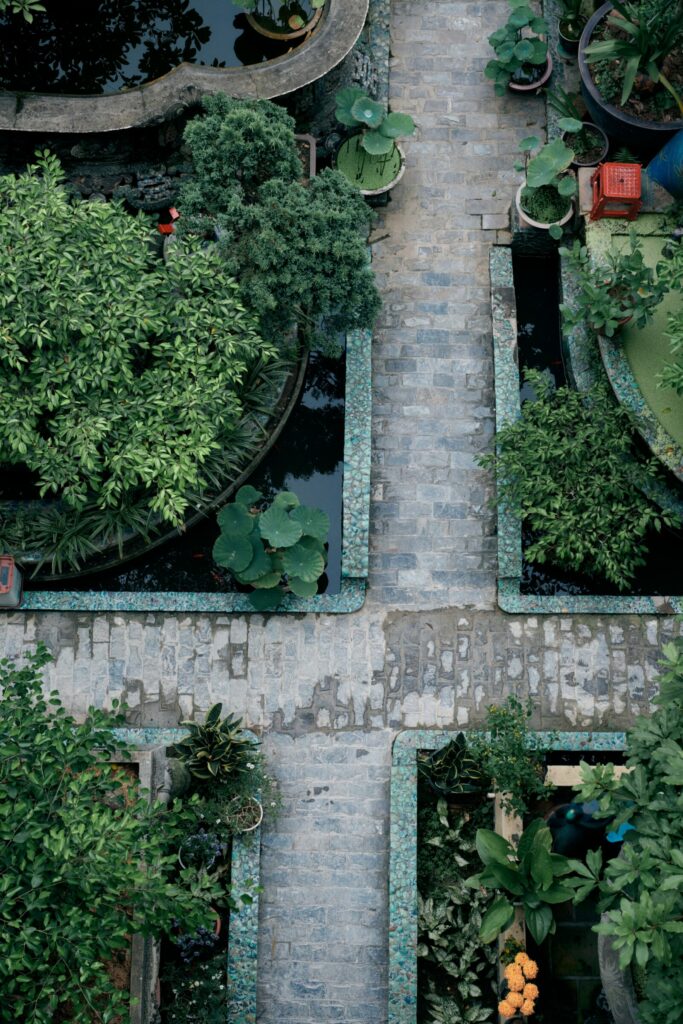
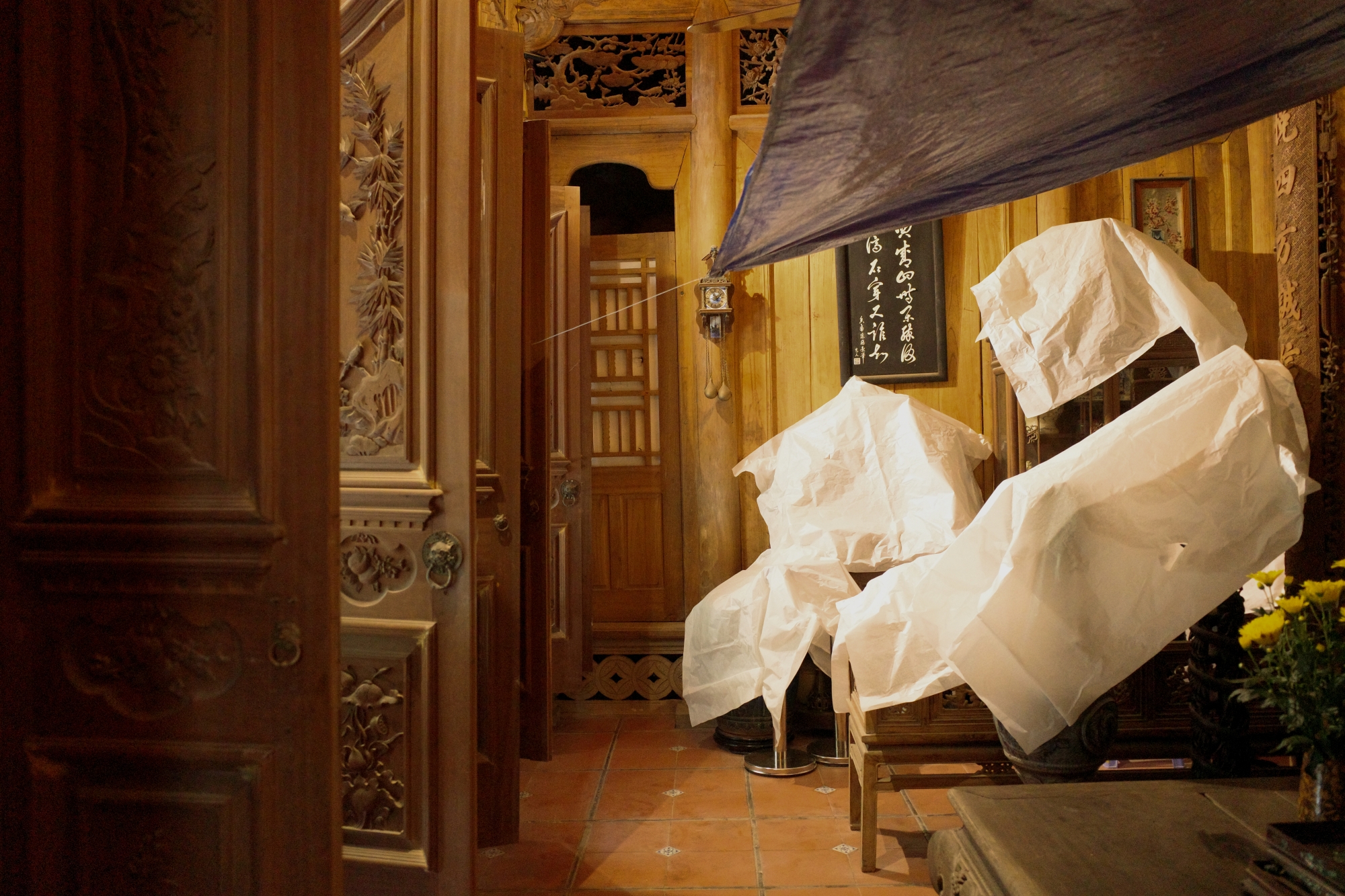
The residence of People’s Artisan Vũ Thắng was completed in 2006, the same year he led the restoration of the Bát Tràng communal house. While contributing to the revival of a shared village landmark, he also built this home as a space to hold his creative legacy. Within less than 70 square meters, the house preserves not only the ceramic works he created over five decades, but also the artifacts and antiques he collected. It functions both as a gallery and as part of the legacy he left behind.
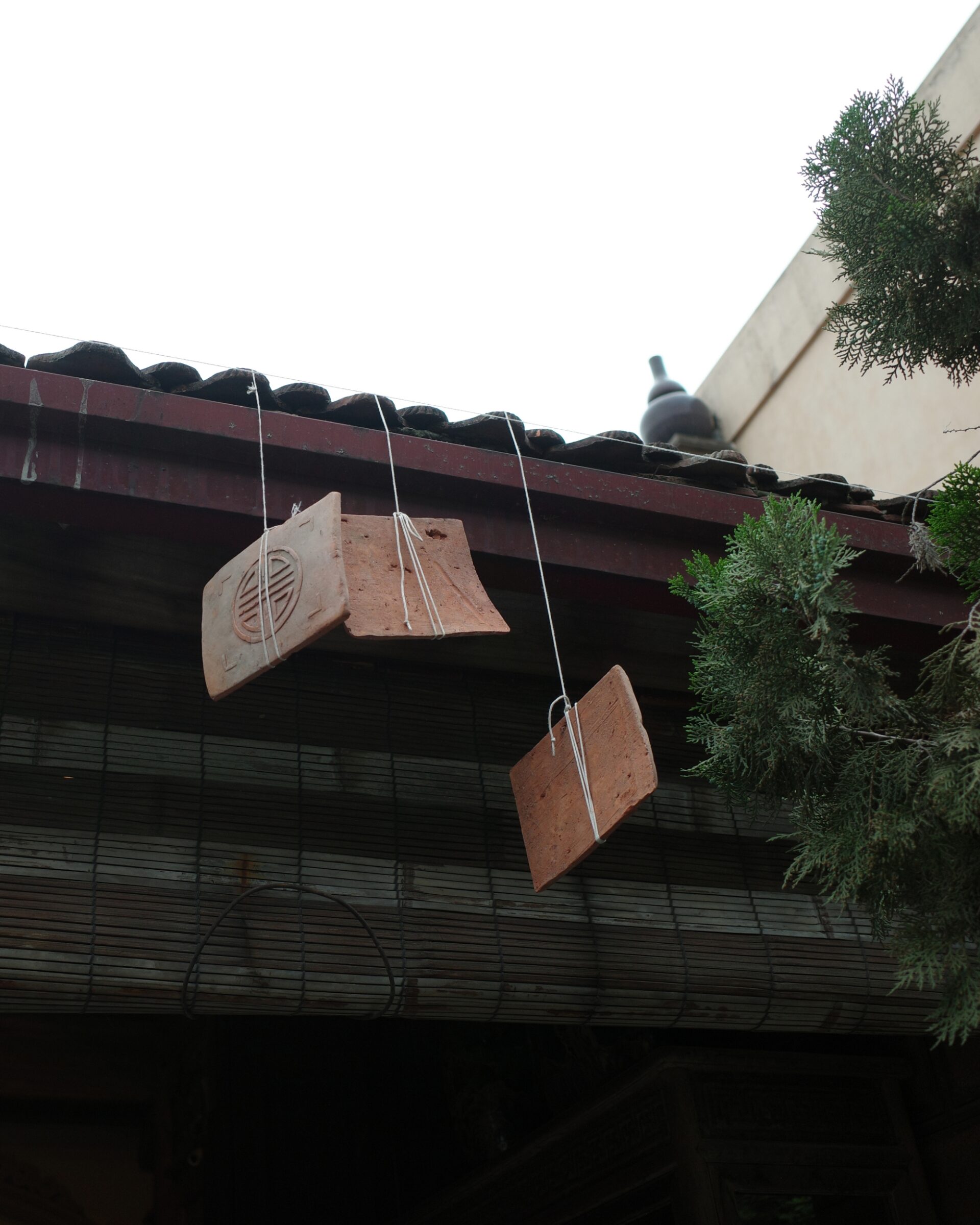
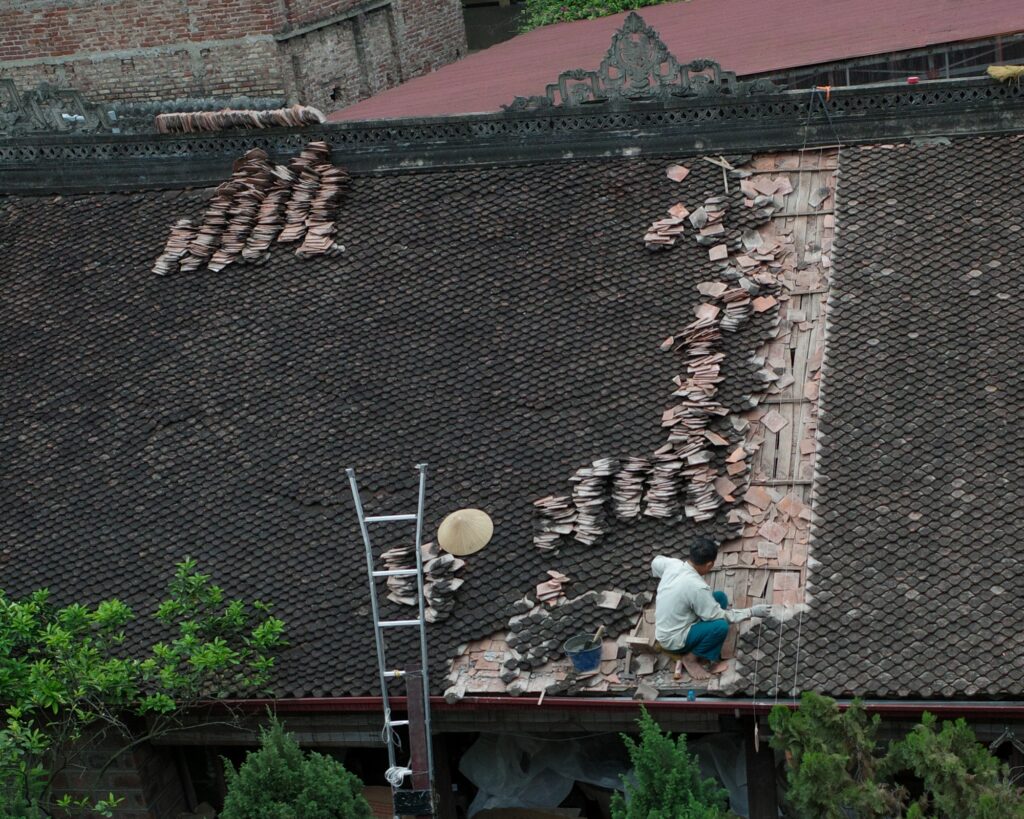
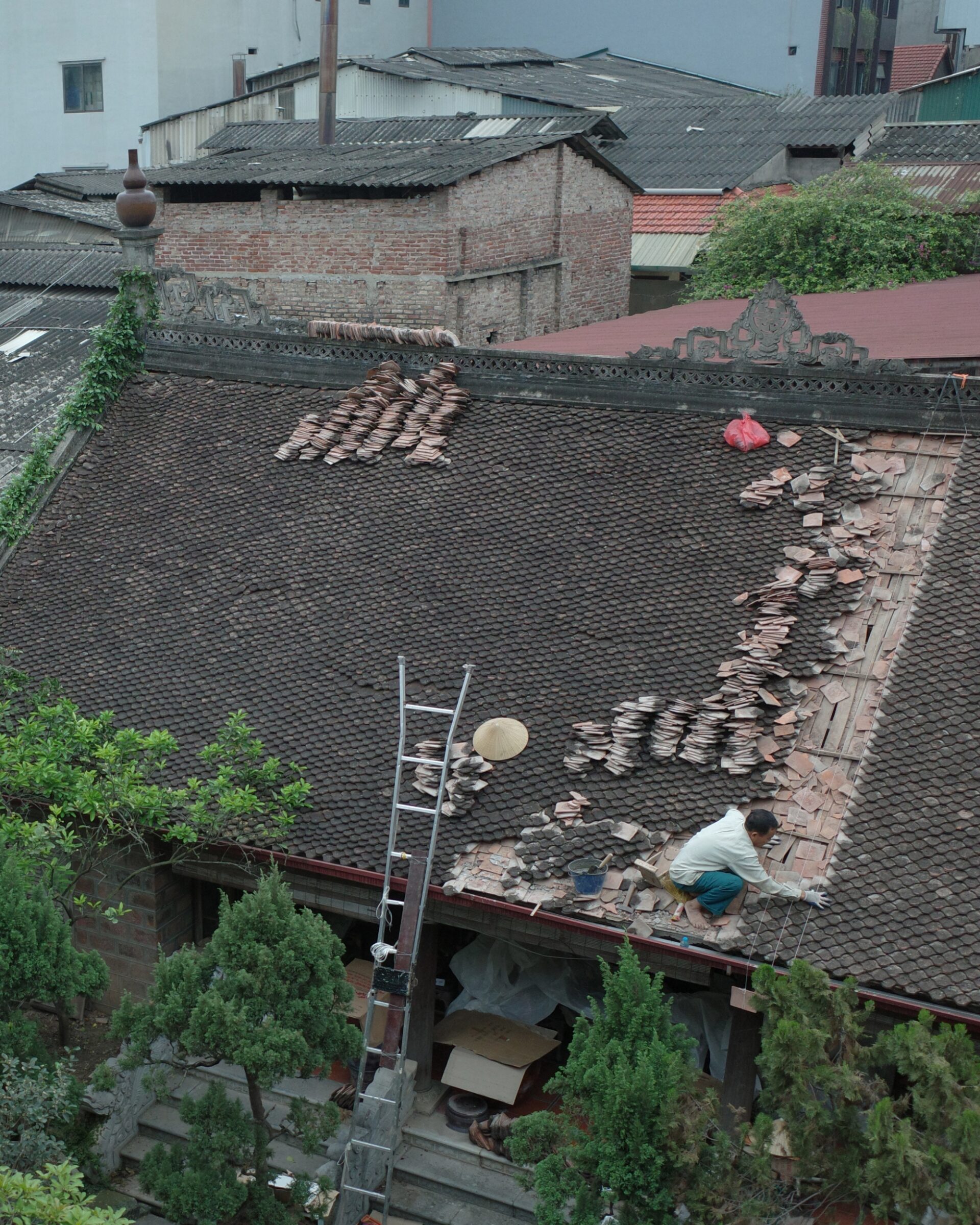
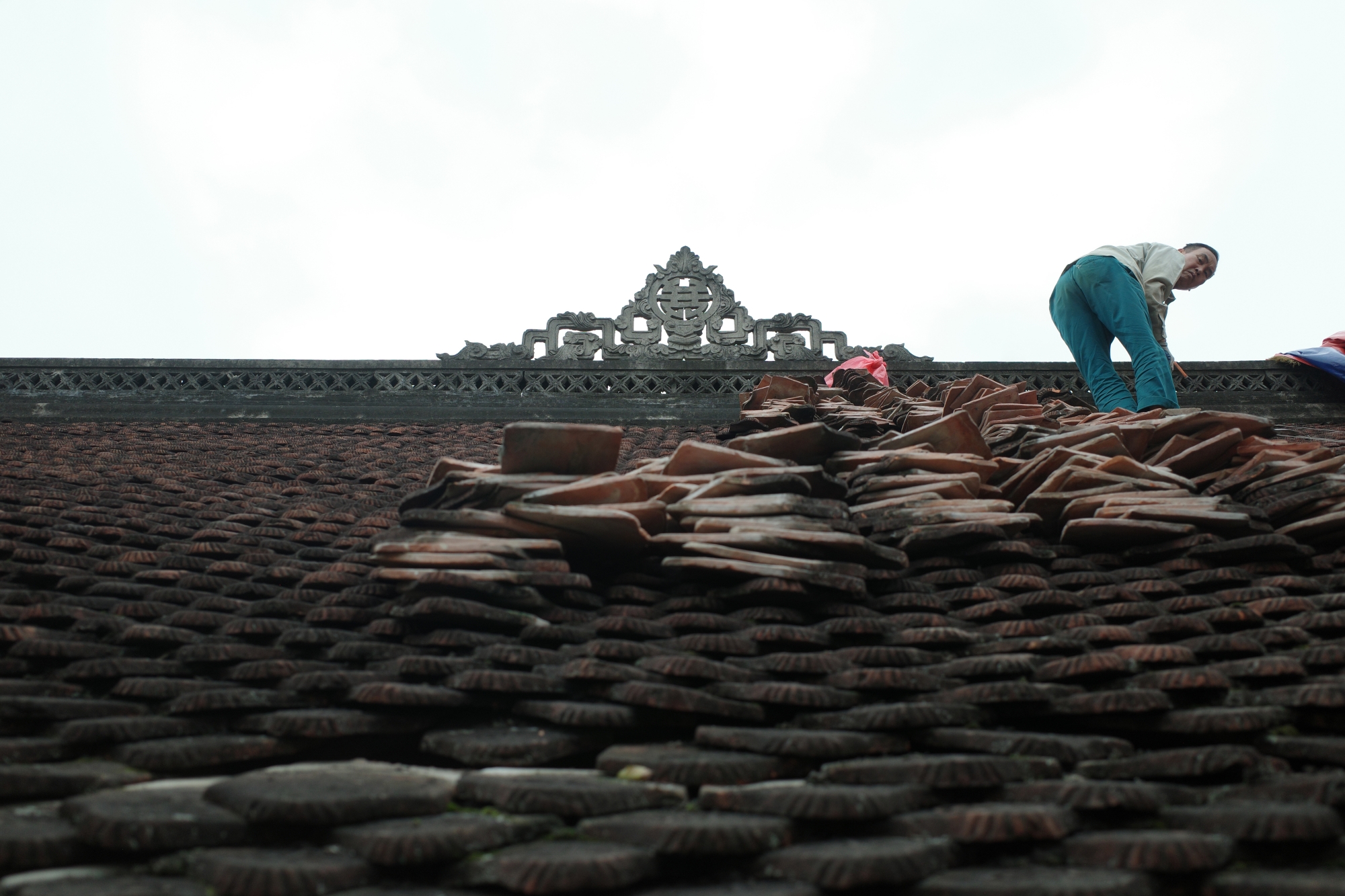
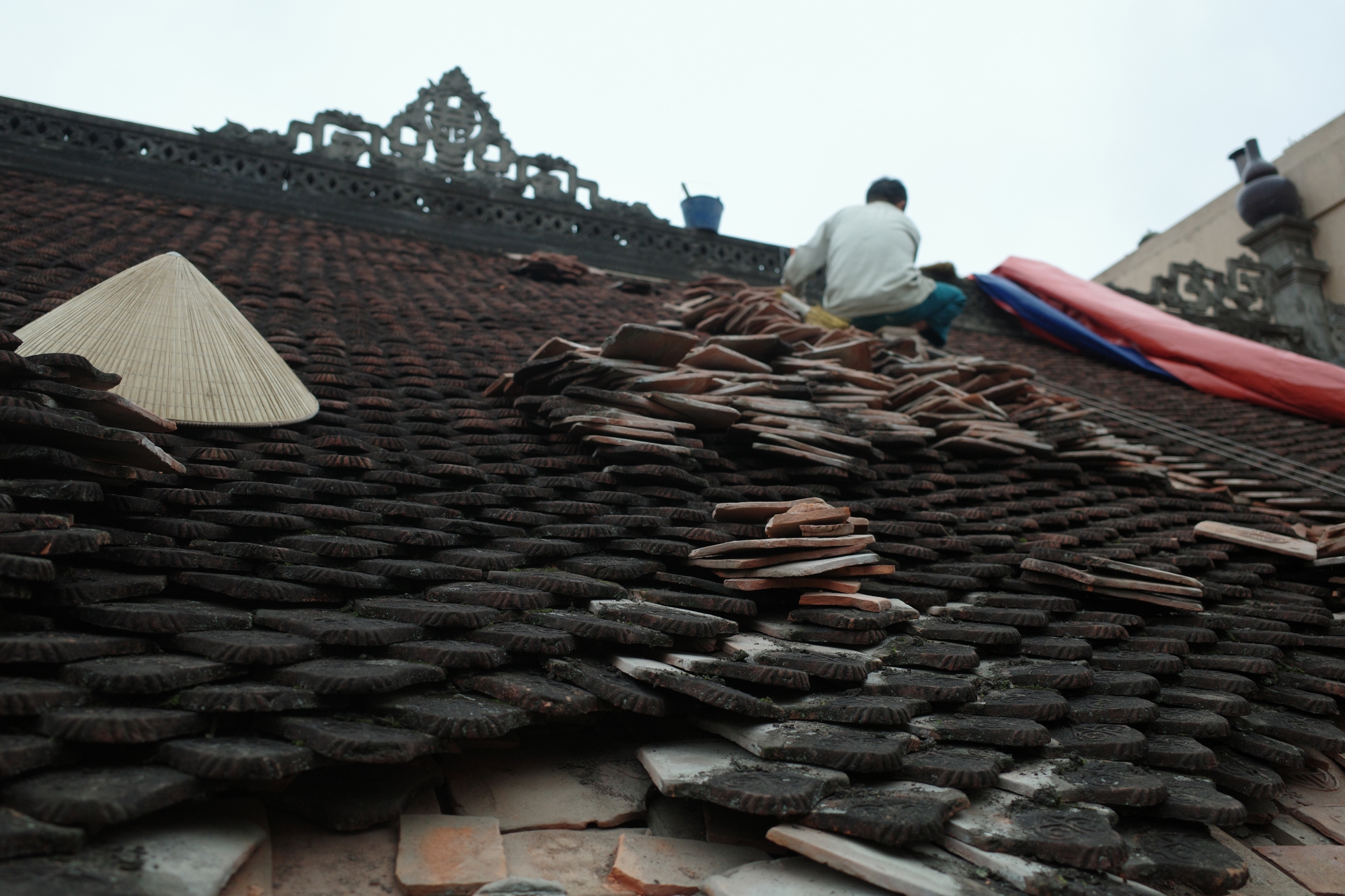
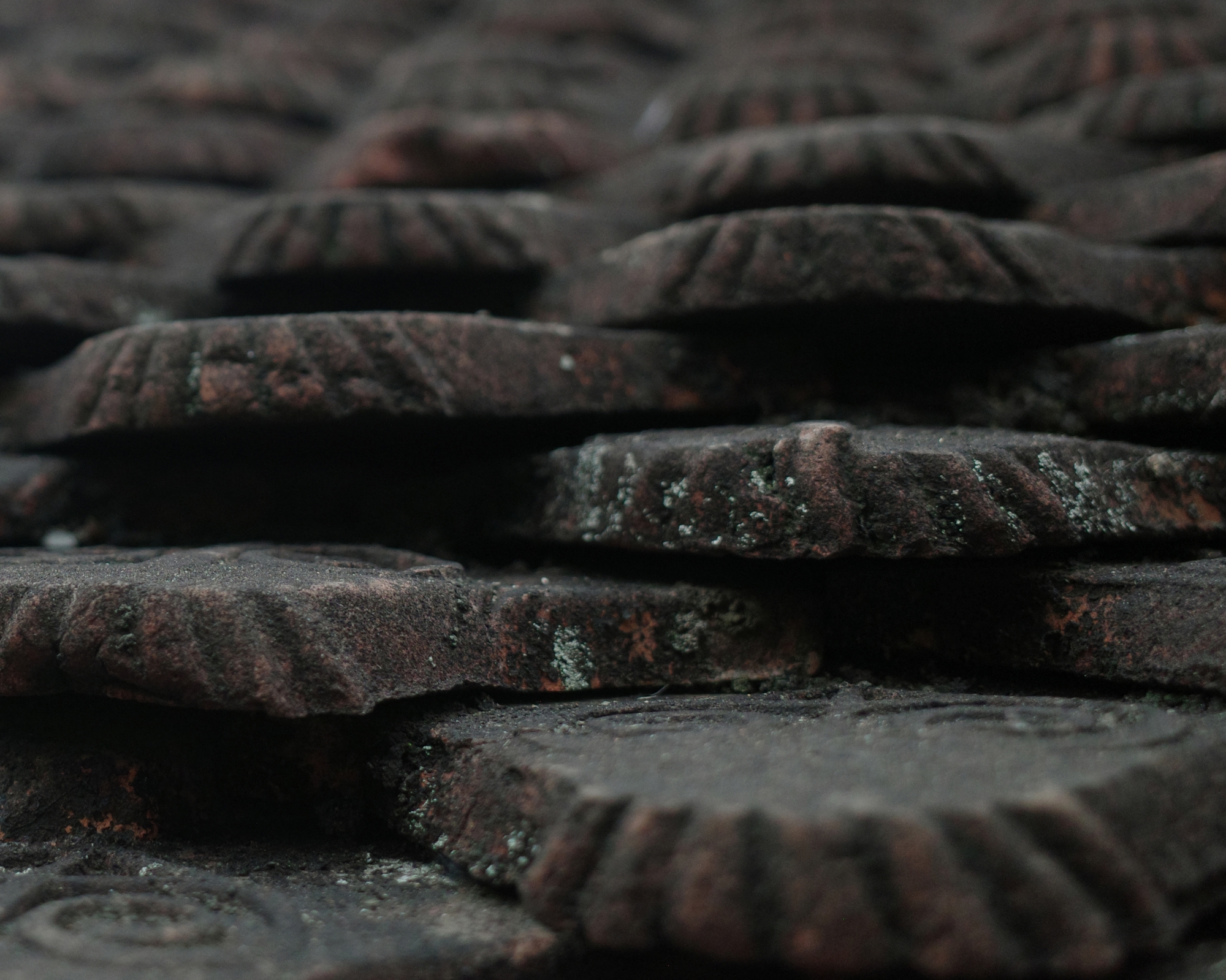
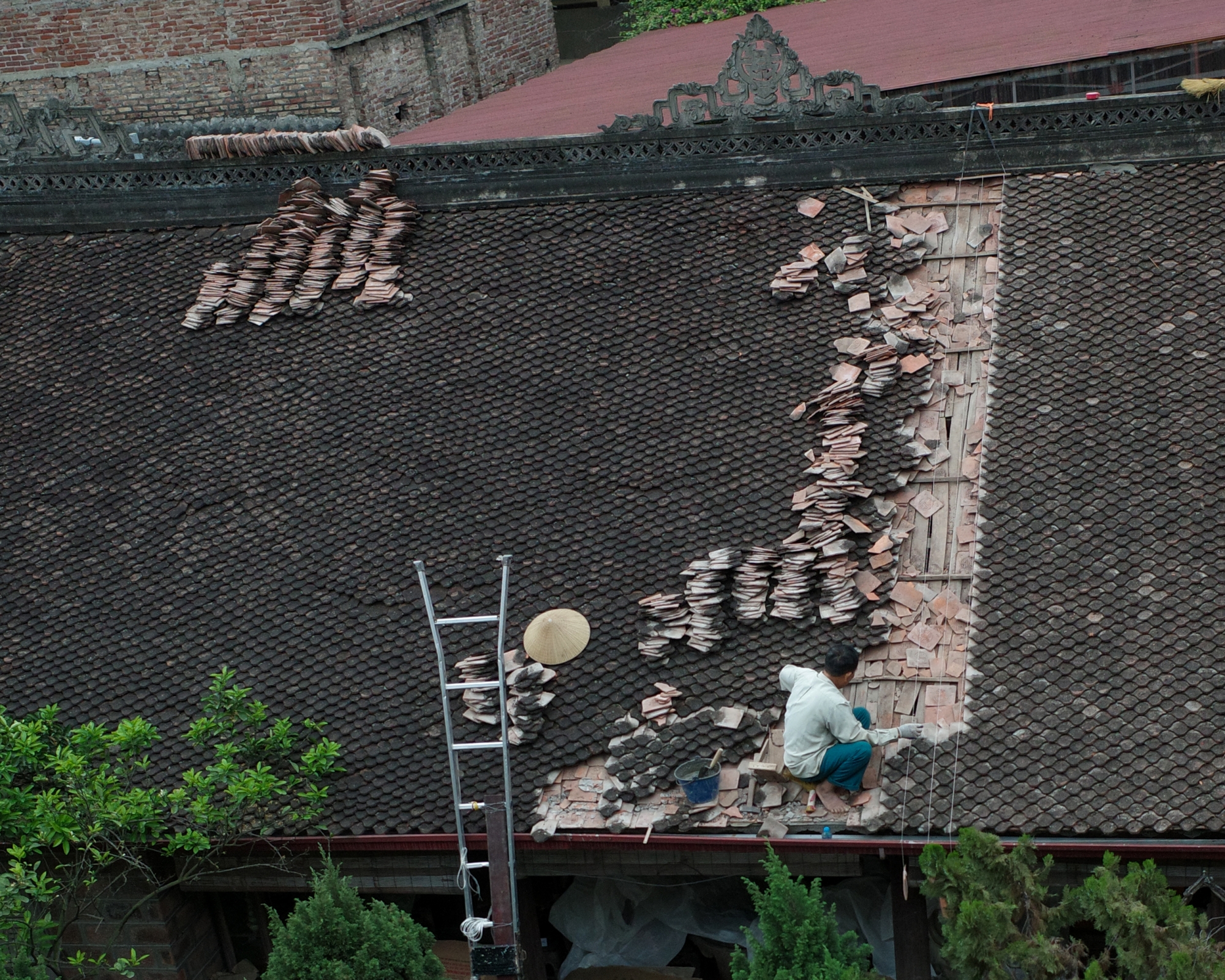
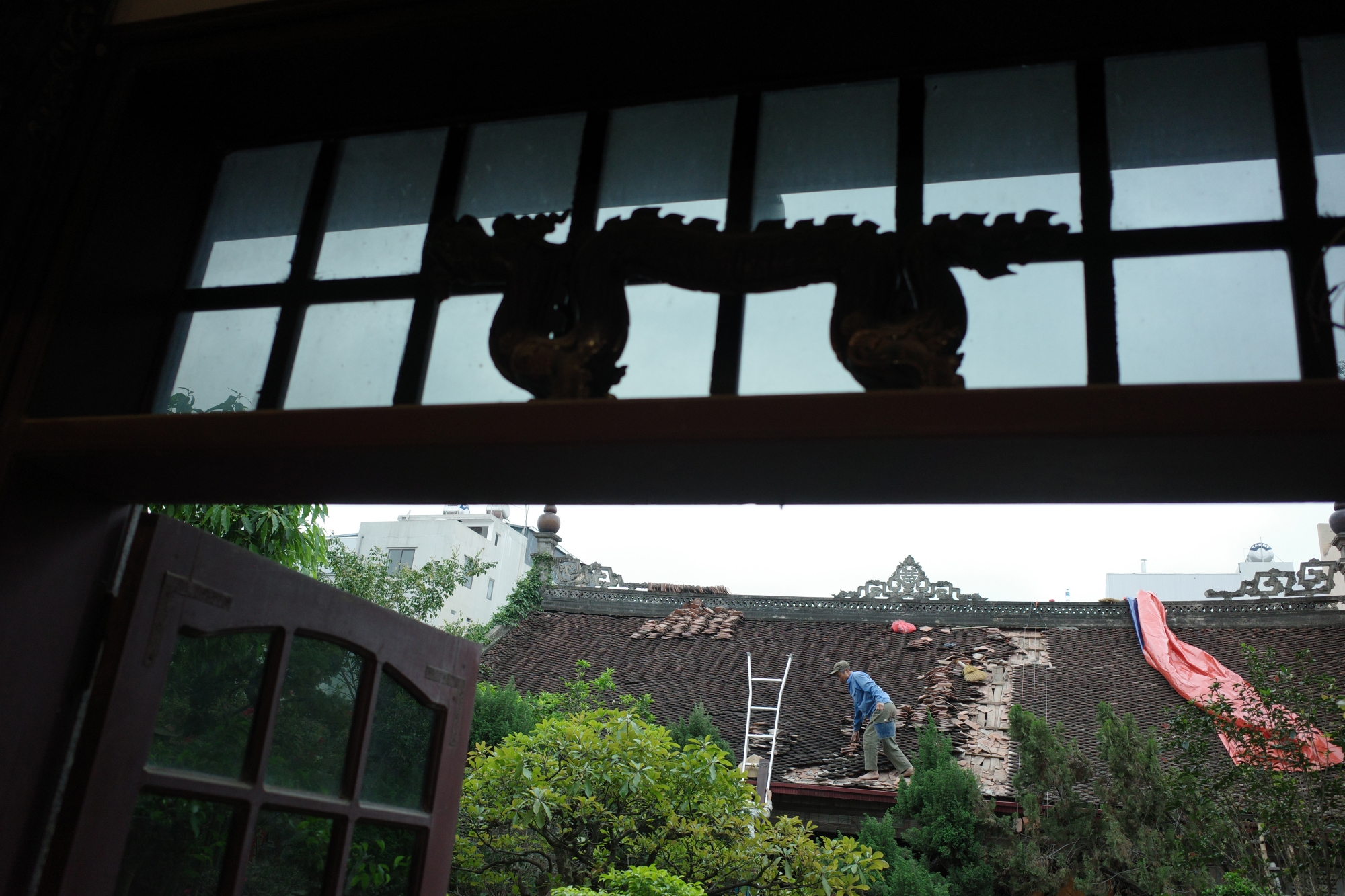
The handmade terracotta tiles, tightly interlocked, shield the interior from sun and rain while regulating temperature and guiding natural light inside. Roof “turning” — removing, cleaning, and resetting the tiles — is essential maintenance. The last restoration took place in 2016, when Bát Tràng Museum was first established. A decade later, the roof once again required reinforcement. Yet skilled craftsmen capable of this work have become increasingly rare in Đào Xá village, Thường Tín.
Rebuilding the Roof, Like Rewriting a Page from the Past
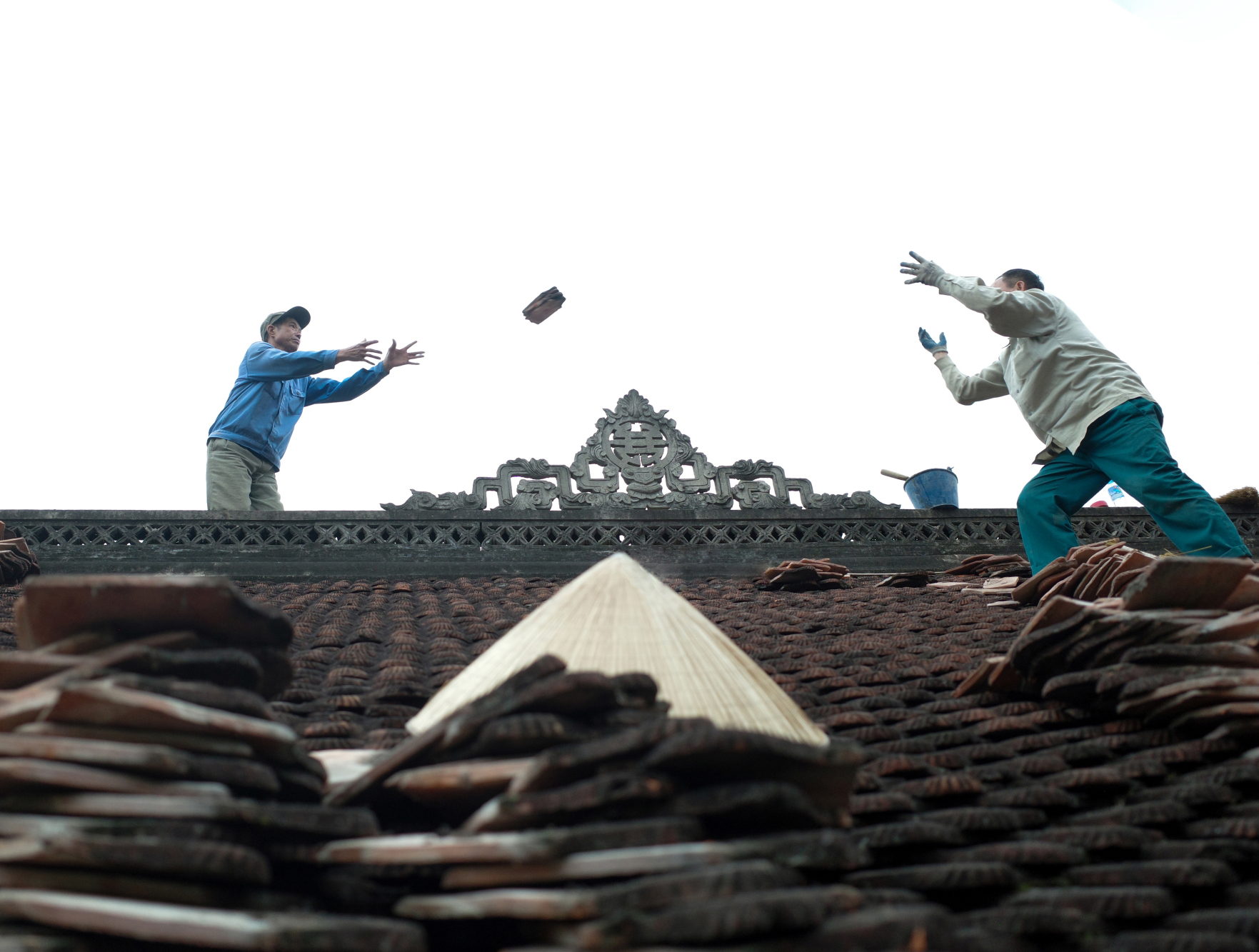
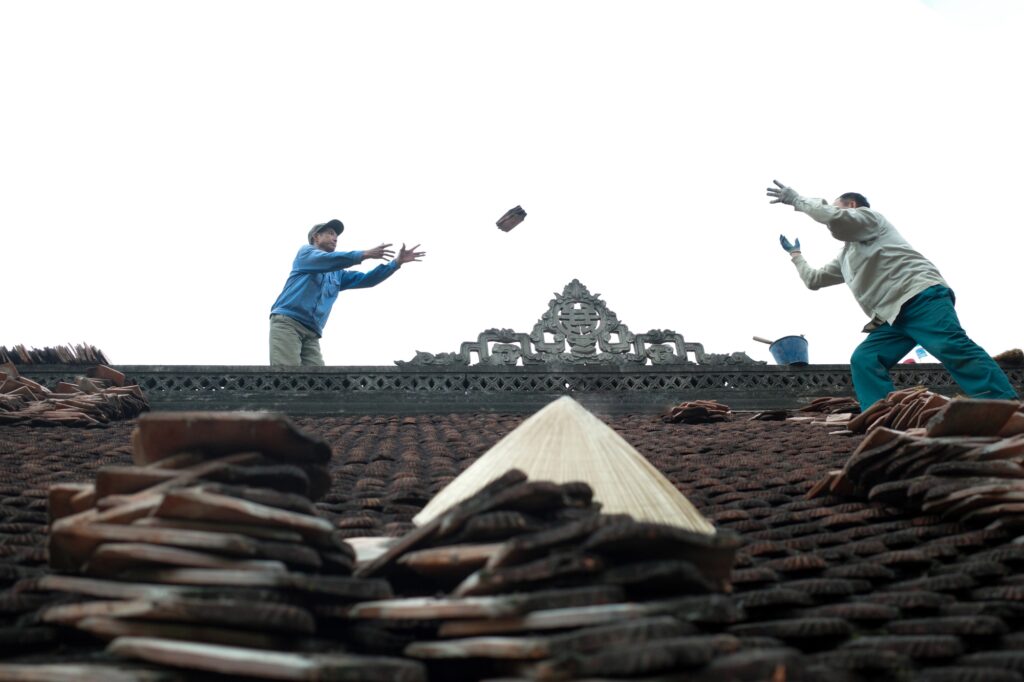
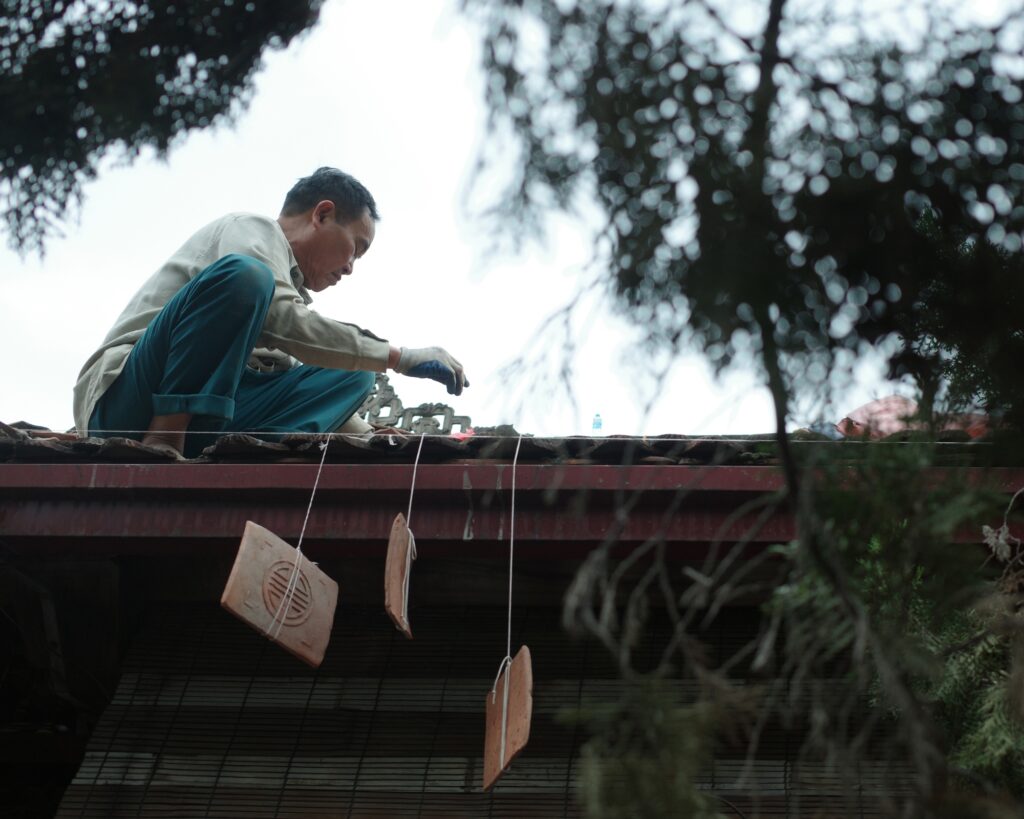
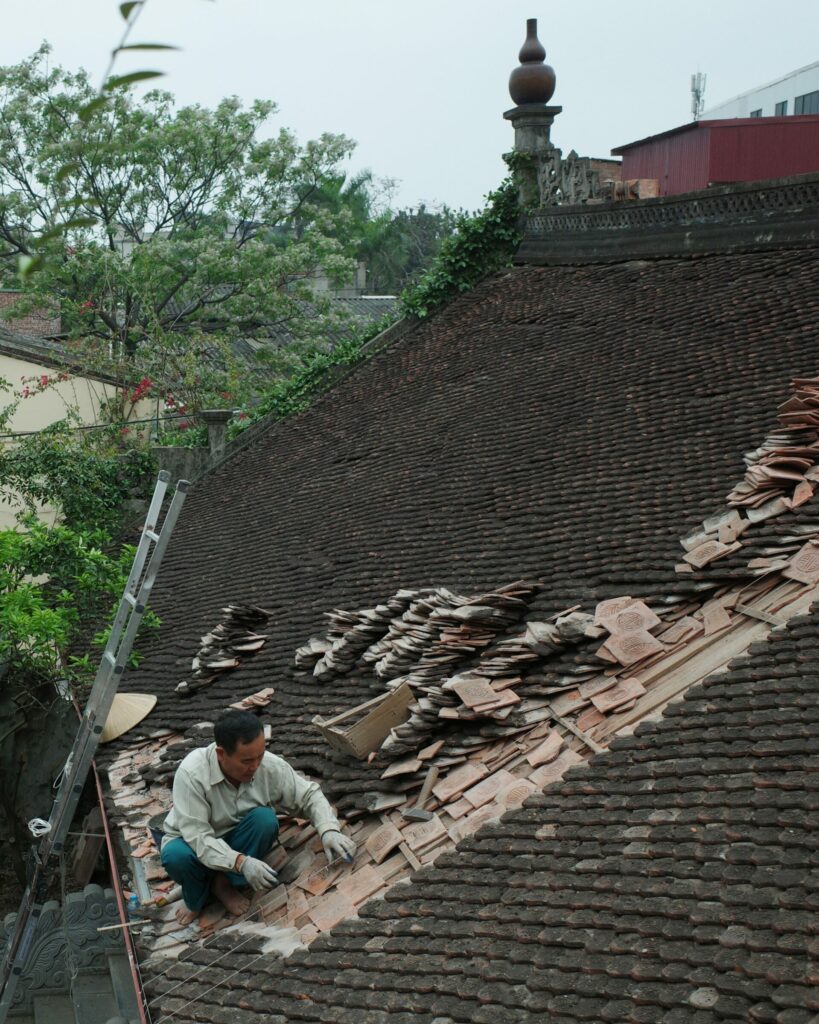
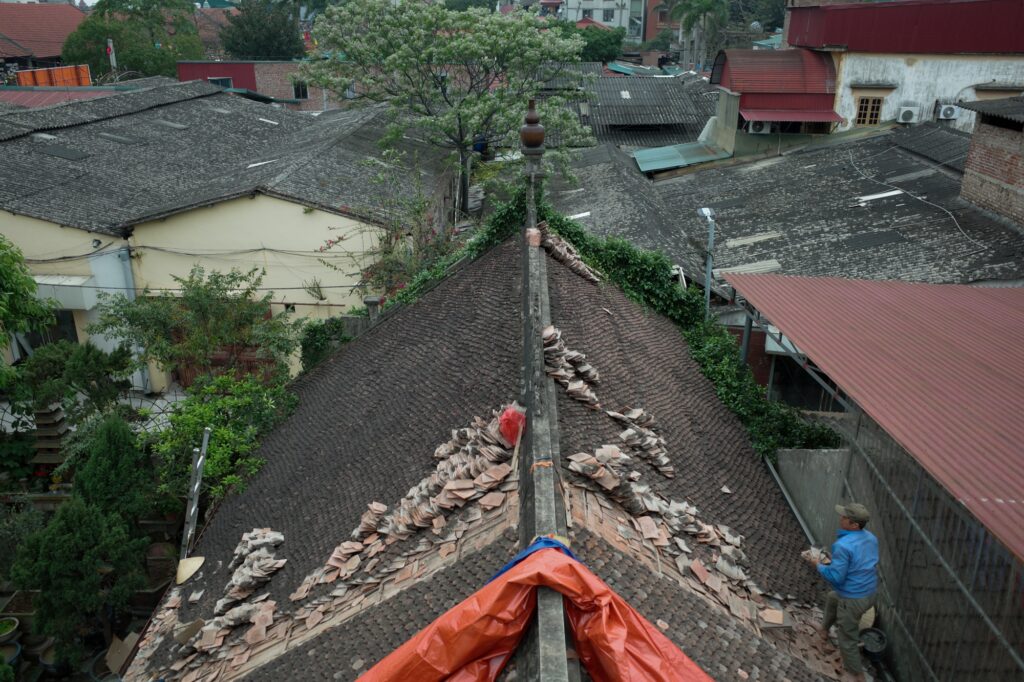
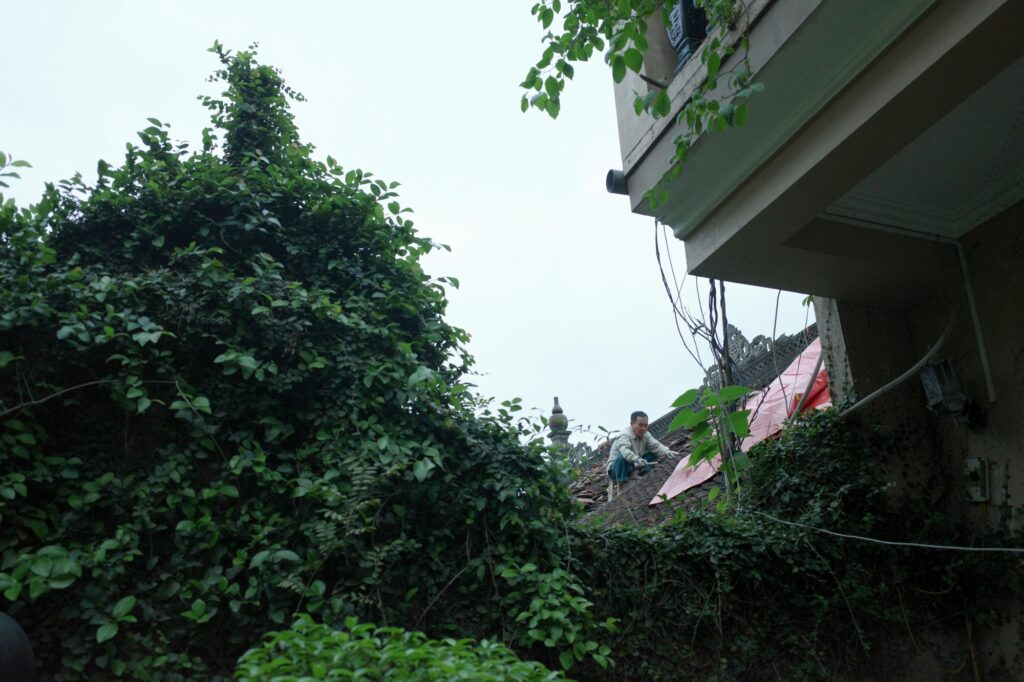
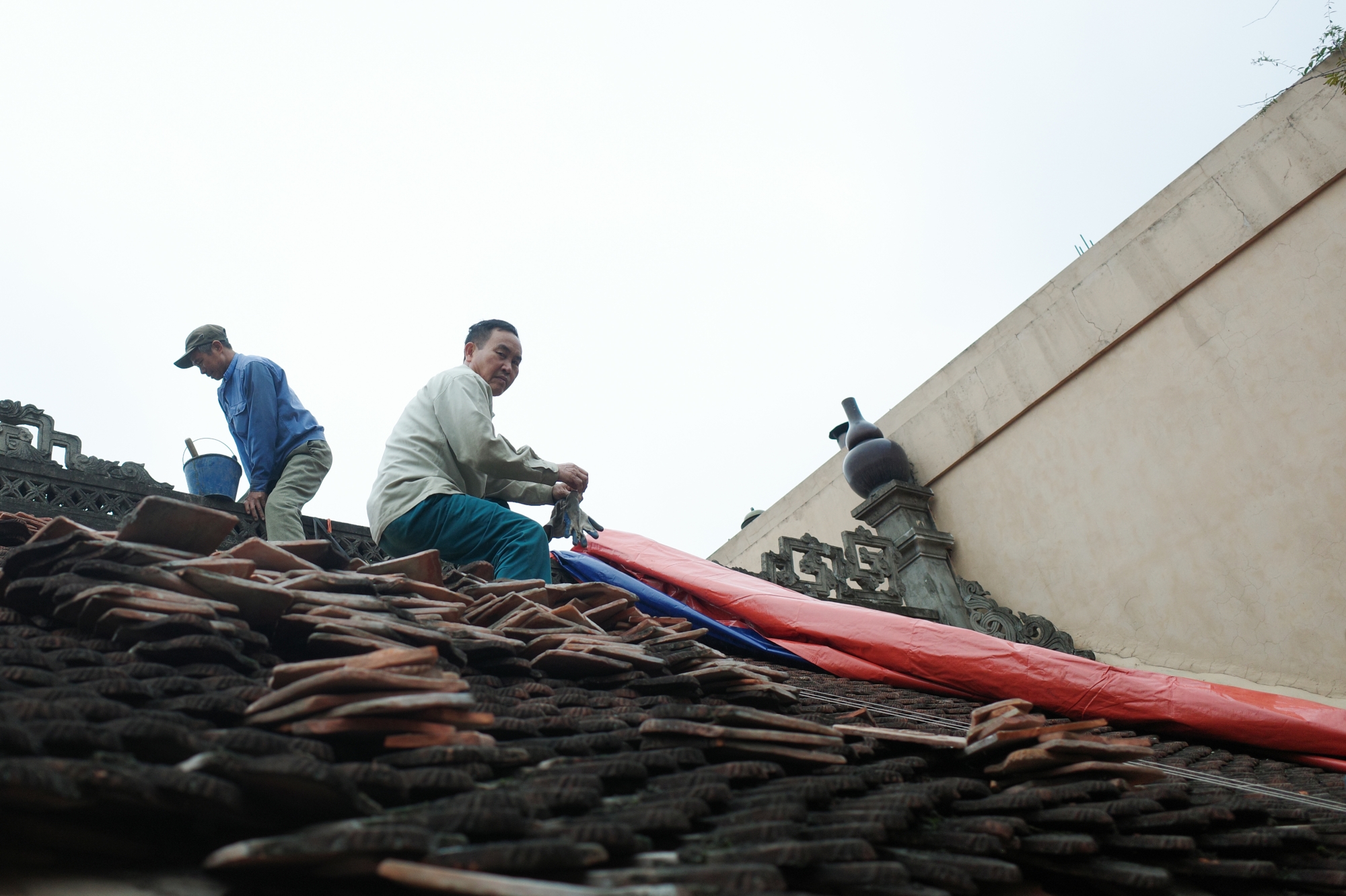
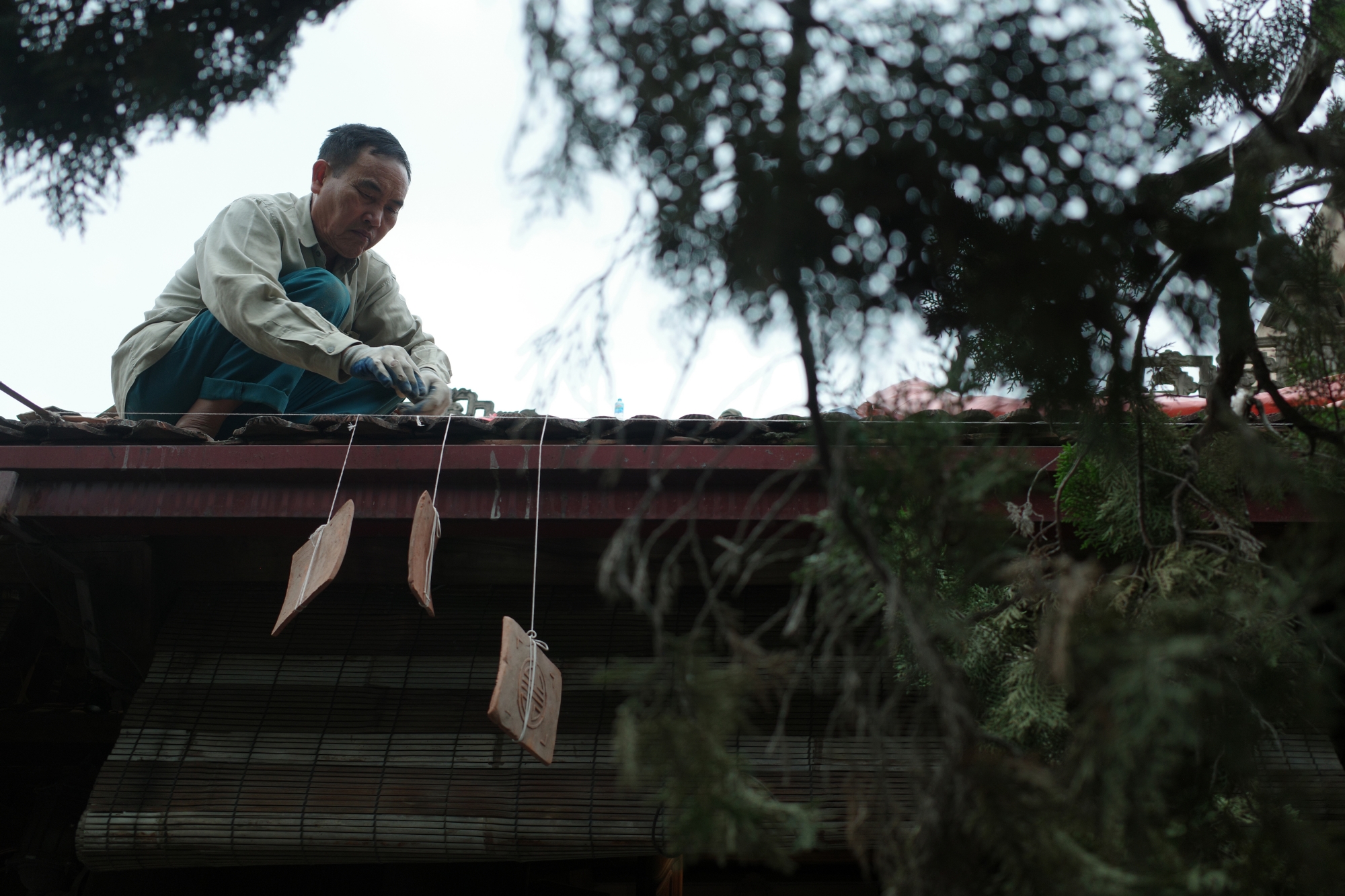
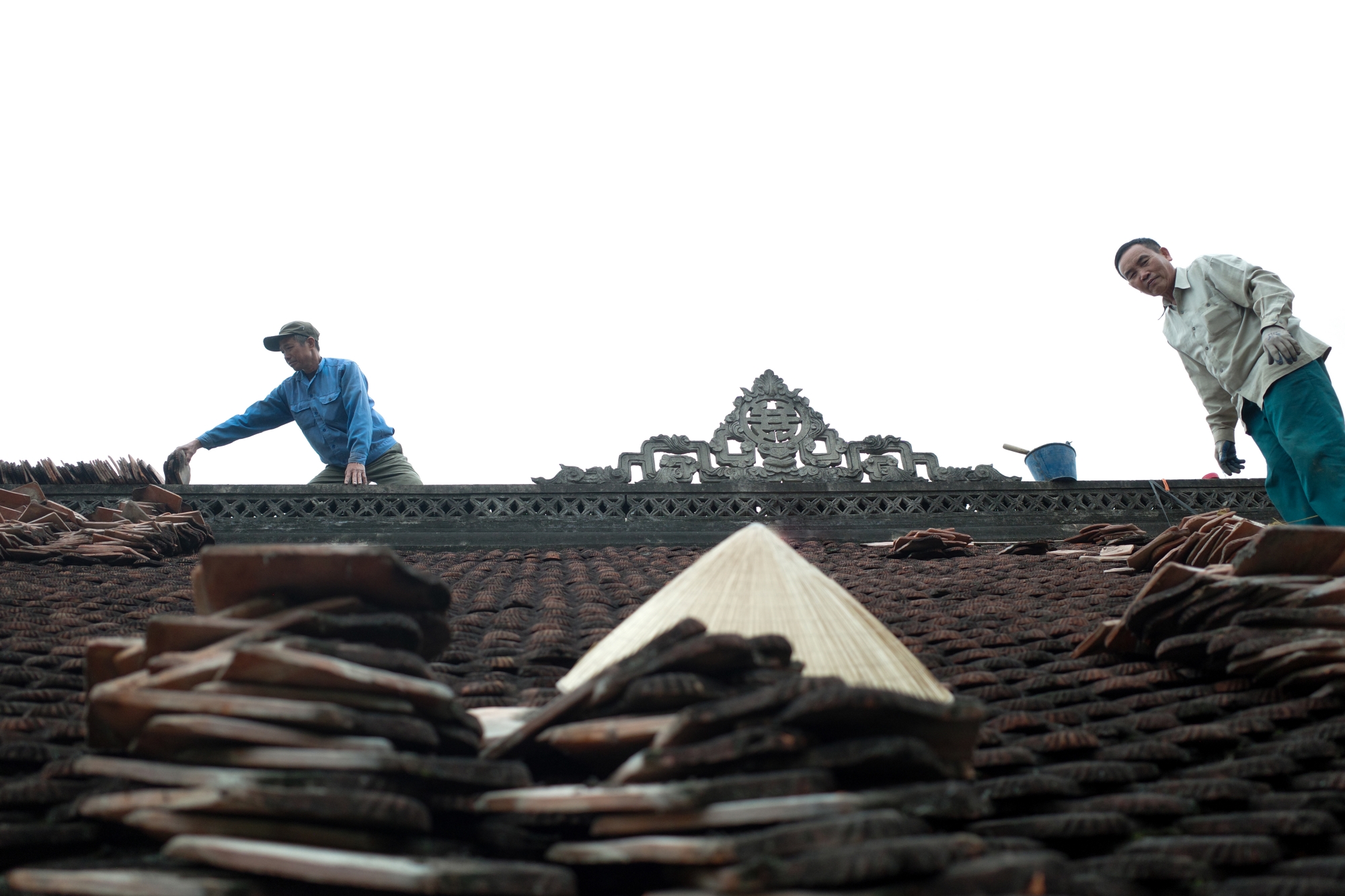
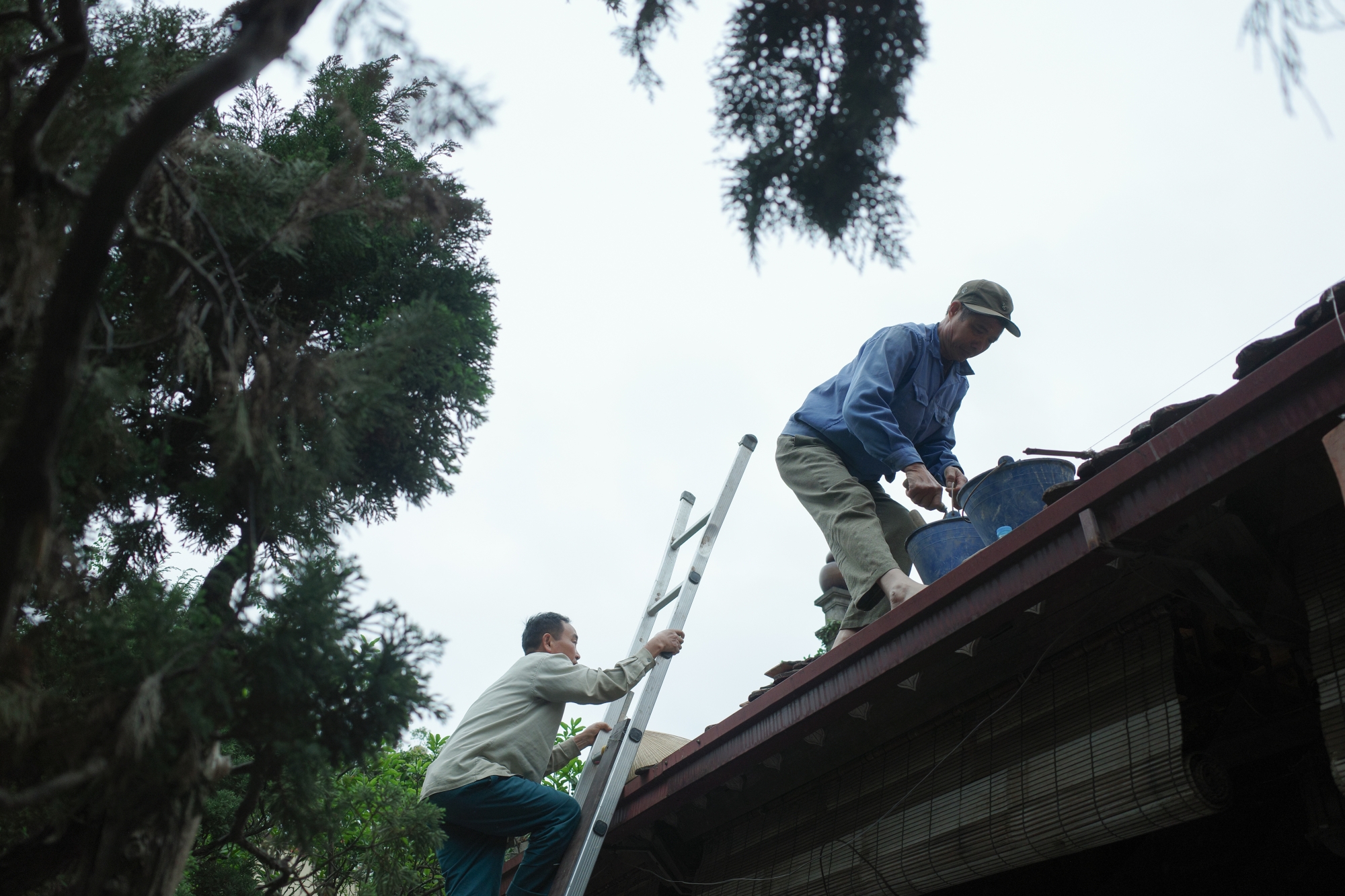
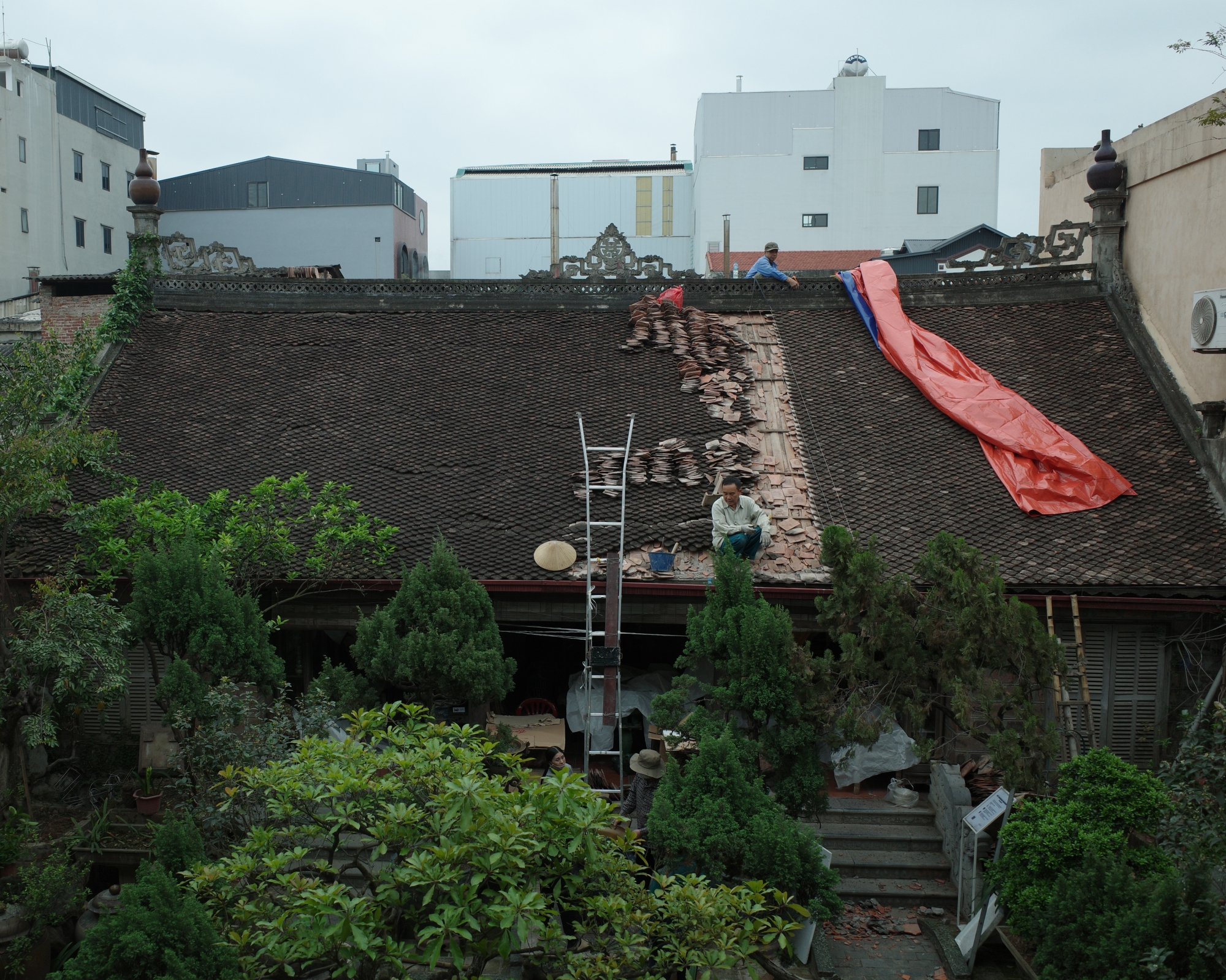
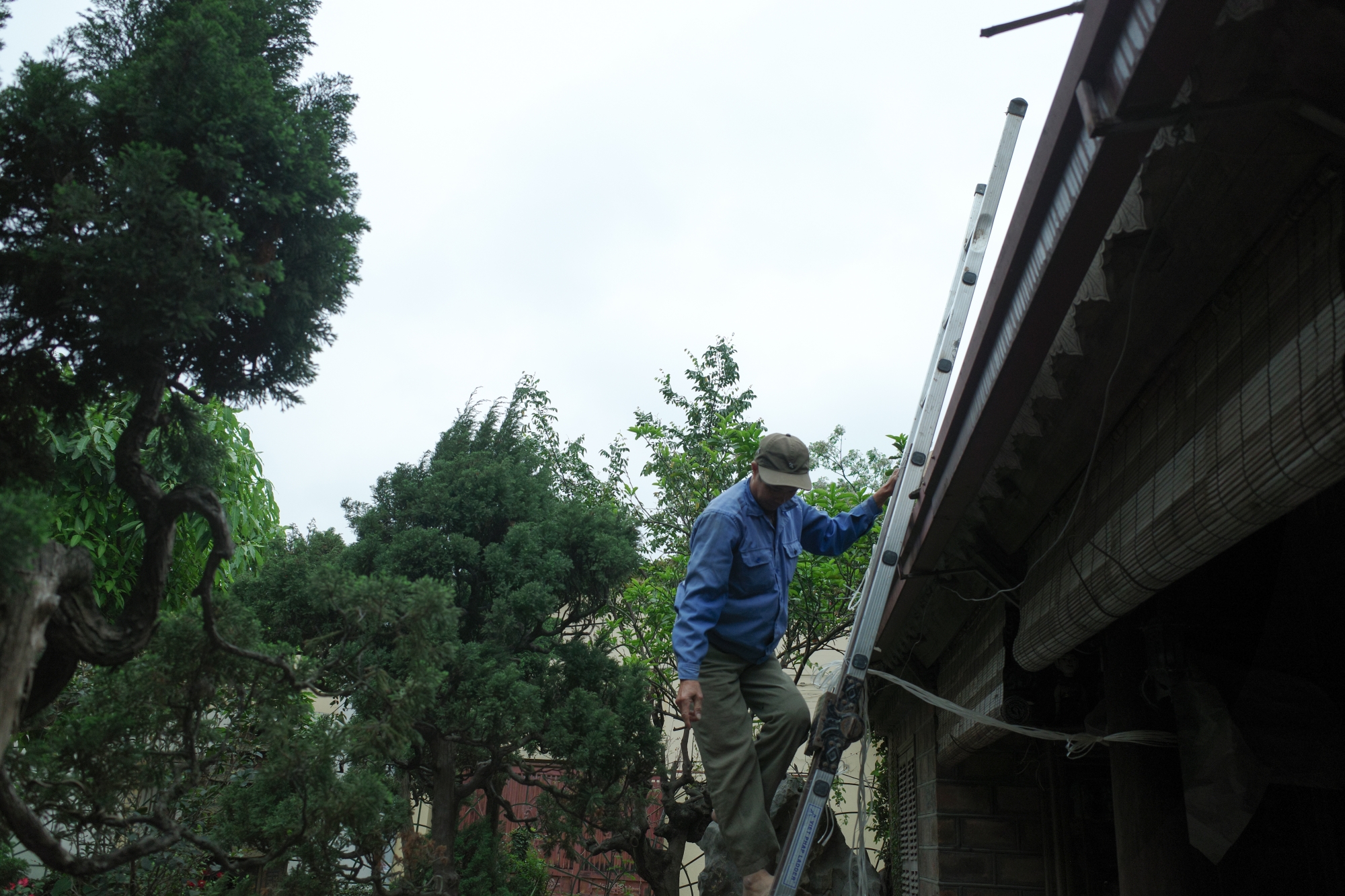
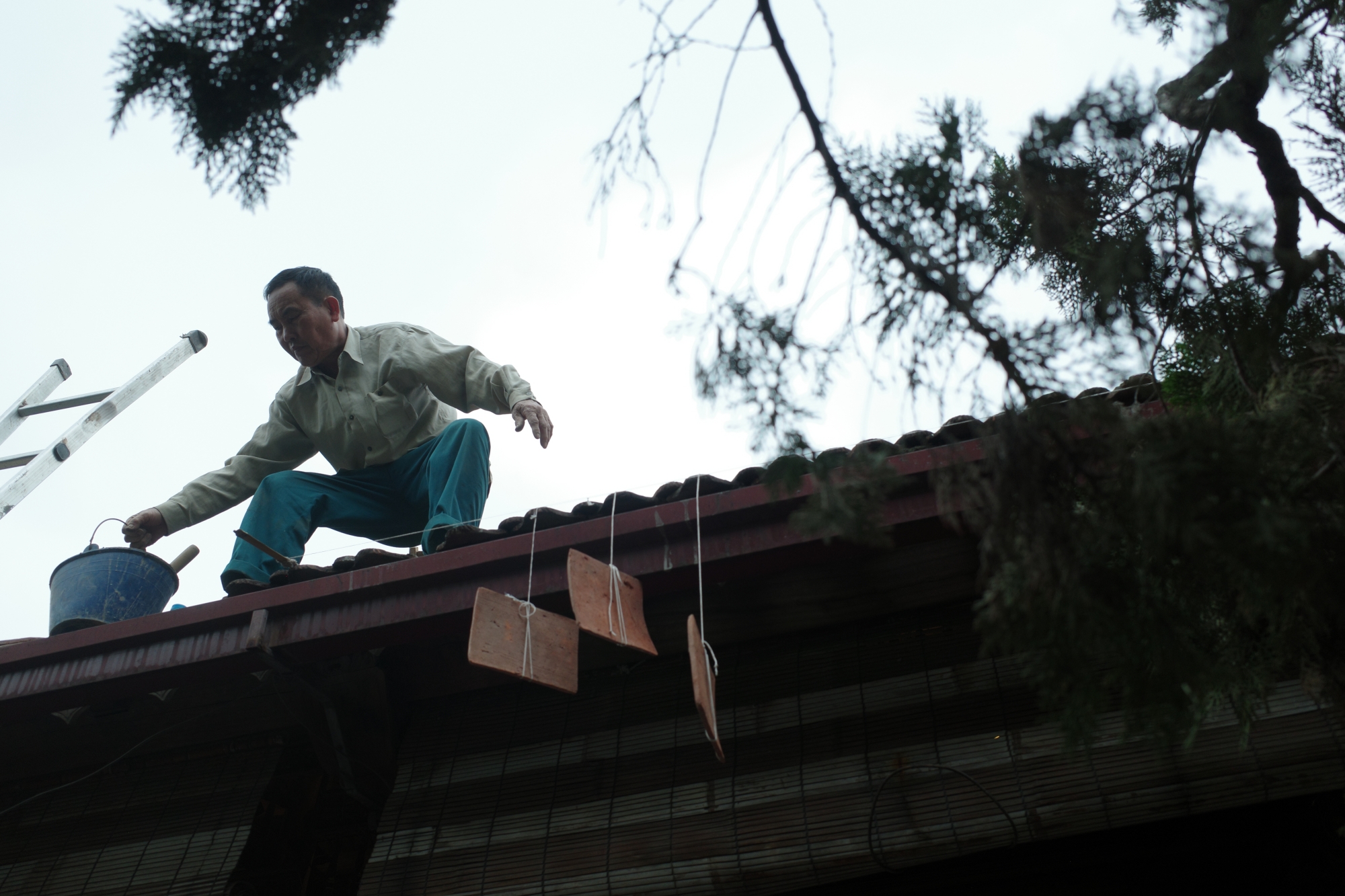
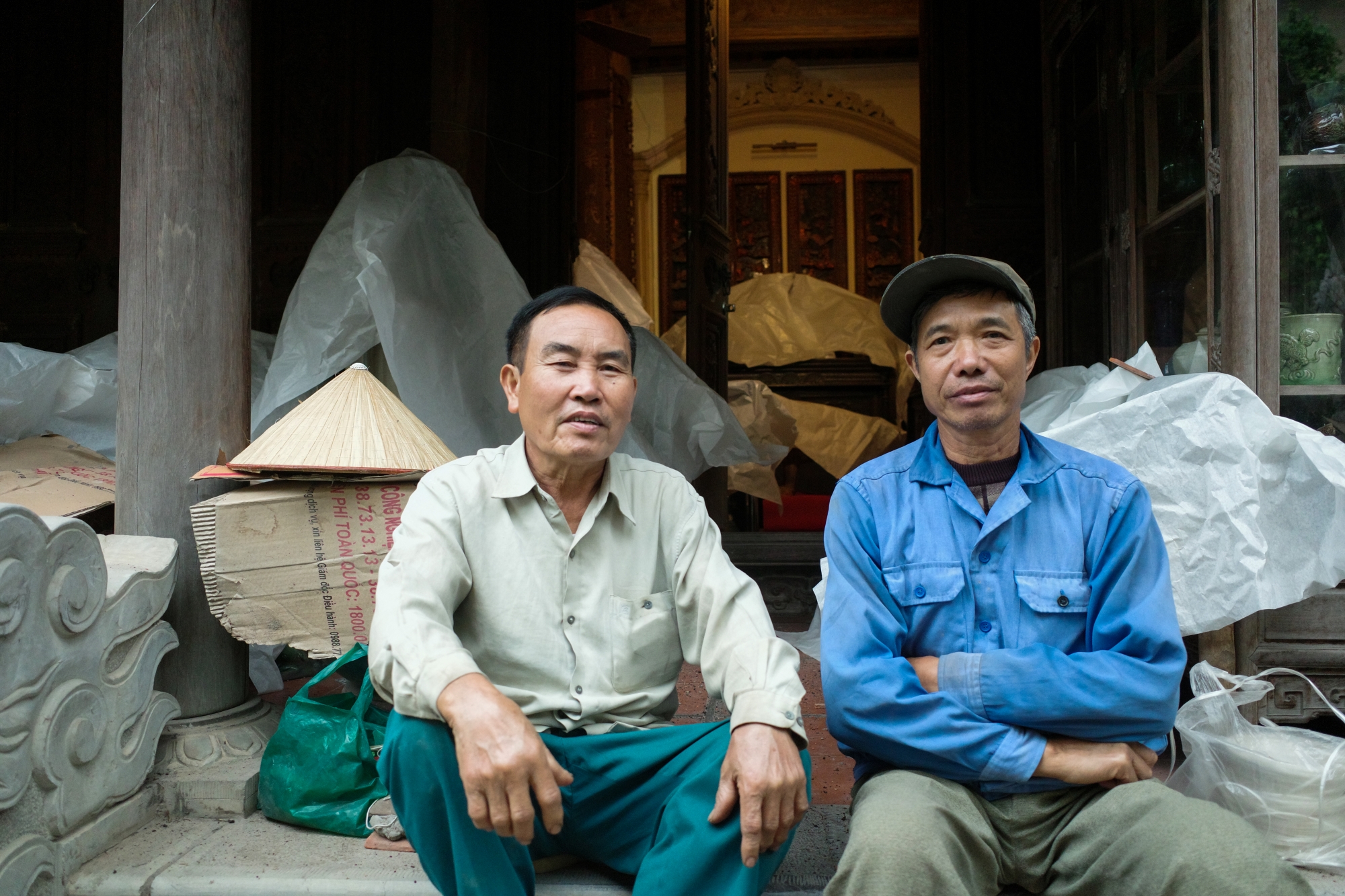
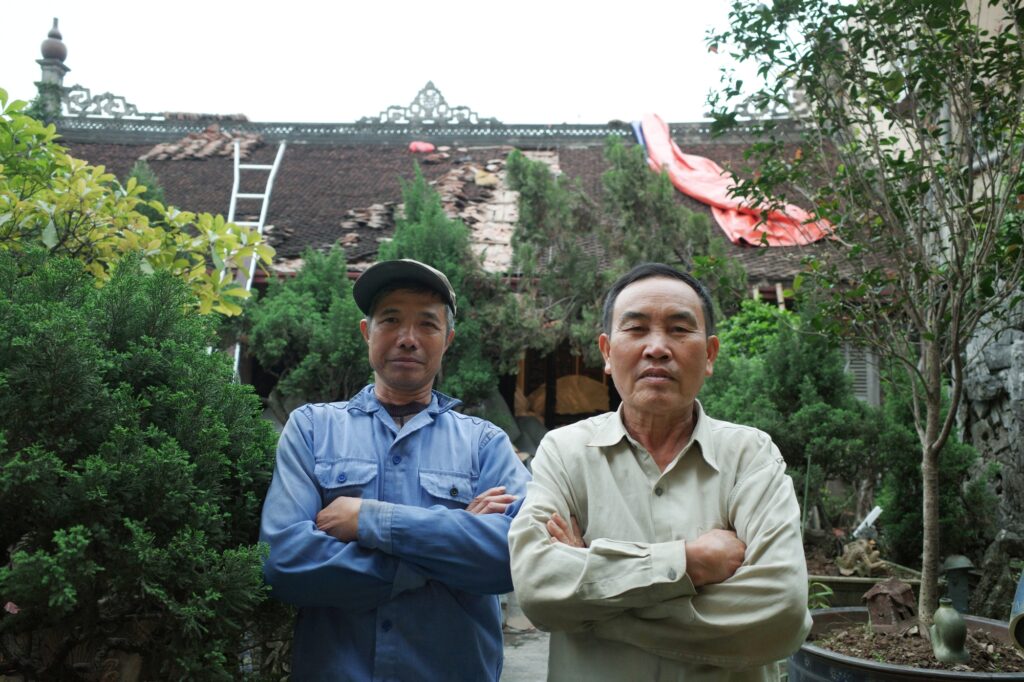
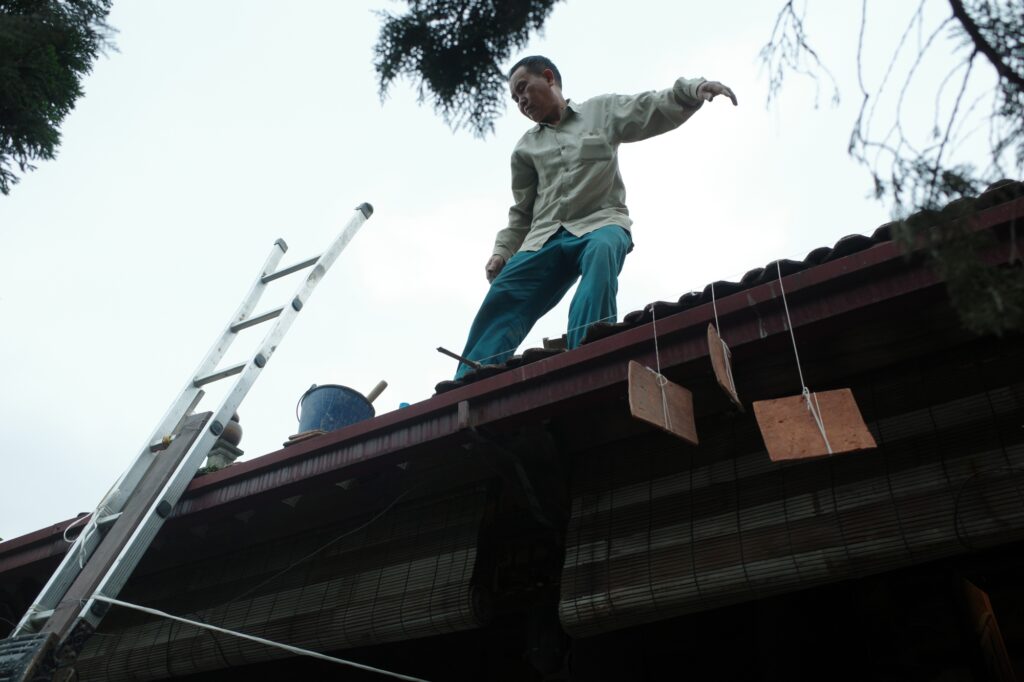
The work began at 5 a.m. Two craftsmen in their early sixties, Mr. Lê Văn Xuyên and Mr. Nguyễn Văn Hiệp, traveled more than 50 kilometers from Đào Xá to Bát Tràng. With over four decades of experience, they started as the morning mist still lingered.
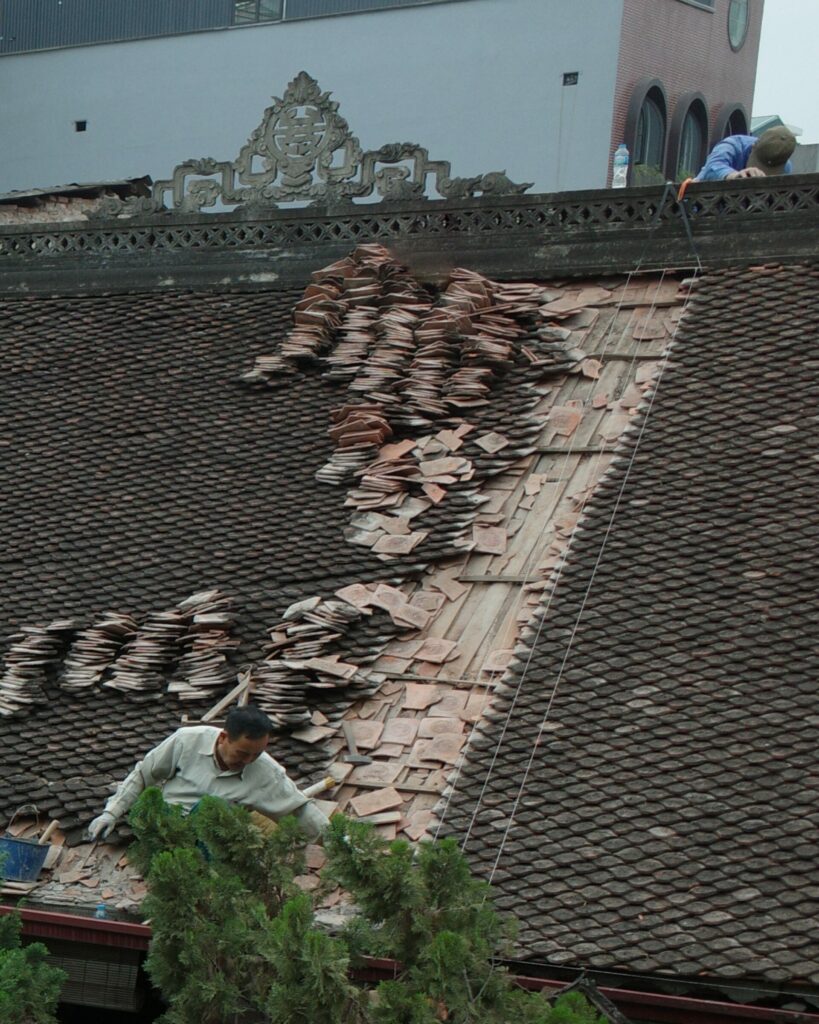
Old tiles were removed, the surface cleaned, and weakened wooden supports reinforced. Over the course of a week, the tiles were carefully measured and reset in staggered layers to ensure alignment and tight sealing. Ridge and edge tiles were secured and trimmed by hand to prevent water penetration.
When completed, the roof retained its familiar appearance while gaining renewed strength — the result of decades of accumulated skill practiced quietly and consistently.
Tea Break Conversations and a Fading Craft
During brief pauses in the afternoon breeze, conversations unfolded over hot tea. From Nam Định and Ninh Bình to Hưng Yên and Hải Dương, wherever old roofs or communal houses need repair, their work leaves its mark.
Lean and sun-weathered, the two craftsmen work with instinctive precision and rarely complain, despite unpredictable weather. Each month, they take on two projects lasting five to seven days before returning home. The income is modest, but enough to support their families and educate their children.
“Nghèo nhưng vui” — “Poor, but happy,” one of them says with a smile.
When asked whether the next generation will continue the craft, the answer is only a gentle smile. His son now works as a long-distance driver — also traveling far for a living, but on a different road. The quiet that follows suggests a larger concern: as the craftsmen age, so too does the future of the trade.
Preserving the Roof, Preserving the Knowledge
In Japan, carpenters who specialize in restoring traditional wooden architecture are known as miya-daiku. Their work preserves not only buildings but also knowledge — of structure, material, and spirit. Components are dismantled, studied, and reassembled as part of a living system of transmission. Such craftsmanship has been recognized by UNESCO as intangible cultural heritage.
Old roofs may endure through time. Yet the craftsmen who can “read” a tile’s age and understand how each layer must rest upon another are now mostly in their later years. Between the stillness of these roofs lies something more fragile than material structure: the knowledge and experience carried across generations.