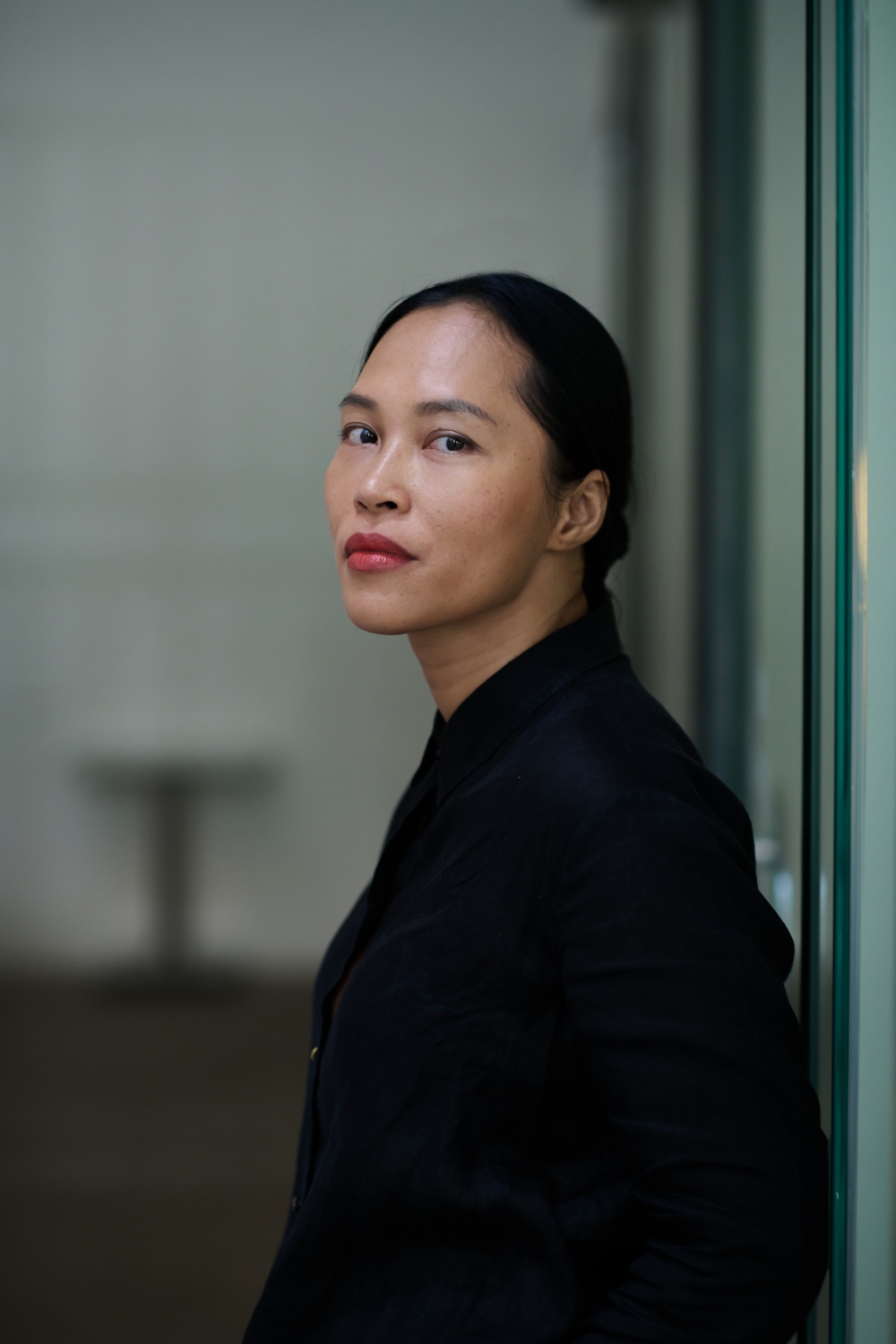
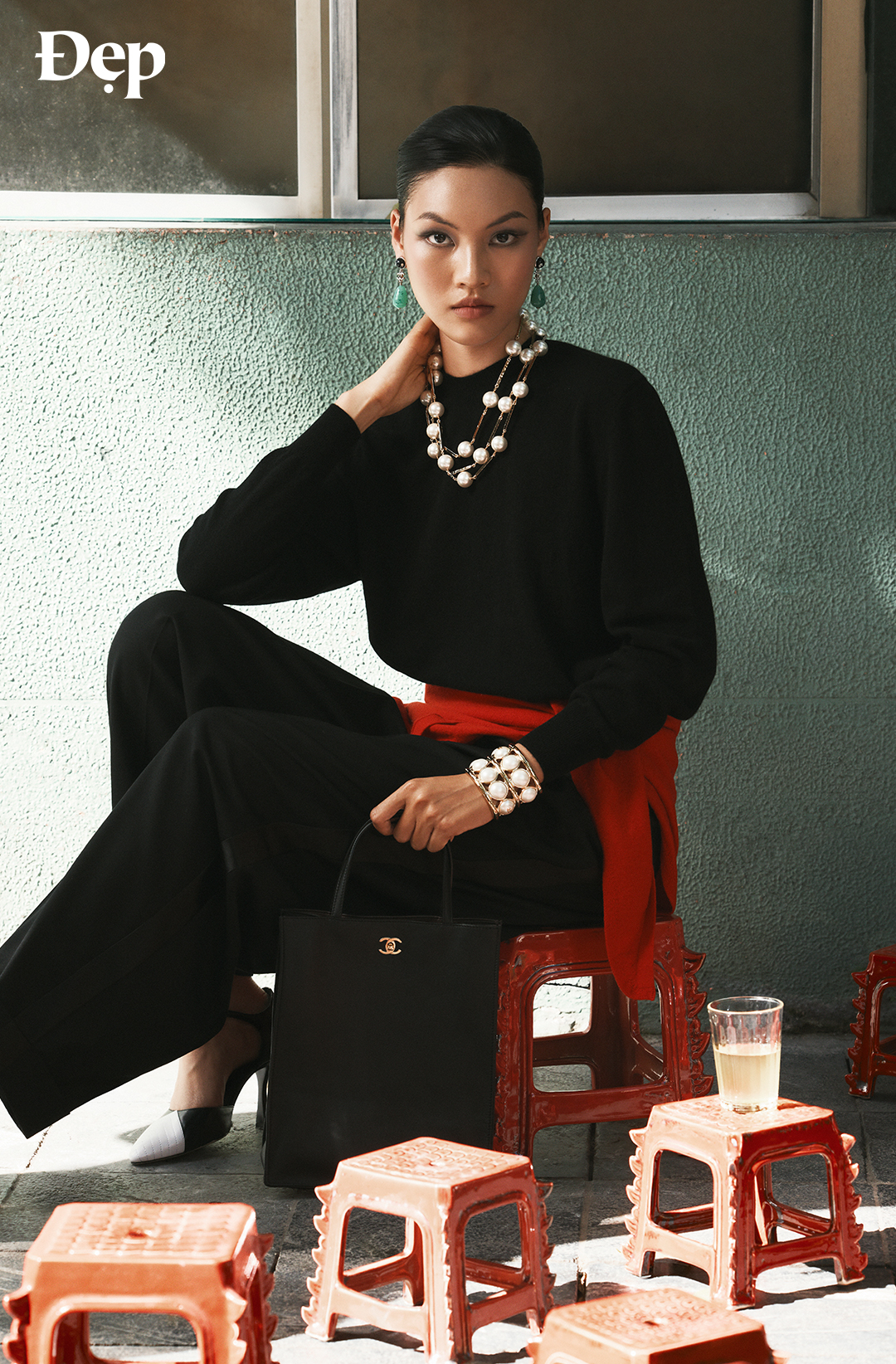
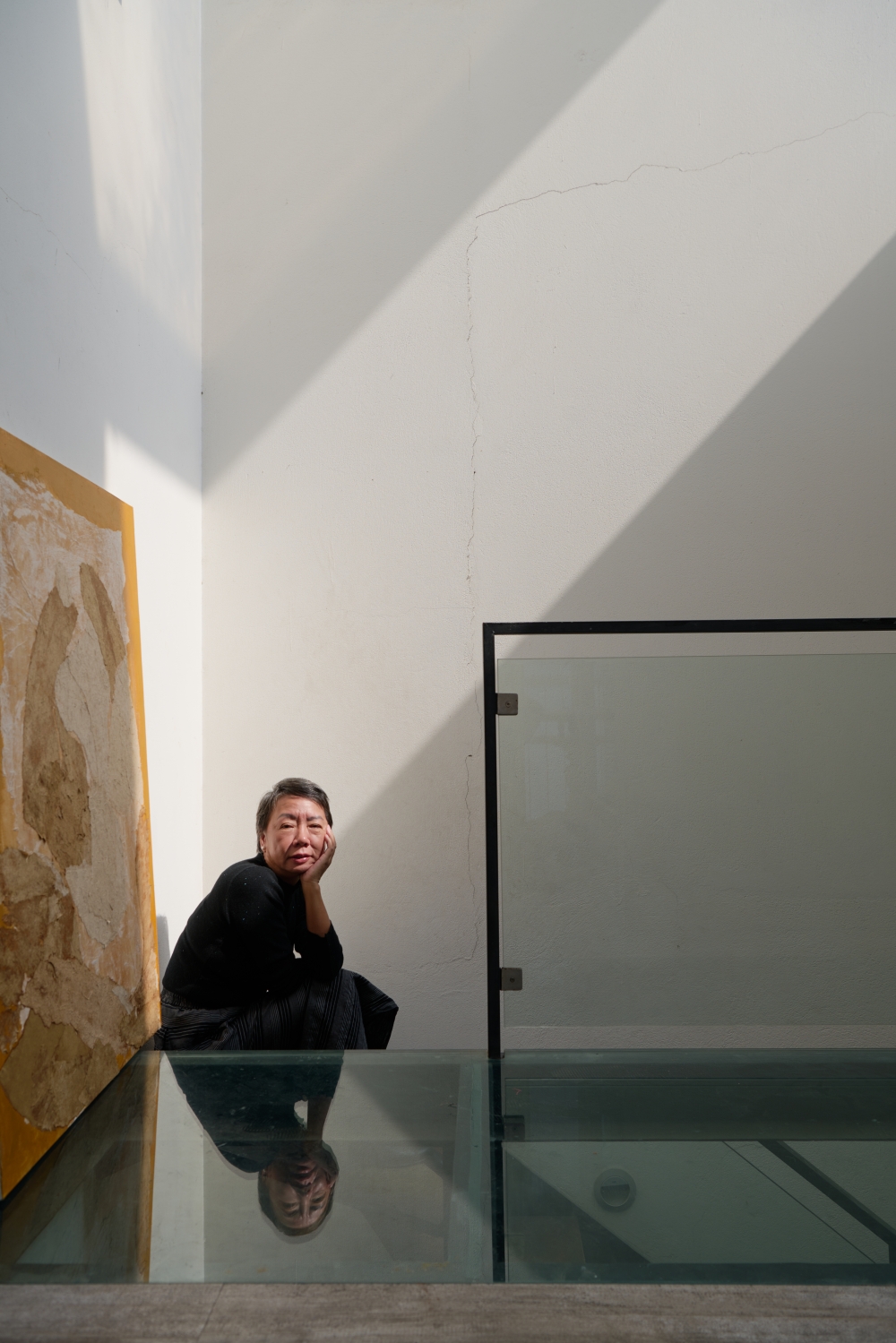
Following the completion of the Mother Goddess Museum and the international recognition that came with the Moira Gemmill Prize and the AR Emerging Awards, architect Nguyễn Hà continues to spend much of her time asking questions. Together with her collaborators at MM Lab, she researches materials, experiments with clay, works alongside artisans, and explores bodies of knowledge that have long been embedded in local communities. The exhibition How to Sneak a Mang Thít Kiln into Manzi?, co-developed with Nguyễn Lê Minh Nhựt, is one such experiment.
In this conversation, Nguyễn Hà reflects on the slow pace at which architecture matures as a profession, the lessons she has learned through experimentation, and the ways each project has gradually deepened her understanding of materials, memory, and the belief systems that have shaped a place over time.

Architecture requires years of accumulated experience, which seems to run counter to today’s pressure for early success. Looking back on your own journey, how do you see this characteristic of the profession?
The desire to succeed early is a natural instinct in every generation. But every profession unfolds on its own timeline, and architecture is one that matures remarkably late.
If you look at the Pritzker Prize, many architects receive the award only after the age of sixty. Even awards such as the Moira Gemmill Prize or the AR Emerging Awards, both intended for architects under forty-five, are really forms of encouragement for those still considered to have “potential.” At an age when other professions may already have established masters, architects are often only beginning. That says a great deal about how much knowledge and experience this profession demands.
Beyond drawing on architecture itself, the profession also requires an understanding of culture, society, engineering, and many other disciplines. More importantly, architects work with resources entrusted by others. A design proposal has to convince a client to invest a significant amount of money before a building even exists. That is ultimately a question of trust and social responsibility, because a poorly conceived building may remain part of a city for decades, shaping both everyday life and the urban fabric. For that reason, society naturally places greater trust in architects with experience, and younger practitioners often need much longer to earn that confidence.
Over the years, your practice has gradually evolved into three parallel entities: arb architects, Beaulo Design, and MM Lab. What led you to organize your work in this way?
Today, our practice is structured into three parallel branches. MM Lab focuses on research and knowledge preservation. Beaulo Design serves as a space for material experimentation and design development. arb architects is where architectural projects are realized. Each branch has grown together with collaborators who have been part of the journey from the beginning, with each person taking responsibility for a different area of practice.
In the past, when everything operated under one umbrella, research was often interrupted because we could only focus on one area when another became less demanding. Separating them allowed the three practices to support one another through what we describe as a triangular structure of inter-being.
MM Lab builds the theoretical foundation, drawing from culture, traditional craftsmanship, and accumulated knowledge while continually expanding our understanding of architecture. Beaulo then translates those ideas into experiments at a smaller scale. Because objects can be prototyped and tested relatively quickly, we are willing to embrace mistakes as part of the learning process before applying successful outcomes to architectural projects at arb. This structure allows our practice to remain grounded while continuing to evolve through experimentation.
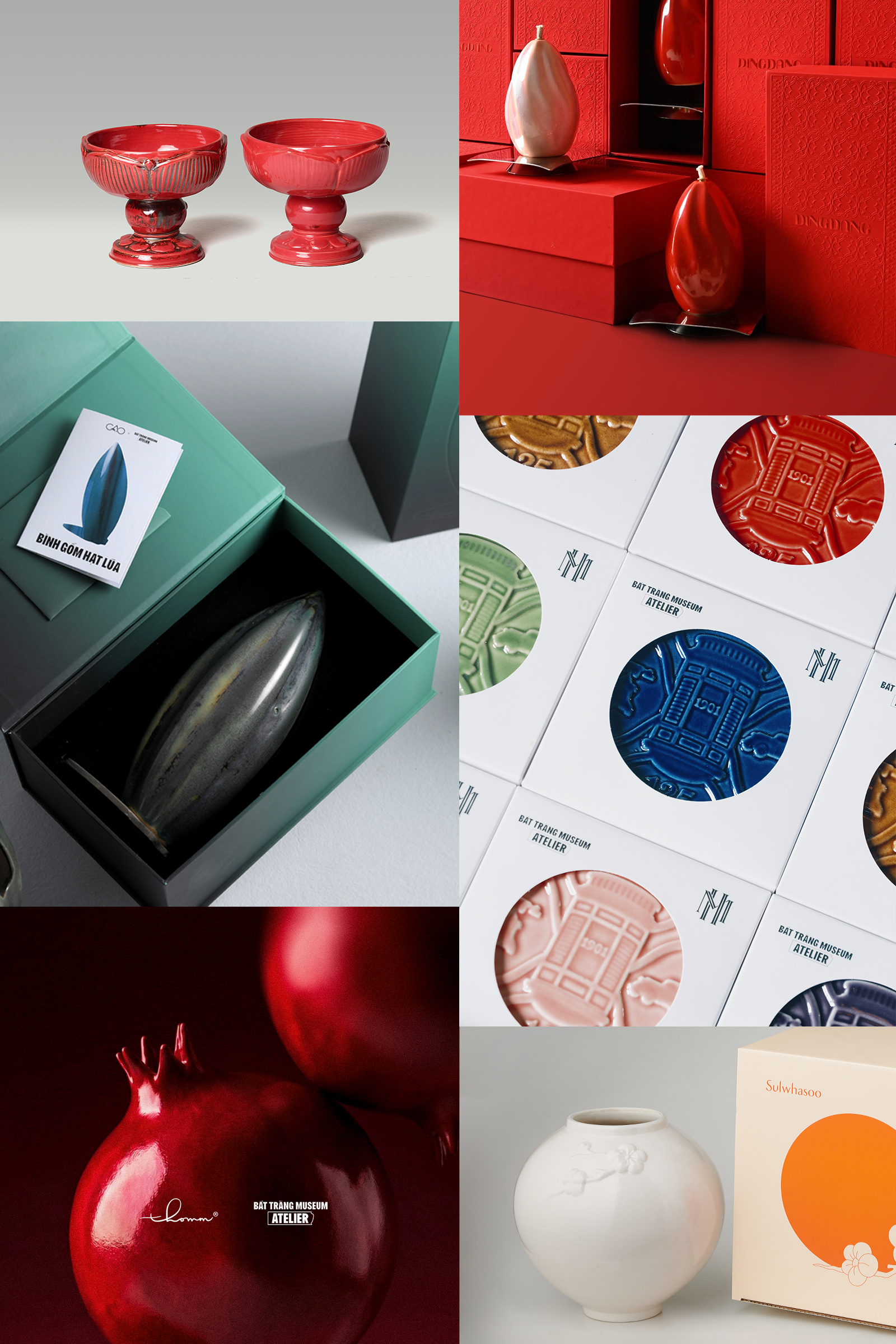
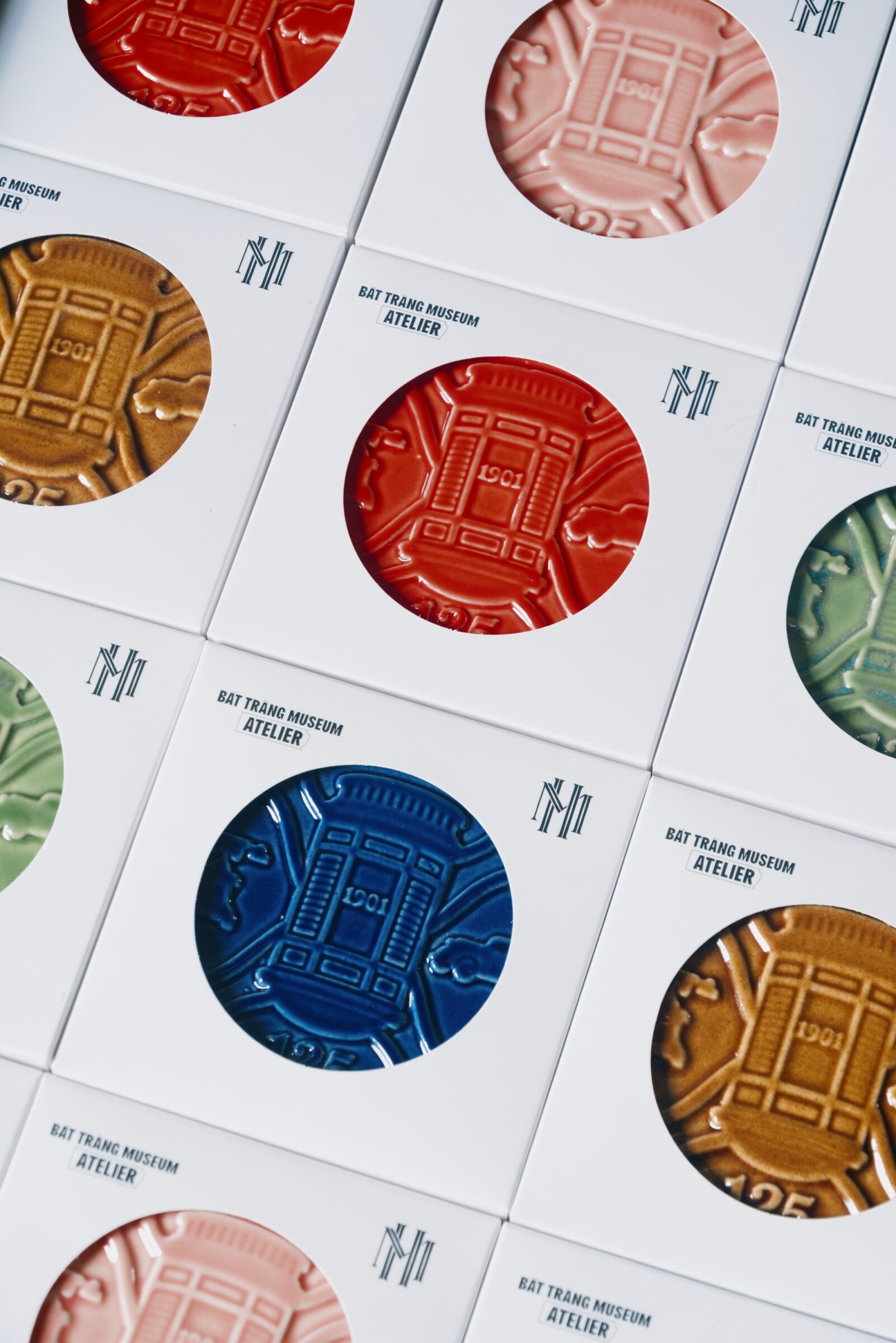
One of your recent collaborations was with Bát Tràng Museum Atelier (BTMA). In architecture, precision is essential to ensure structural safety. Working with handcrafted ceramics, however, means accepting the uncertainties of clay, fire, and the kiln. What did that experience bring to your practice?
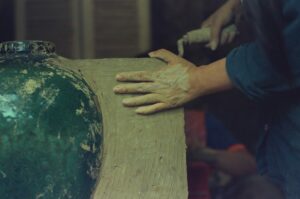
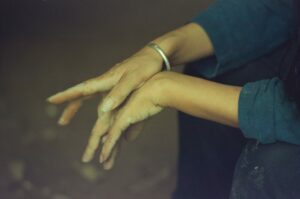
That was probably the most fascinating part of working with ceramics. In architecture, scientific knowledge, technical principles, and established methods are essential if a building is to be safe and enduring. Creativity, however, often comes from what cannot be predicted—from the tolerances that emerge through physical making.
Ceramics constantly produces results beyond the drawing. When something unexpected happens, the role of the designer is to recognize it, adapt to it, and allow it to open up new possibilities.
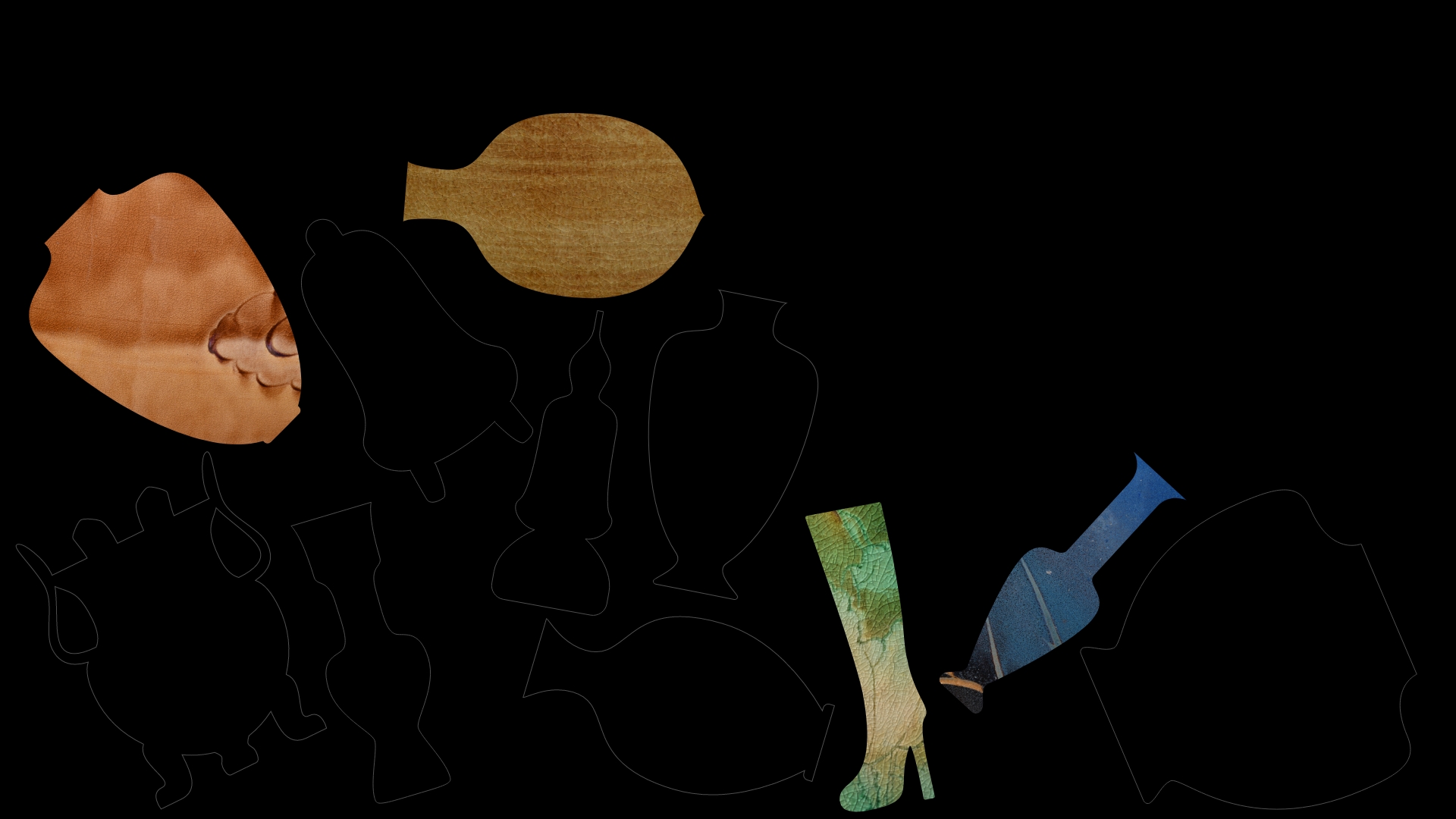
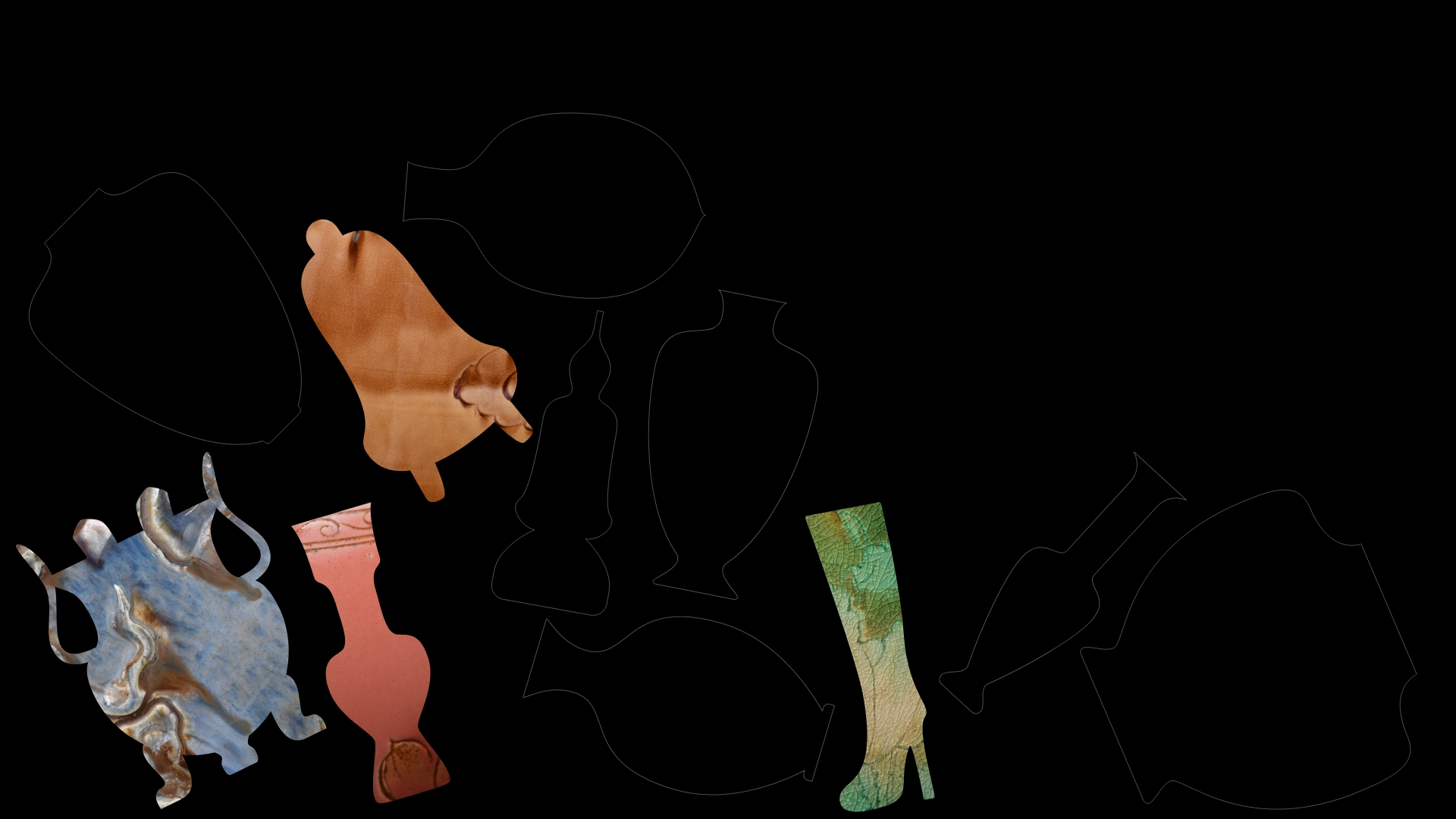
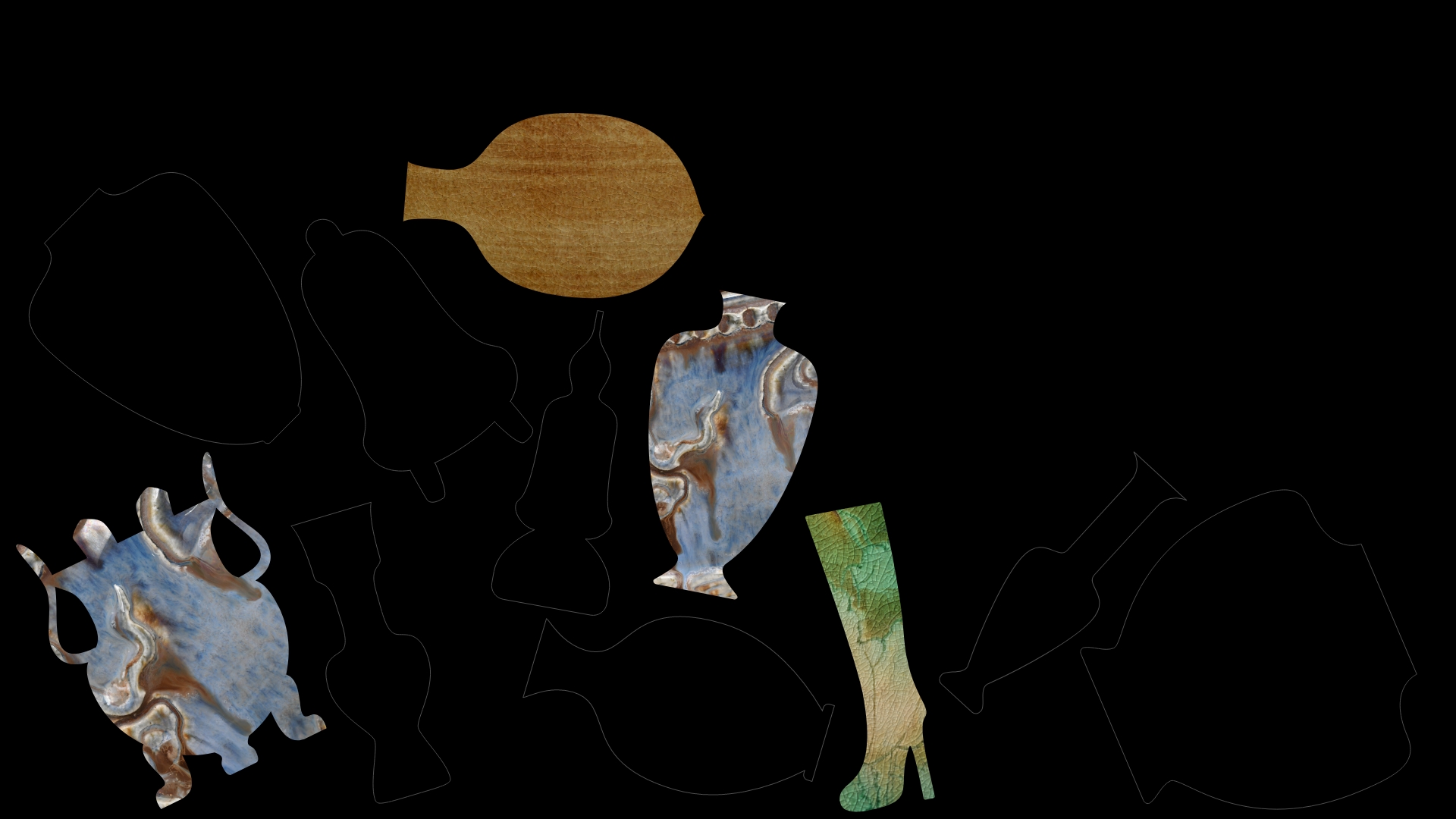
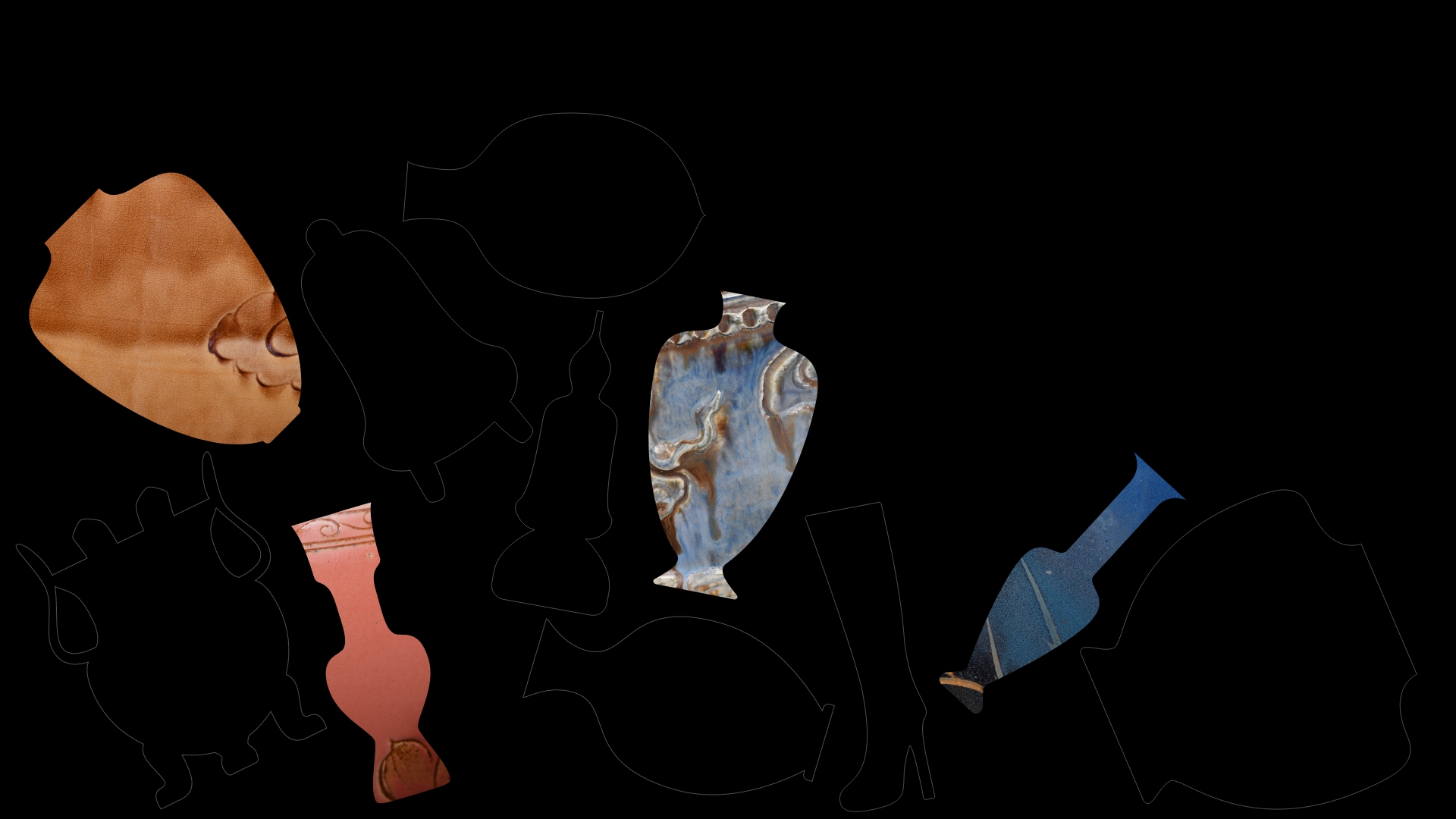
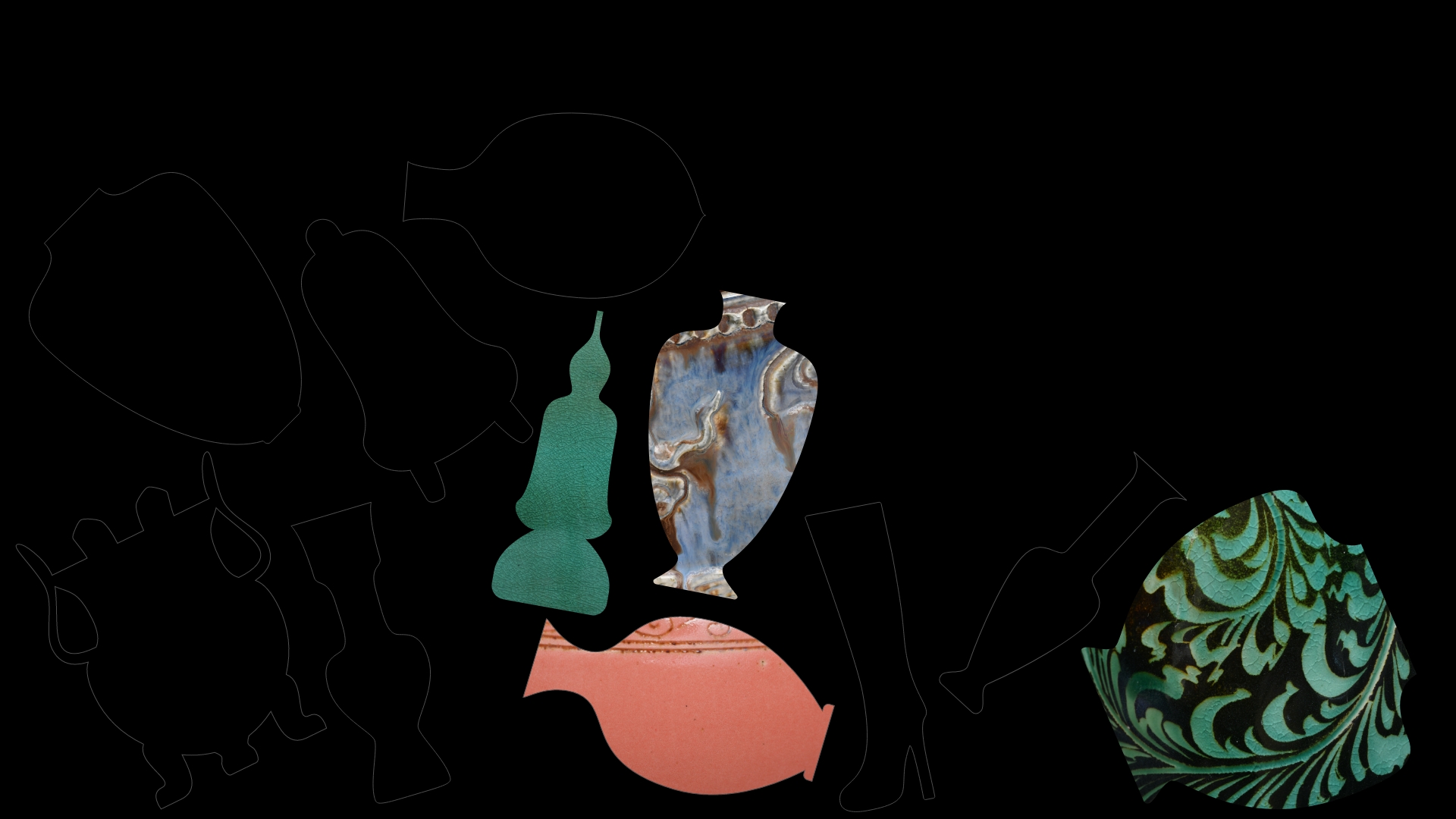
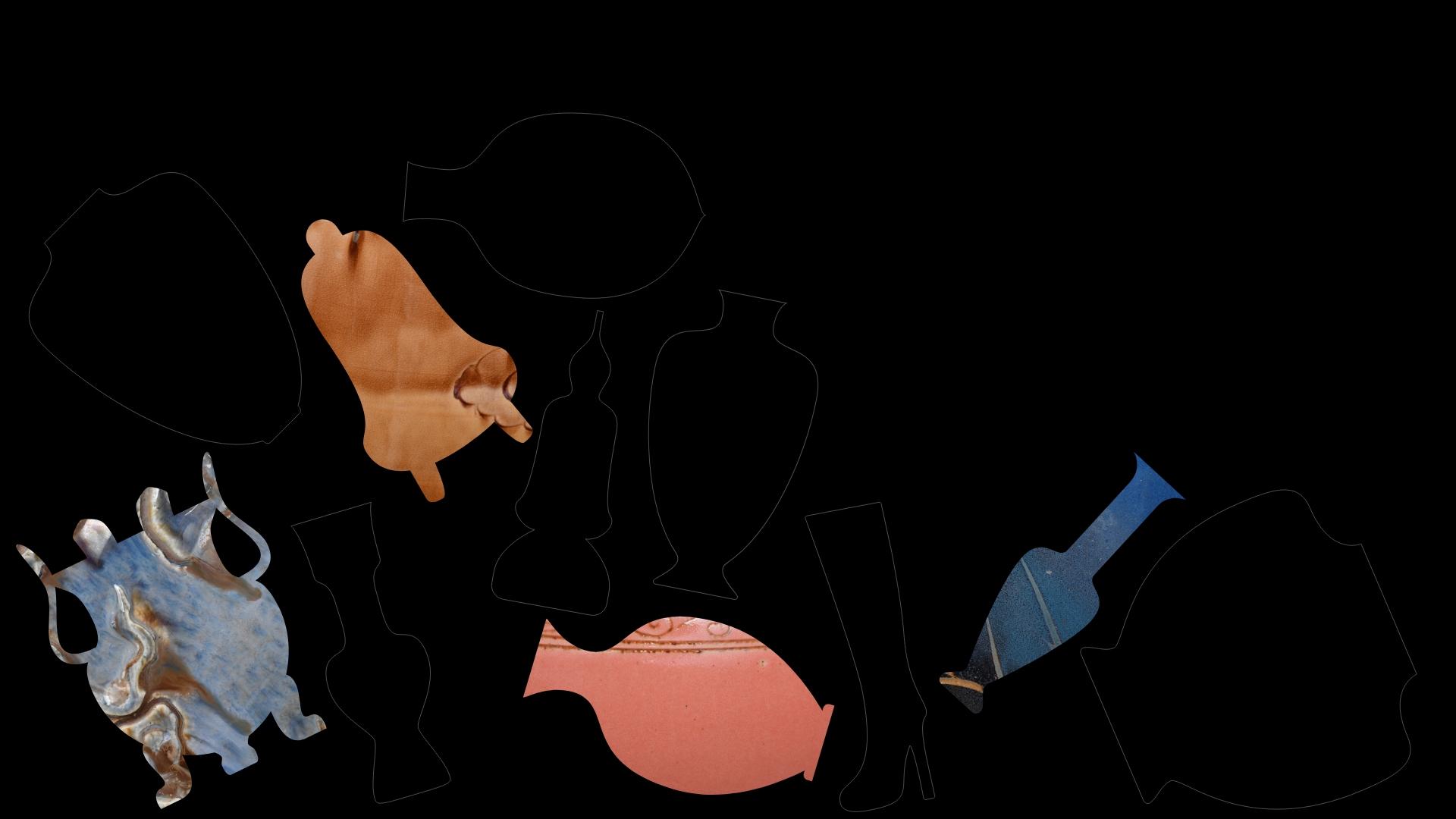
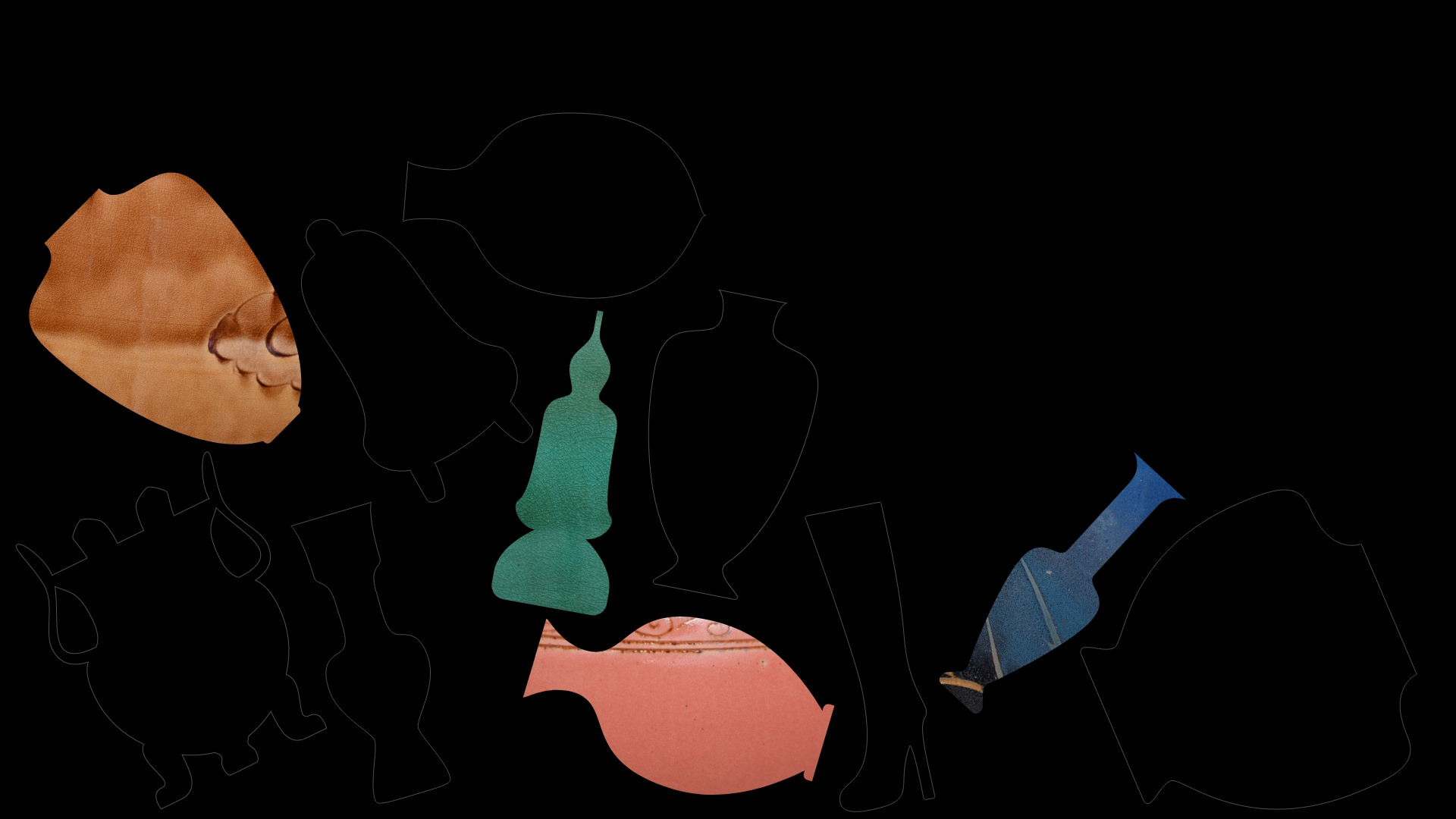
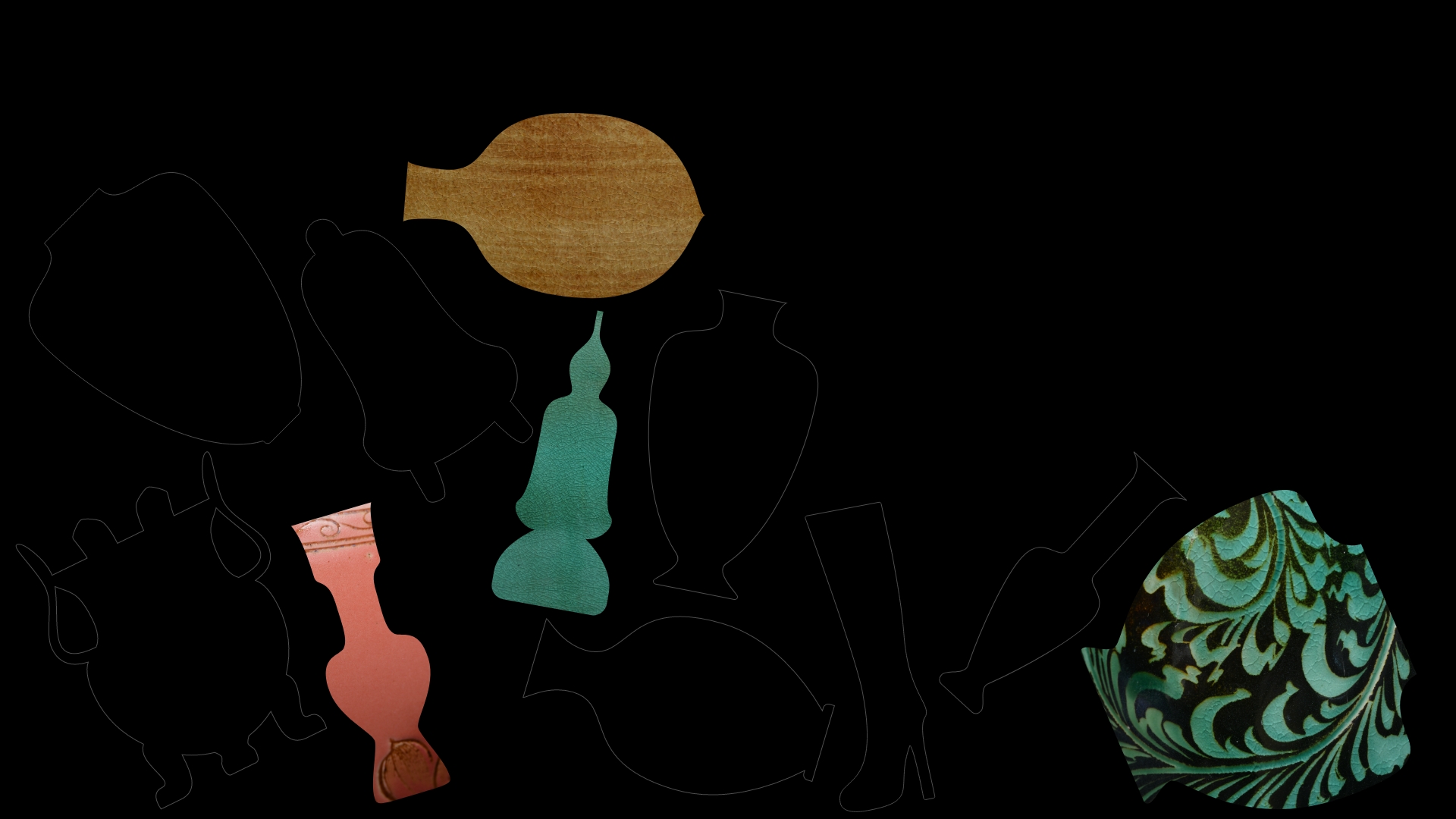
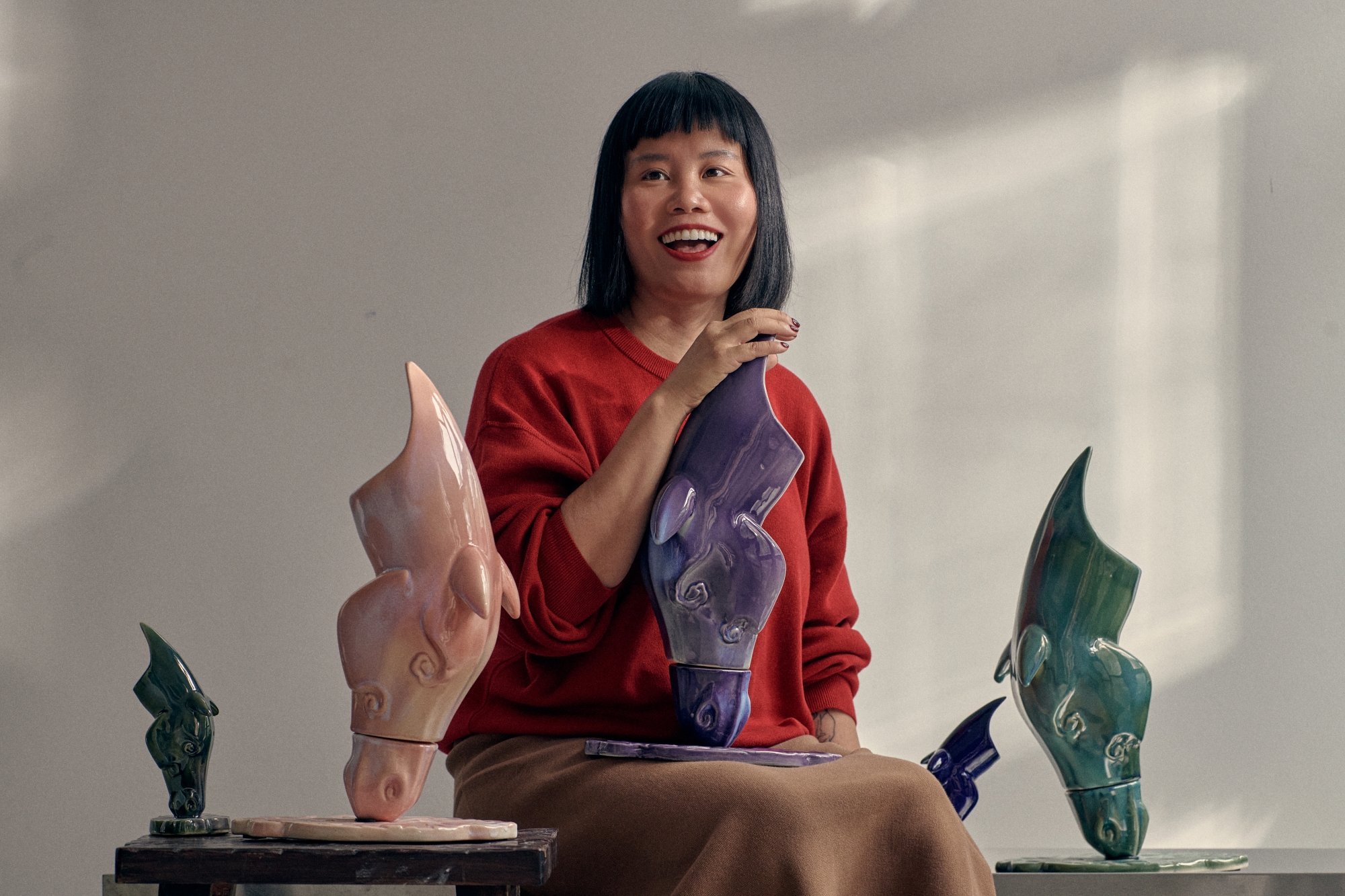
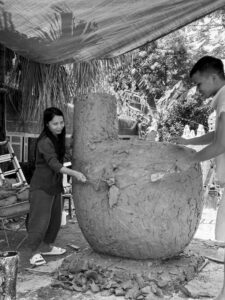
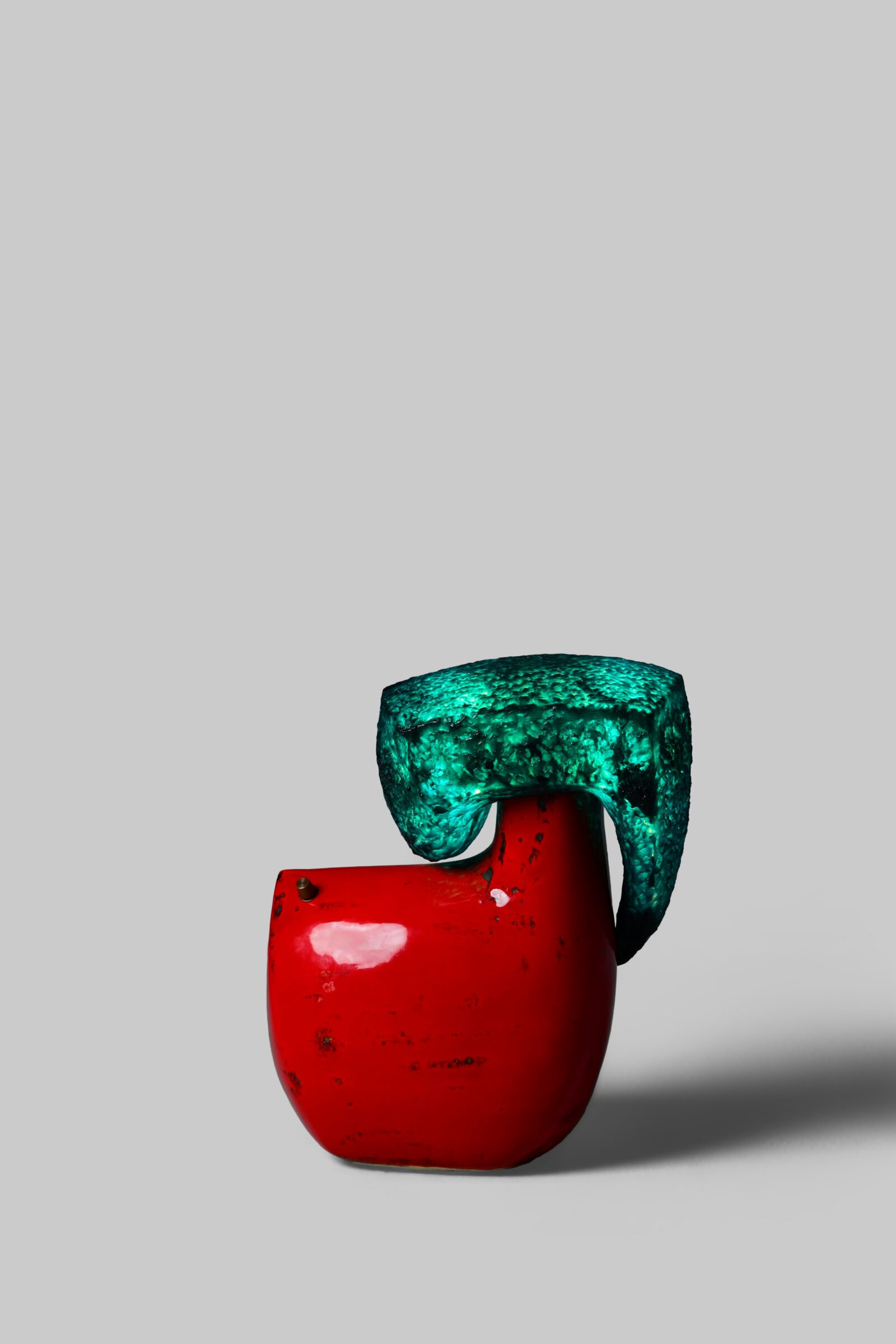
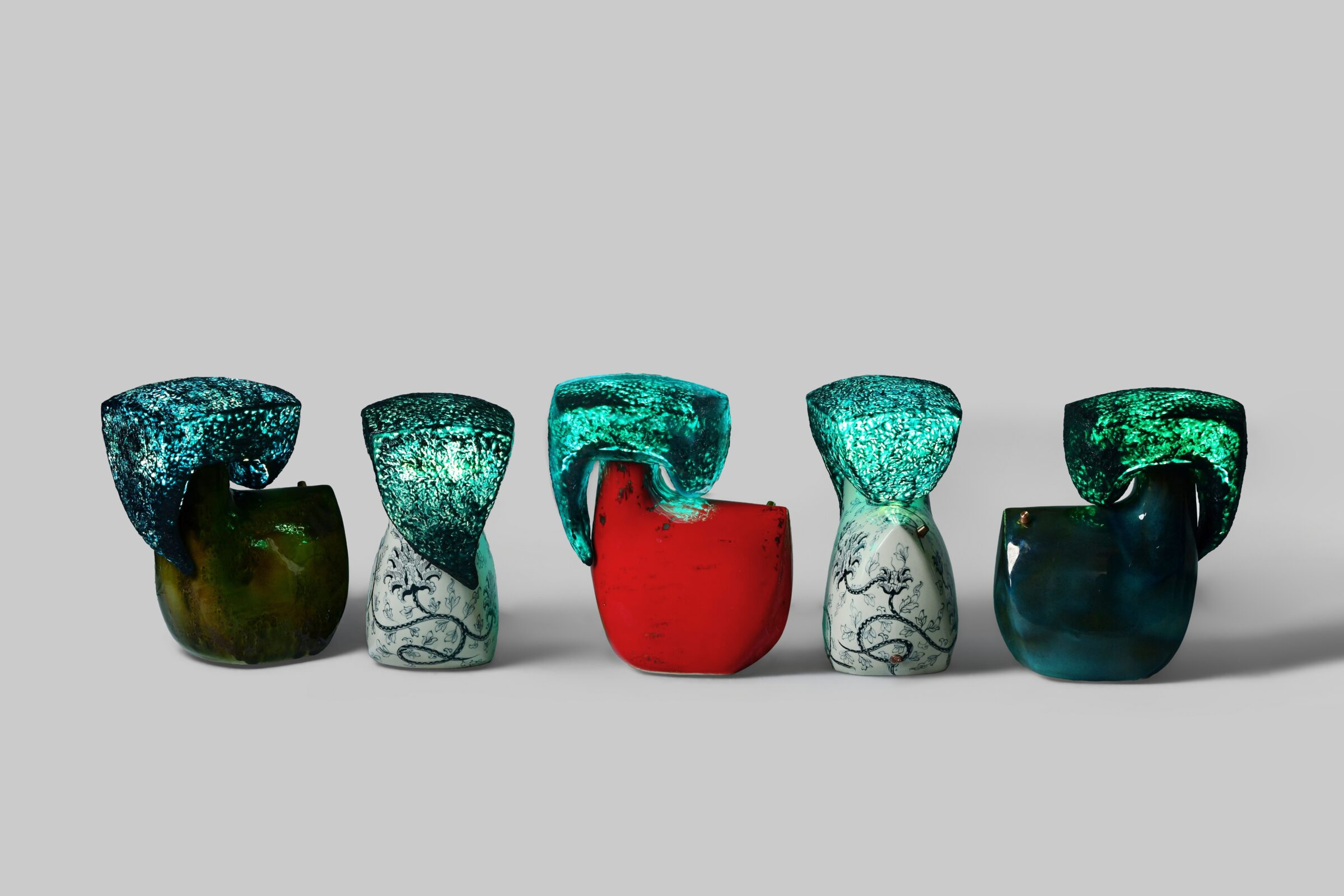
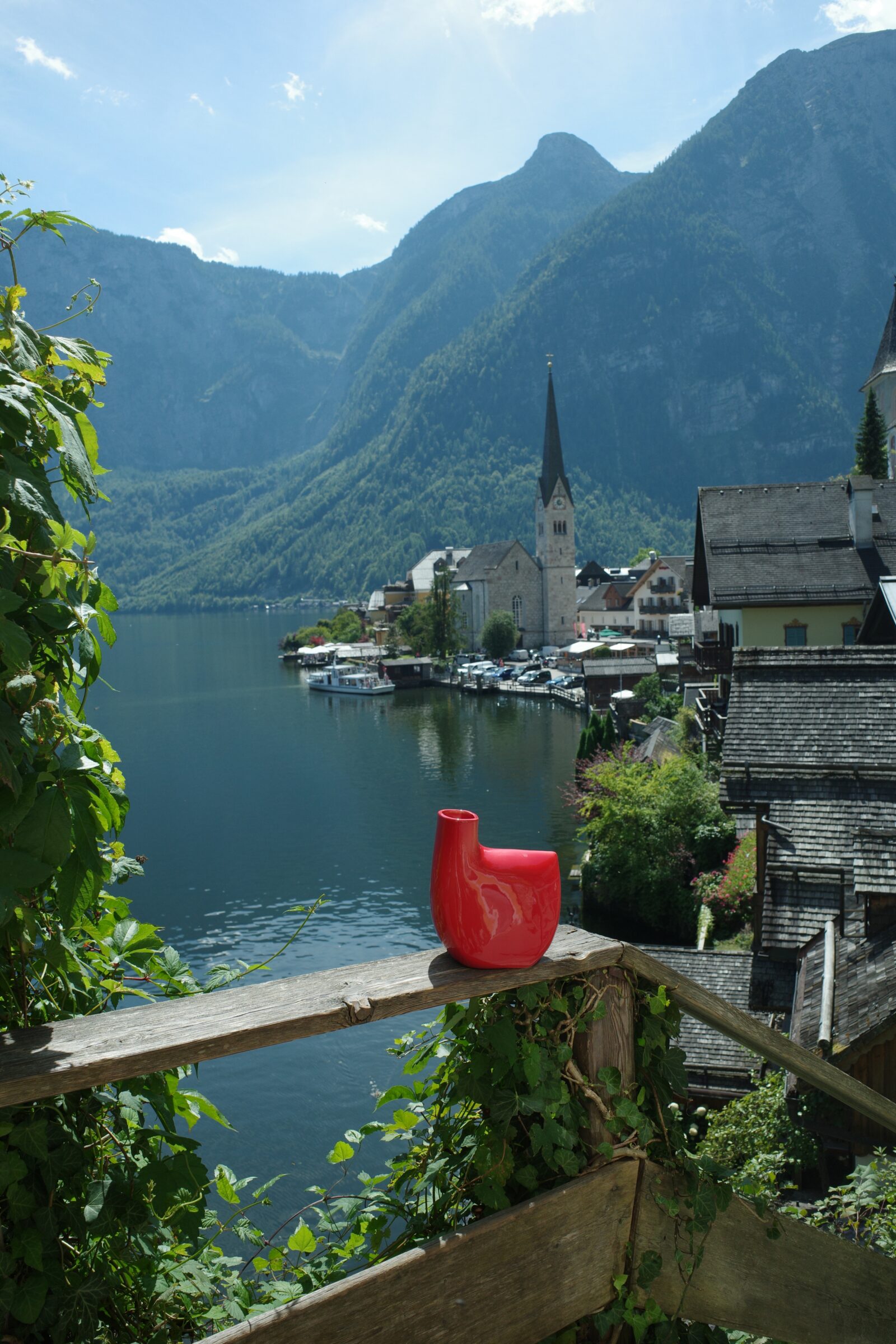
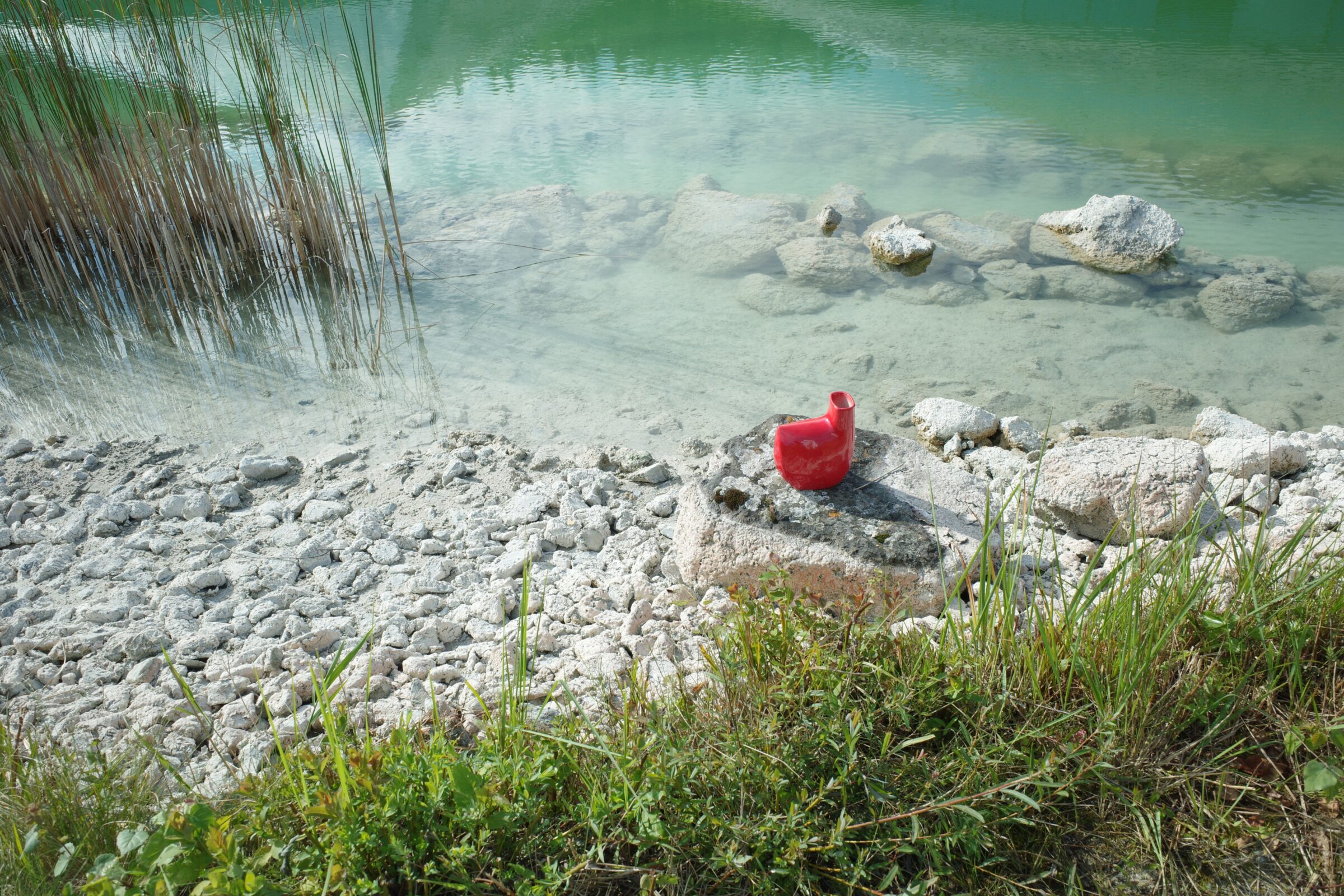
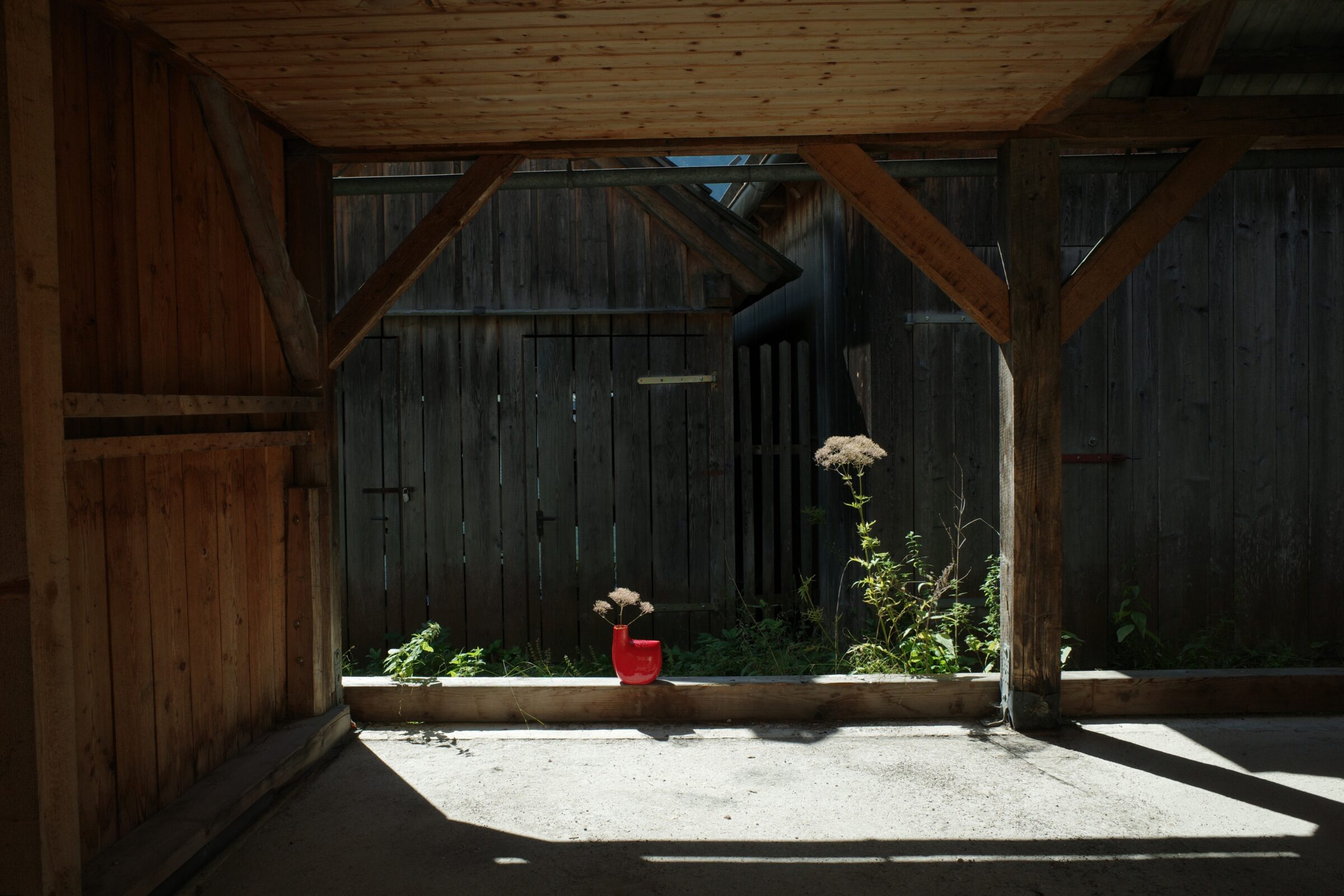
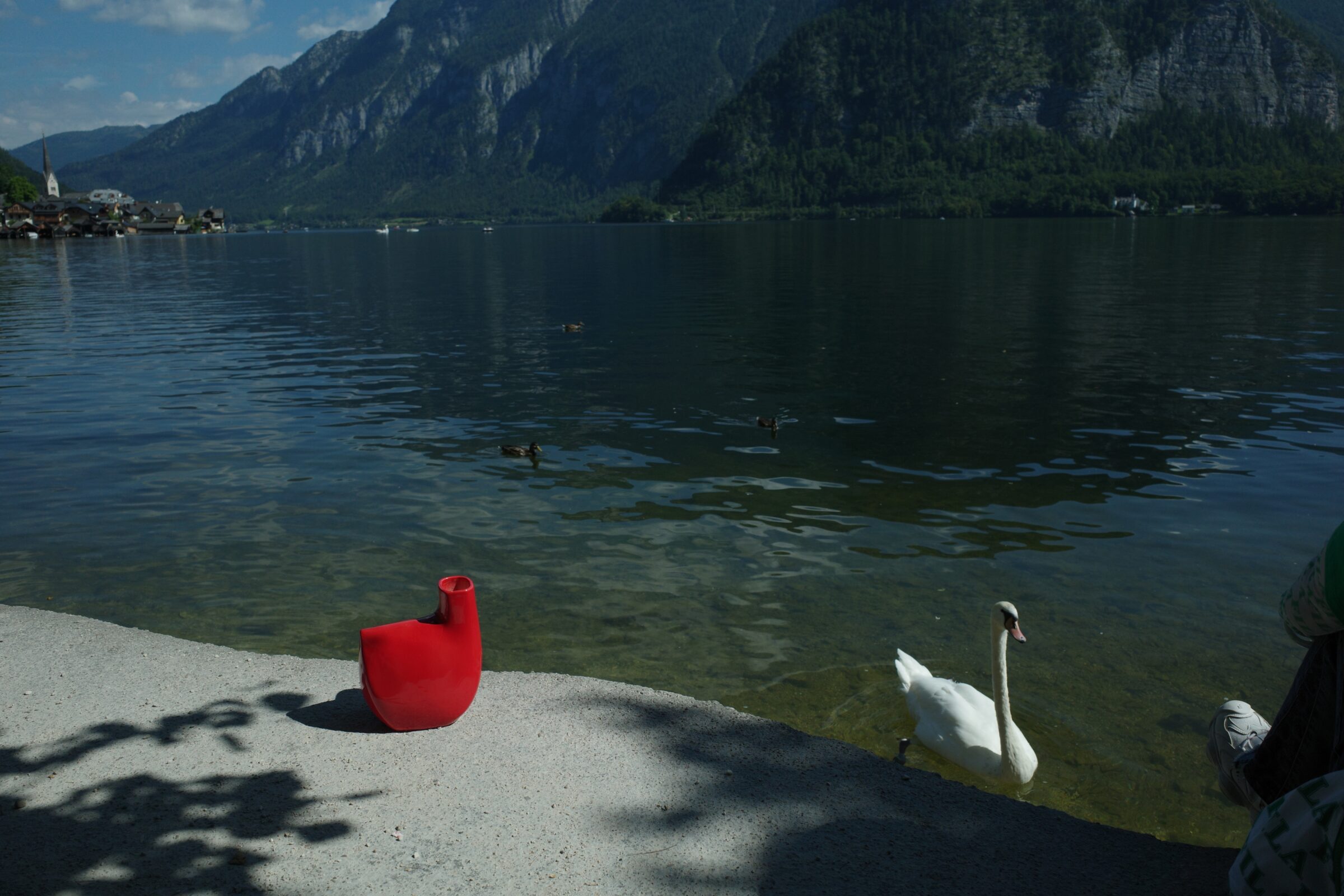
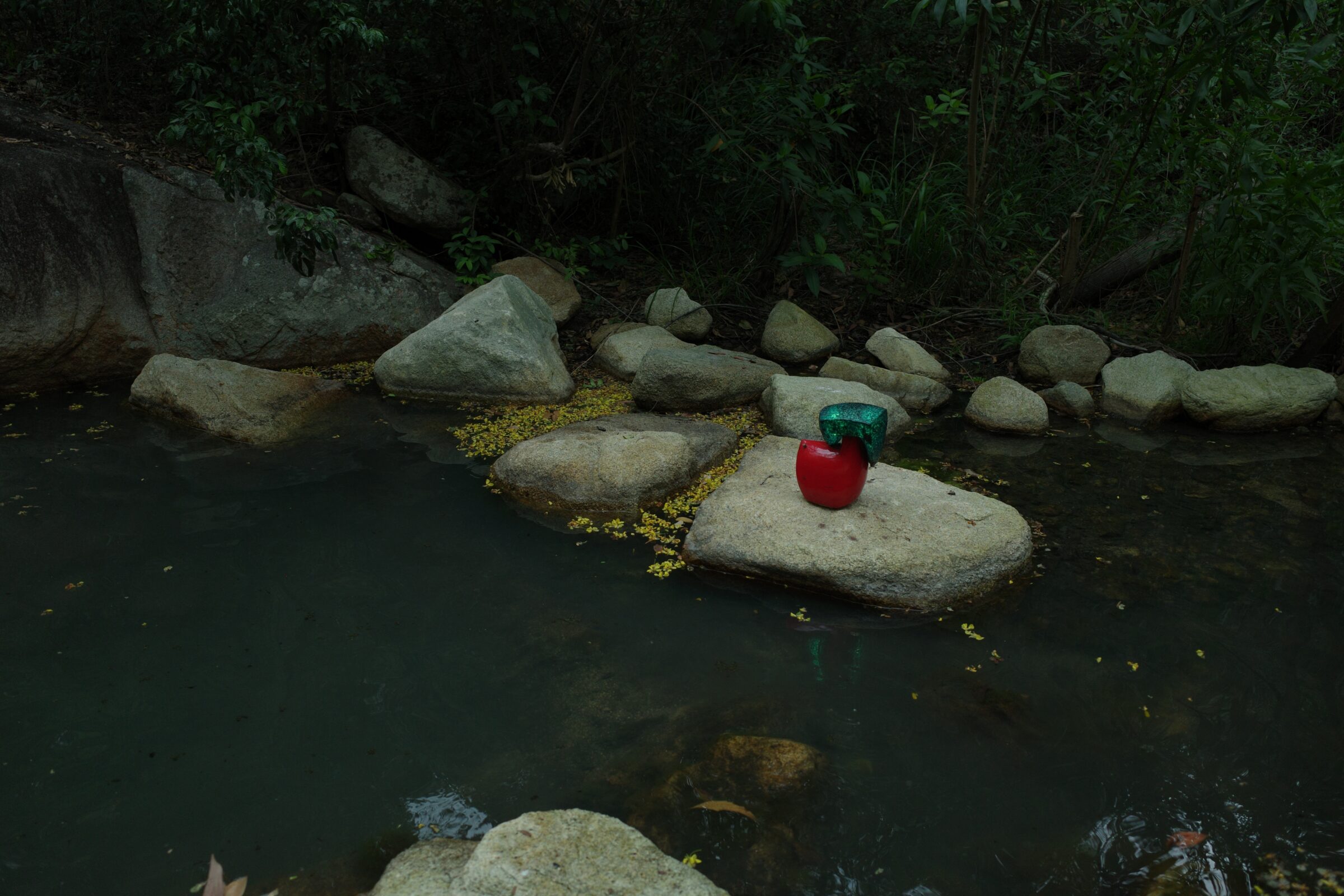
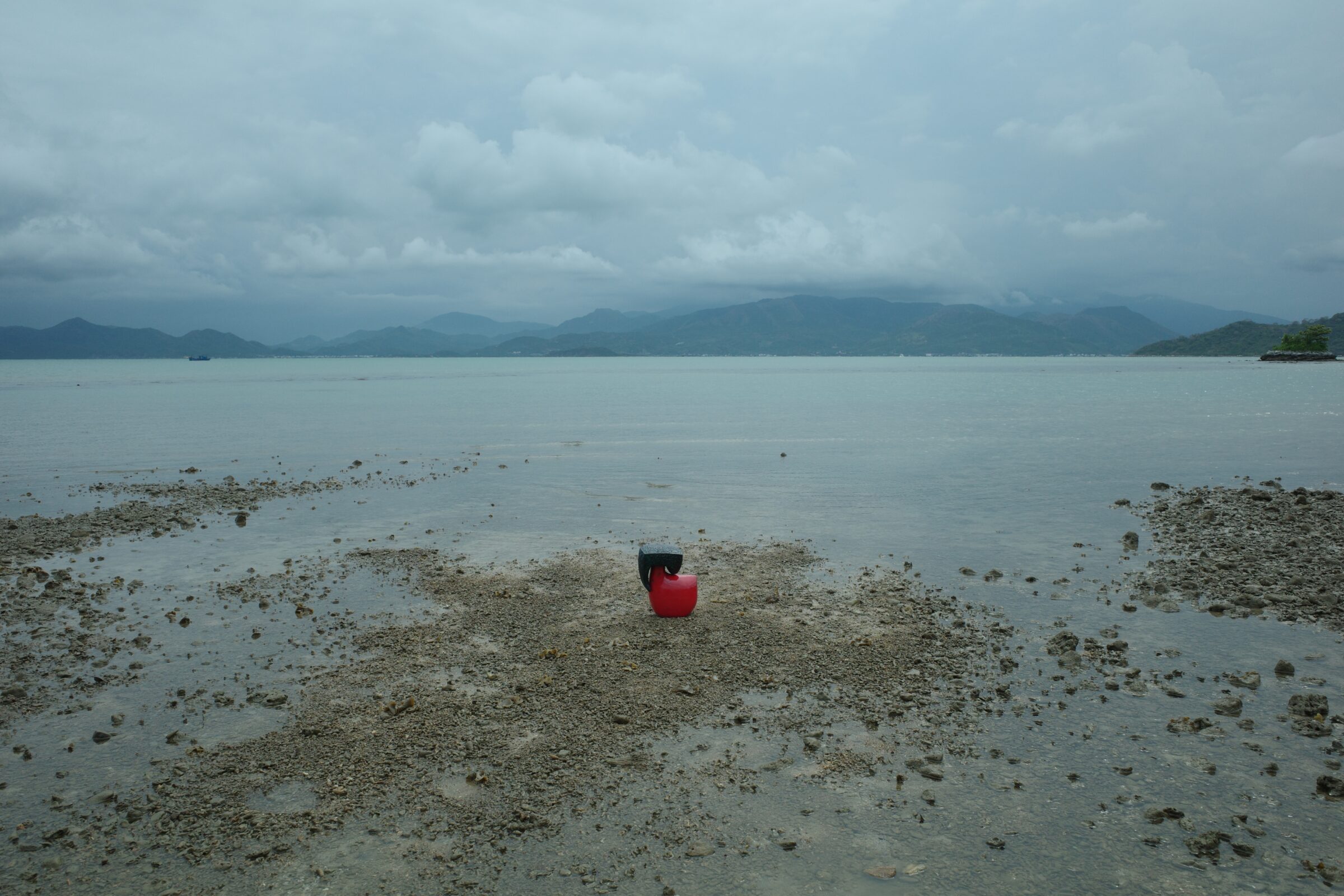
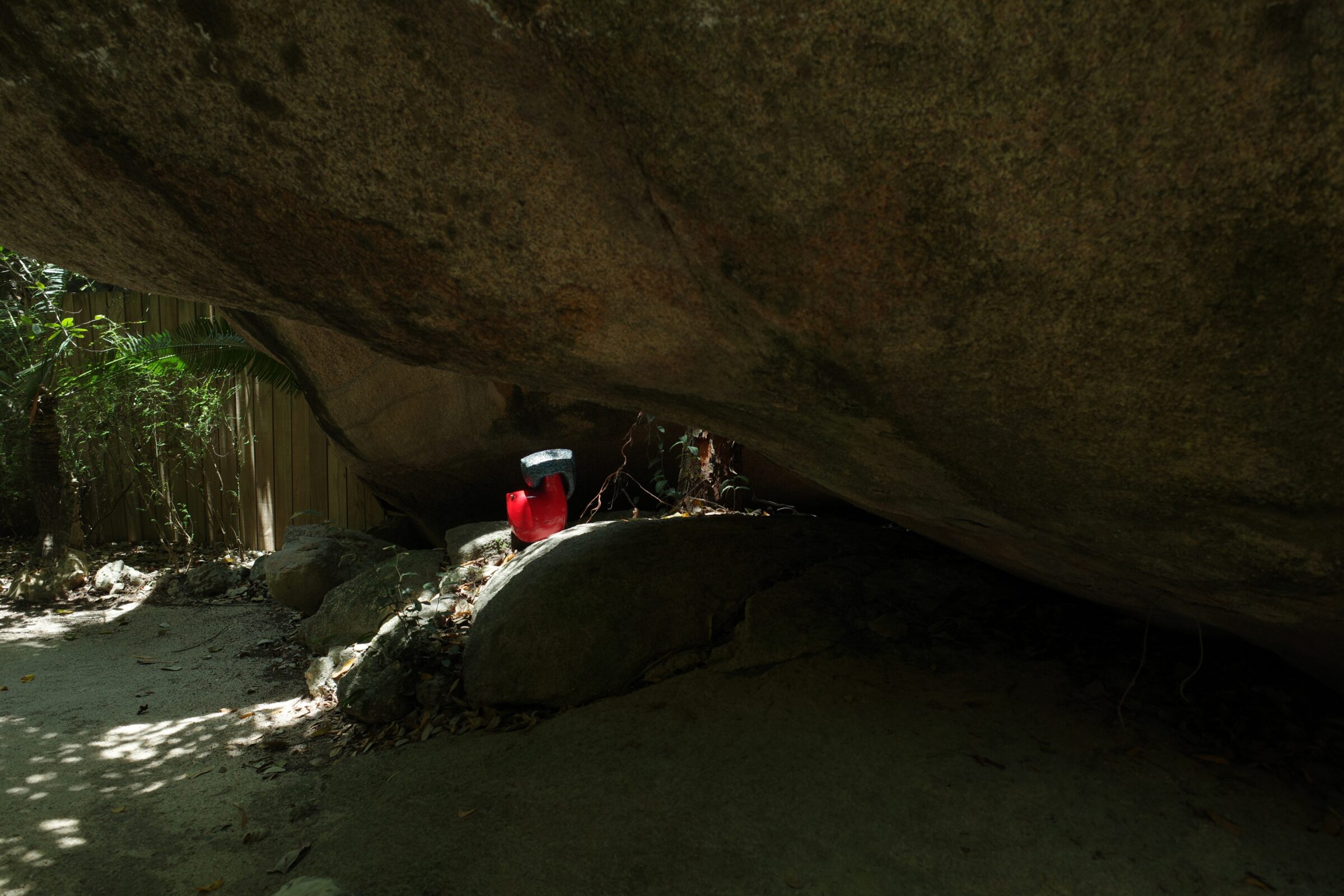
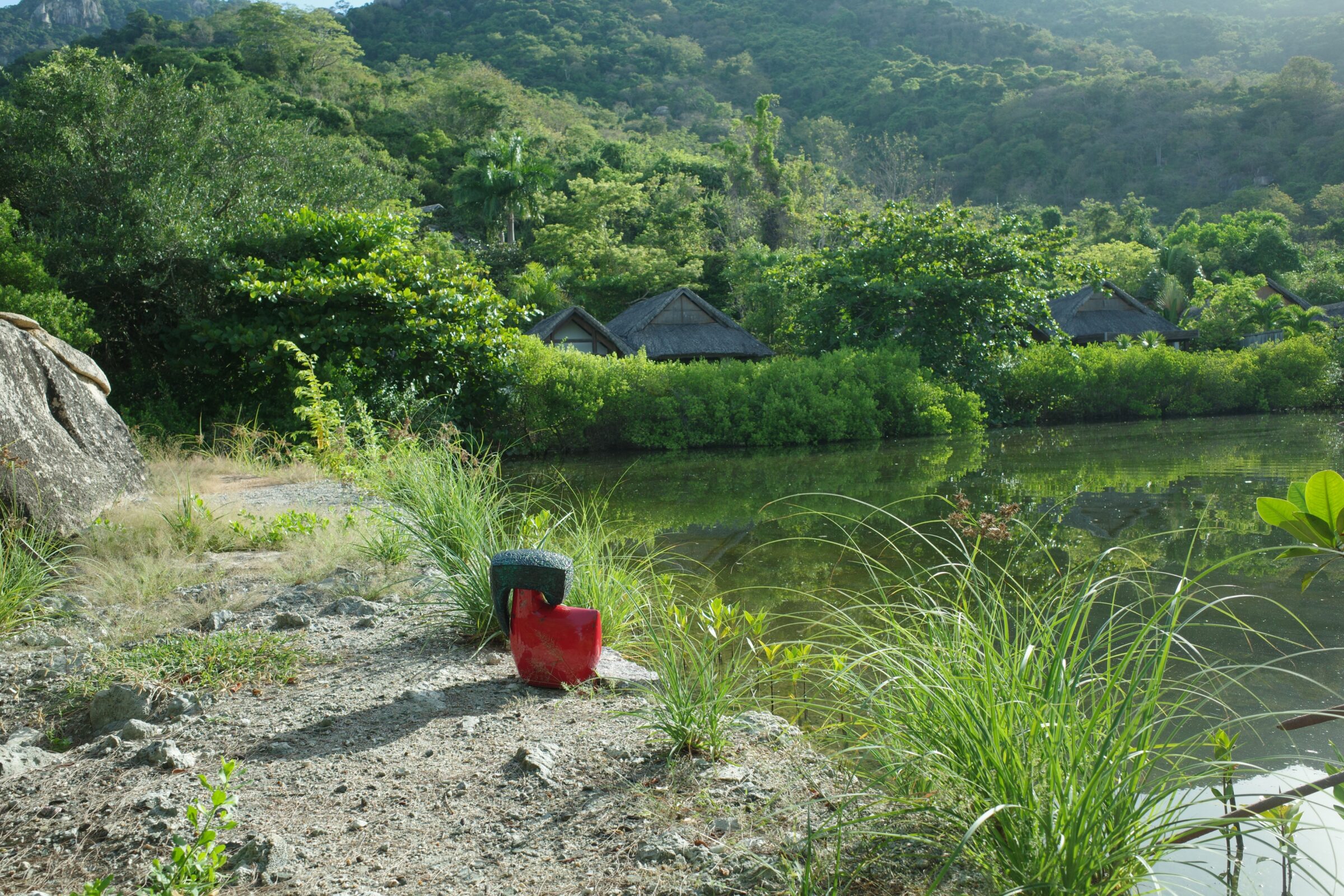
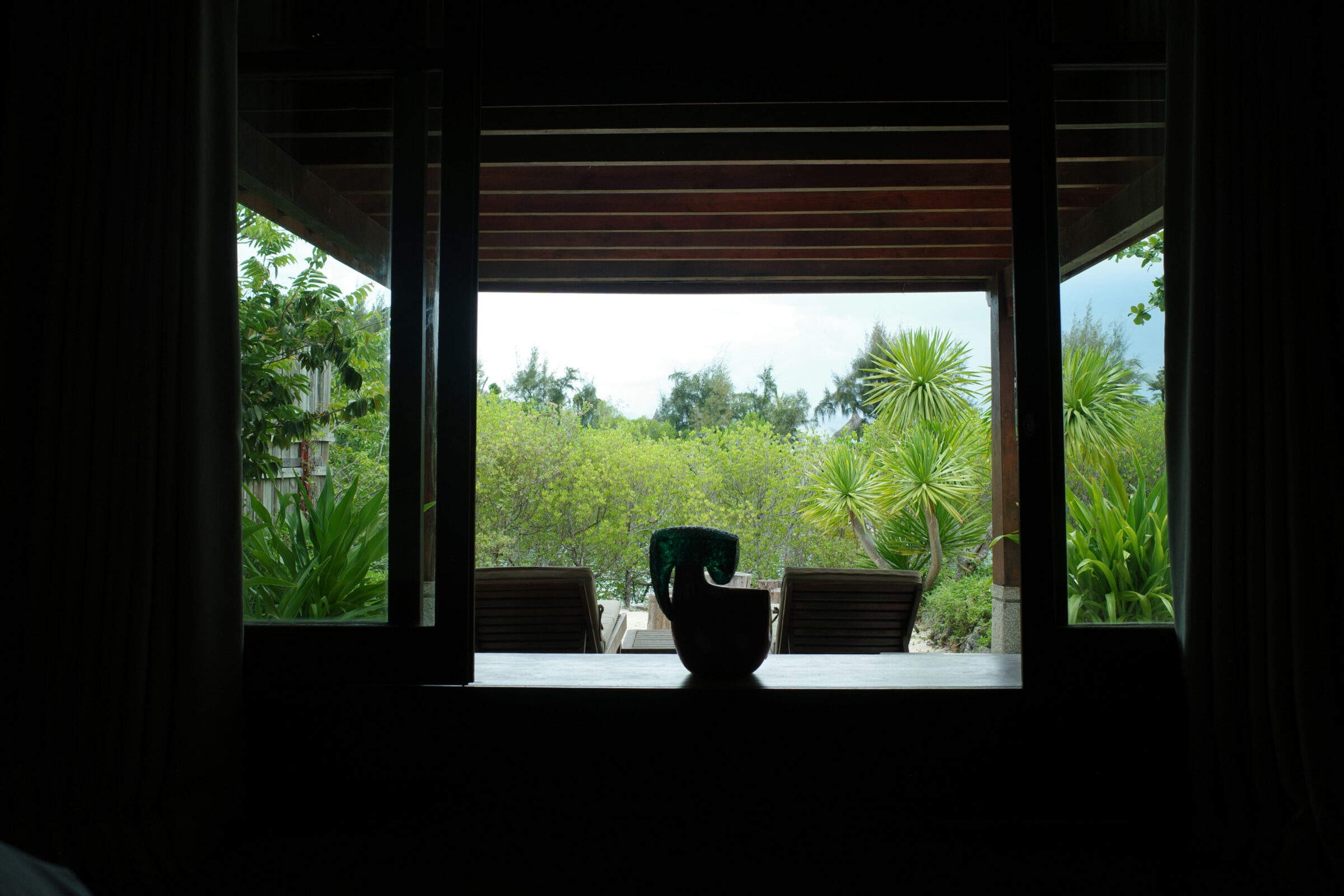
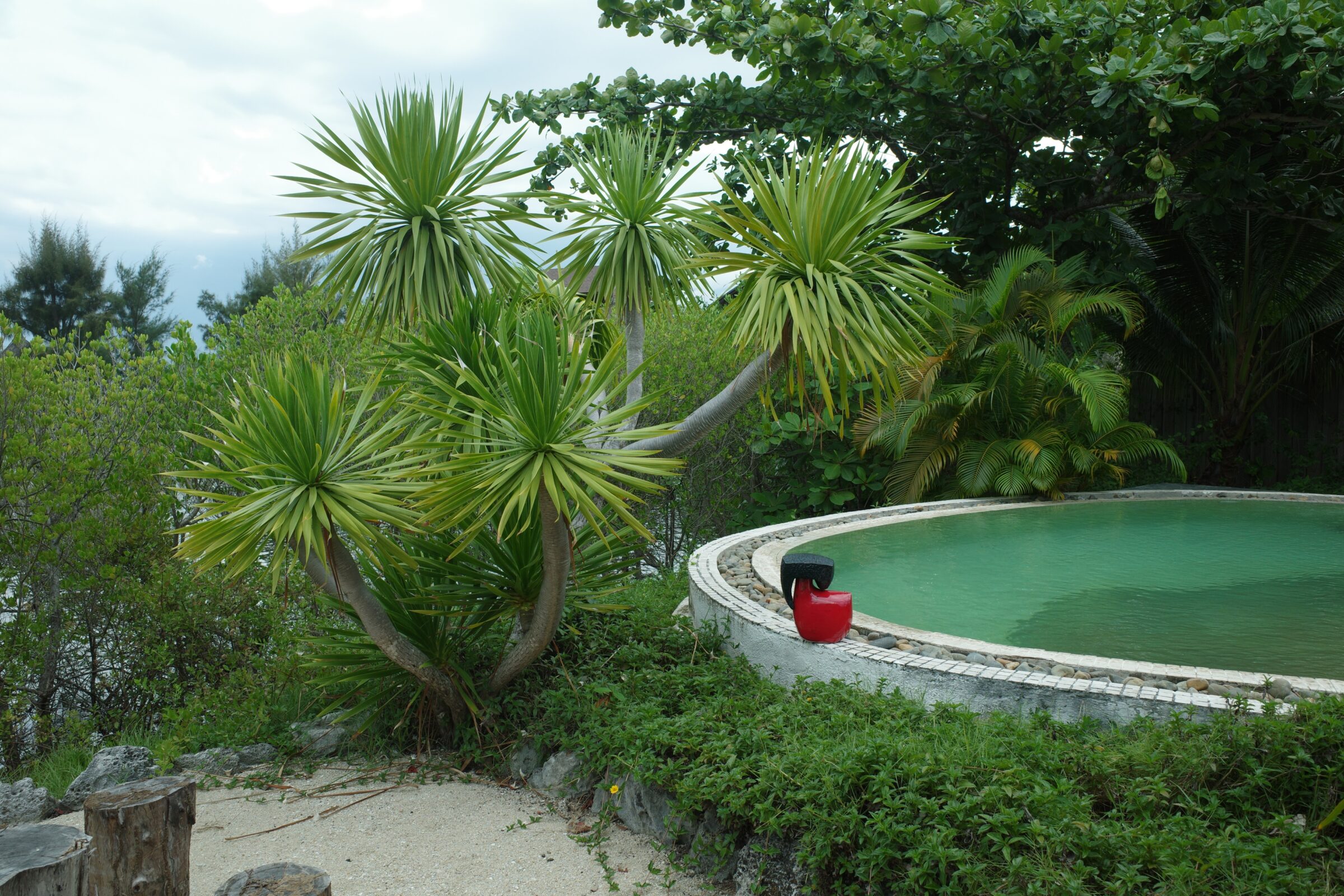
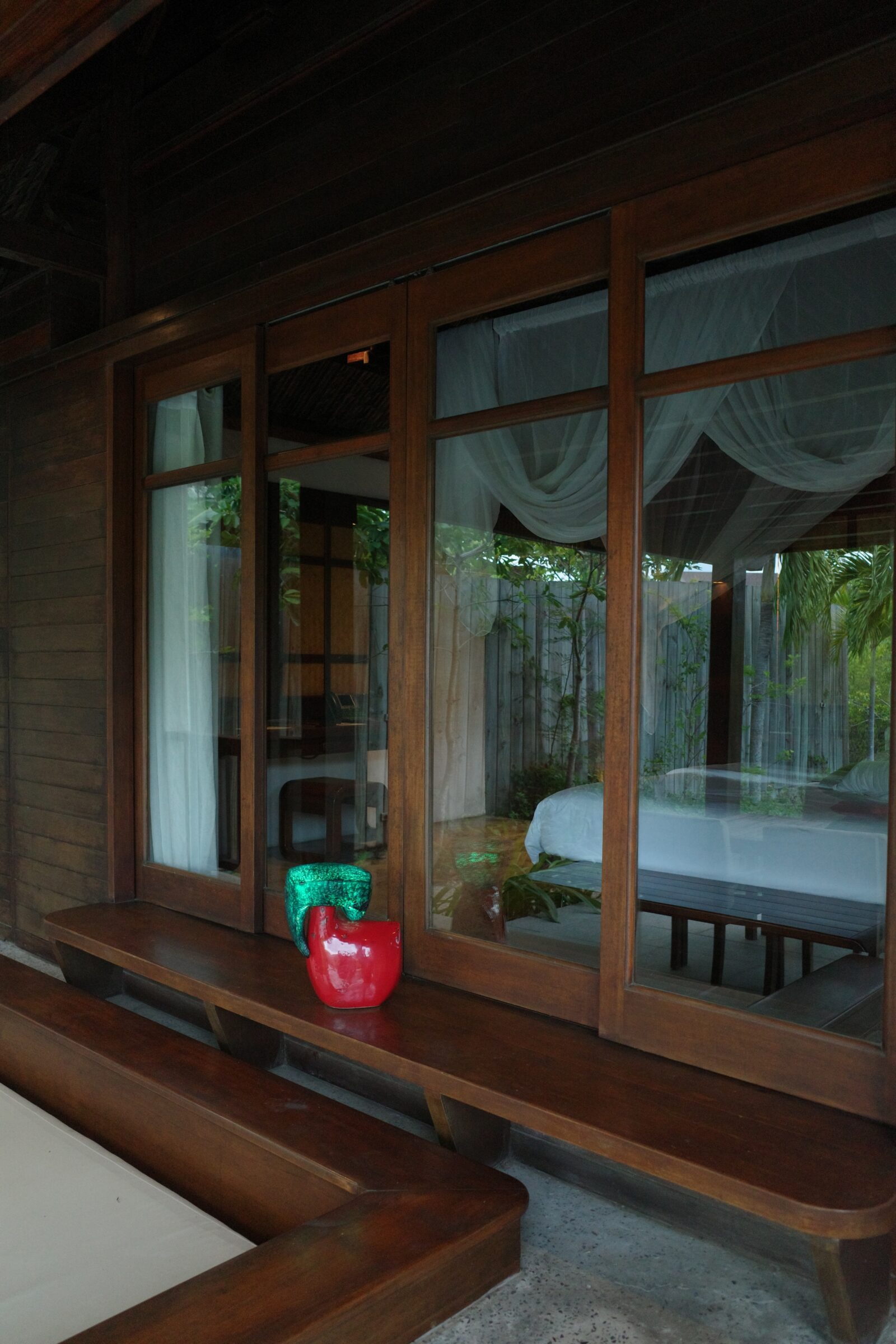
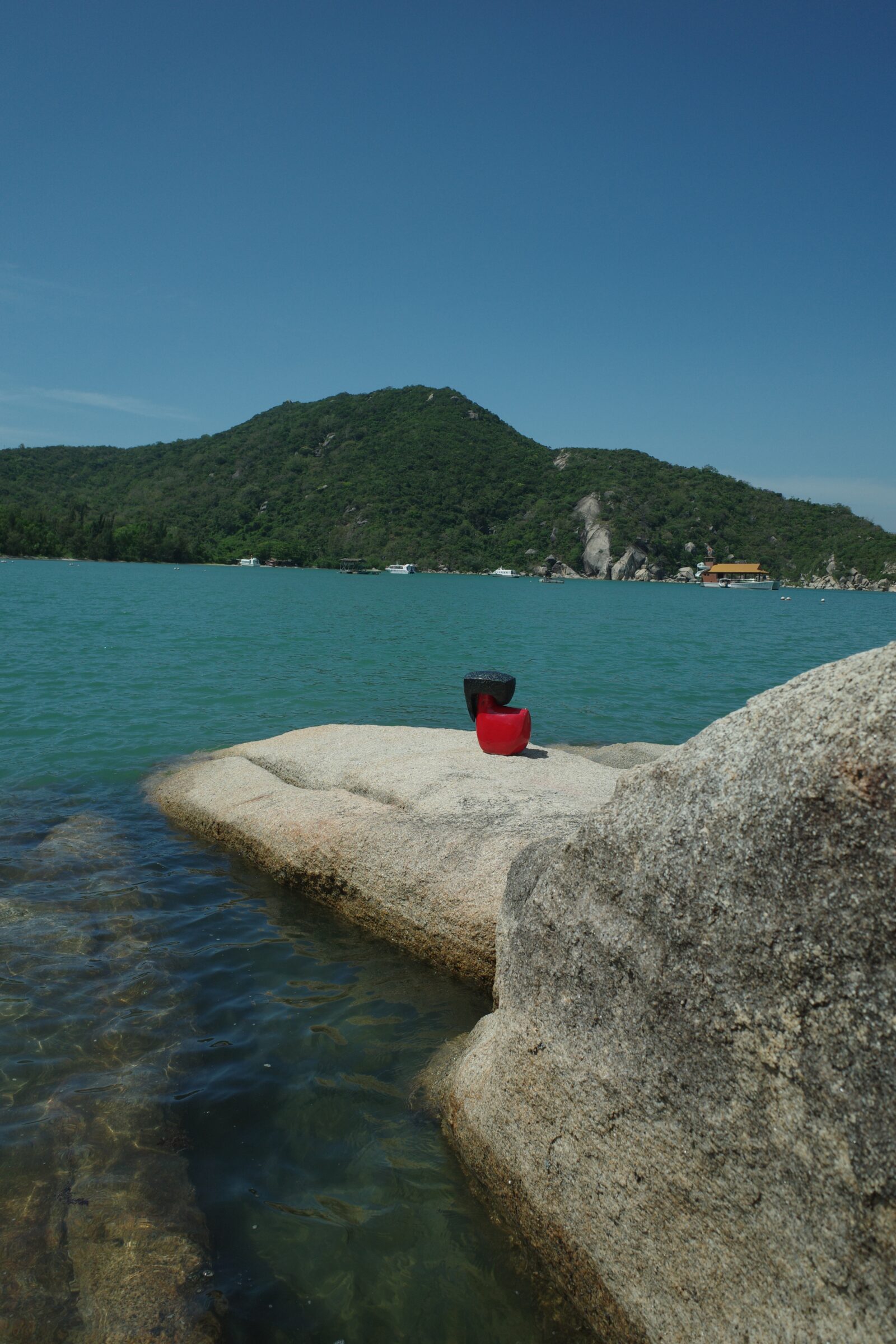
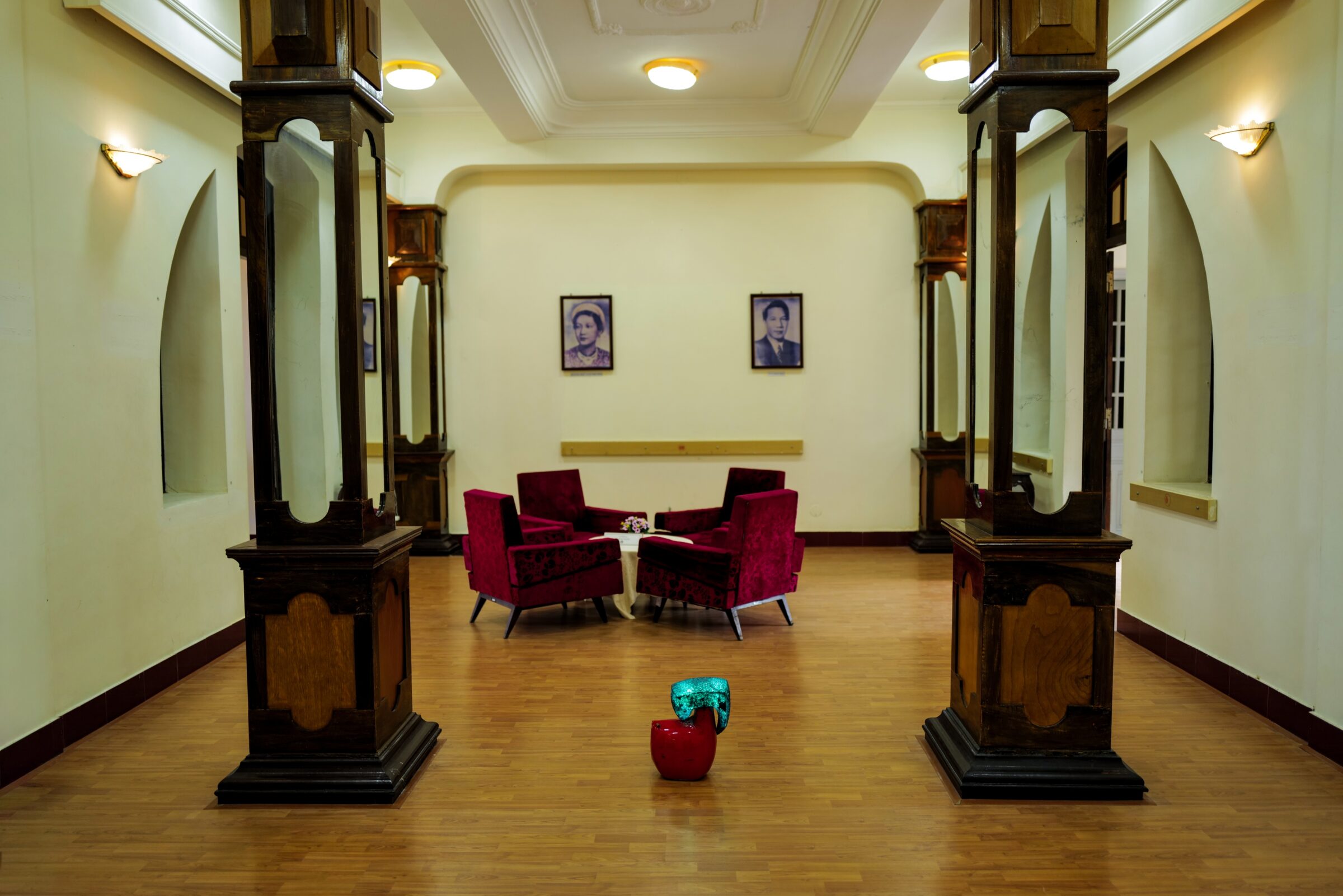
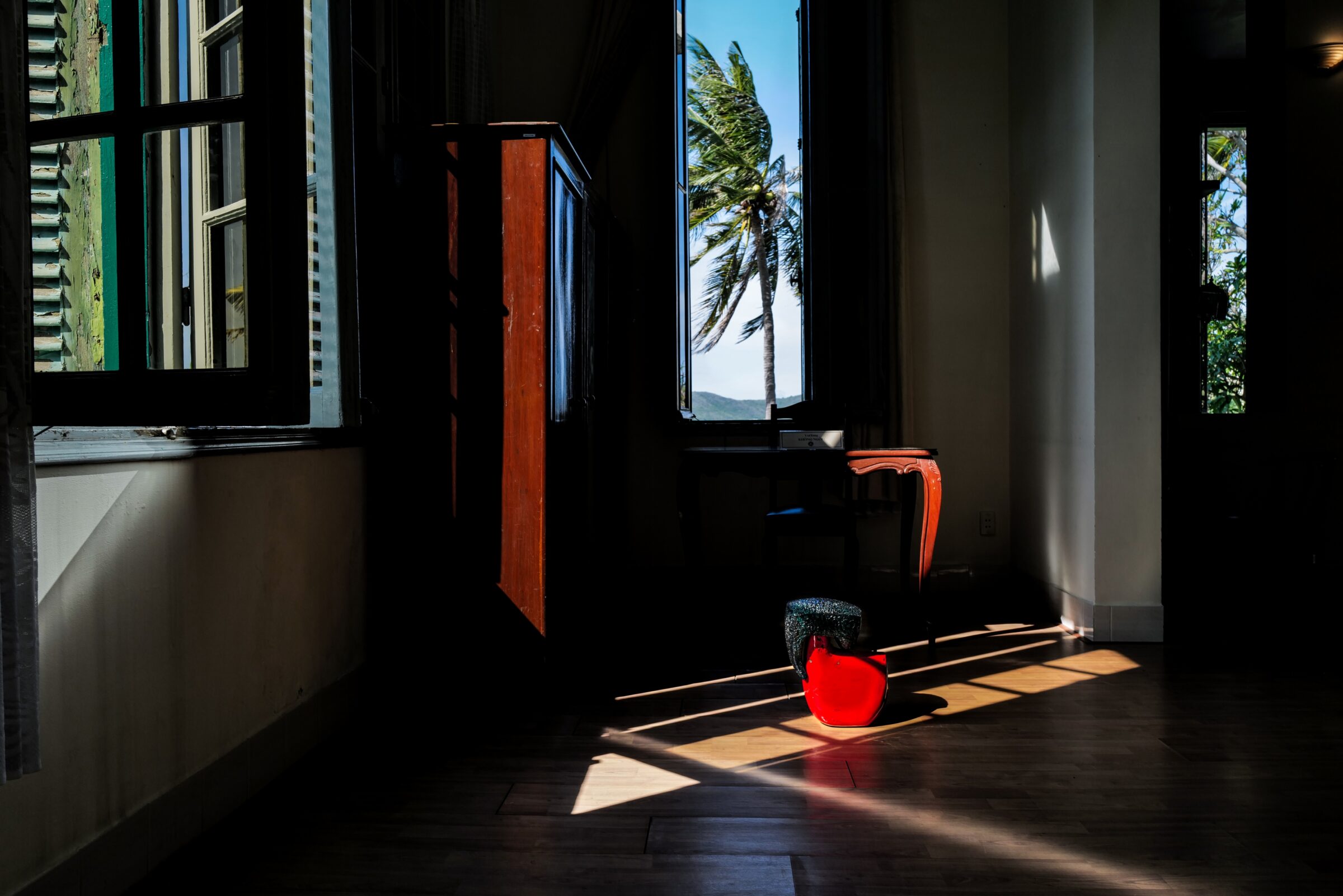
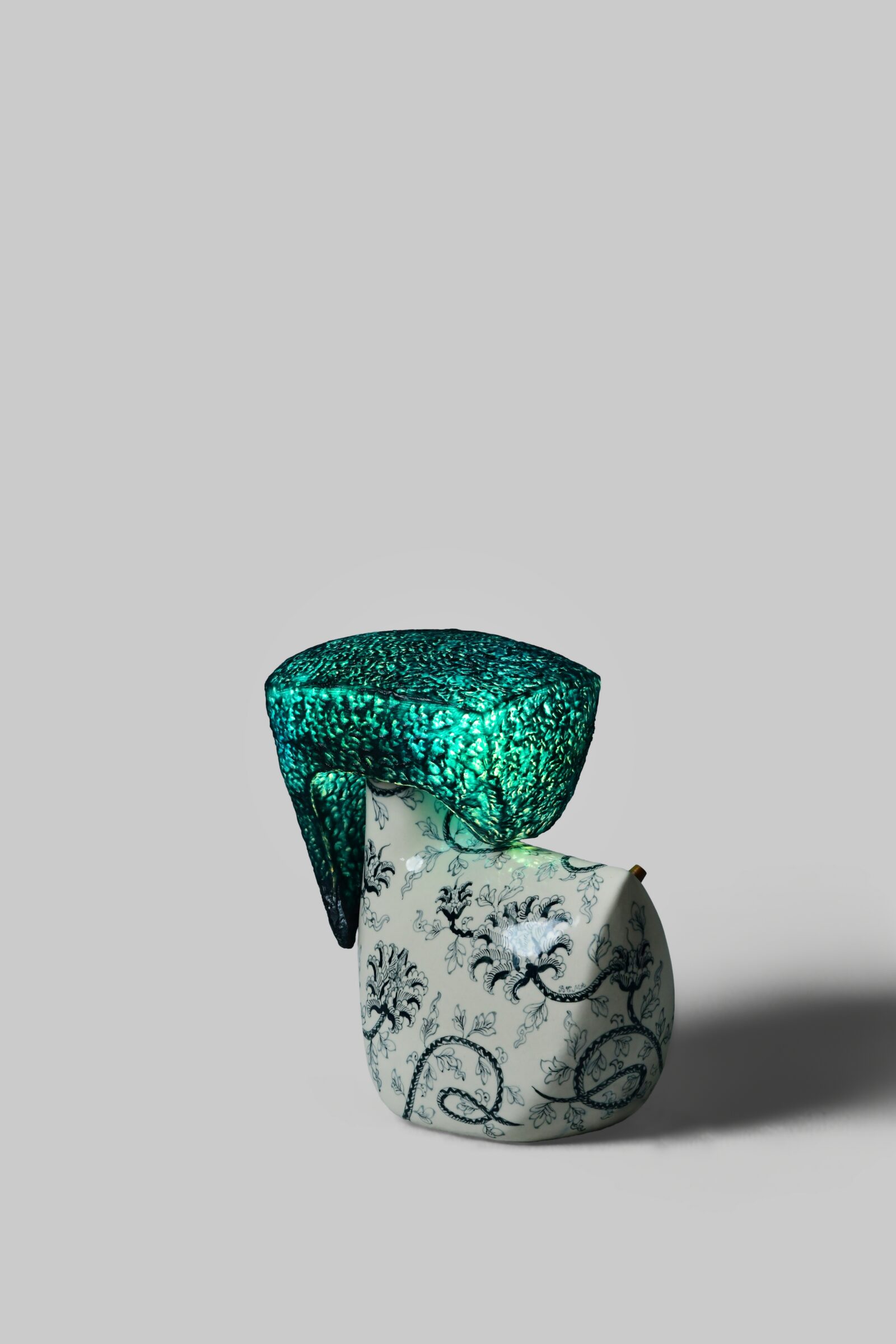
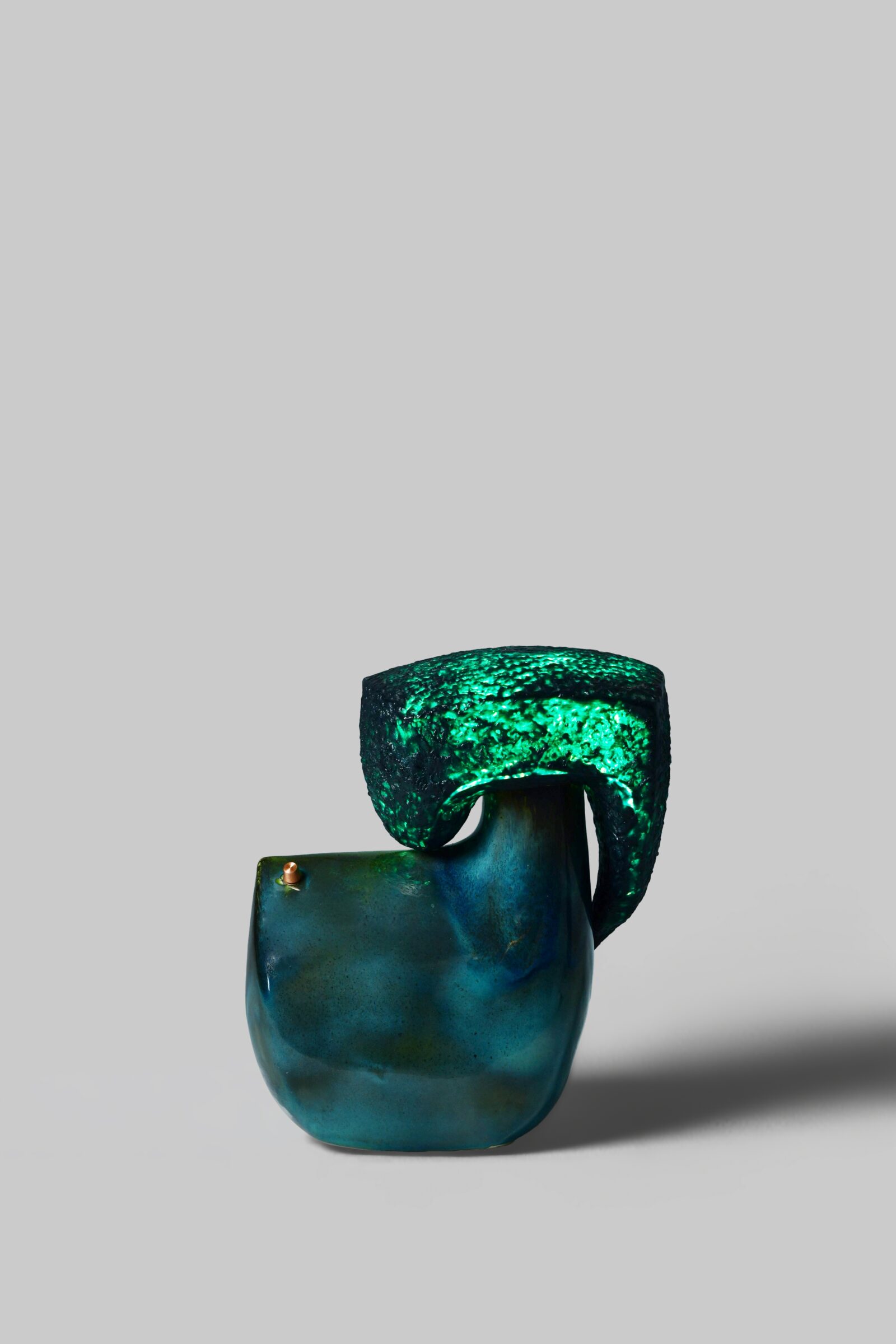
Take Con Vịt Collection, for example, a series developed with BTMA. Its form originated from a unique ceramic piece by the late People’s Artisan Vũ Thắng. As we reinterpreted it together with BTMA, I did not want it to remain simply a decorative object. I wanted it to become something that could shape space.
We therefore experimented with scaling it up to the largest size the kiln could accommodate. At that scale, every slight variation in clay, glaze, fire, or shrinkage became much more apparent. Those unpredictable changes ultimately gave the work its own life, rather than leaving it as nothing more than an enlarged version of the original design.
What did working with ceramics reveal to you about design?
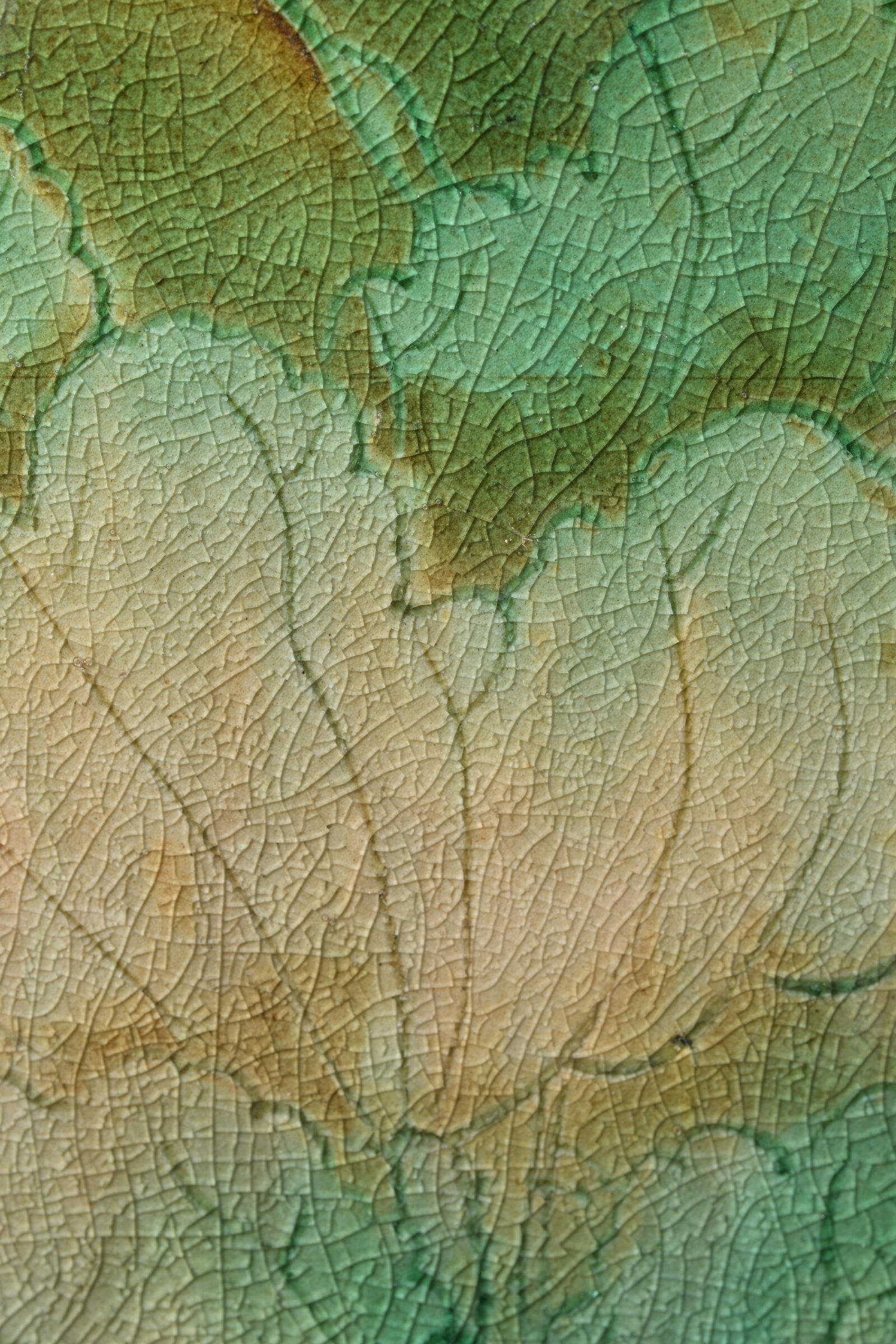
I think it taught me to see variation and tolerance as something entirely natural. In a ceramic workshop, no one expects every piece to be identical. Every firing brings subtle differences. The unexpected effects created by fire and shrinkage become opportunities for new knowledge to emerge. Instead of trying to control every outcome, architecture can also allow materials to change in response to their environment and the passage of time.
Another lesson came from thinking in reverse. To create a ceramic object, the potter begins with the negative space of the mould. Rather than making the final form itself, they create the conditions that allow that form to emerge. That made me realize that the role of a designer is not to determine every form, but to create the conditions for materials to find their own.
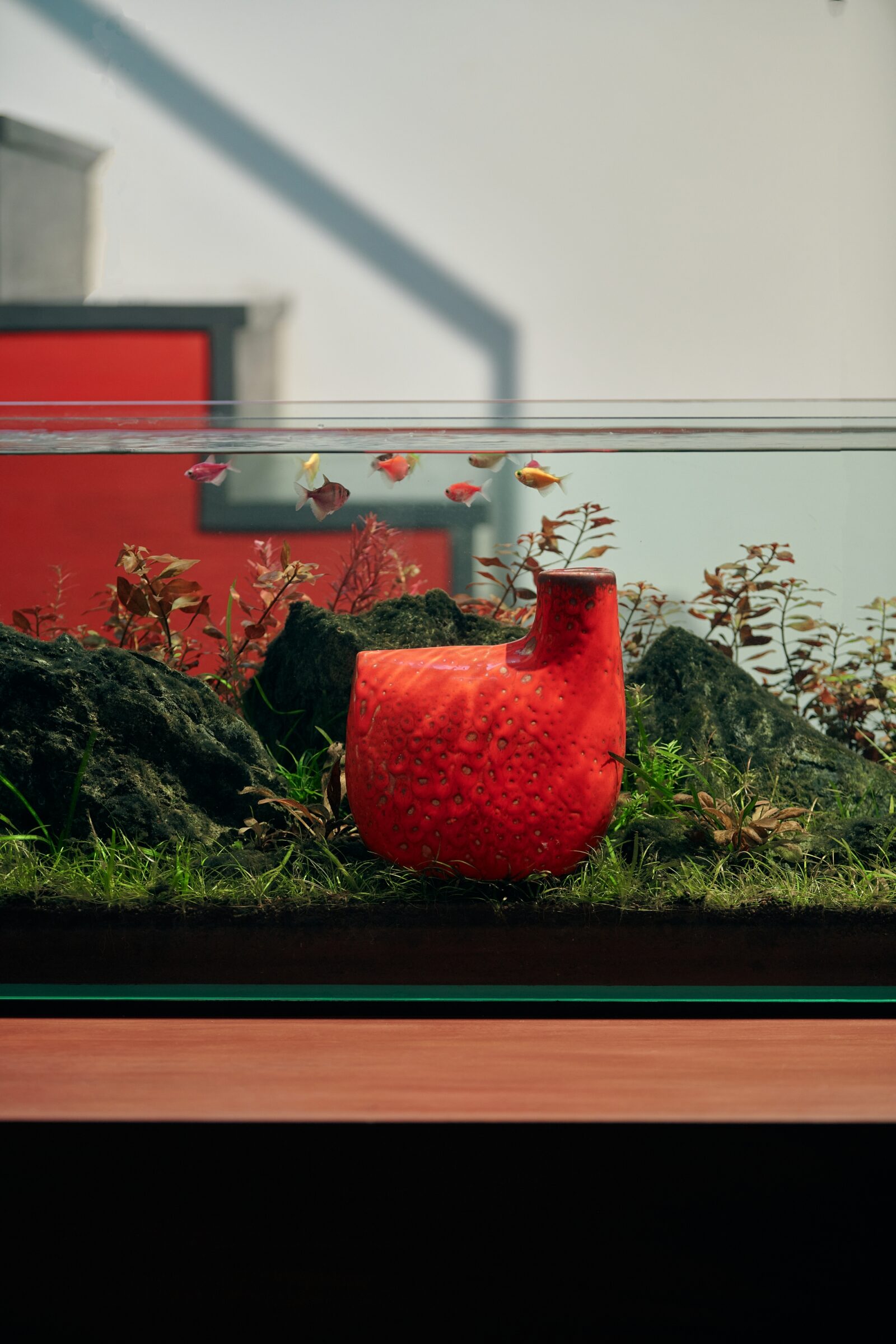
It seems that you are always looking beyond the original brief, as in the way you transformed a ceramic vessel by the late People’s Artisan Vũ Thắng into a series of spatial objects.
If I only responded to the immediate needs of a client, I think the work would become much less meaningful. I am always looking for deeper metaphors.
When I look at the spontaneous ceramic works of the late People’s Artisan Vũ Thắng, I am drawn to the mystery of their glazes. That led me to a simple idea: the heritage left by previous generations already exists as something fixed, while younger generations are like light—formless and without a fixed shape. When that light meets the past, it changes itself and settles into new forms. We cannot ask the past to change for us. Heritage already belongs to history. The role of today’s designers is to transform themselves, to adapt, and to open new dialogues with the past.
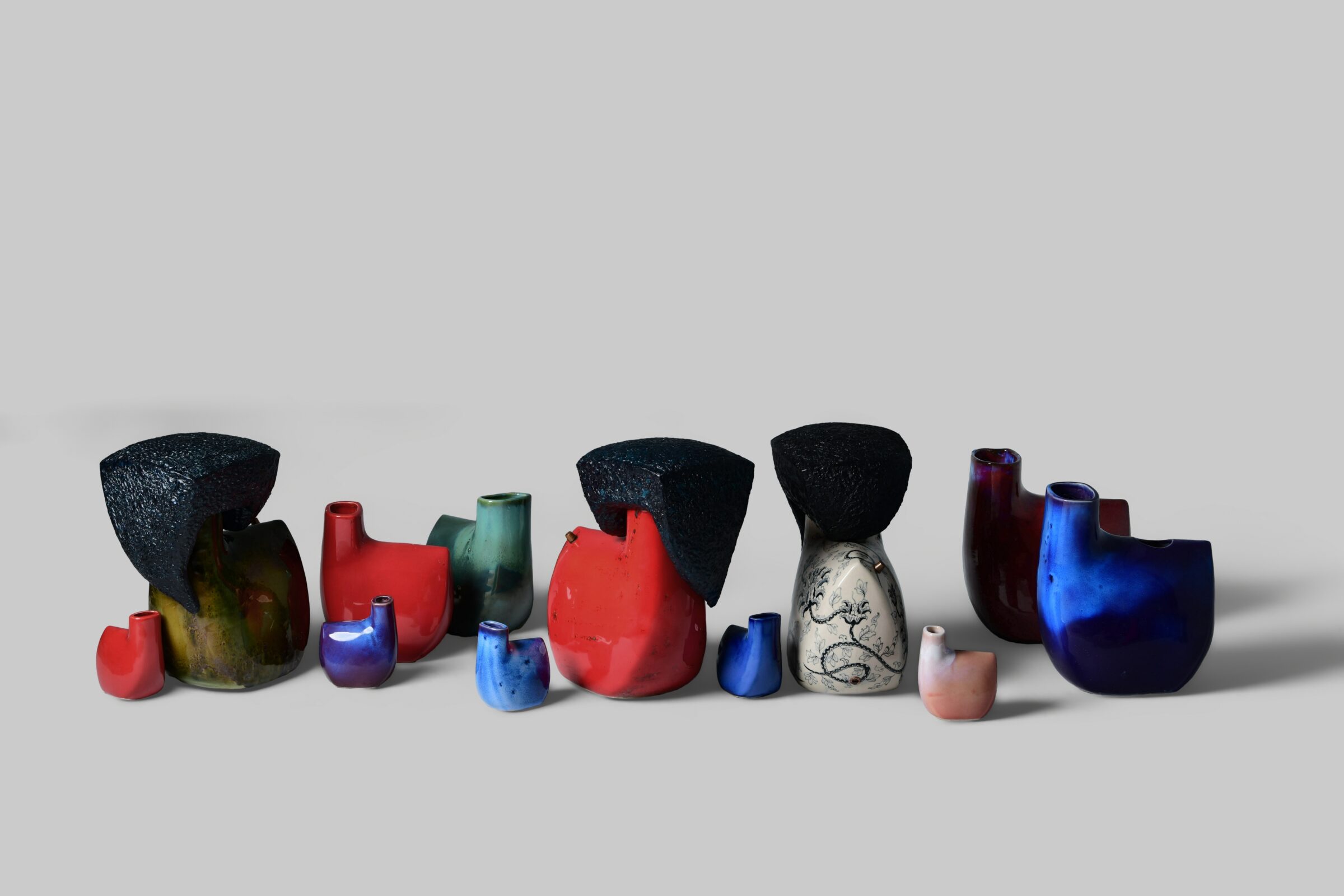
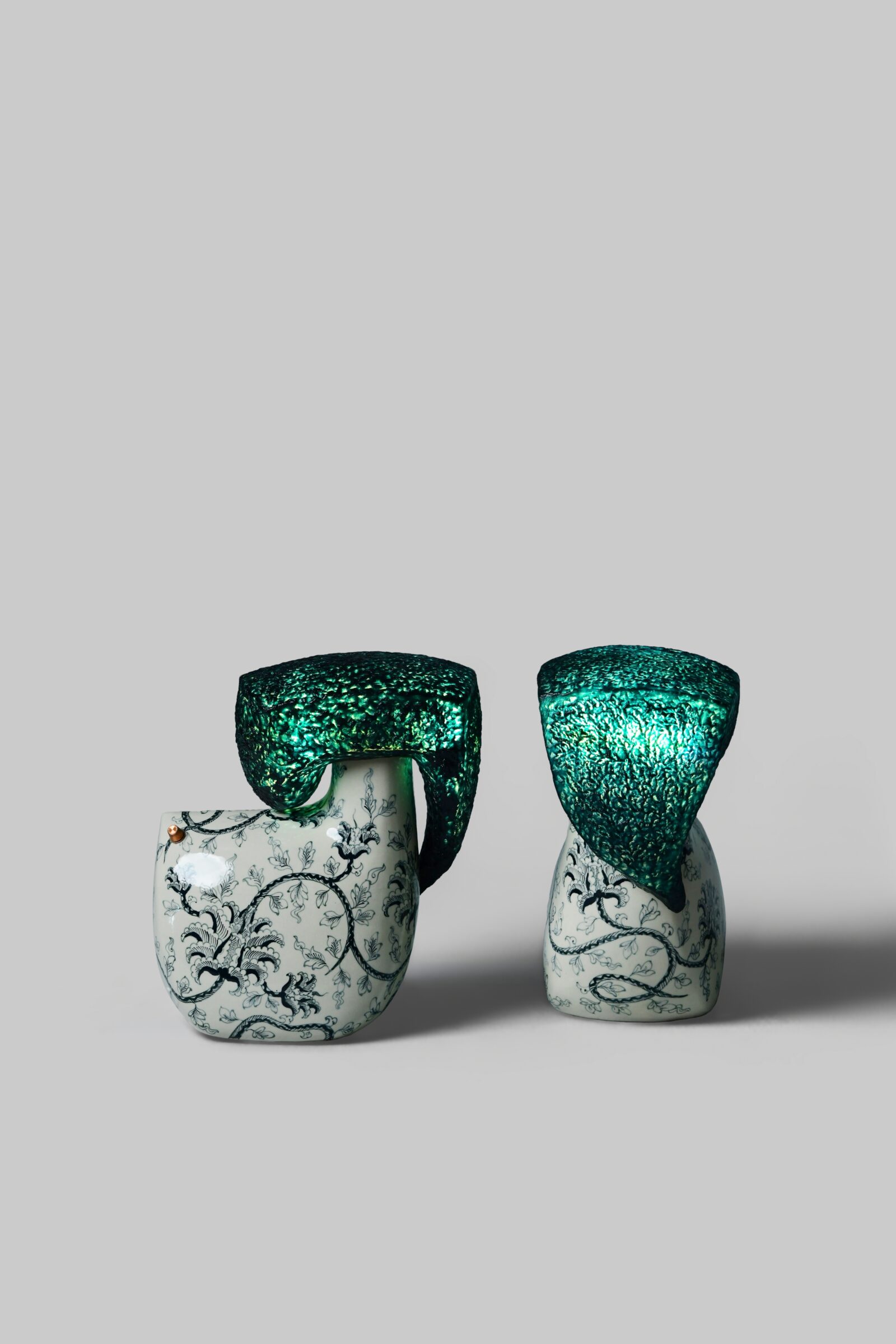
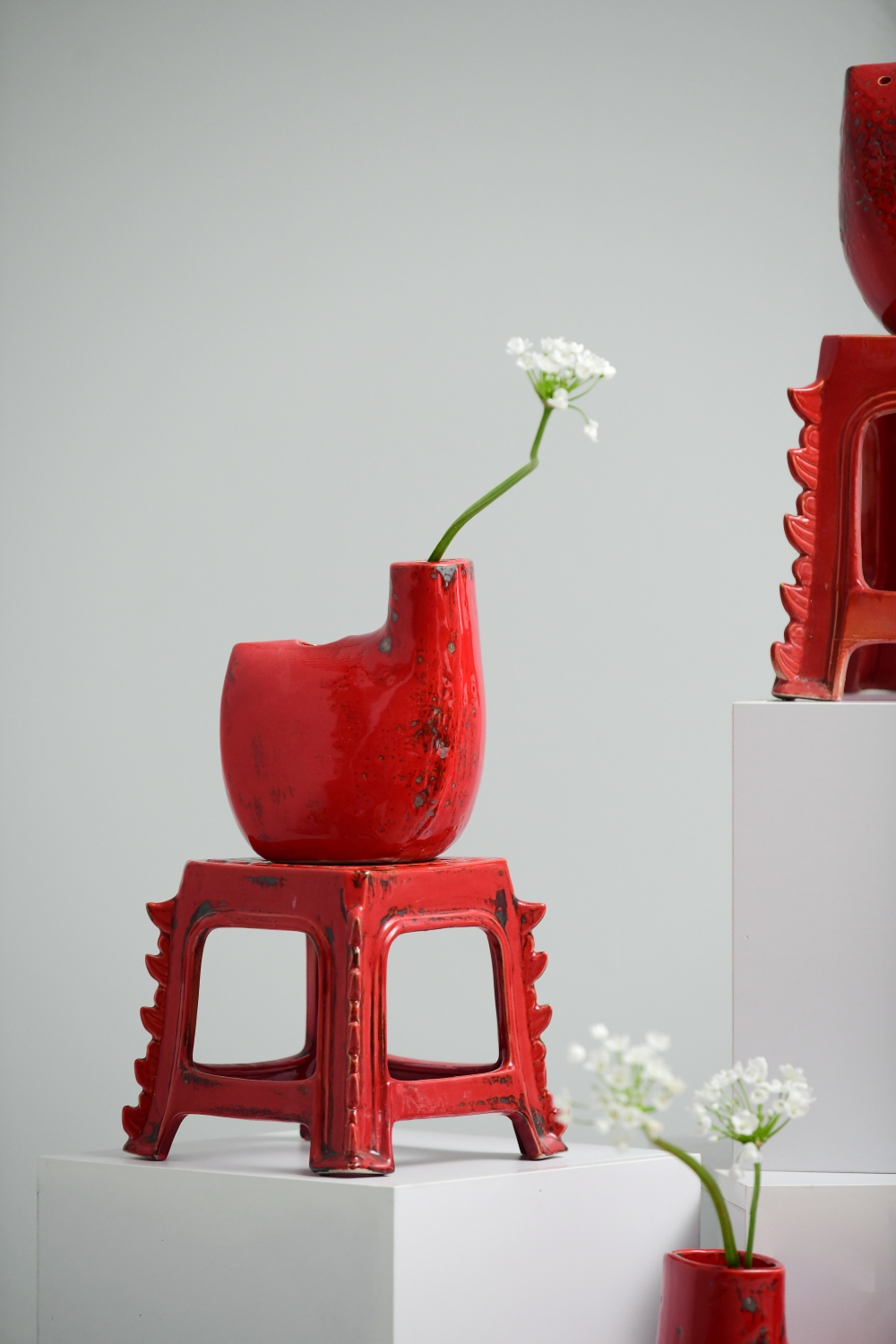
Light is often used with great restraint in your architecture, recalling the spirit of Jun’ichirō Tanizaki’s essay In Praise of Shadows. Is there a particular principle that guides your approach?
Artificial light exists to be used at night. Yet today we often use it as a way of extending daylight, perhaps because we have become increasingly uncomfortable with darkness. Night has its own qualities—it is deep, quiet, and still. Artificial light should not erase those qualities. Instead, it should reveal them, appearing only where it is needed so that both our eyes and our minds can rest.
I often think of a story about Rabindranath Tagore. One evening, he was reading by the light of an oil lamp while sitting on a boat. Only after he blew out the lamp before going to sleep did he realize that the moonlight had already filled the entire landscape. Sometimes, artificial light simply prevents us from noticing a beauty that has always been there.
I think architecture works in much the same way. Light is not there to replace darkness, but to help us experience it more deeply. To understand whether something truly holds value, we have to look across a long enough span of history to see its underlying principles. What remains after those cycles is what ultimately endures.


Your work constantly moves between architecture, design, and material research. Within that rhythm, how do you find time to rest?
For me, all of this is a form of play.
I feel fortunate to approach my work with the curiosity of a child—always eager to experiment and to understand, without confining myself to predetermined boundaries. When you work out of genuine enjoyment, and truly believe in what you are making, perseverance comes quite naturally.
Thank you for the conversation.
Hanoi, July 2026
An exclusive interview for Bát Tràng Museum Journal