The First Bát Tràng Museum by national artist vũ thắng
Menu
The First Bát Tràng Museum by
national artist vũ thắng
Menu

HÀ NỘI, HÀ NỘI

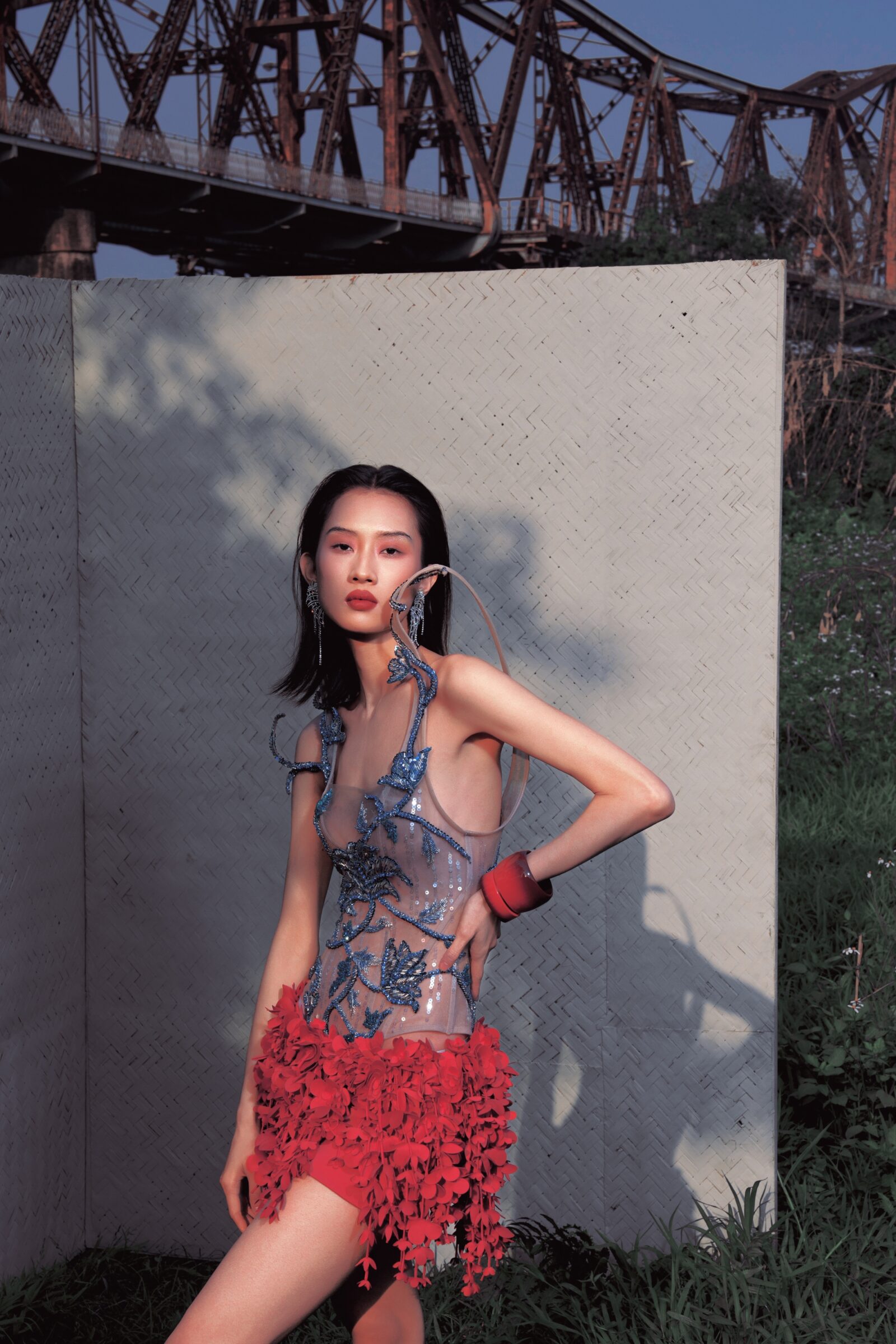
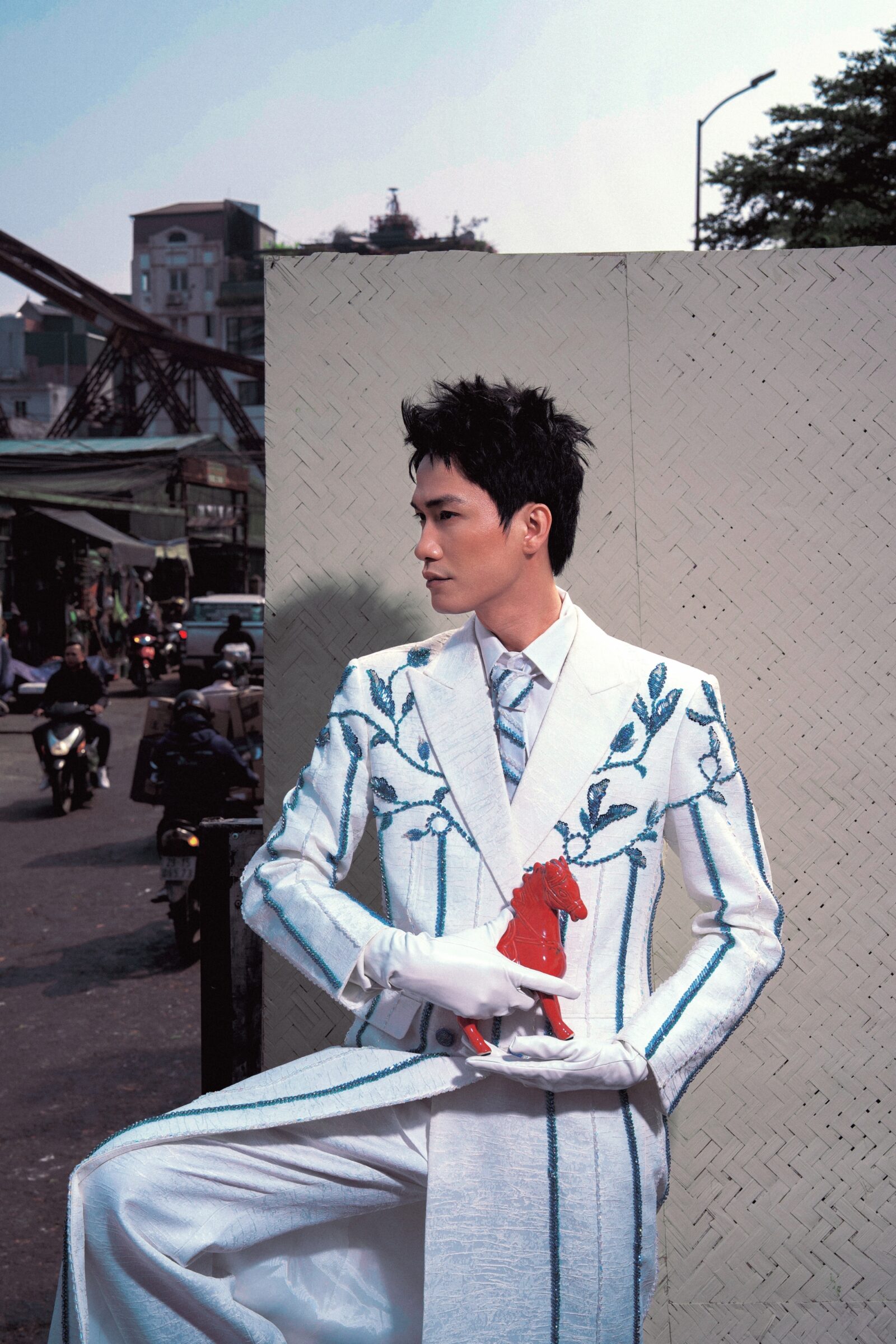
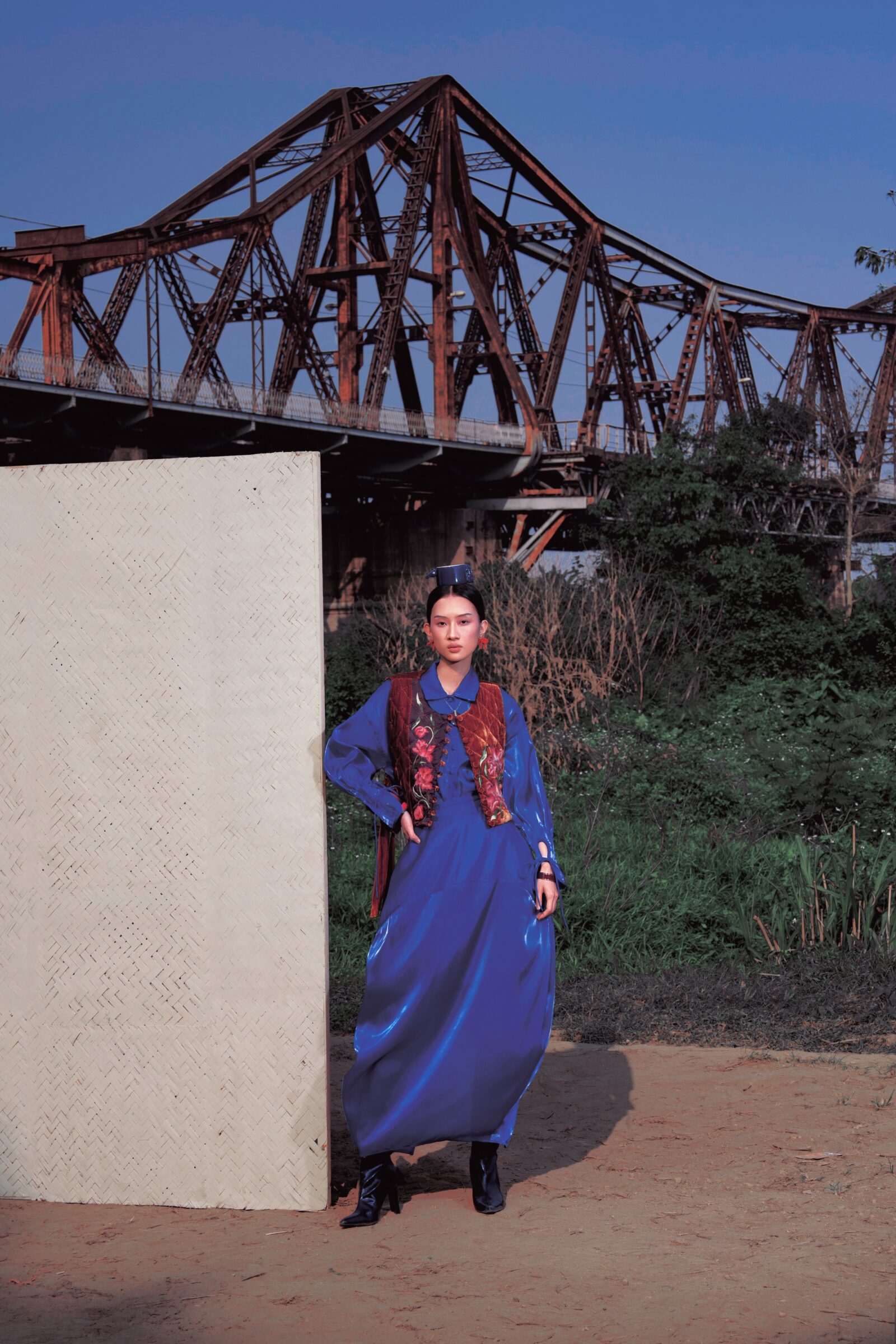
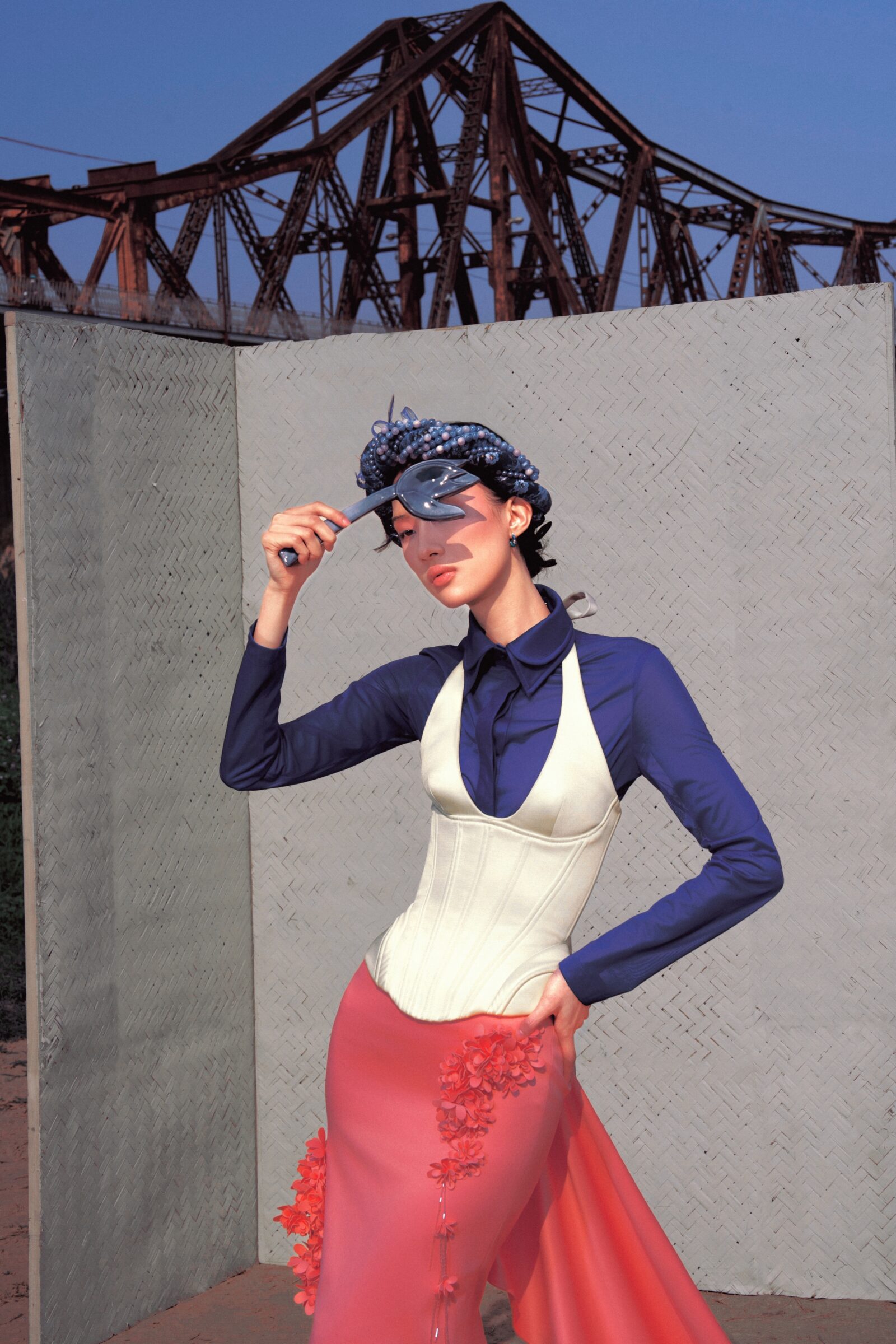
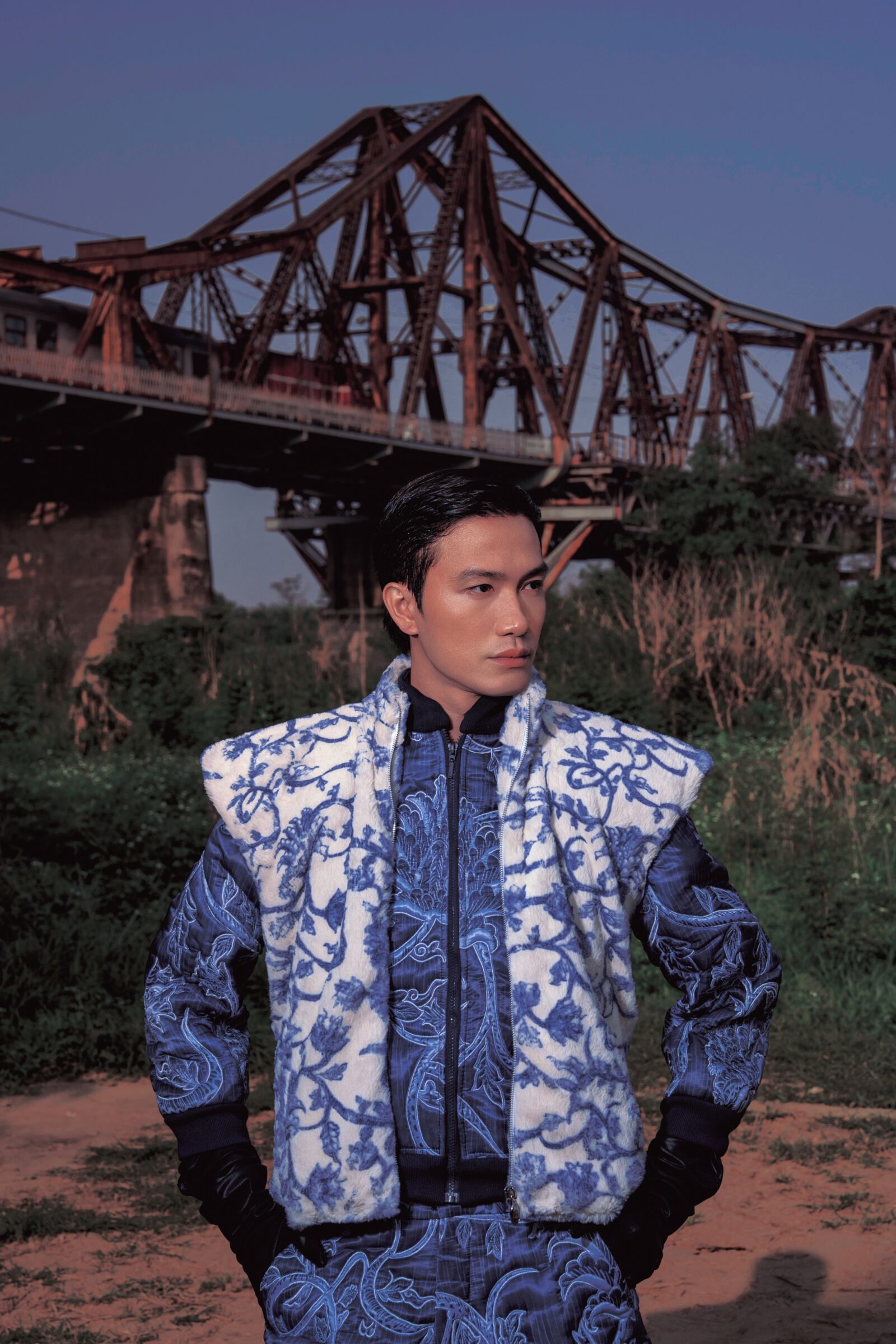
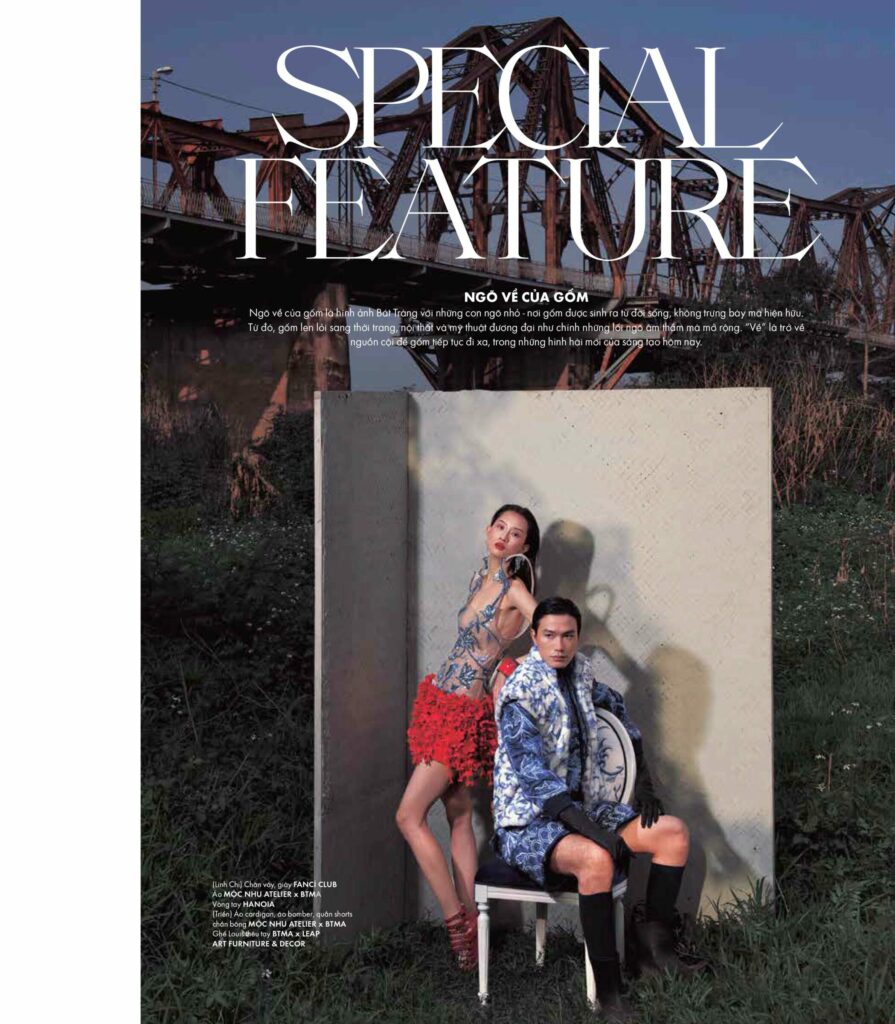
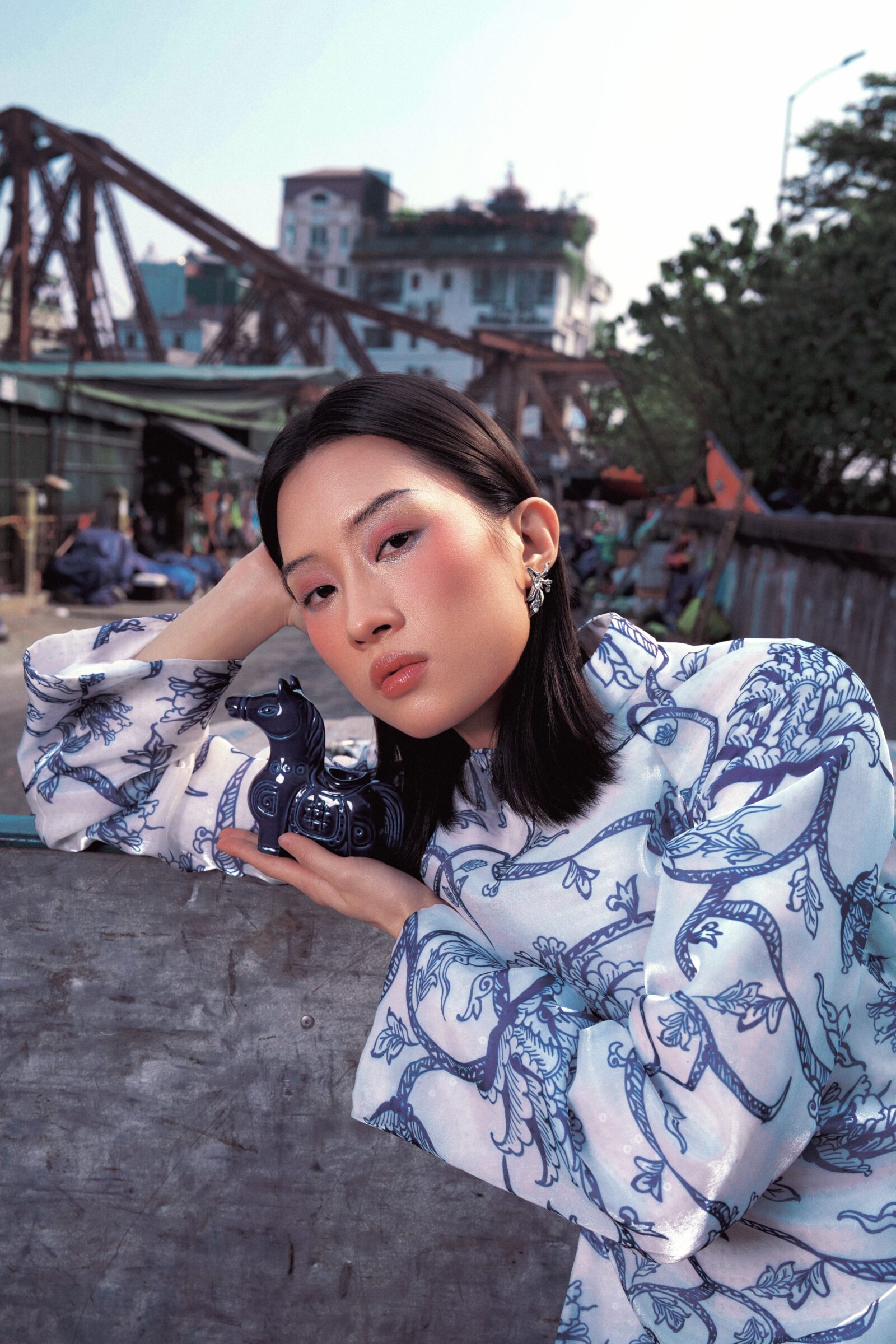
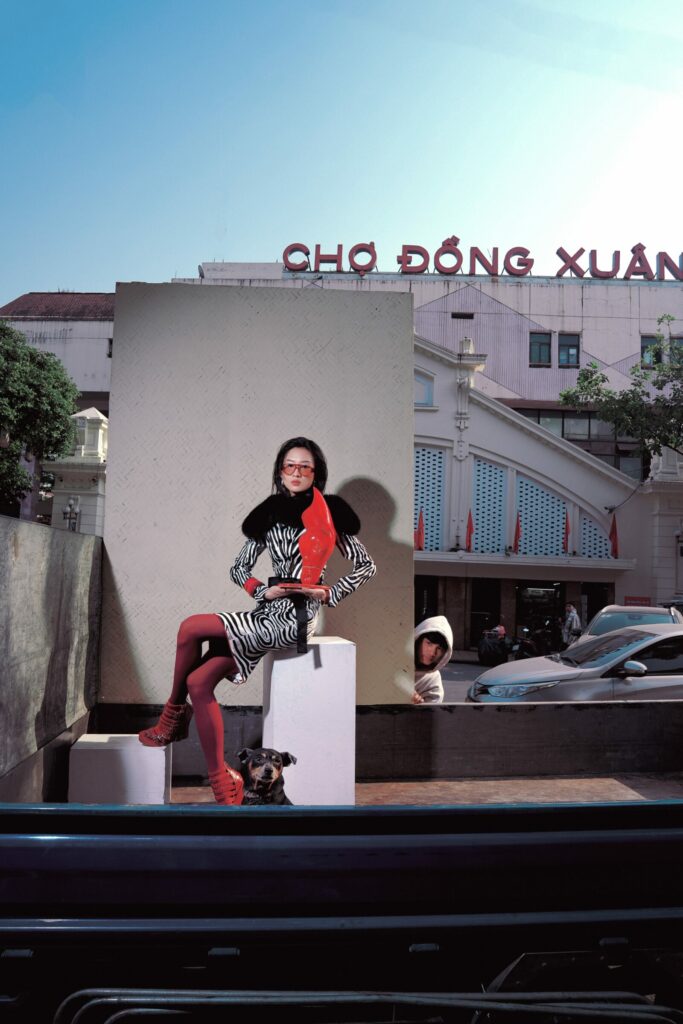
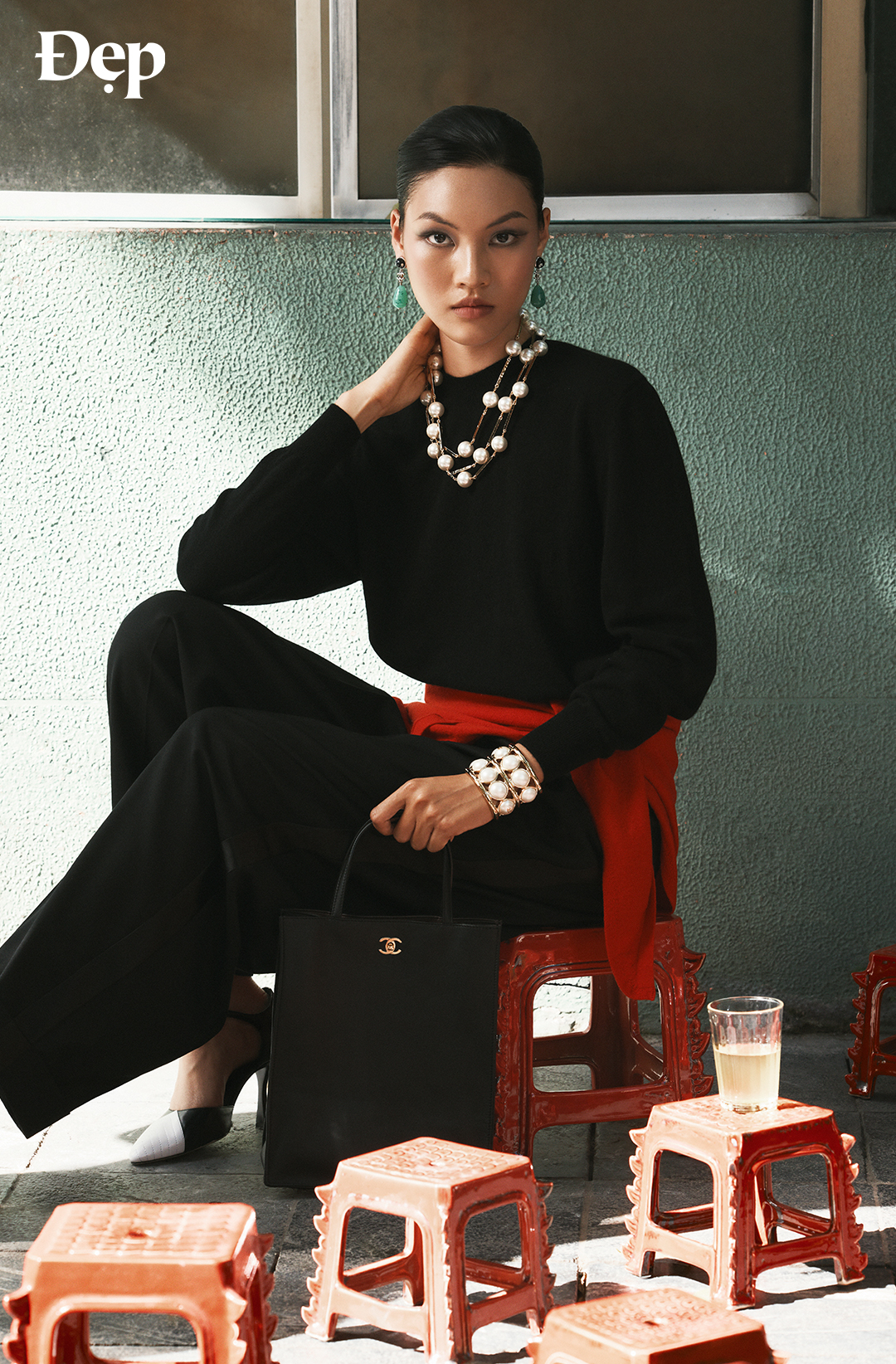
In the February 2026 issue of ELLE Vietnam, works from Bát Tràng Museum Atelier (BTMA) appear in the fashion editorial HÀ NỘI, HÀ NỘI, part of the feature “The Way Back to Ceramics.”

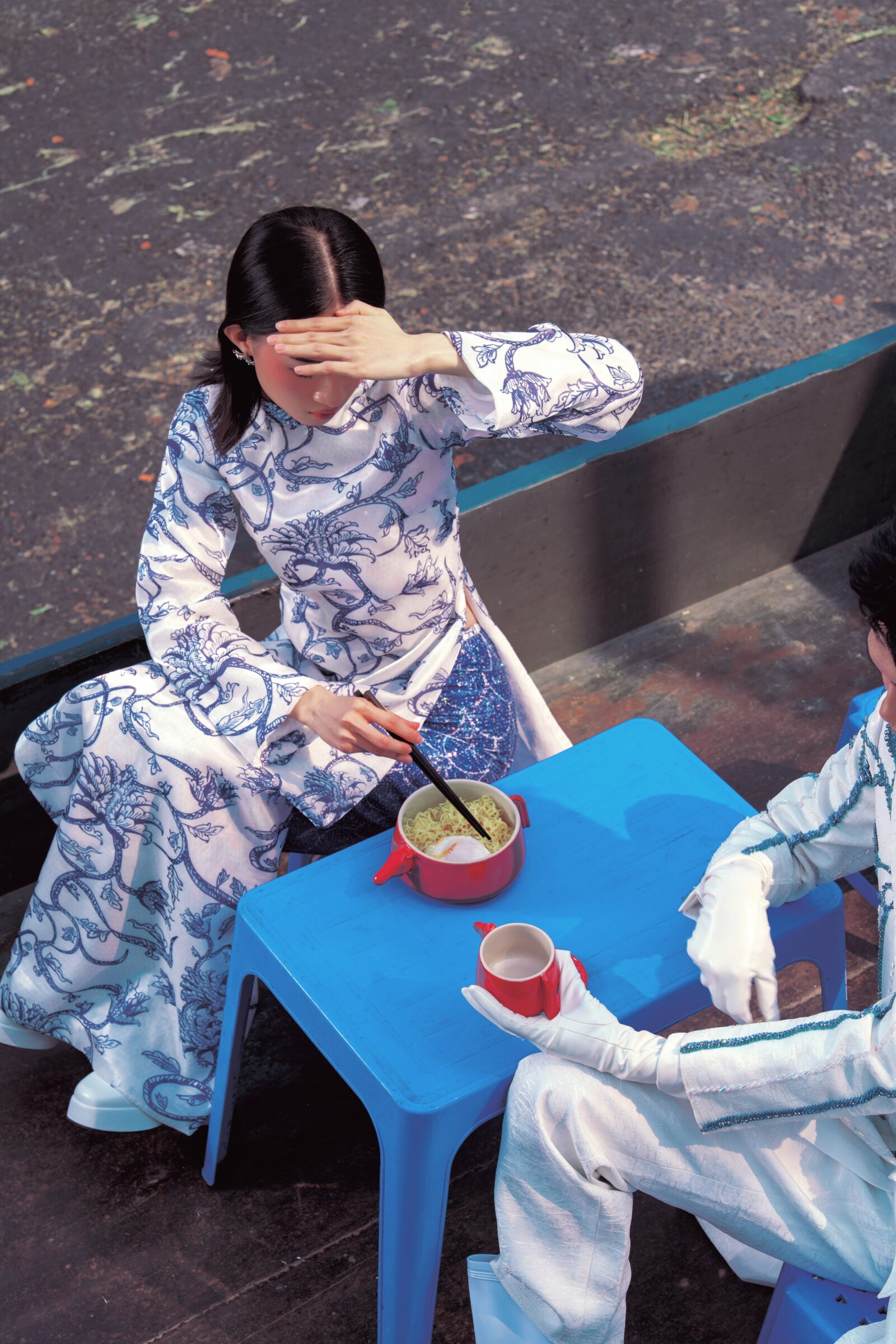
Photographed by Thai Pham and featuring models Linh Chi and Triển, the series traces Hanoi’s emblematic sites, where ceramics move beyond static display to inhabit contemporary life.
*

Biên tập cho Bát Tràng Museum Journal — Hà Tuấn Minh
Nhiếp ảnh — Thai Pham
Ý tưởng, Mỹ thuật & Sản xuất — Hellos.

Styling — Dien70s
Trang điểm — Sam Sam
Làm tóc — Milo Mai Loan
Người mẫu — Linh Chi (Nest Model MGMT), Triển
Dựng bối cảnh — Quân Tít Design
Quản lý địa điểm — Tiến Dương, Át Cơ
Trợ lý — Nguyễn Tiến (Nhiếp ảnh), Linh Bê, Tuấn Anh (Styling), Hà Tuấn Minh (Sản xuất)
Trang phục — Mộc Nhu Atelier×BTMA, LEAP ART, FANCÌ CLUB
Trang sức — HANOIA
Phụ kiện đội đầu — BANGJANIM
Nội thất — LEAP ART Furniture & Decor
Video — KEVSSI
 
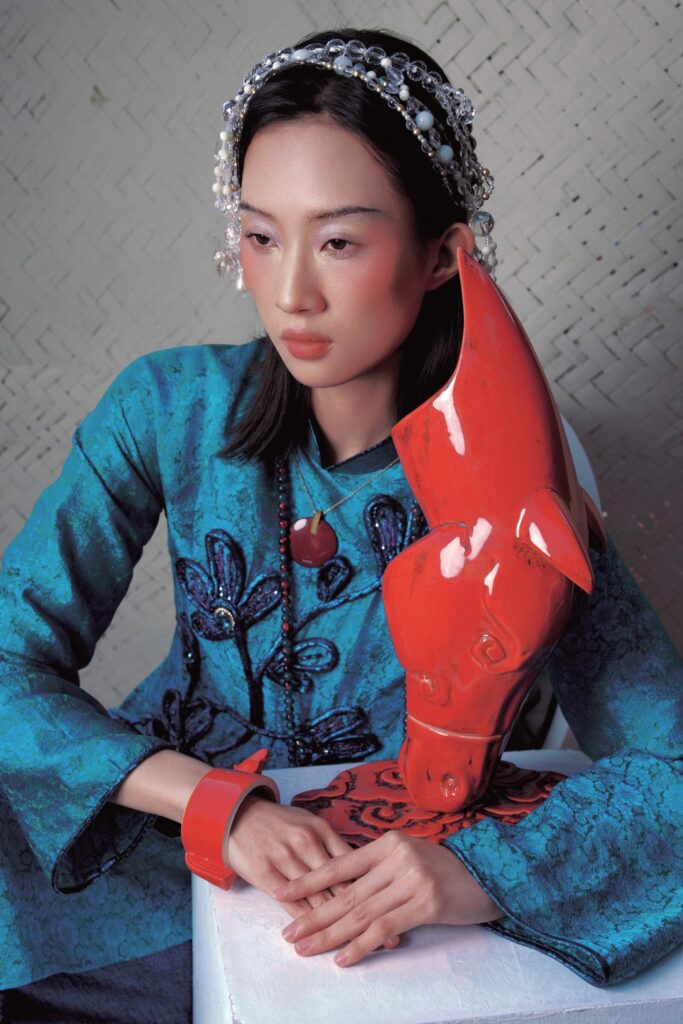
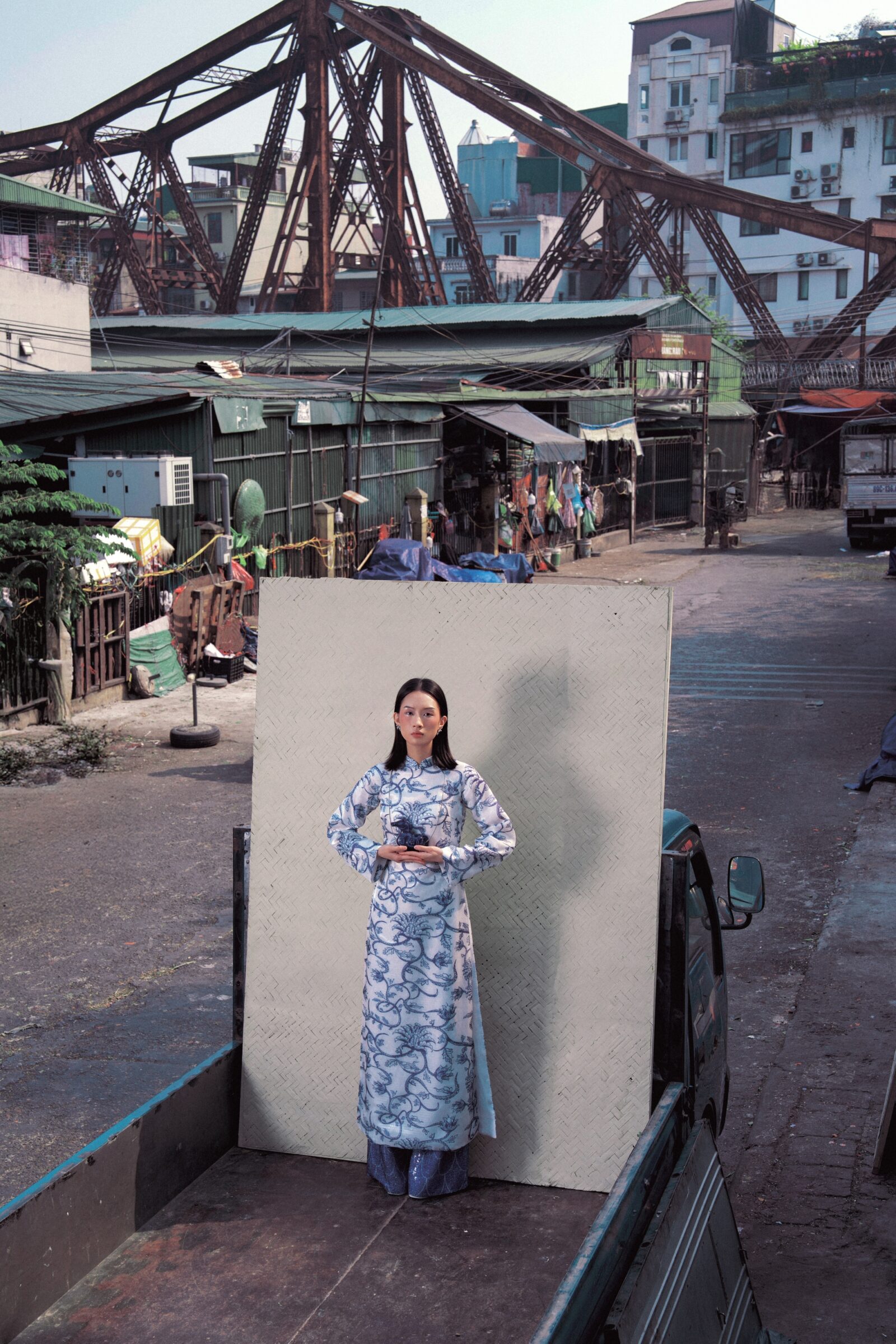
Áo dài MỘC NHU ATELIER×BTMA, Ngựa Corgi BTMA

A Dialogue Between Craft and the City

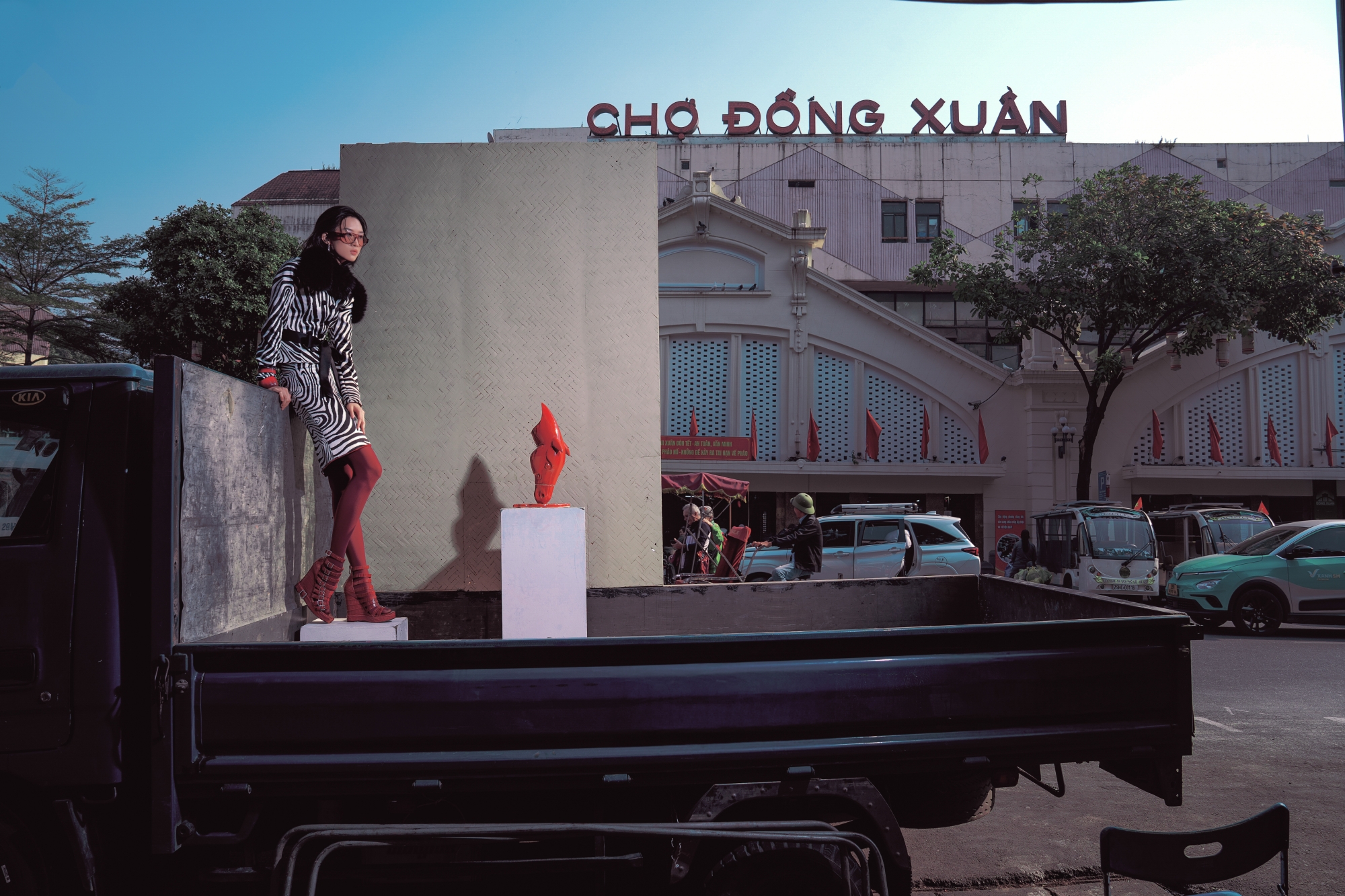
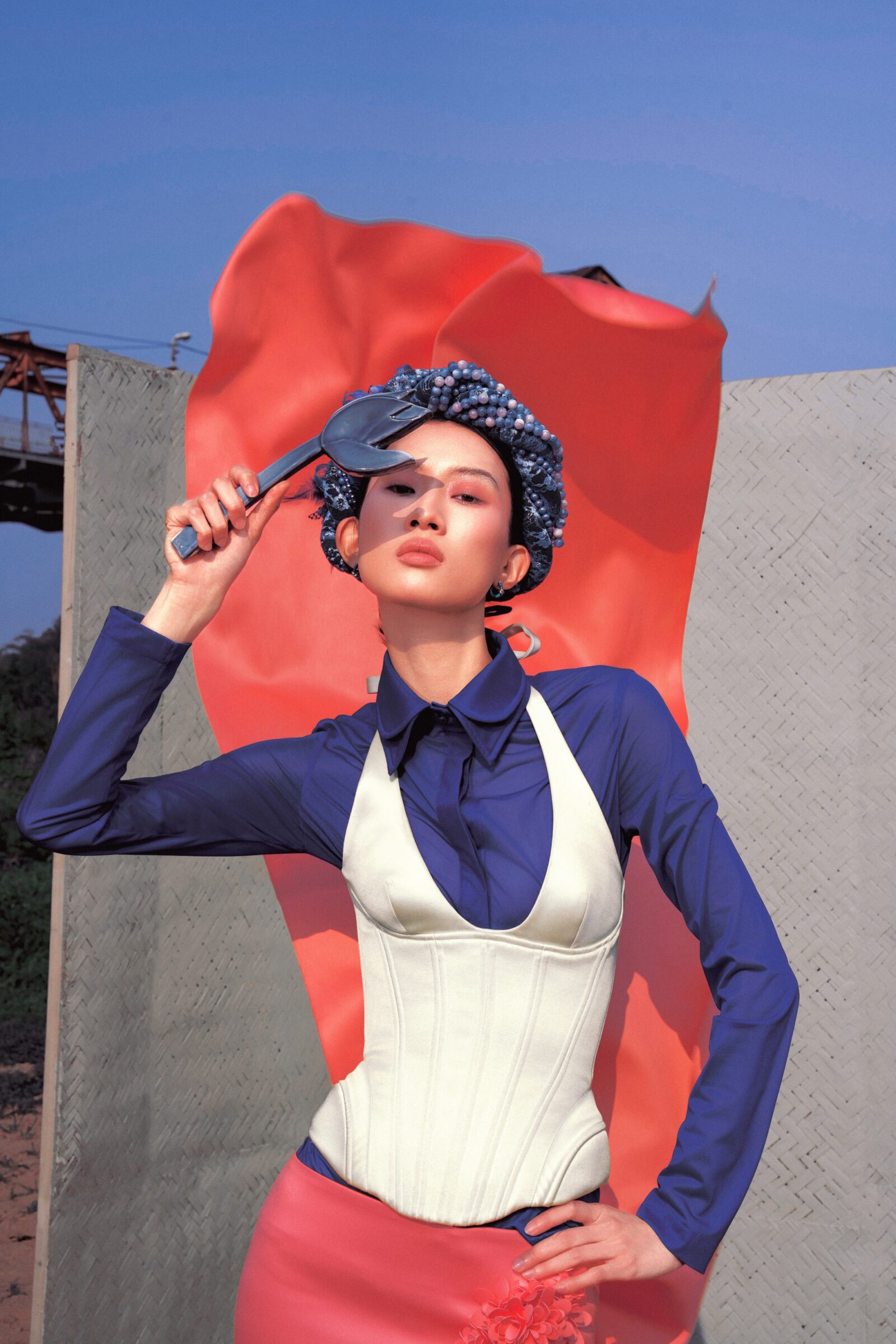
Áo jacket và chân váy vằn ngựa, kính, giày FANCÌ CLUB, Vòng tay HANOIA, Tượng ngựa Mã Niên BTMA×PHAN LNH

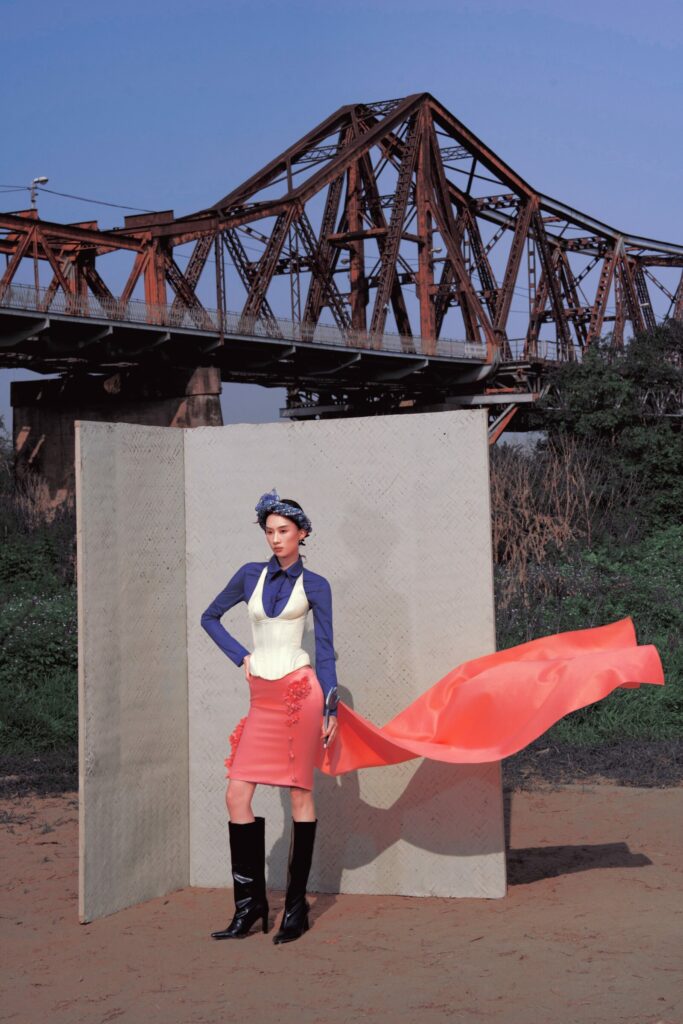
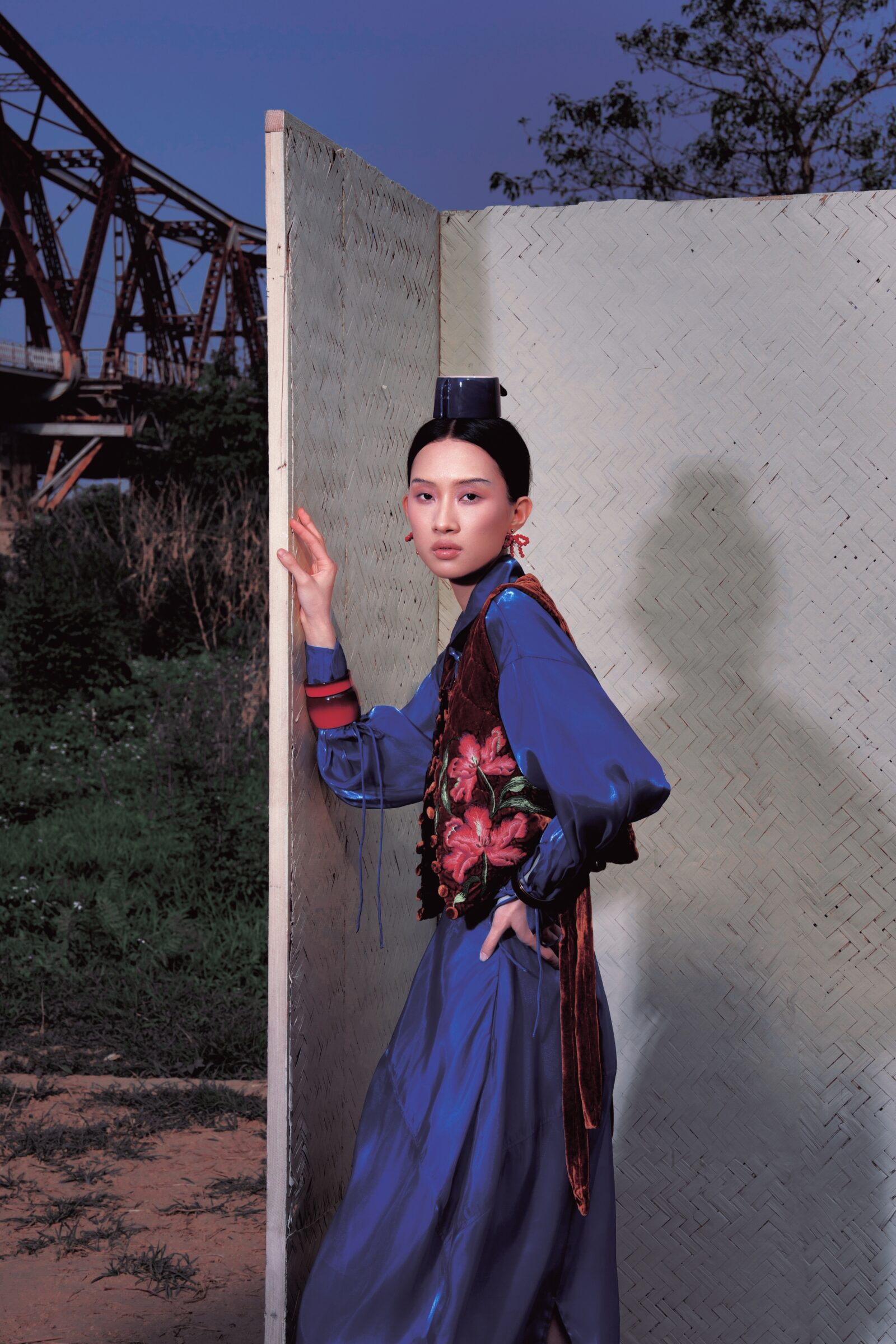
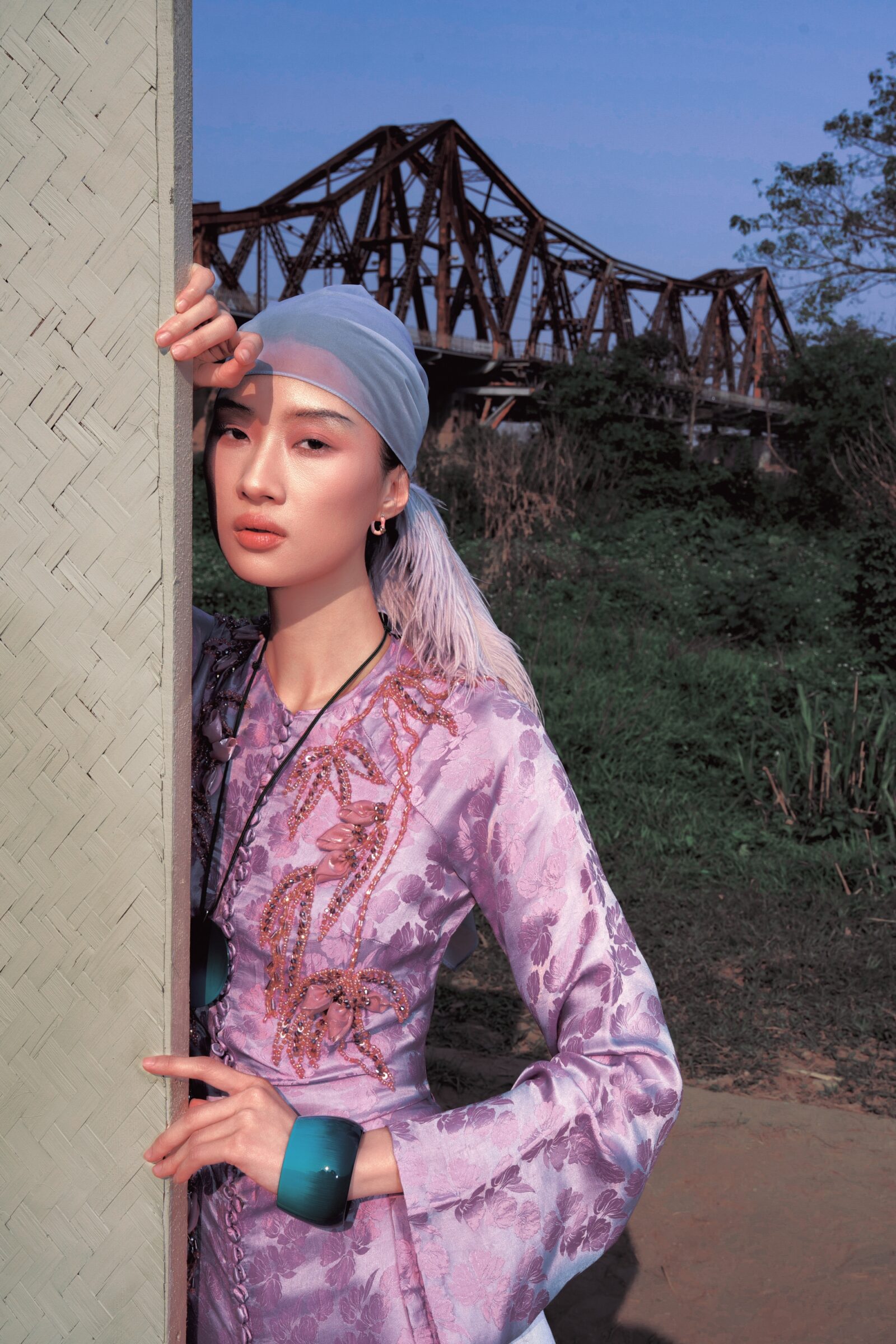
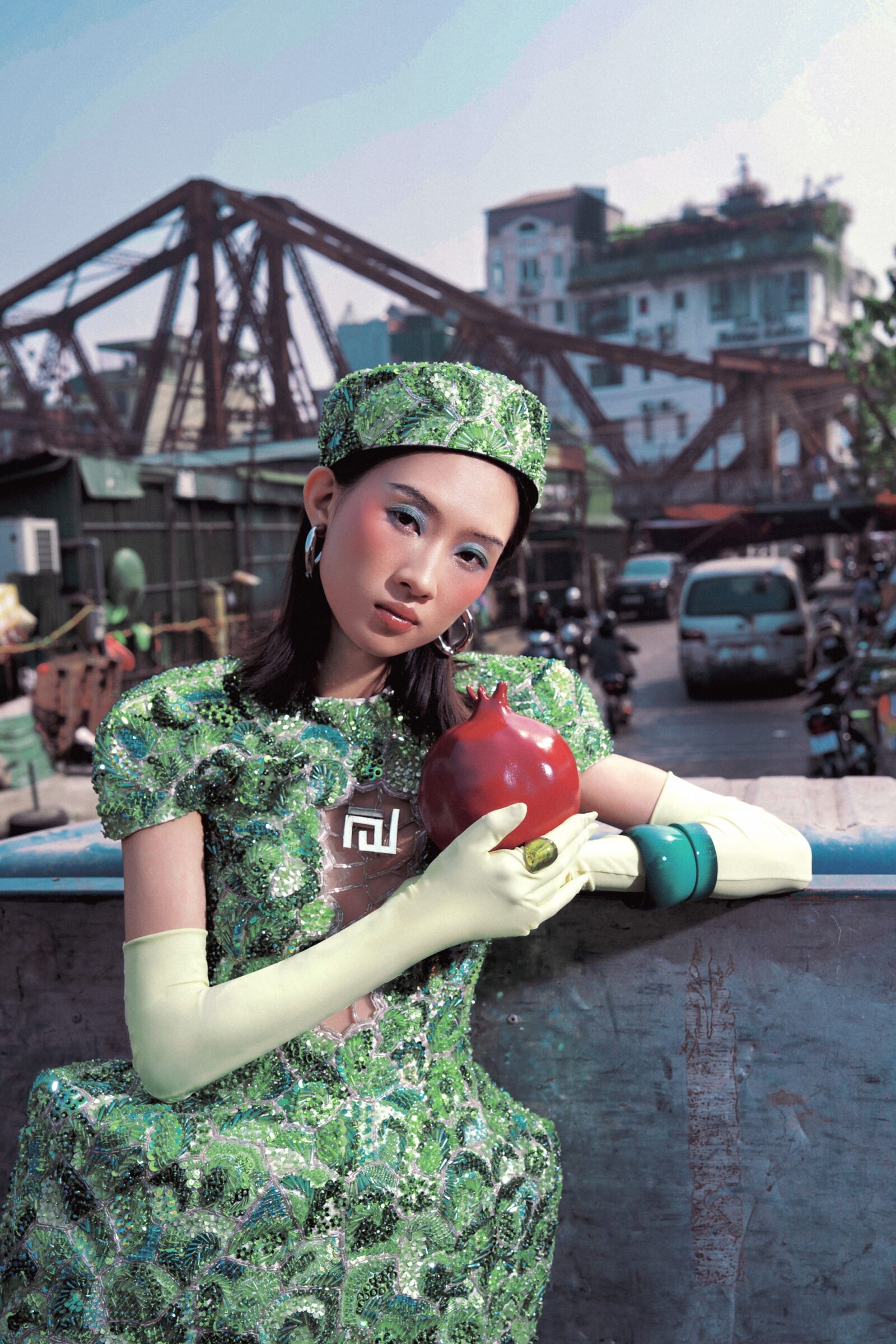
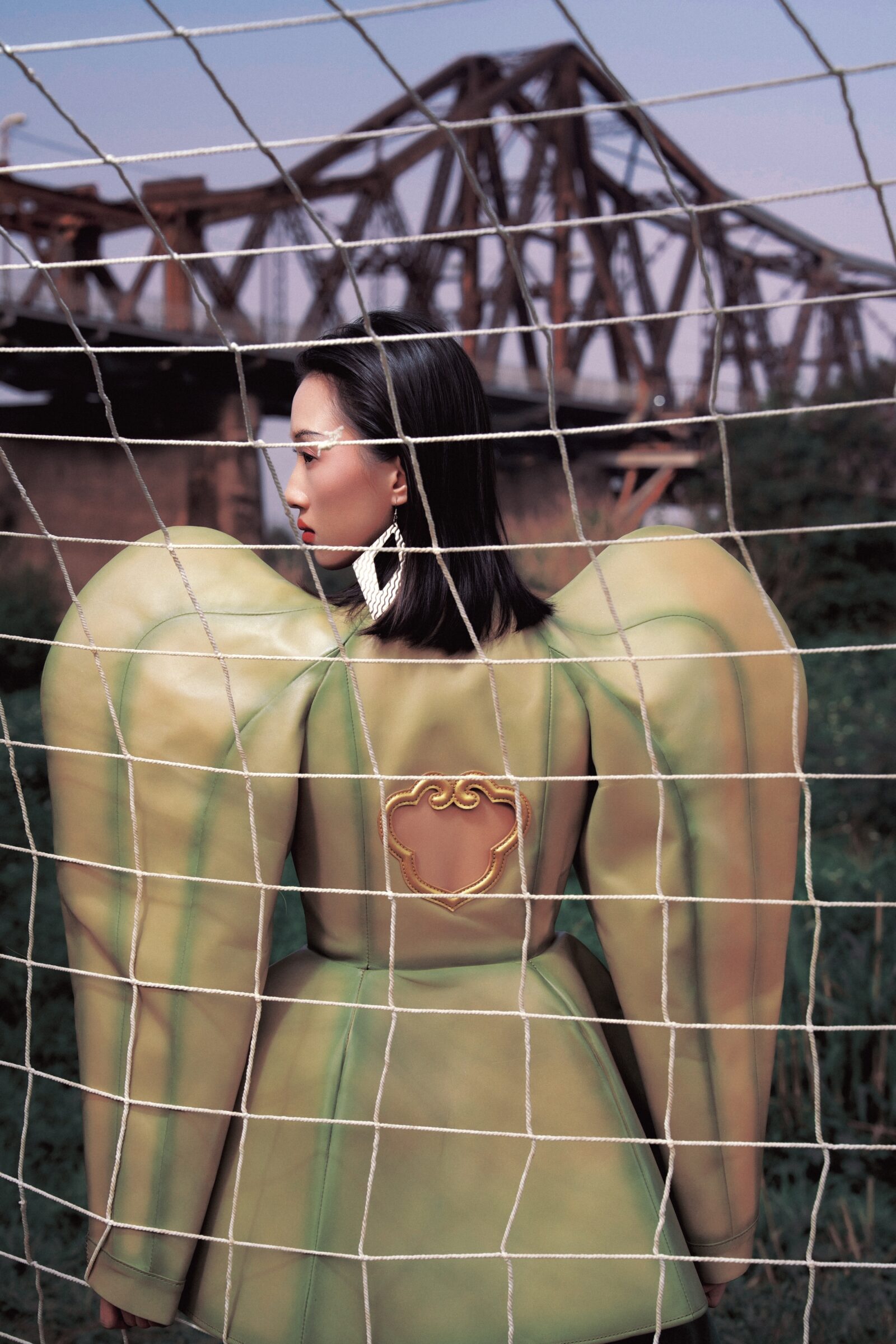
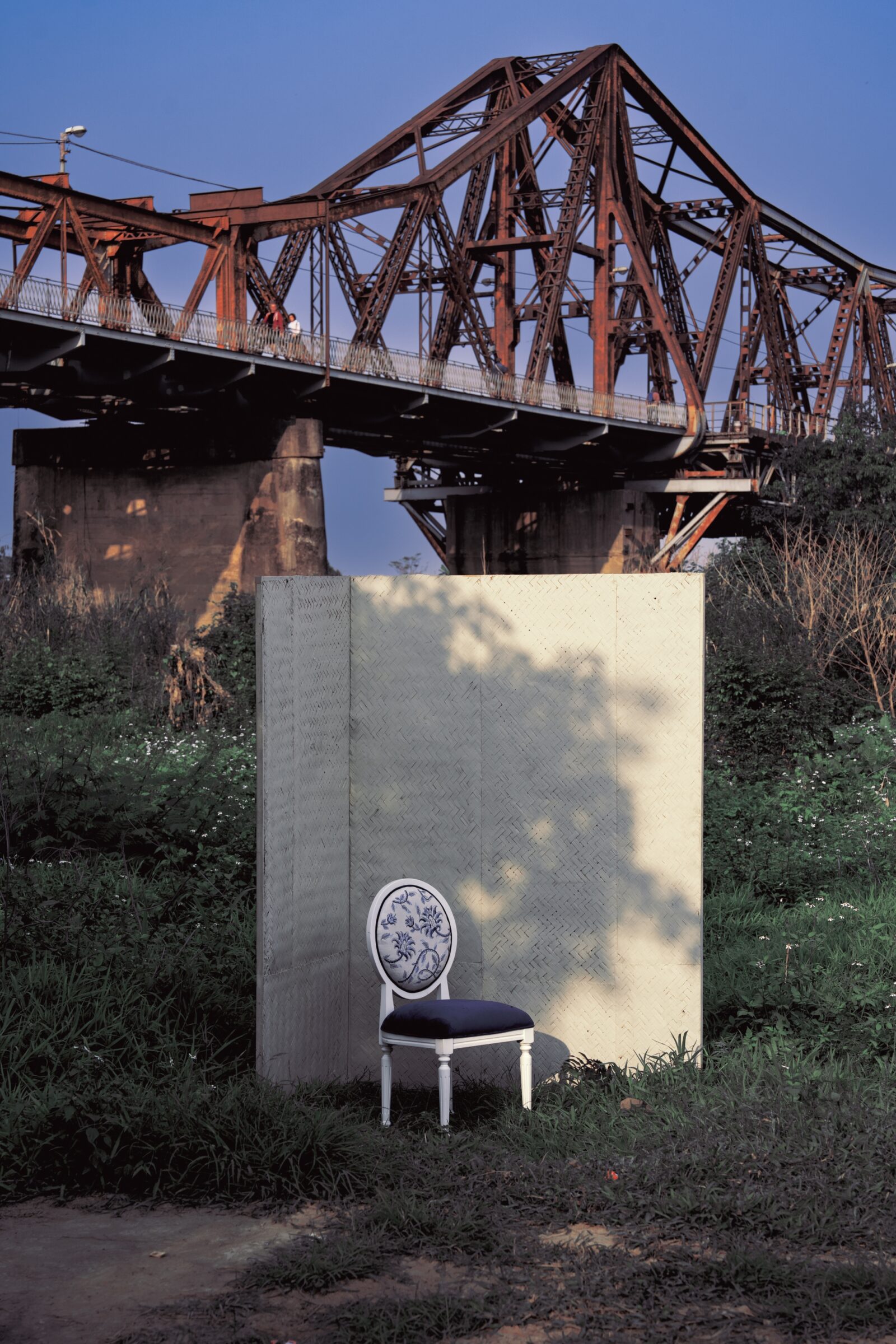
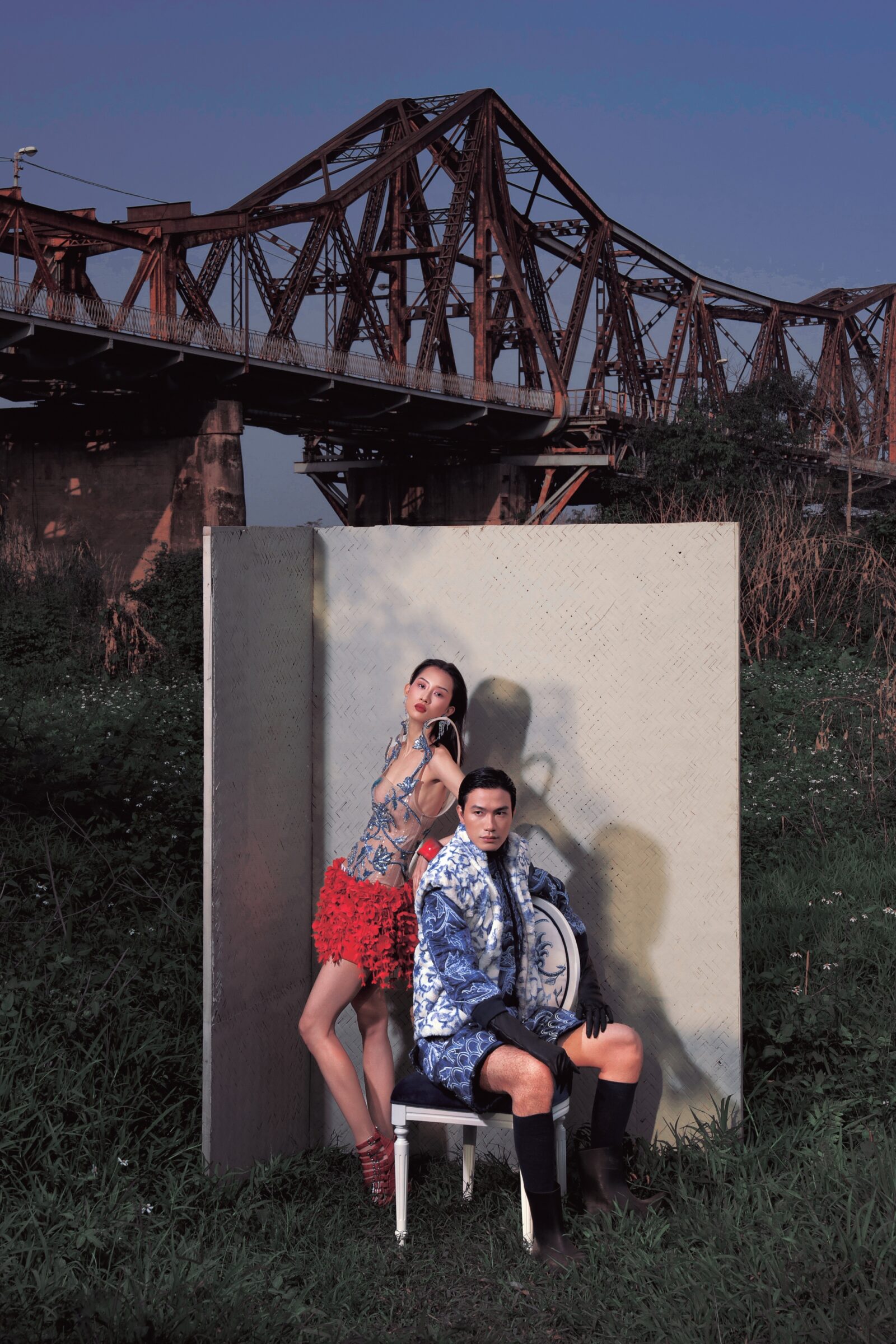
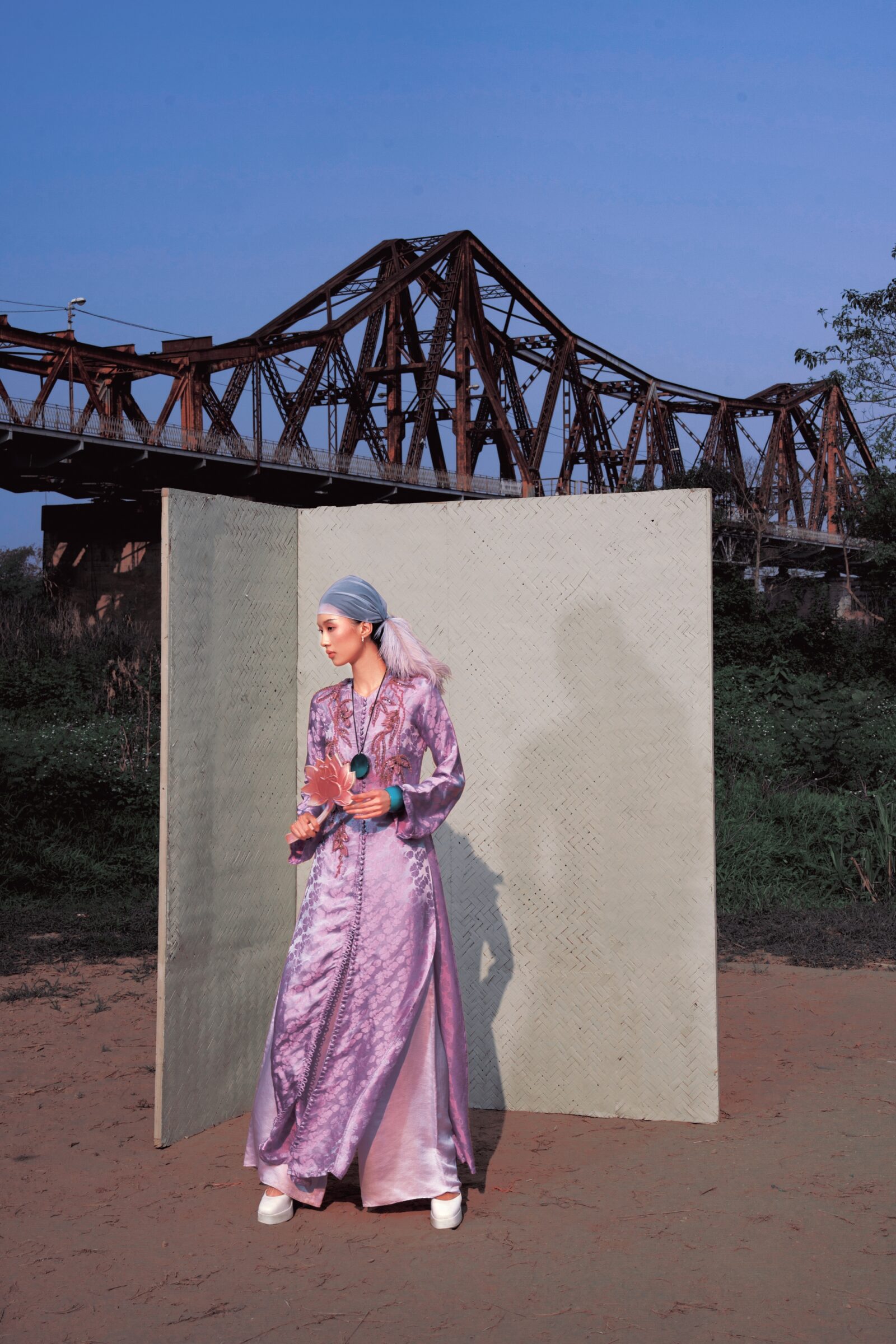
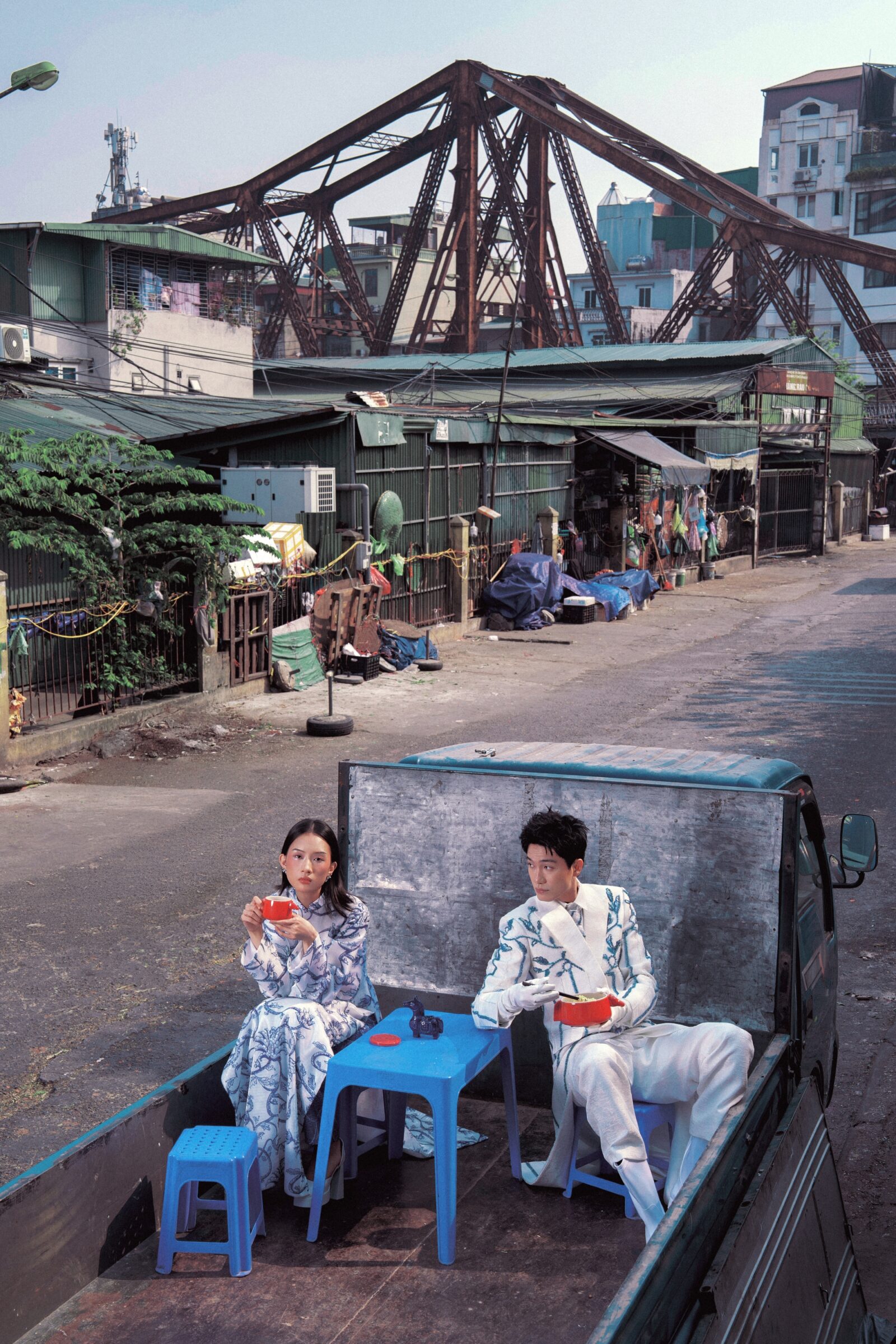
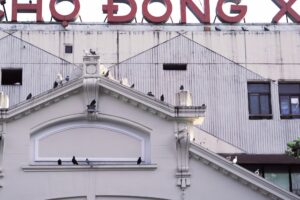
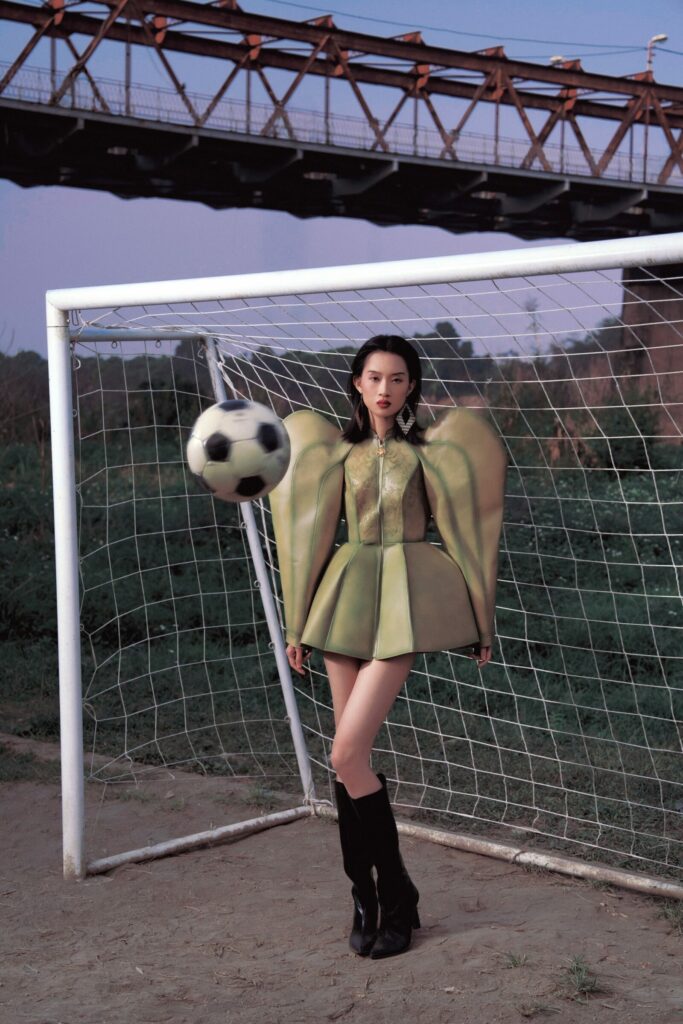
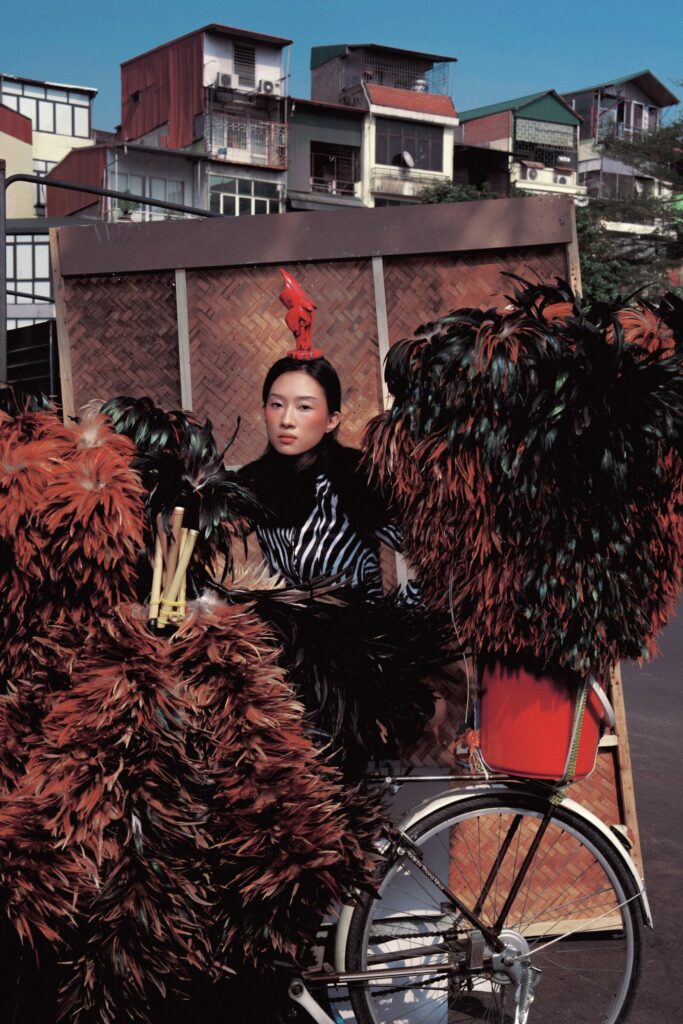
From Đồng Xuân Market and Long Biên Bridge to the Red River banks, the editorial situates each design within familiar urban spaces, where layers of time quietly coexist.
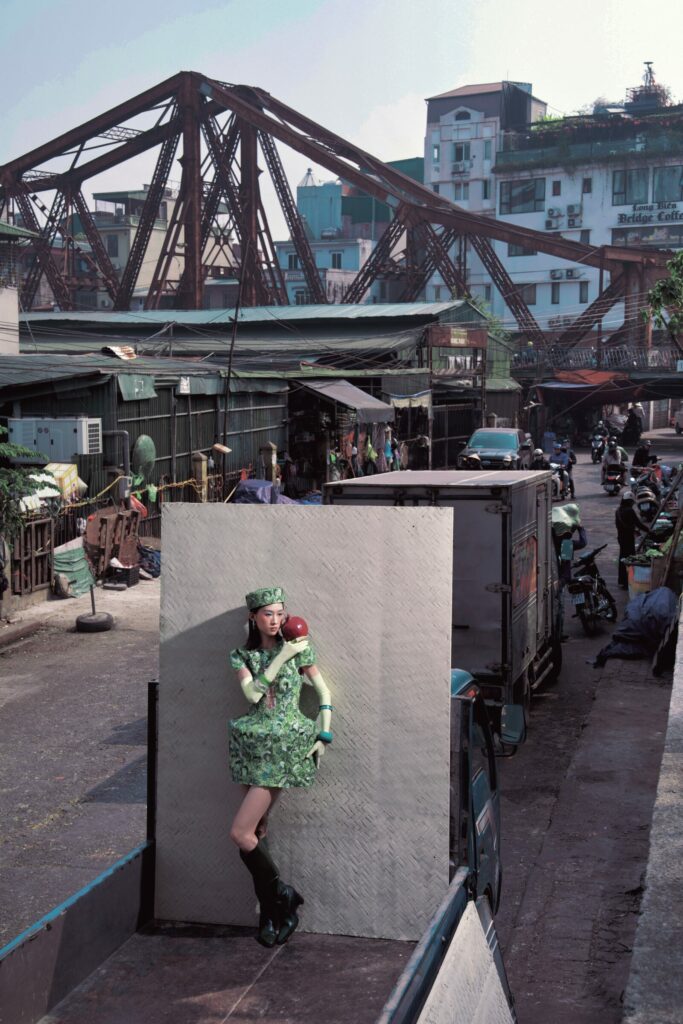
Mũ và đầm đính kết thủ công MỘC NHU ATELIER×BTMA, Trang sức HANOIA, Quả lựu gốm BTMA
Trang phục MỘC NHU ATELIER×BTMA
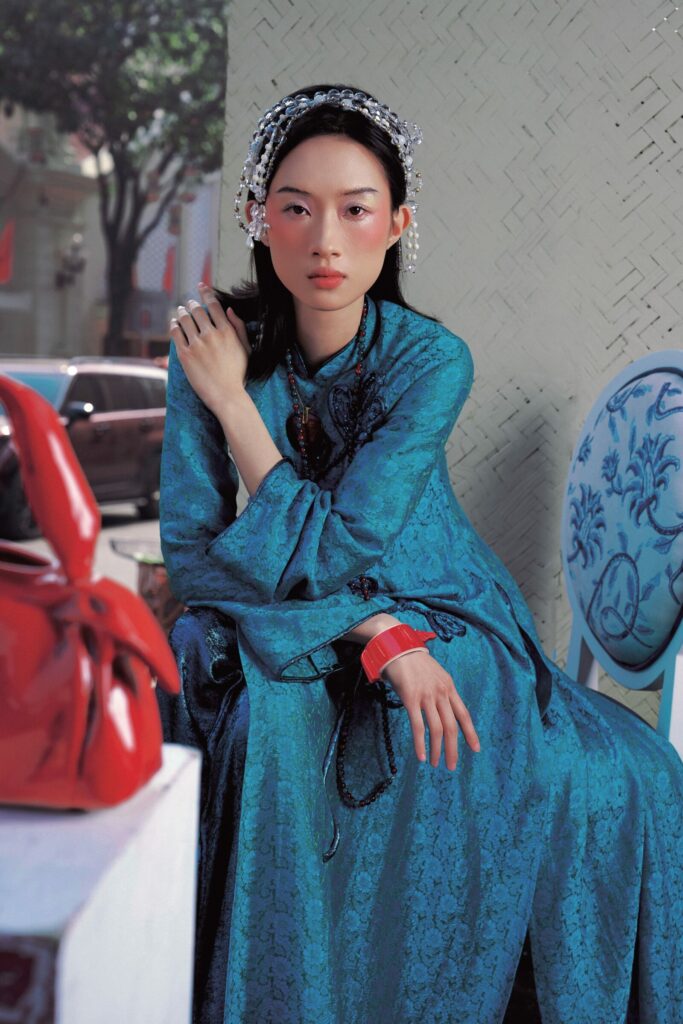
Áo dài LEAP ART, Phụ kiện đội đầu BANGJANIM, Vòng cổ HANOIA, Vòng tay Mã Niên BTMA×PHAN LINH, Túi gốm Ai Ơi BTMA×LUU VIETANH, Ghế Louis thêu tay BTMA×LEAP ART Furniture & Decor
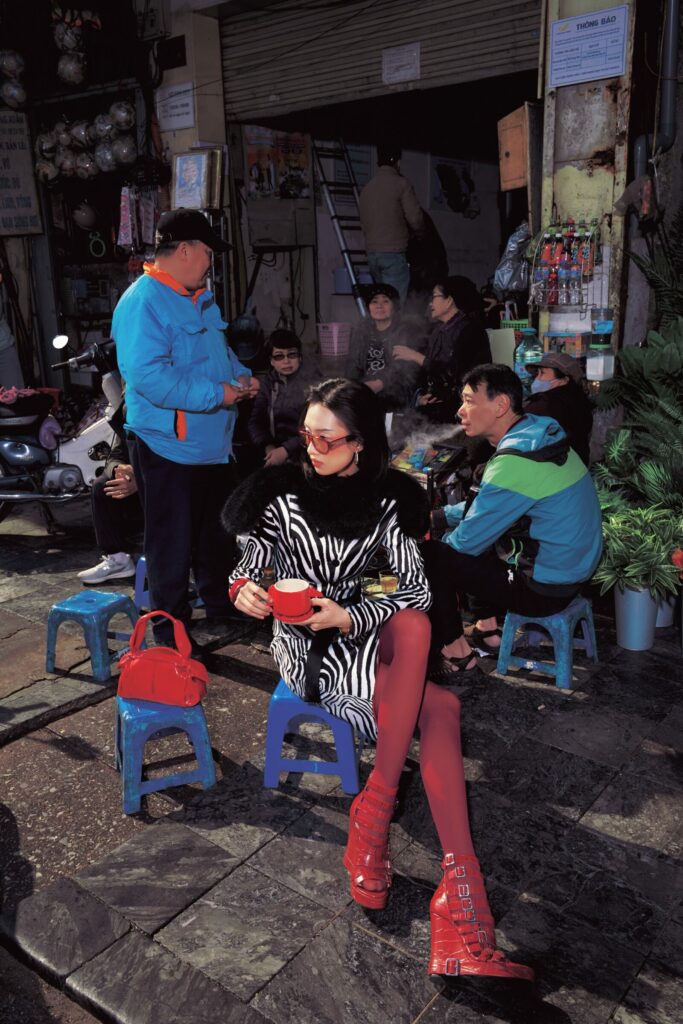
Áo jacket và chân váy vằn ngựa, kính, giày FANCÌ CLUB, Vòng tay HANOIA, Cốc Cappuccino và Đế lót ly Mã Niên BTMA×PHAN LNH, Túi gốm Ai Ơi BTMA×LUU VIETANH
Áo jacket và chân váy vằn ngựa, kính, giày FANCÌ CLUB, Vòng tay HANOIA, Tượng ngựa Mã Niên BTMA×PHAN LNH

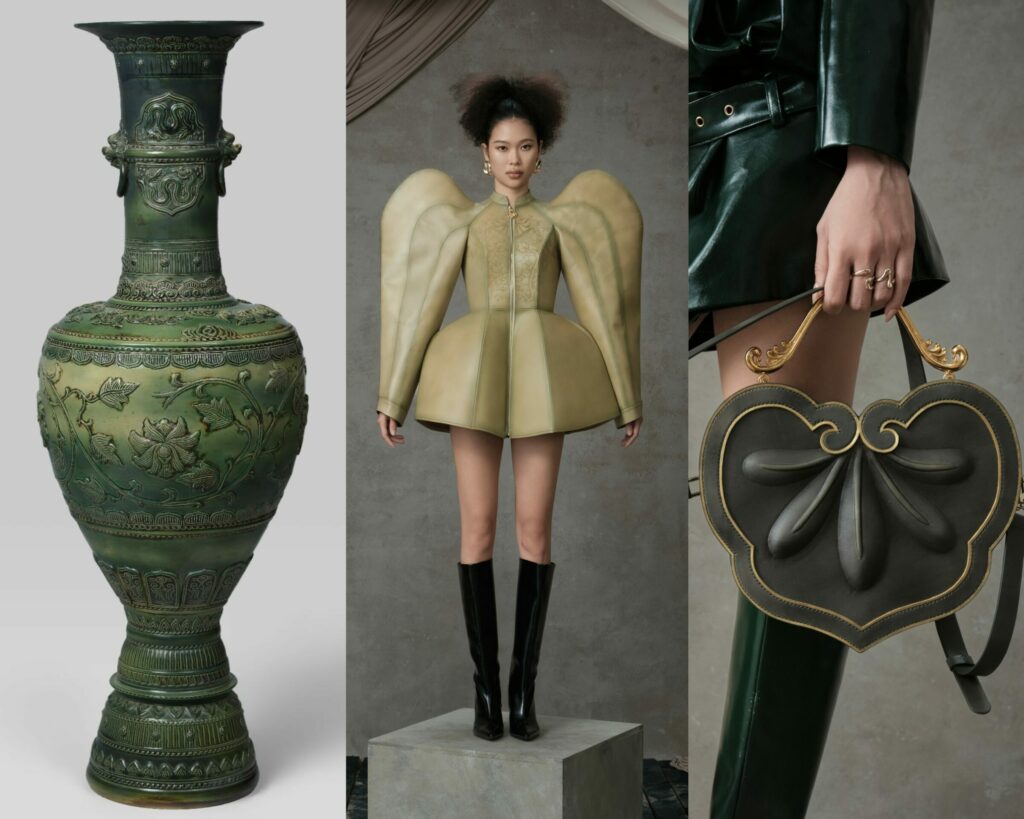
The designs by Mộc Nhu Atelier draw from the visual language preserved at Bát Tràng Museum — including the unique works of People’s Artisan Vũ Thắng, the Memory Garden, and the museum’s outdoor installations.
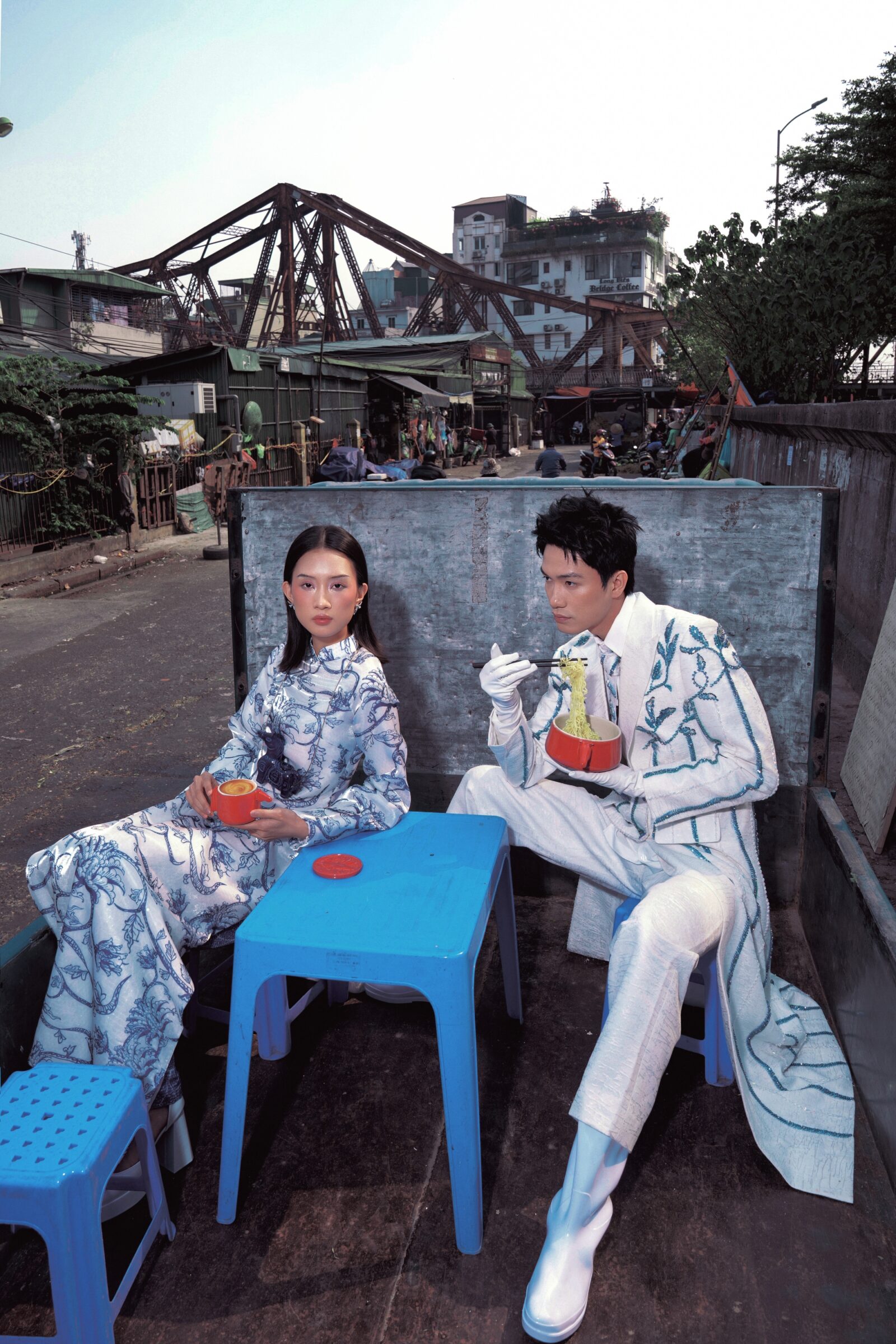
Trang phục MỘC NHU ATELIER×BTMA, Vòng cổ Ngựa Corgi BTMA, Bát Noodle, cốc Cappuccino và đế lót ly Mã Niên BTMA×PHAN LINH

At the same time, Bát Tràng Museum Atelier expands this lineage through material experimentation, layered glazes, and evolving sculptural forms. From this foundation, Mộc Nhu Atelier translates ceramic structures and symbolic motifs into contemporary fashion, positioning clothing as a bridge into the museum’s artistic world.

Placed in dialogue with Leap Art’s hand embroidery on traditional garments and Fancì Club’s contemporary design language, the editorial demonstrates how heritage can be reinterpreted across disciplines and situated within new urban contexts.
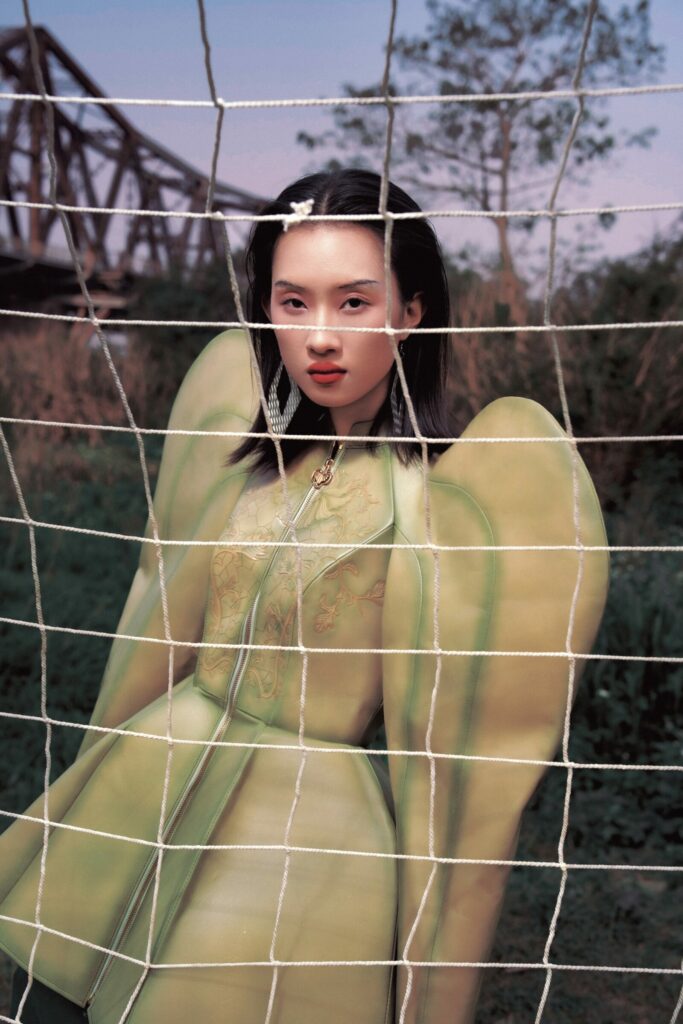
Áo jacket FANCÌ CLUB, Tượng ngựa Mã Niên BTMA×PHAN LNH
Trang phục MỘC NHU ATELIER×BTMA
Trang phục FANCÌ CLUB, Mấn BANGJANIM, Hoa gốm BTMA×PHAN LINH
Áo dài LEAP ART, Phụ kiện đội đầu BANGJANIM, Vòng cổ HANOIA, Vòng tay và tượng ngựa Mã Niên BTMA×PHAN LINH
Trang phục FANCÌ CLUB, Mấn BANGJANIM, Hoa gốm BTMA×PHAN LINH
Trang phục LEAP ART, Vòng tay HANOIA, Phụ kiện đội đầu BTMA×PHAN LINH
Trang phục LEAP ART, Khăn đội đầu FANCÌ CLUB, Trang sức HANOIA
Chân váy và giày FANCÌ CLUB, Áo MỘC NHU ATELIER×BTMA, Vòng tay HANOIA
Mũ và đầm đính kết thủ công MỘC NHU ATELIER×BTMA, Trang sức HANOIA, Quả lựu gốm BTMA
Trang phục MỘC NHU ATELIER×BTMA
Áo dài MỘC NHU ATELIER×BTMA, Ngựa Corgi BTMA
Trang phục MỘC NHU ATELIER×BTMA, Tượng ngựa may mắn BTMA
Trang phục LEAP ART, Vòng tay HANOIA, Phụ kiện đội đầu BTMA×PHAN LINH
Trang phục FANCÌ CLUB, Mấn BANGJANIM, Hoa gốm BTMA×PHAN LINH
Trang phục MỘC NHU ATELIER×BTMA
Ghế Louis thêu tay BTMA×LEAP ART Furniture & Decor
(LINH CHI) Chân váy và giày FANCÌ CLUB, Áo MỘC NHU ATELIER×BTMA, Vòng tay HANOIA
(TRIỂN) Áo cardigan, áo bomber và quần short chần bông MỘC NHU ATELIER×BTMA, Ghế Louis thêu tay BTMA×LEAP ART Furniture & Decor
Trang phục LEAP ART, Khăn đội đầu FANCÌ CLUB, Trang sức HANOIA, Hoa gốm BTMA x PHAN LINH
Trang phục MỘC NHU ATELIER×BTMA, Vòng cổ BTMA, Bát Noodle, cốc Cappuccino và đế lót ly Mã Niên BTMA×PHAN LINH

“The Way Back to Ceramics” — Repositioning Heritage

Inspired by the narrow alleys of historic Bát Tràng, a riverside village of Hanoi, the feature reflects on ceramics as something born from everyday life. These alleys lead not only back to origins but forward into new creative possibilities.

From this heritage foundation, ceramics become a generative source for practices spanning embroidery, interior design, fashion, and contemporary art. “Return,” in this context, is not nostalgia but continuation — a way of repositioning tradition within an evolving cultural landscape.
*

Featured Contributors
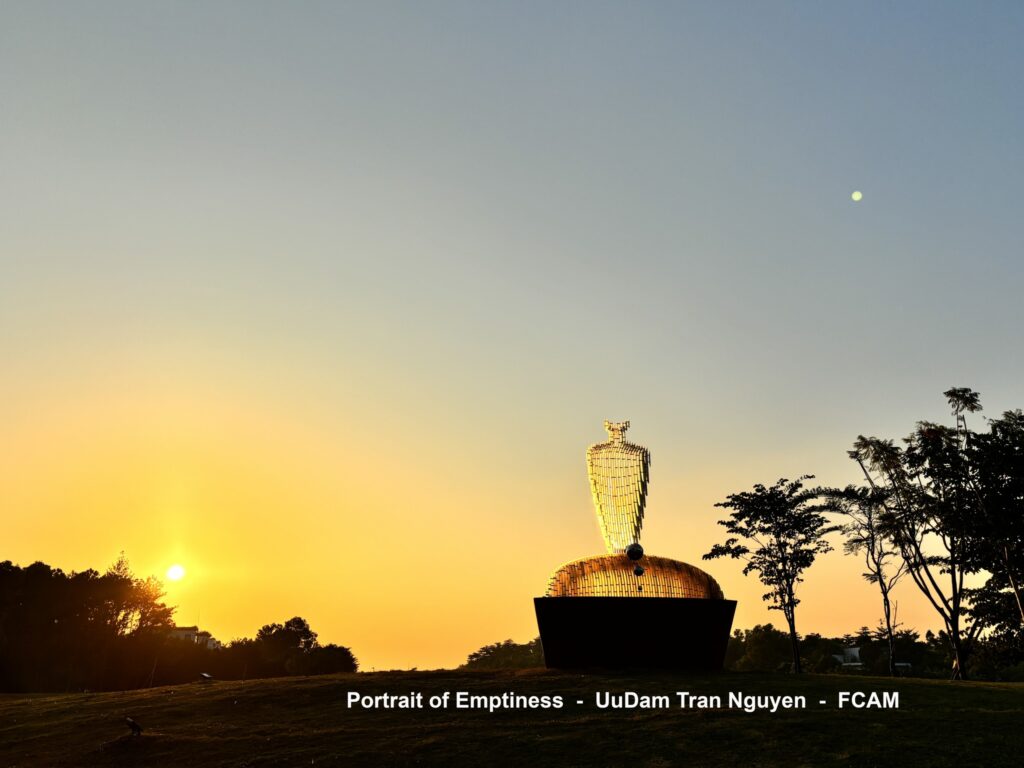
Nguyễn Trần Ưu Đàm
The artist’s work often explores philosophical and social concerns. His piece Portrait of Emptiness emerged from hands-on ceramic experience in Bát Tràng, recontextualizing fired clay within a contemporary conceptual framework.
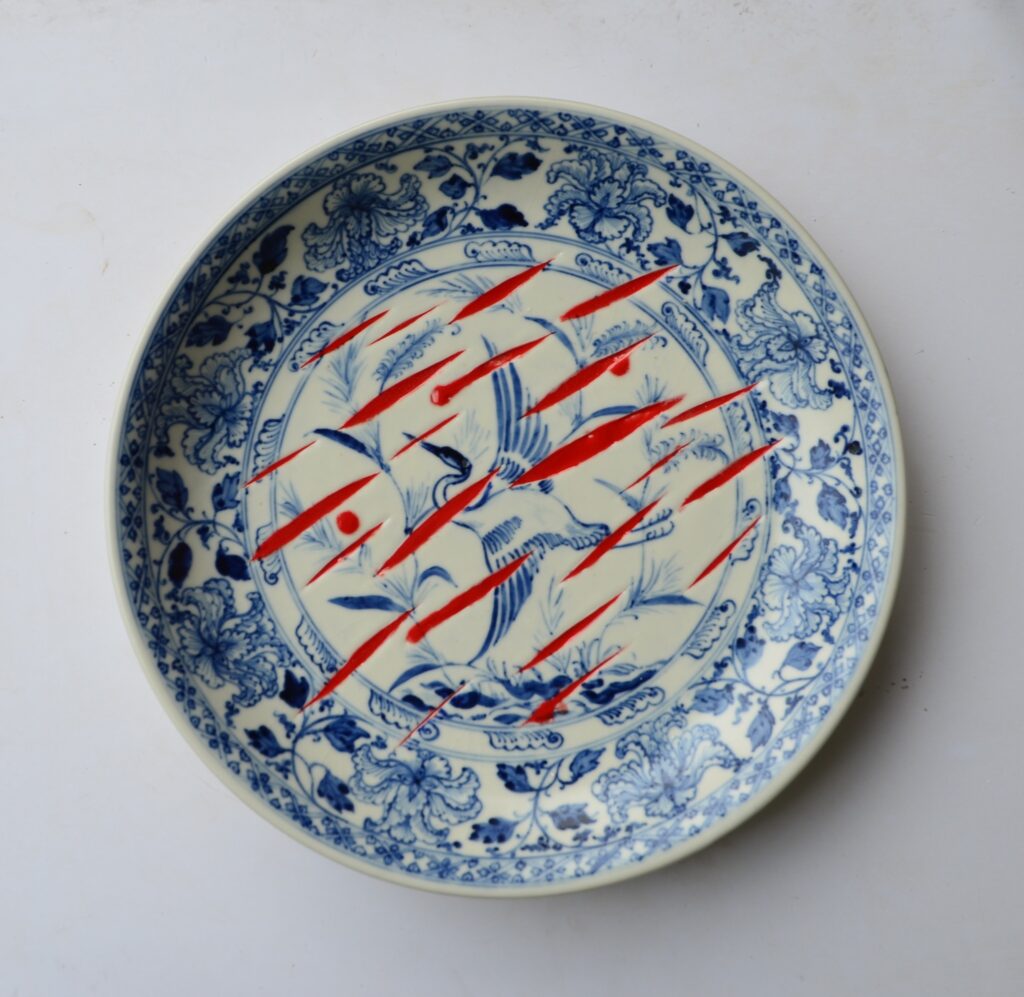
Nguyễn Duy Mạnh
Using ceramics from Bát Tràng as a primary material, he manipulates clay through incision and transformation, addressing memory and rupture through physical form.
Leap Art
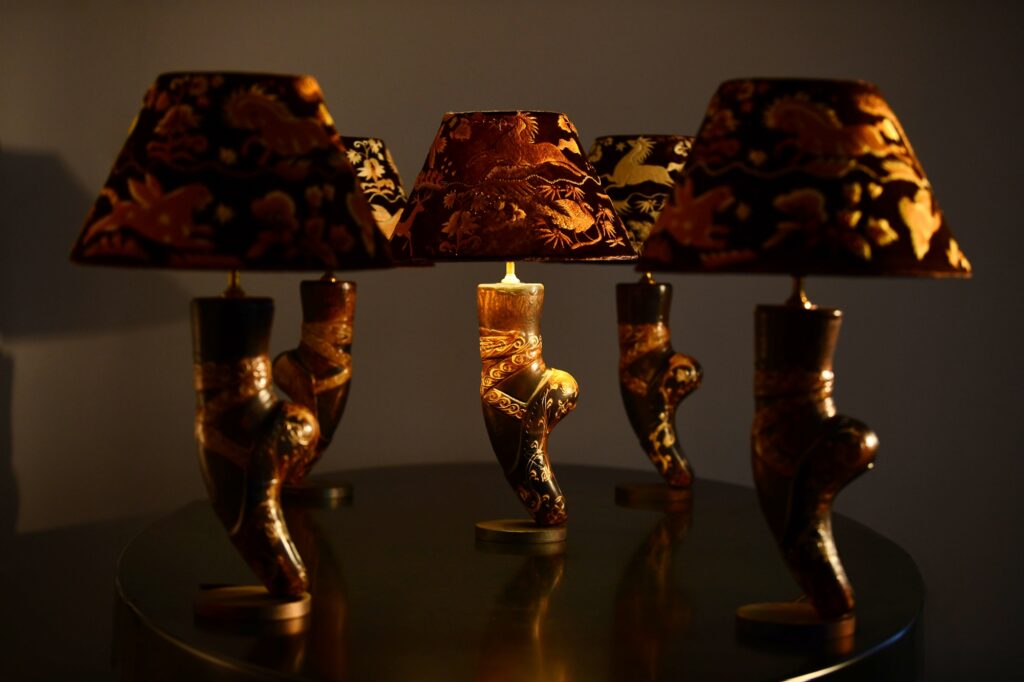
Leap Art integrates hand embroidery into fashion and interior design, collaborating with Bát Tràng Museum Atelier on ceramic-based works such as the Ballerina and Tulip BLOOMING lamps, while drawing from traditional blue-and-white ceramic motifs.
Mộc Nhu Atelier
Mộc Nhu Atelier is the creator of Proudly Vietnam 01, a collection developed from the works of Bát Tràng Museum and the creative processes of BTMA. The collection translates ceramic structure and visual language into contemporary fashion design.

*

Bát Tràng Museum Atelier
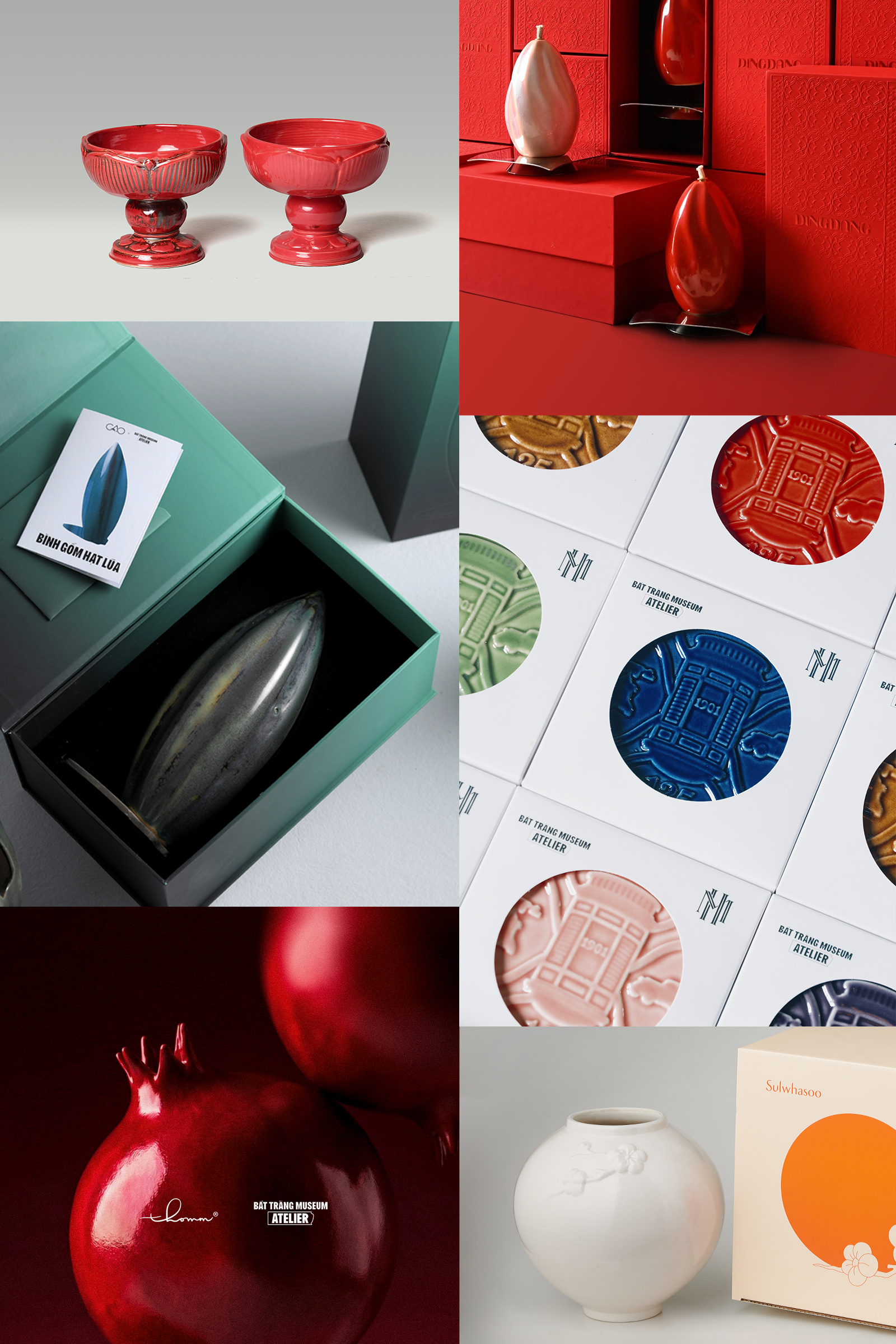
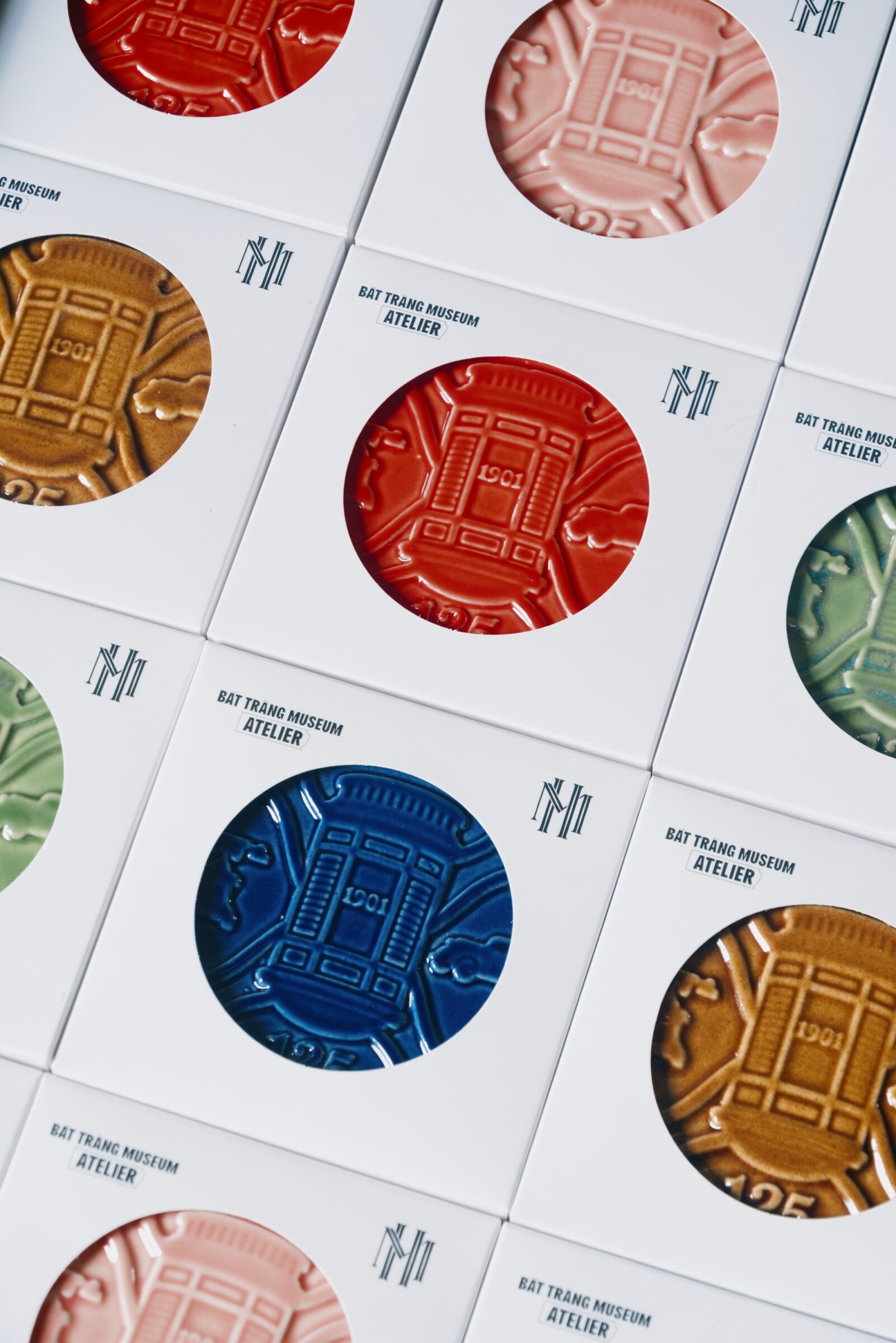
BTMA is the nearly 50-year-old ceramic atelier of Bát Tràng Museum, run by members of the founding family as a way to continue the legacy of the late People’s Artisan Vũ Thắng. The atelier researches and refines elements of traditional Vietnamese ceramics—forms, glazes, and motifs—and reinterprets them through contemporary design. Alongside preserving the works that shaped the founder’s legacy, BTMA collaborates with artists across disciplines to develop new collections grounded in heritage and shaped by the creative spirit of the present.