A Dish That Captures the Essence of Mountains, Sea, and Delta
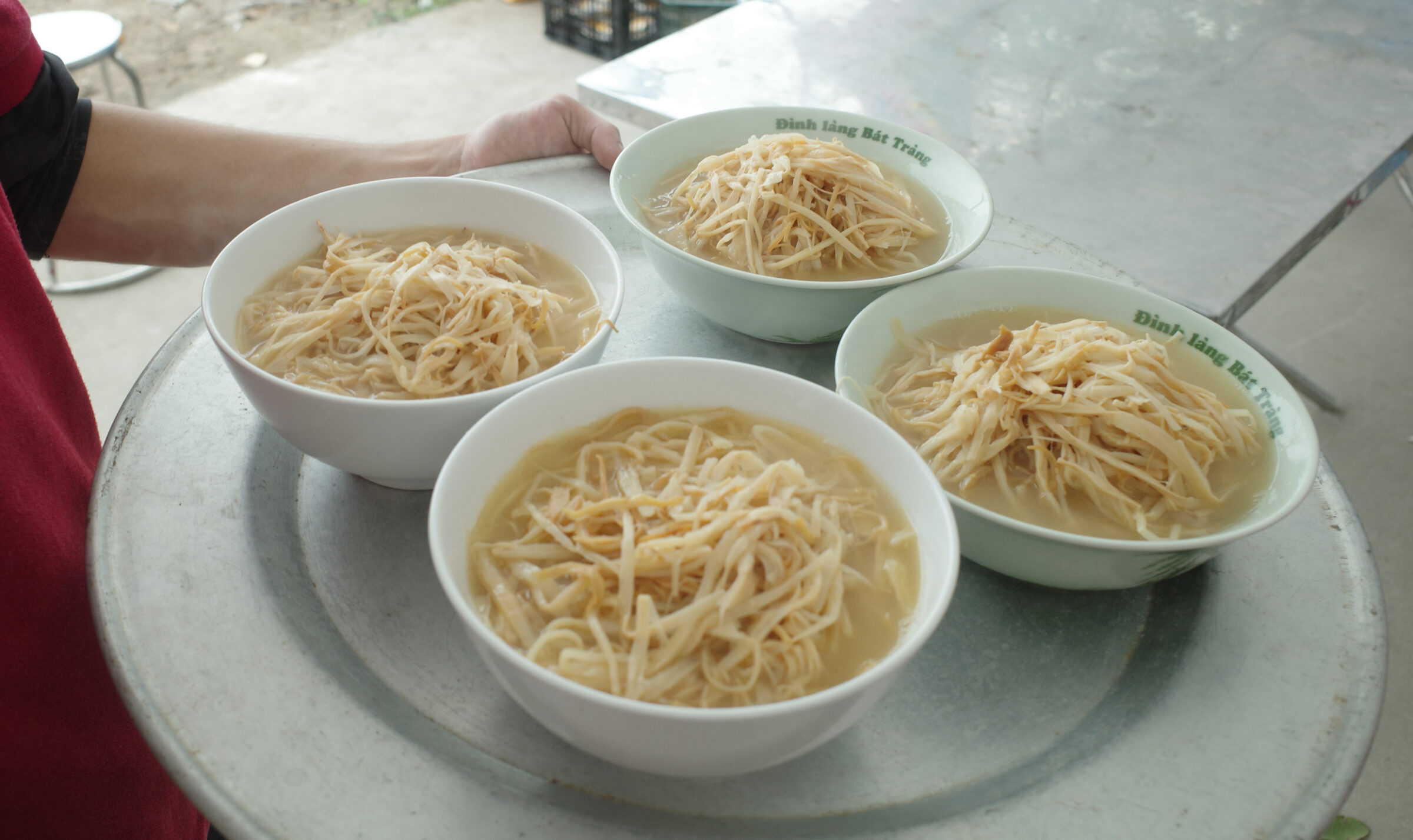
Beyond its centuries-old legacy of ceramics, the village of Bát Tràng is also known for a remarkable culinary tradition—canh măng mực, or bamboo shoot and dried squid soup. Deeply rooted in the local identity, this dish is considered indispensable on the ceremonial feast table, preserved and passed down through generations as a symbol of Bát Tràng’s cultural soul.
The dish harmonizes ingredients from three distinct regions of Vietnam: bamboo shoots from the mountainous Northwest, fresh squid from the East Sea, and broth made from delta-raised chicken and dried shrimp. This combination of earth, sea, and land produces a flavor profile that is both subtle and deeply satisfying.
A Labor of Love
Despite its seemingly simple ingredients, preparing an authentic Bát Tràng-style canh măng mực is a meticulous process. As one local saying goes, “A cook can spend an entire morning shredding bamboo and still not fill one bowl.”
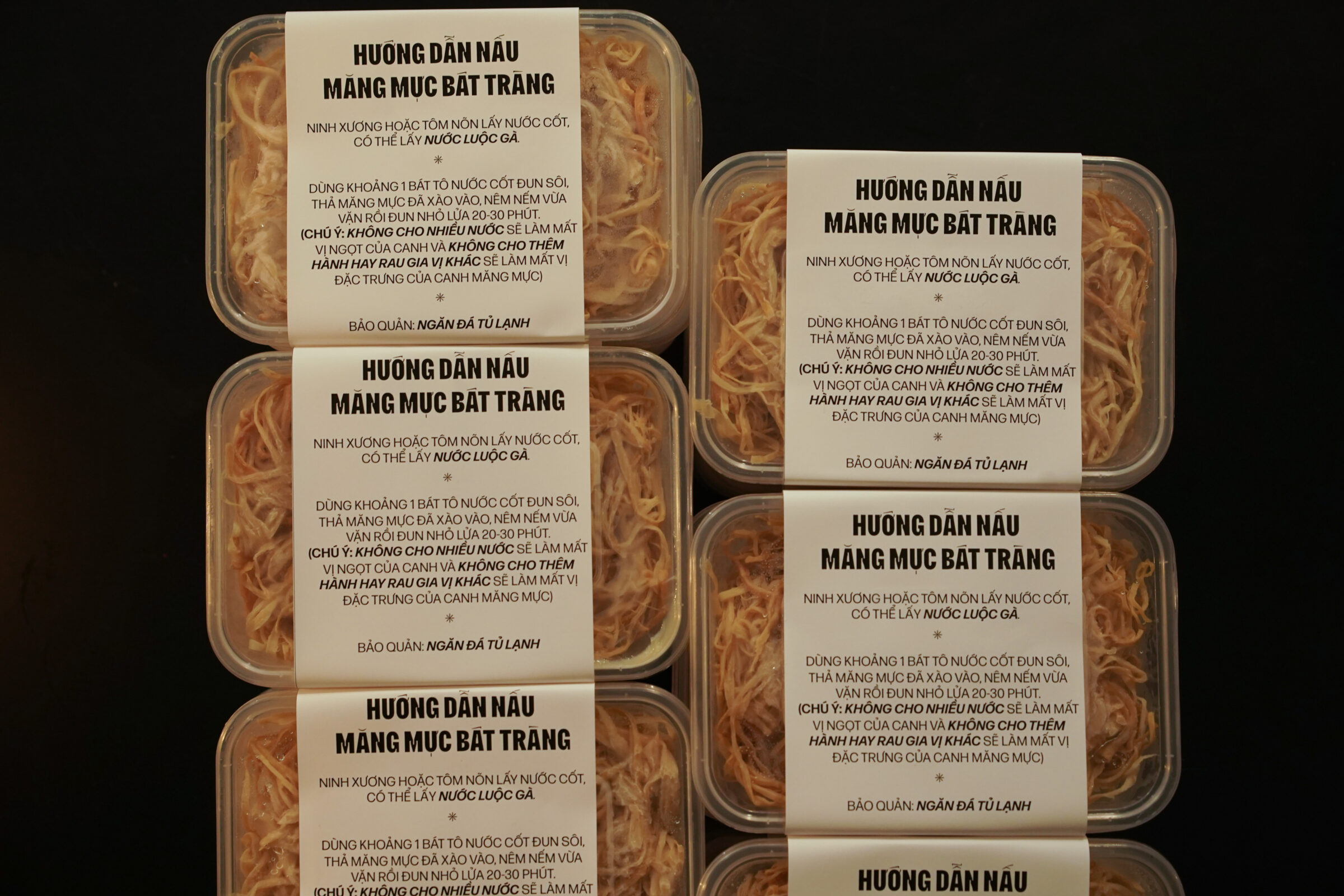
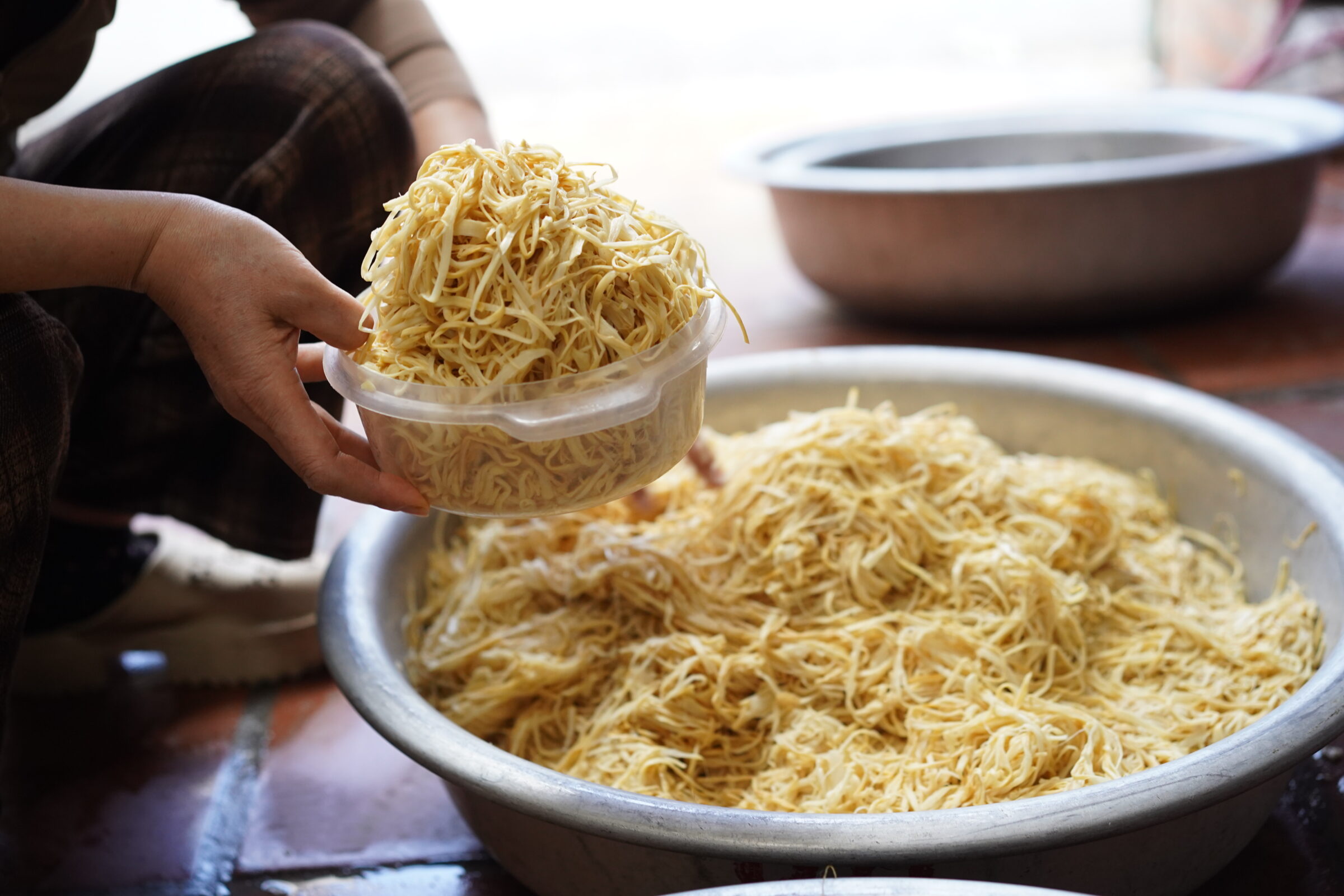
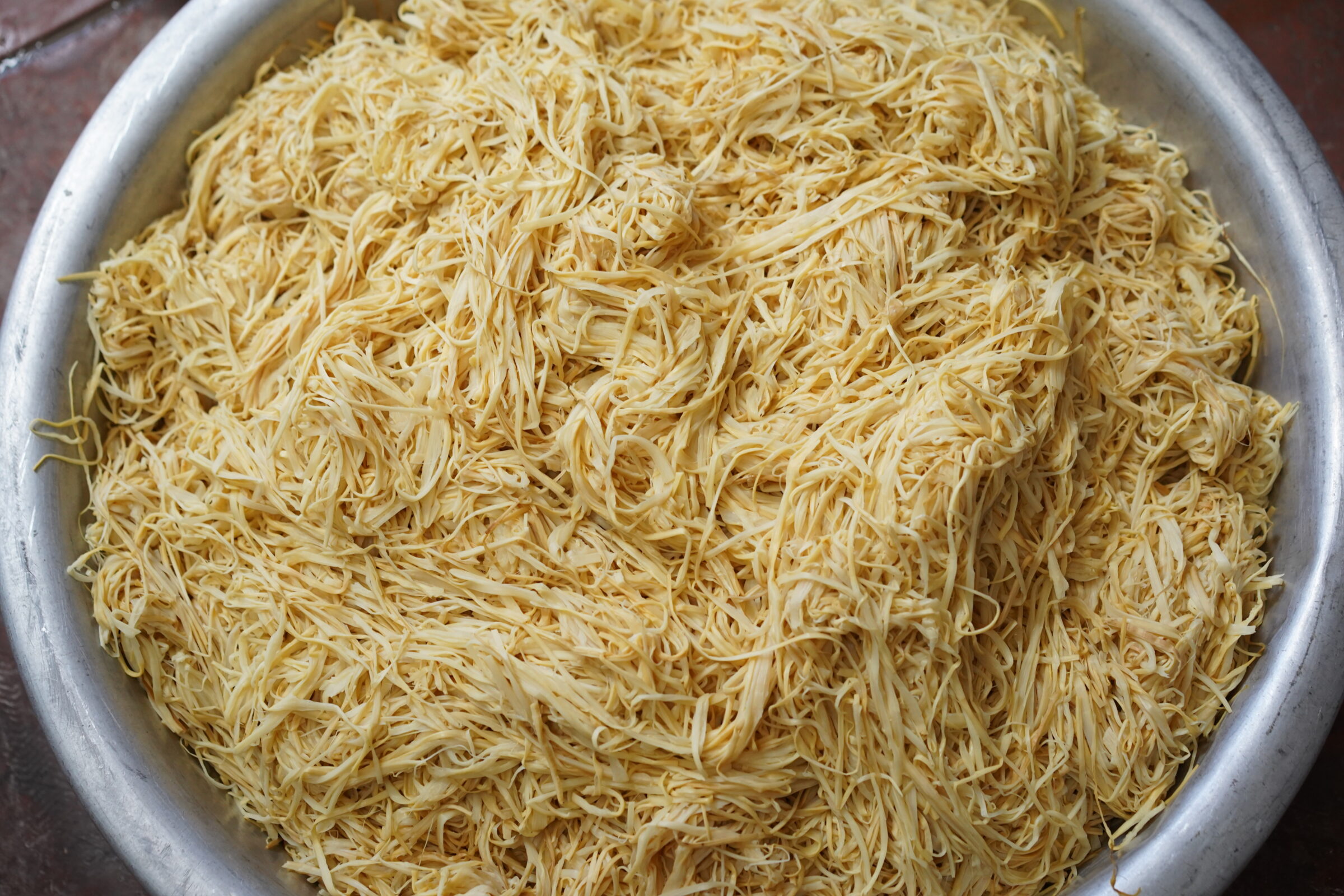
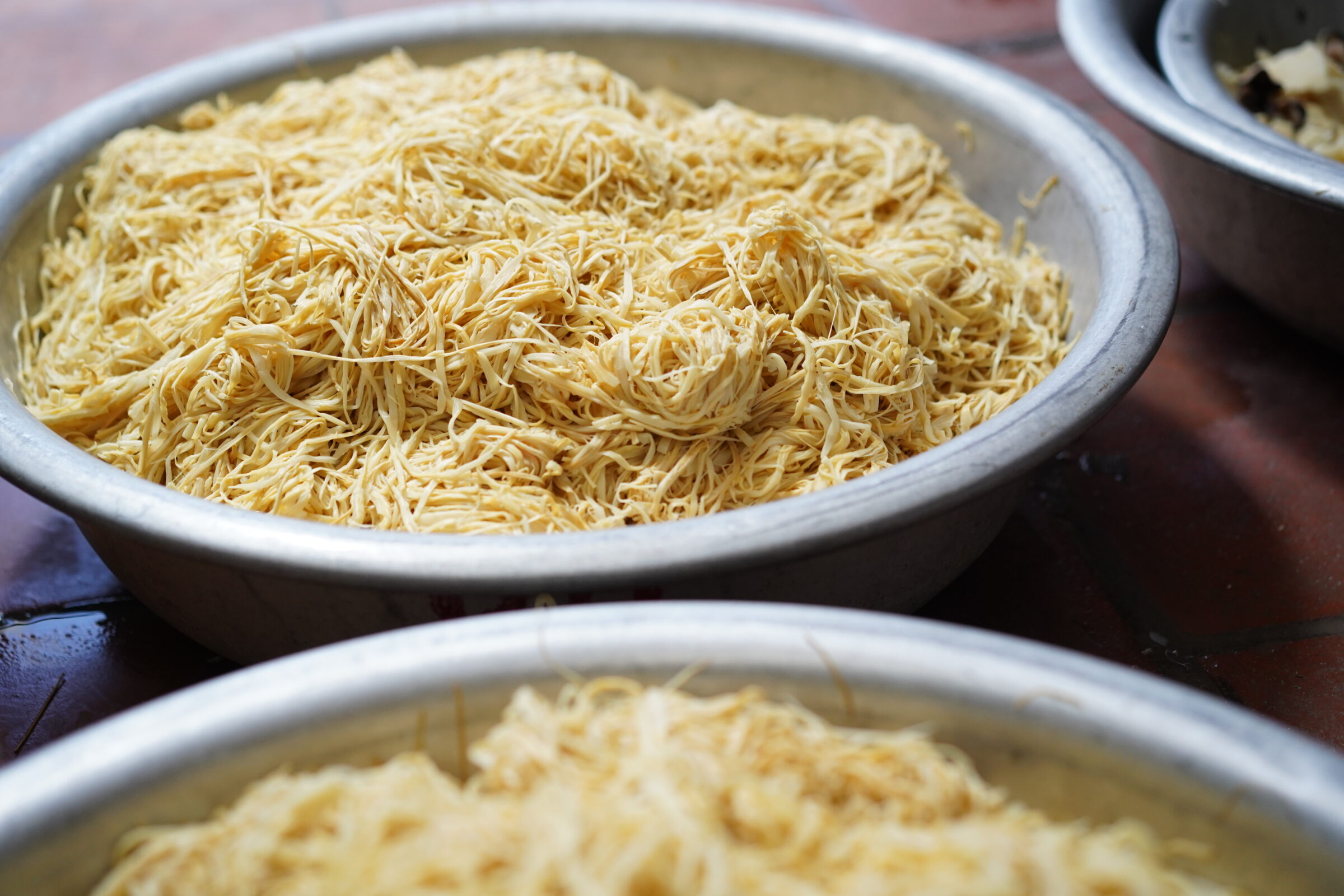
Each bamboo shoot must be carefully hand-shredded—often using a pin—to achieve fine, delicate strands resembling incense sticks. This task demands precision and patience, as does every other step of the process.
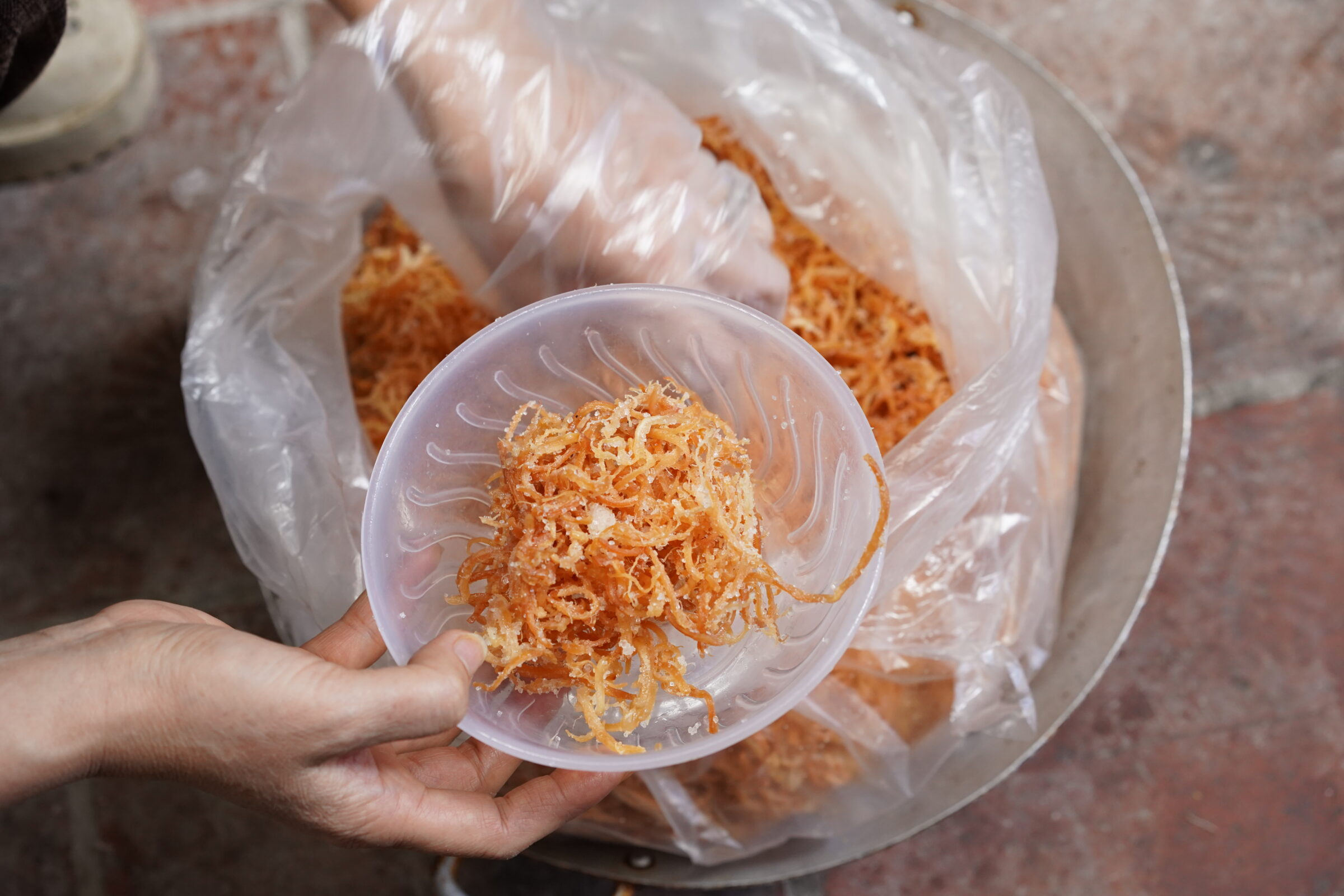
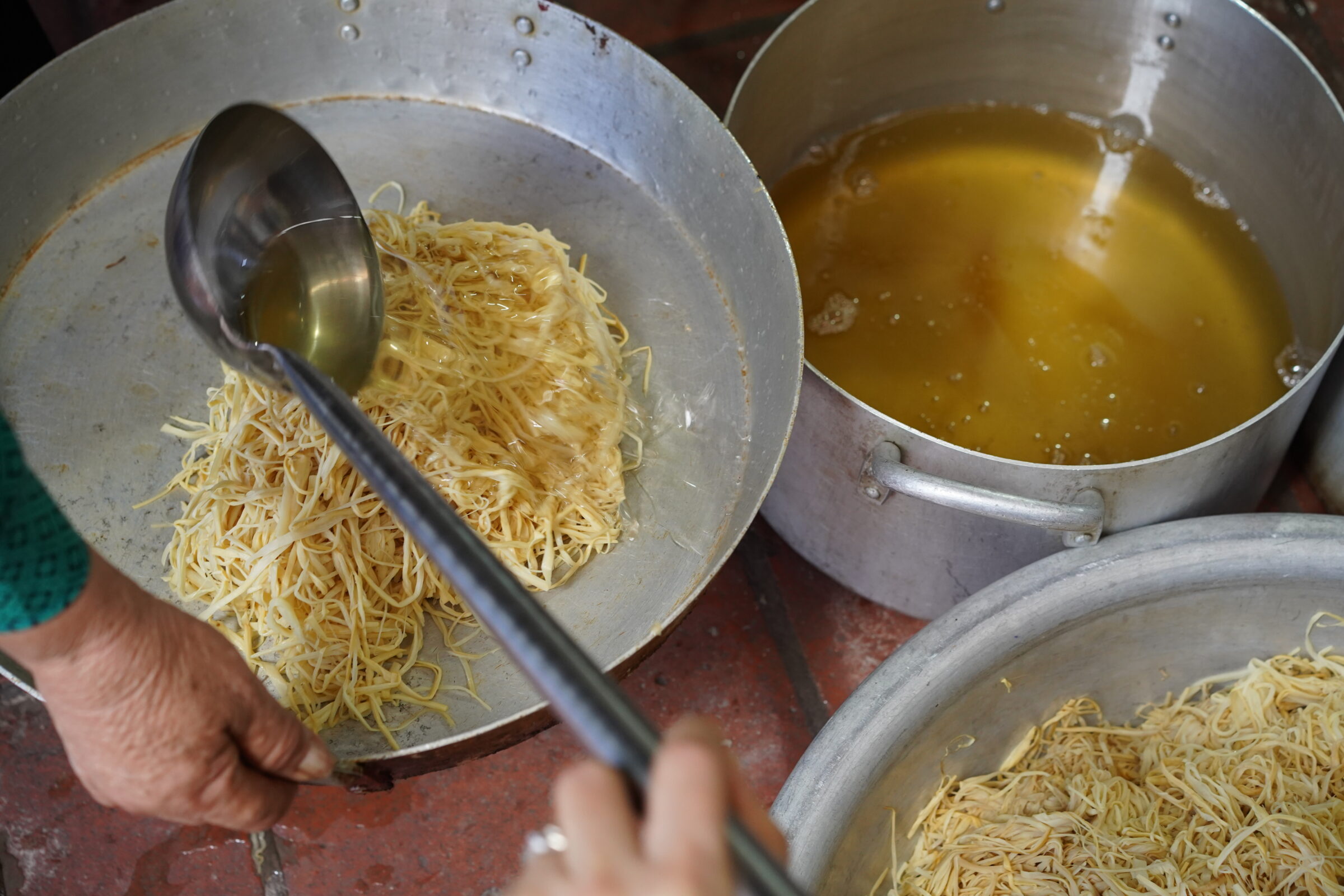
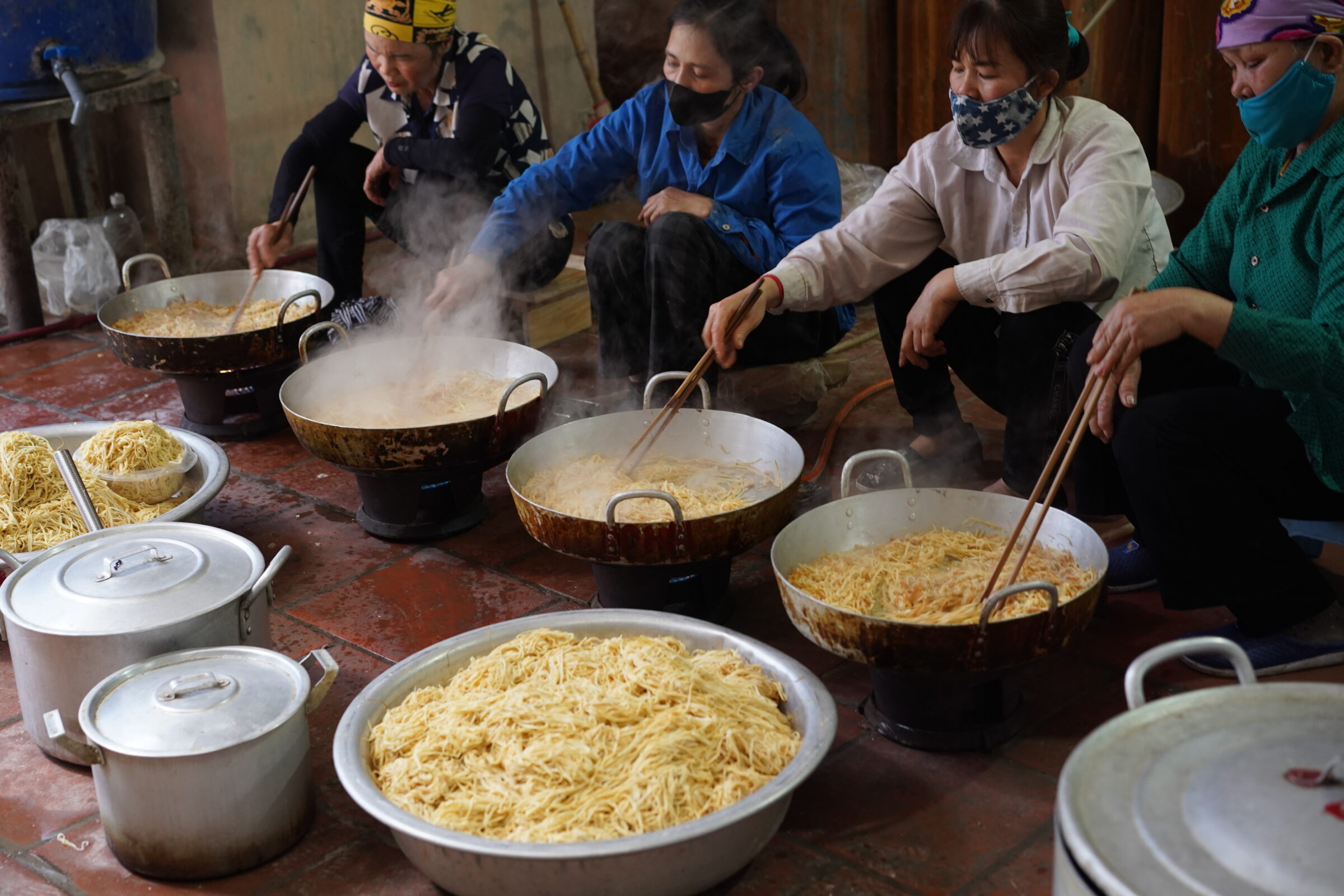
After multiple rounds of soaking, rinsing, and boiling (often three to four times), the bamboo shoots lose their bitterness and gain a tender, golden finish. Meanwhile, squid is cleaned using ginger and rice wine before being lightly grilled over charcoal to enhance its aroma without compromising its chewiness. Once grilled, it’s pounded and shredded into thin, uniform strands.
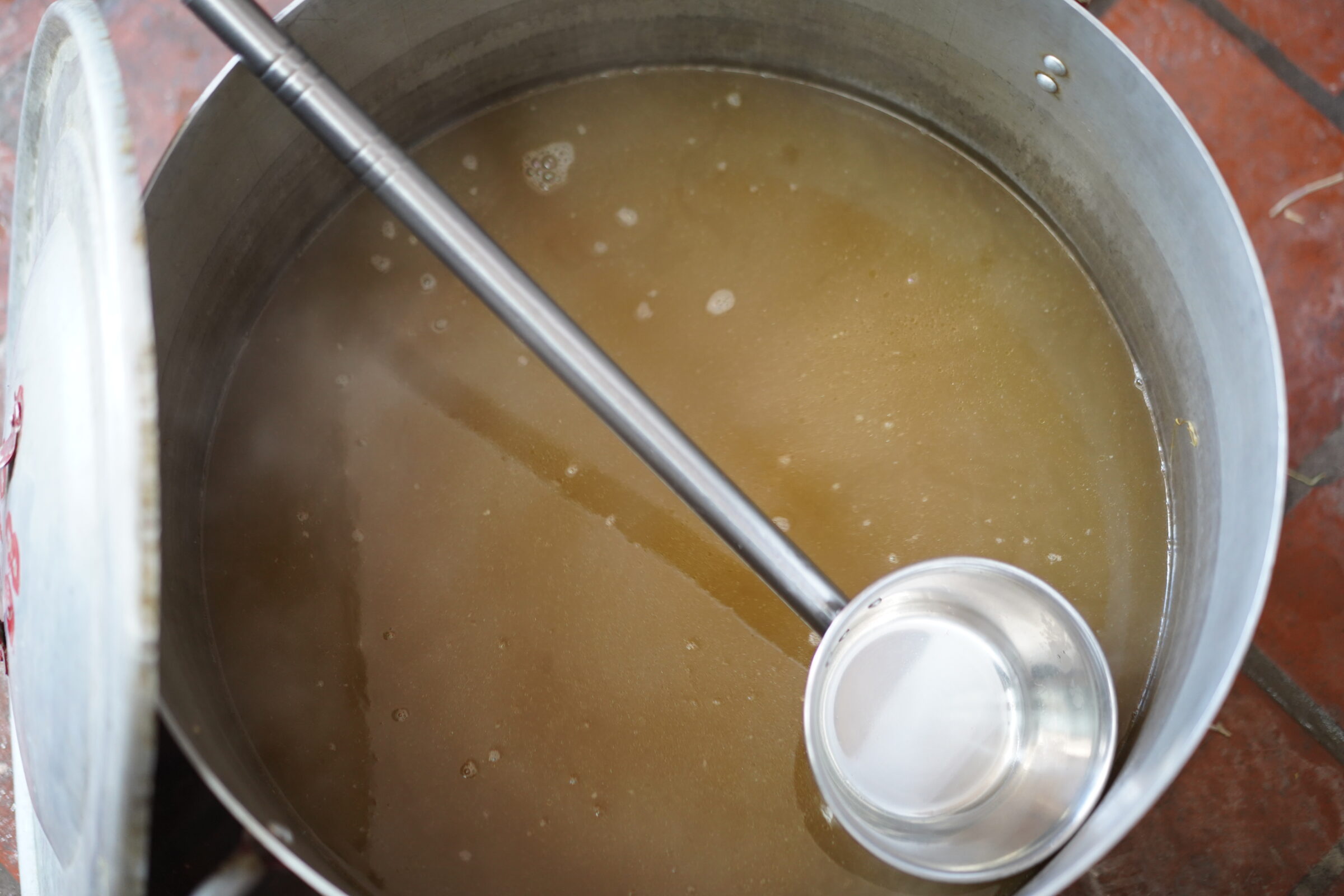
The soup’s soul lies in its broth. Each household in Bát Tràng has its own recipe—some use the first boil from chicken, others prefer shrimp stock, and many blend both. Ingredients like pork bones, dried shrimp, or even sea worms (sá sùng) are sometimes added for extra depth.
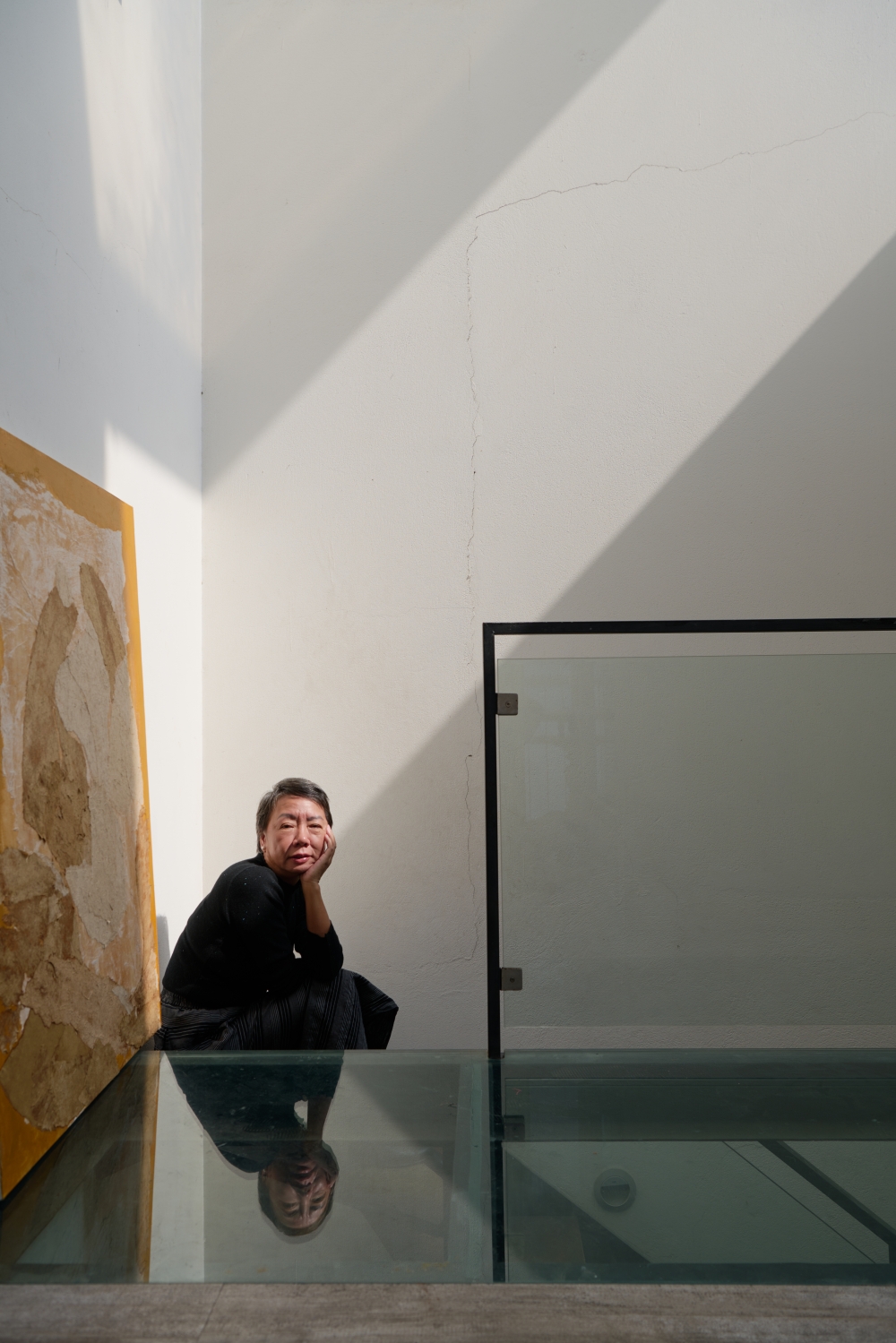
“Good chicken broth comes only from the essence of the bird,” culinary artisan Đào Thị Nghi (affectionately known as Cô Nghi) once said. “Cooking one chicken might yield just a third of a pot.”
An Art Form in Itself
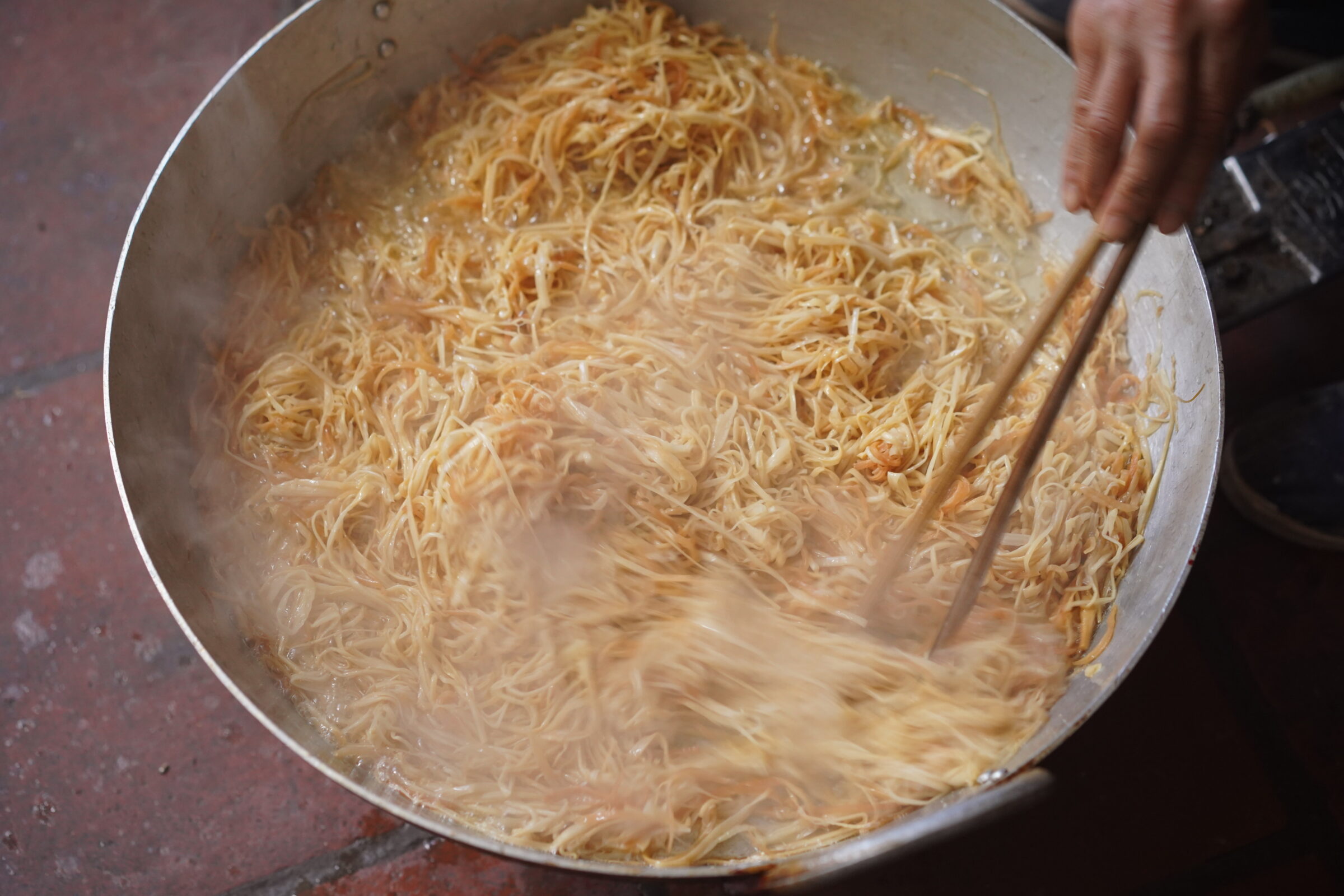
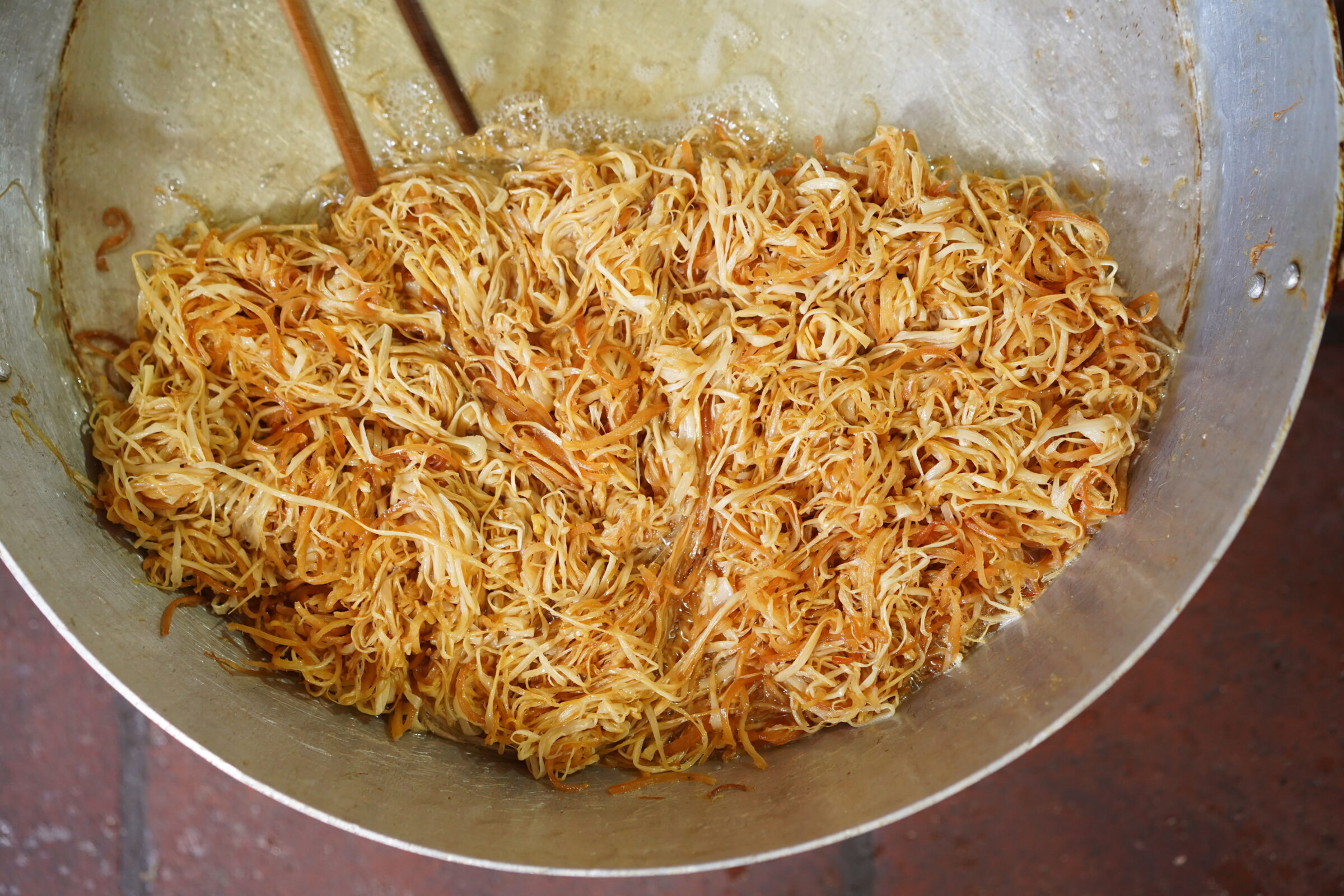
Watching a Bát Tràng cook at work is like witnessing craftsmanship in motion. From choosing where to cut the bamboo, to monitoring doneness by sight alone—the level of care and experience needed is immense. Măng and mực must be sautéed separately to preserve their individual aromas, then combined at the right moment and simmered until the mixture thickens, allowing the ingredients to fully absorb the essence of the broth.
Once cooled, the mixture can be frozen for later use, without compromising quality.
According to experienced cook Minh Liên, this dish should be enjoyed in its purest form. Any garnish—like scallions or herbs—or even pairing it with rice or noodles would risk masking its distinctive taste.
A Symphony of Land and Sea
The uniqueness of Bát Tràng cuisine lies not just in flavor, but in meaning. Canh măng mực is a sensory experience—a quiet balance of texture and taste, with squid that’s tender yet firm, bamboo that’s crisp yet mellow, and broth that’s rich yet clean.
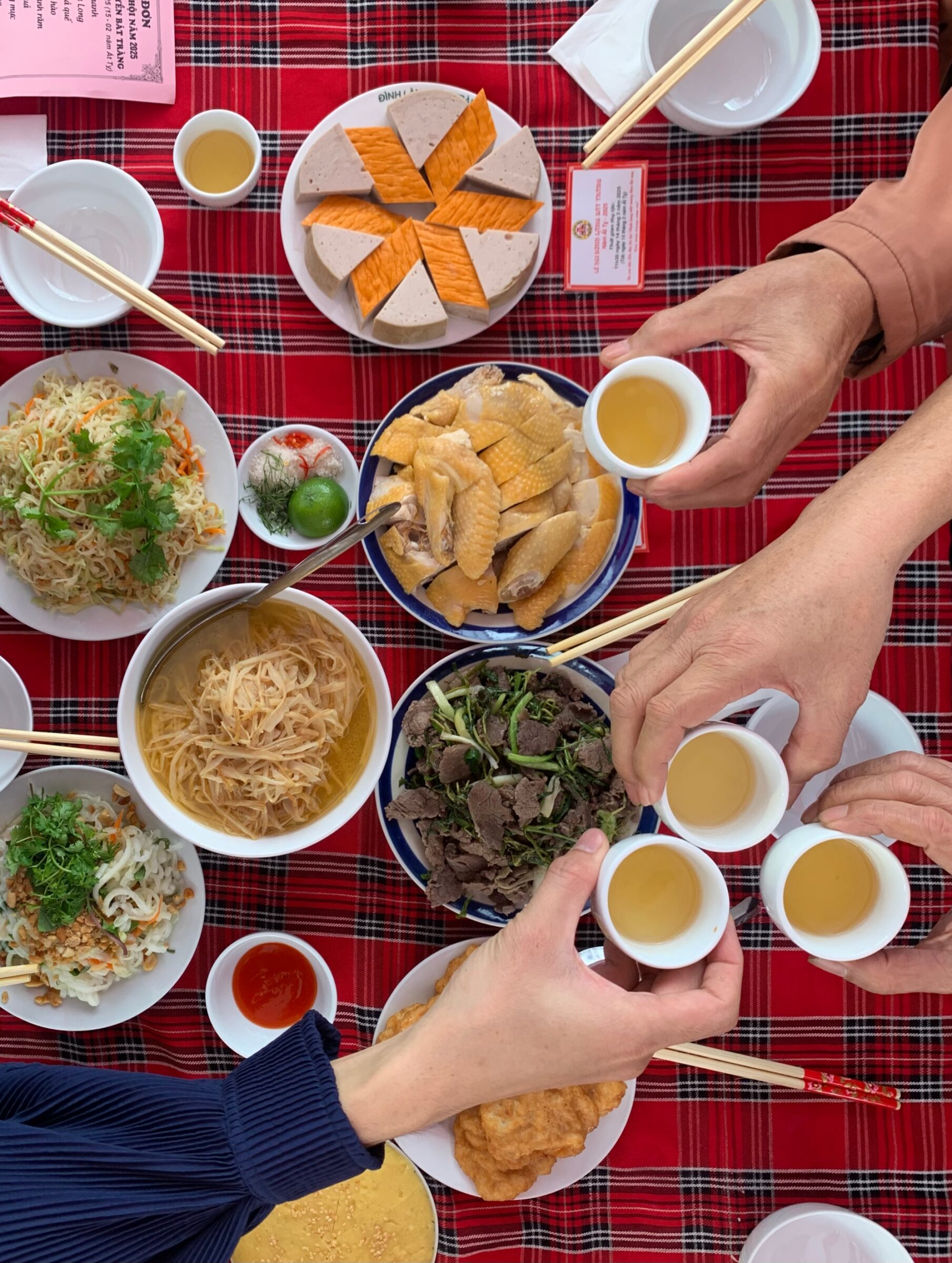
As Cô Nghi once shared, “Only by investing one’s full heart and time can the true essence of this soup be revealed.” For Bát Tràng locals, canh măng mực is more than food. It’s heritage in a bowl.